







Introduction:Can a hand-operated coffee machine consistently extract espresso with a golden crema? This article provides a comprehensive hands-on review of the Xingli Third Generation Hand Press Espresso Machine, covering everything from its structural breakdown and extraction principles to actual operation. We delve into how to use 18 grams of coffee grounds and 120 milliliters of hot water to press out rich crema and brew a qualified café latte. The article details official recommended parameters, brew ratios, pressure ranges, and recommends several suitable coffee beans—offering practical insights for both beginners and advanced users.
Have you ever wondered if a compact hand-operated coffee machine can truly produce espresso with a thick, rich crema consistently? Our team set out to answer this question by conducting a full evaluation of the Xingli Third Generation Hand Press Espresso Machine—from unboxing to hands-on testing. Not only did we disassemble its internal structure, but we also fine-tuned variables such as coffee dose, water temperature, and pressure to gradually assess its real-world performance. Ultimately, we succeeded in using 18 grams of coffee grounds with 120 milliliters of hot water to produce golden crema and further craft a well-balanced café latte.
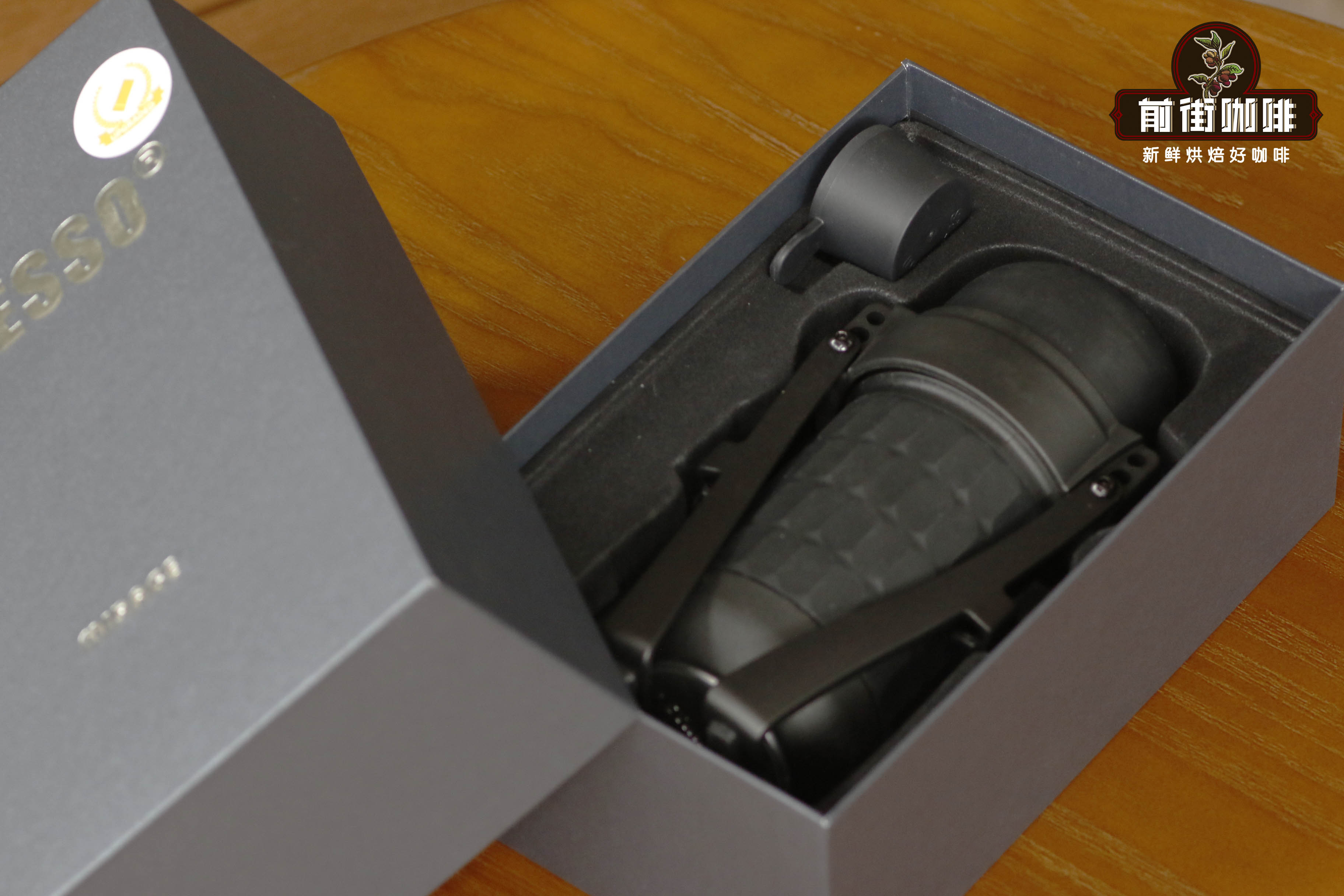
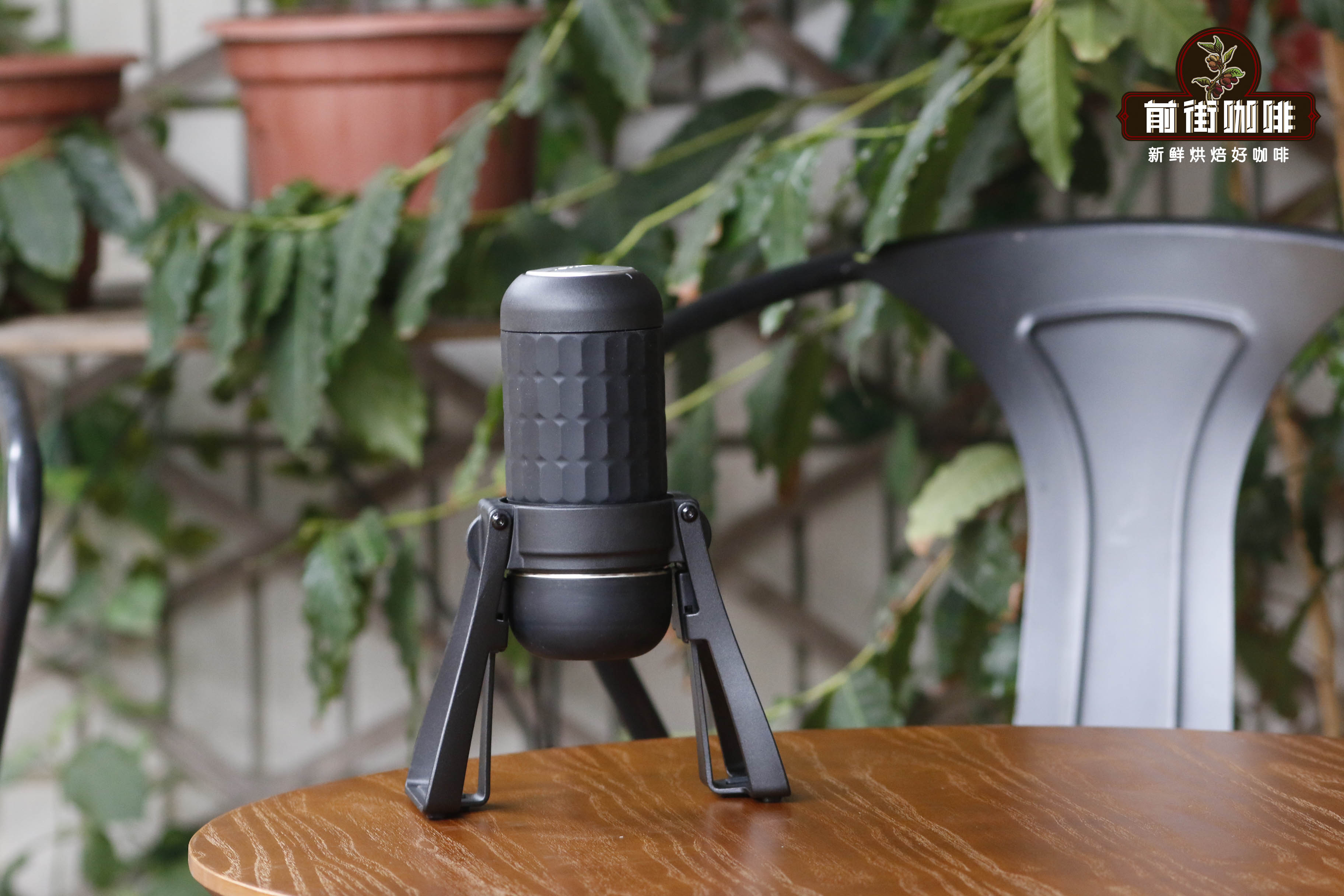
Let’s start with the exterior: the machine comes in a sleek square box and includes a handy coffee scoop for easy measuring. When opening the lid, you might notice a slight new-machine plastic smell—recommended to rinse with hot water and let it air out for a few days. Compared to its predecessor, the Xingli Third Generation has noticeably improved its stand design: it hugs the body when collapsed and uses secure clips for stable support when extended, resulting in a more compact form that’s convenient for daily use and portability.
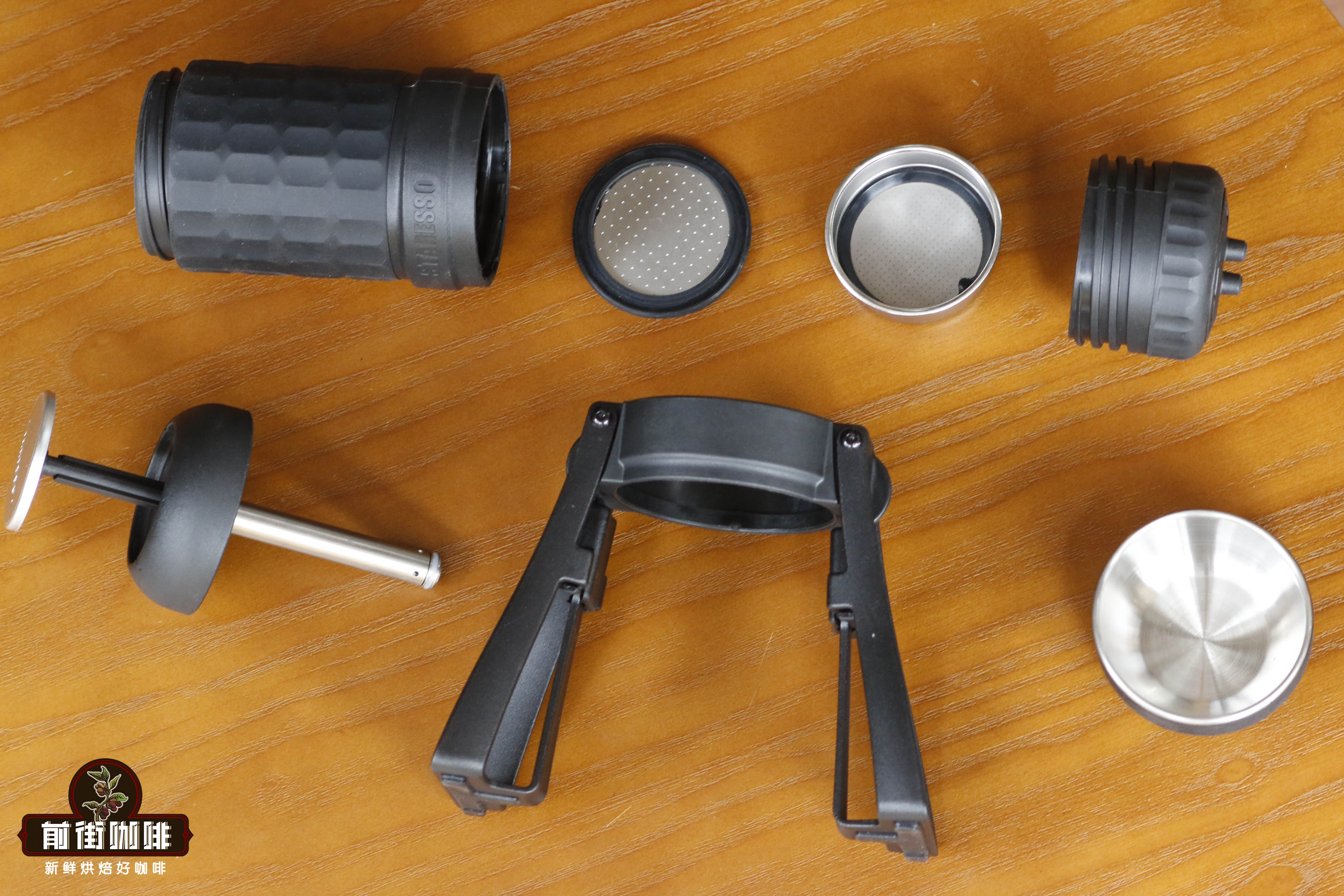
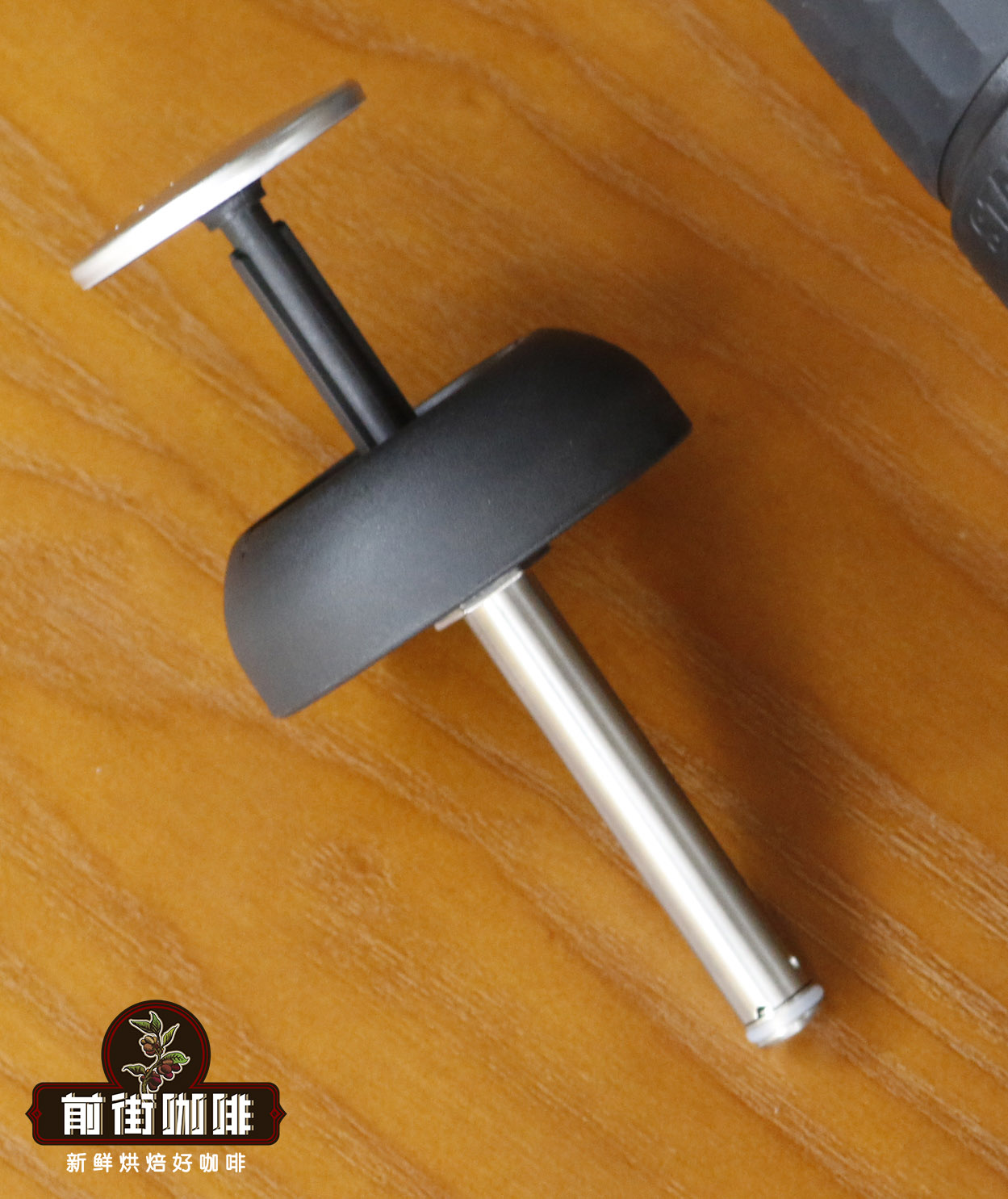
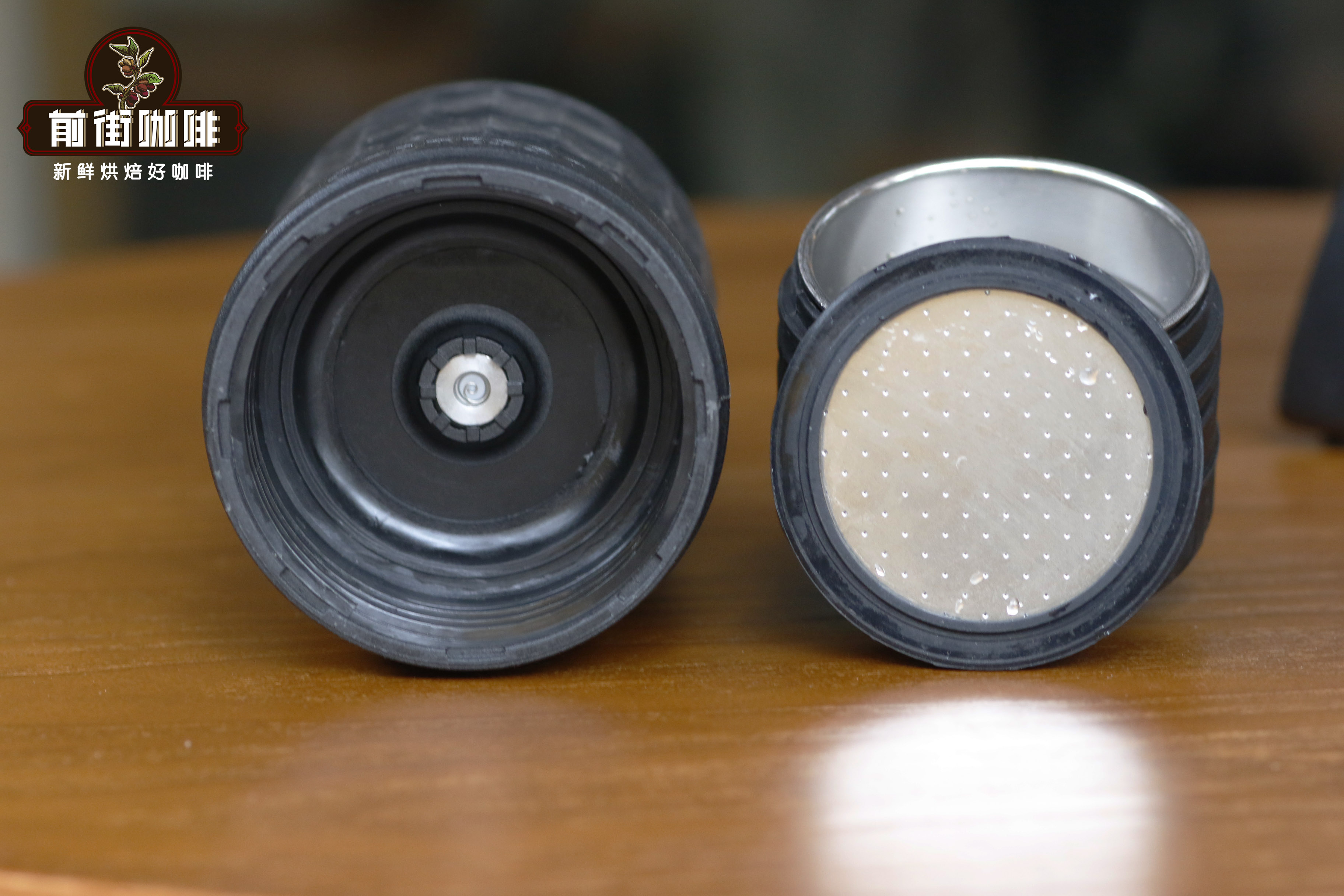
Taking a deeper look inside, nearly all parts are removable for easy cleaning and maintenance. The top plunger mechanism works similarly to a syringe—with an internal spring that, when pressed, pushes water through the coffee bed. Its operating principle is akin to a naked portafilter, effectively focusing the pressure. The cylindrical water tank in the middle holds the hot water, and the central shower screen in the water distribution system resembles those in traditional espresso machines, aiding even extraction. At the bottom, there's an adjustable pressure valve. According to the official specs, it can adjust between 15–20 bar, but our testing revealed it actually regulates flow by adjusting the internal piston opening—fully open when tightened, and partially closed when loosened—allowing users to fine-tune based on preference.
So, can this hand press really produce noticeable crema? The key lies in using freshly roasted espresso beans. For this test, we used several blends: a specialty blend with nutty flavor notes, a commercial blend commonly stocked in cafés, a classic blend known for excellent crema performance, and a dark cocoa-based blend with chocolatey tones—each demonstrating different extraction potentials.
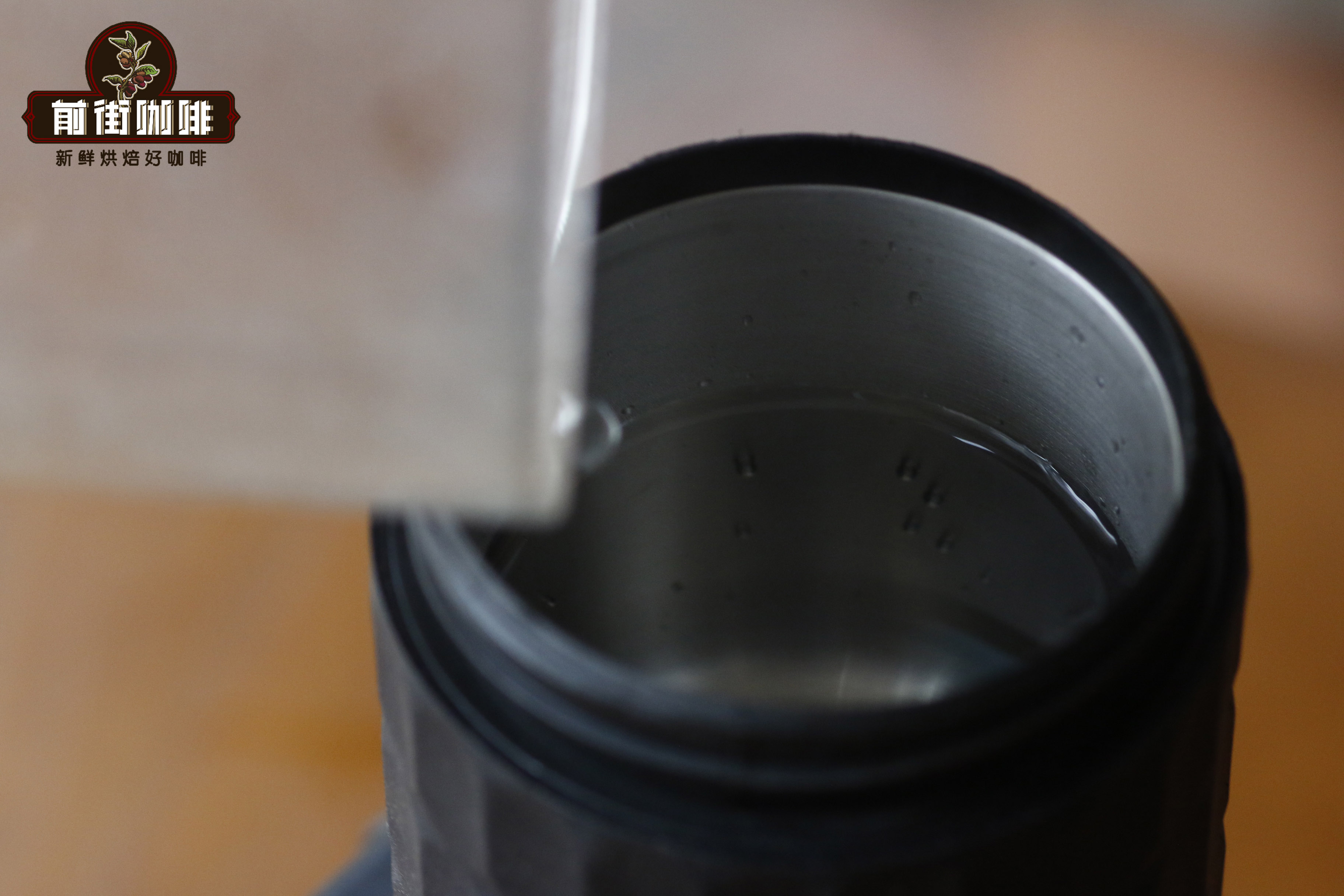
Official recommendations suggest a coffee dose of 18–22 grams and a water volume of 120–180 milliliters. Our first test used 18 grams of coffee and 120 milliliters of hot water, with grind size similar to that of a shop espresso machine—close to flour fineness. After dosing, we tamped the coffee using a tamper, ensuring the coffee surface didn’t exceed the MAX line on the rim of the portafilter. Then, we securely attached the portafilter to the water tank and fixed the entire assembly onto the stand. We poured freshly boiled hot water, referencing the scale lines on the tank to control the amount.
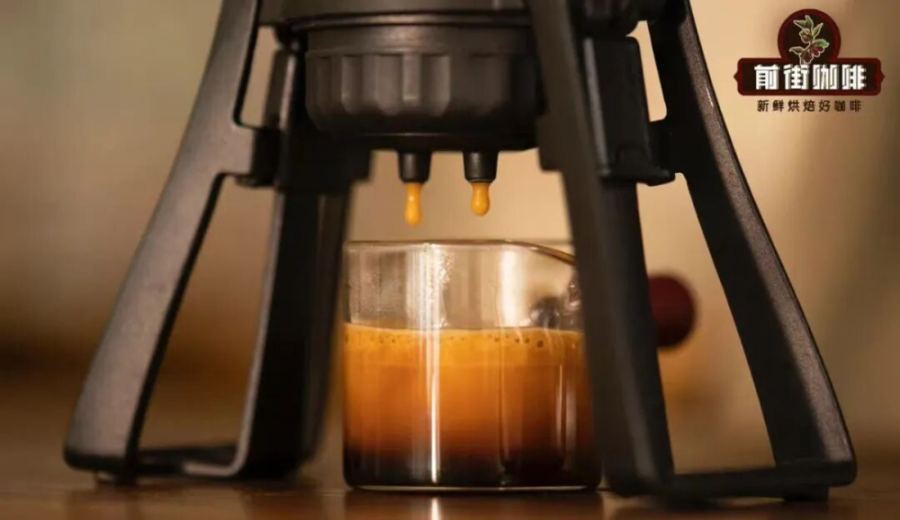
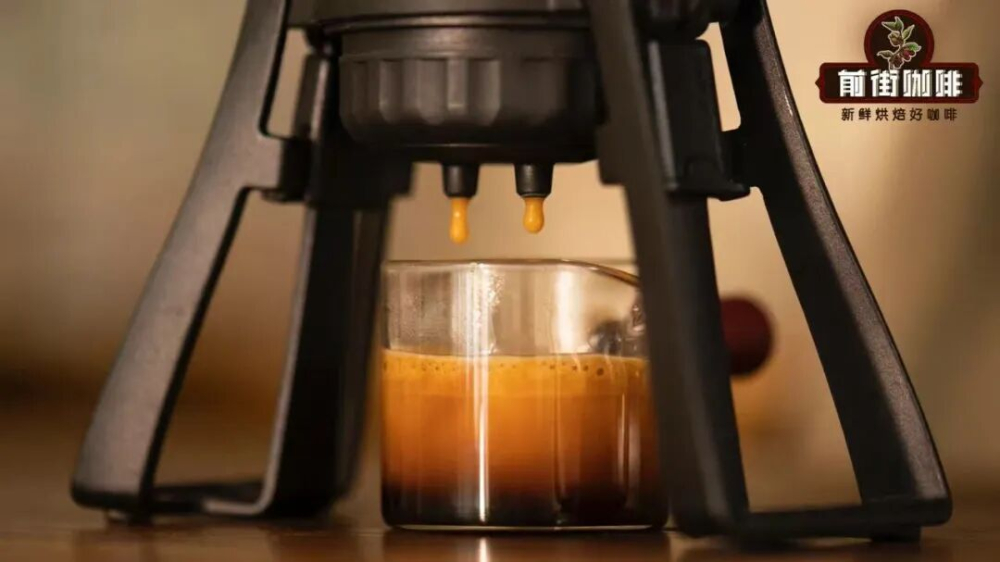
With the lid in place, we began pressing steadily at a rhythm of one press every 1–2 seconds. After about 20 seconds, coffee started dripping. When we reached 60 milliliters, we stopped—and the result was surprising: this small hand press actually extracted noticeable golden crema. However, the initial shot tasted thin with a distinct bitterness, and the center of the crema appeared slightly pale, indicating possible over-extraction. We adjusted the parameters: same 18 grams of coffee and 120 milliliters of water, but lowered the water temperature to 95°C and stopped extraction at just 40 milliliters.
This time, the espresso showed a notable improvement in body, with a finer and more even crema texture. We then used this espresso to make a café latte (though we skipped detailing the milk frothing process). The overall result was satisfying: the crema structure was stable, without obvious clumping or rapid dissipation. Even when some large bubbles formed during pouring, they didn’t hinder smooth latte art.
Overall, the Xingli Third Generation Hand Press Espresso Machine delivered quite a few pleasant surprises—especially in its flexibility to use different coffee beans, far surpassing standard capsule machines. While its consistency depends on user technique, its overall performance is close to that of entry-level semi-automatic machines. Compared to other hand presses or portable capsule systems at a similar price point, it shows stronger competitiveness in crema presentation and flavor control. We recommend users follow the official suggested brew ratio and pressure range, while fine-tuning water temperature and grind size to personal taste—unlocking even more flavor possibilities.
The above content is compiled by CoffeeHunters, a coffee news website.


