







Introduction:The moka pot is a common Italian-style extraction tool found in the homes of many coffee enthusiasts, and Bialetti is the most iconic brand of this brewing device. Since its debut in 1933, the Bialetti moka pot has not only retained its classic design but also accumulated hundreds of millions in global sales. This article delves into the history of the Bialetti brand, the design inspiration and structural principles of the moka pot, and provides practical usage steps and grind size recommendations to help you easily master the essentials of using this classic tool.
The moka pot is a classic symbol of Italian home coffee culture, and as the representative brand of such pots, Bialetti—with its iconic octagonal shape and nearly unchanged design for nearly a century—has become a legend in the hearts of coffee lovers worldwide. This article begins with the brand story, exploring the background of the Bialetti moka pot’s creation, design evolution, classic elements, and its unique extraction principle. It also offers detailed usage methods and grind advice. Whether you’re a beginner or an experienced user, you’ll gain practical knowledge from it.
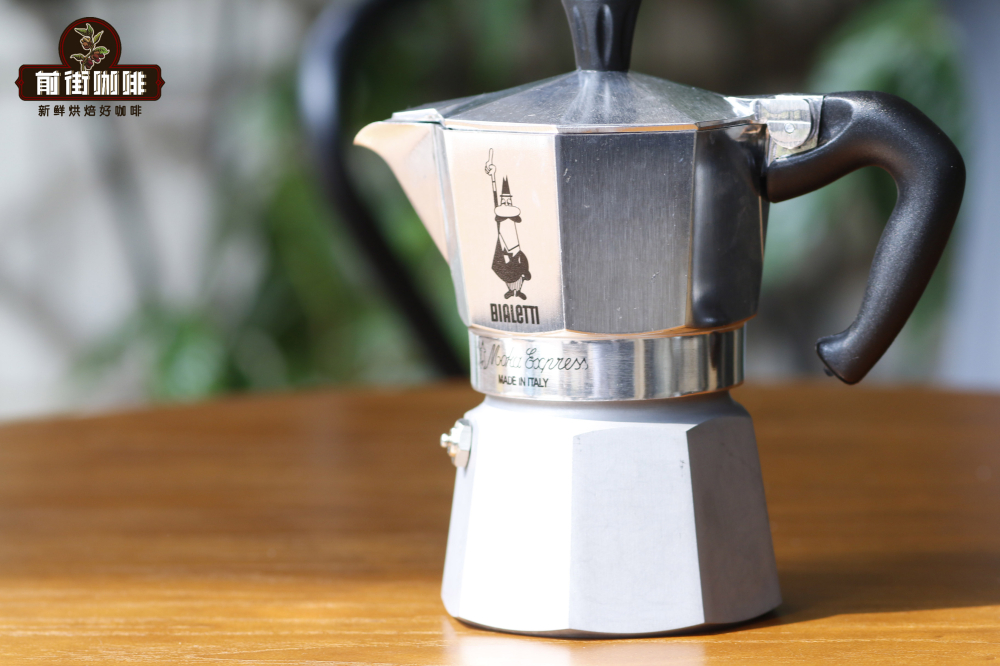
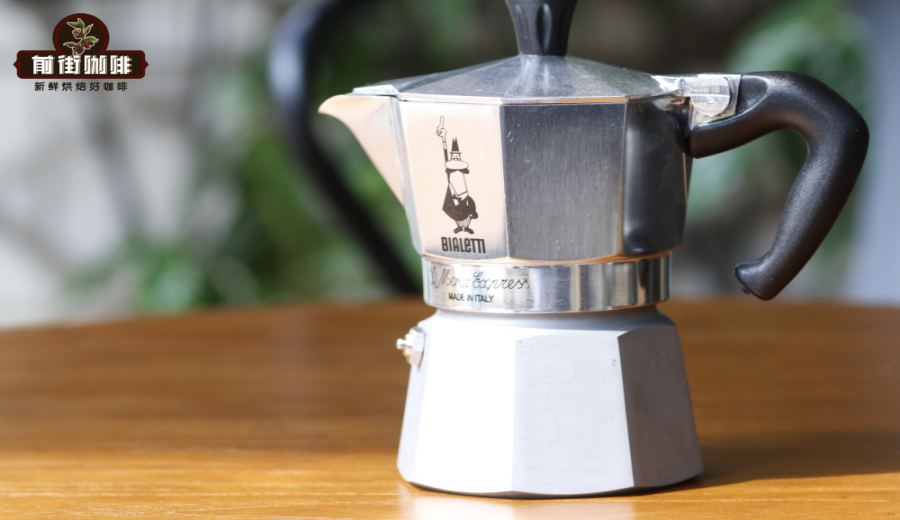
Among the many moka pot brands, Bialetti is undoubtedly the most well-known. Even today, the appearance of its classic product, the Moka Express, remains almost identical to when it was first launched in 1933. If you’ve ever seen that octagonal metal pot in a physical store, it’s very likely the most iconic design by Bialetti. This pot not only boasts a strong retro-industrial aesthetic but also features a timelessly functional design.
The birth of the Bialetti moka pot stems from the transformation of Italian home coffee culture in the 1930s. In the early days, people were accustomed to boiling coffee grounds and water together on a stove, then filtering the coffee liquid out using simple methods. By the early 20th century, with the rise of steam technology, Italian engineers attempted to use high-pressure steam to quickly extract coffee, creating espresso machines that resembled miniature steam engines. These machines not only had eye-catching appearances but also produced dramatic sounds and heat during use.
However, the rich coffee served in cafés often differed greatly in quality from what could be brewed at home. That changed in 1933 when Alfonso Bialetti invented the world’s first moka pot suitable for home use, completely transforming the situation. This pot is the now-famous Bialetti Moka Express. Notably, from the day it was created, its basic design, materials, and appearance have remained almost unchanged, still retaining its original classic elements. It was even ranked alongside classic products like the Vespa scooter and Fiat 500 in 20th-century Italian design evaluations.
The widespread popularity of the Bialetti moka pot can be attributed not only to its classic design but also to the mass adoption driven by Alfonso’s son, Renato. After World War II, Renato returned to Italy from Germany, restarted his father’s production equipment, and promoted the moka pot to every corner of Italy through diverse and bold marketing strategies—from large billboard advertisements, newspapers, radio, to three-dimensional sculptures at exhibitions. Production soared from just 10,000 units per year initially to 1,000 units per day, with cumulative global sales exceeding 300 million units, making it a symbol of Italian home coffee.
Although modern moka pots come in various materials—aluminum, stainless steel, and even ceramic—the classic Bialetti Moka Express still adheres to some handmade processes, especially the lower chamber, which retains the handcrafted characteristics since 1933, often exhibiting subtle manual textures inside. Additionally, every authentic Bialetti moka pot features a cartoonish male figure with an eight-pointed mustache, symbolizing the founder Alfonso. This logo has become a classic brand element, instantly recognizable as its hallmark.
After understanding the history of the Bialetti moka pot, let’s delve into how it works. The moka pot mainly consists of three parts: the lower chamber holds water, the middle filter basket contains the coffee grounds, and the upper chamber collects the extracted coffee. To operate, first pour hot water into the lower chamber, with the water level recommended to be about 0.5 cm below the safety valve to help shorten heating time and control pressure. Then, fill the middle filter basket with finely ground coffee, leveling it gently without tamping to avoid channeling.
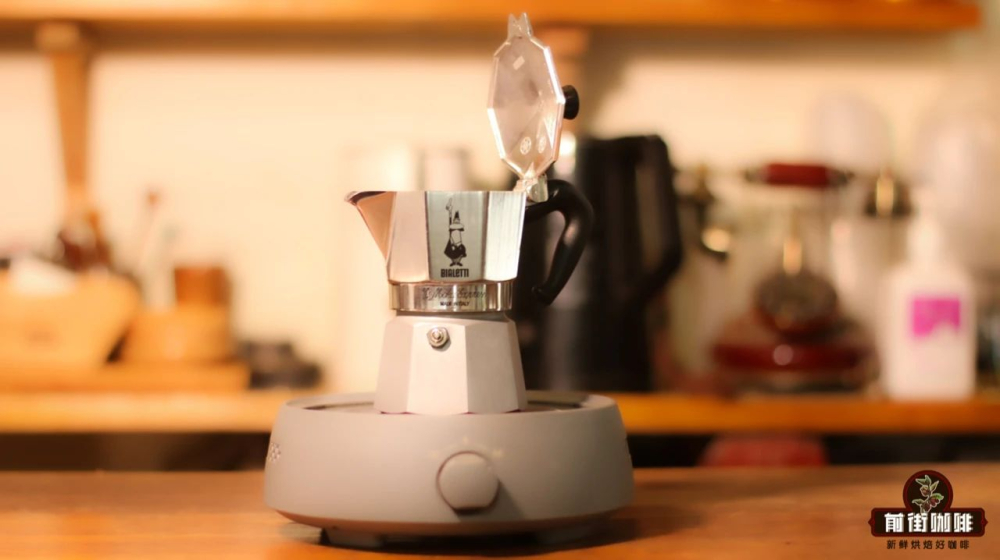
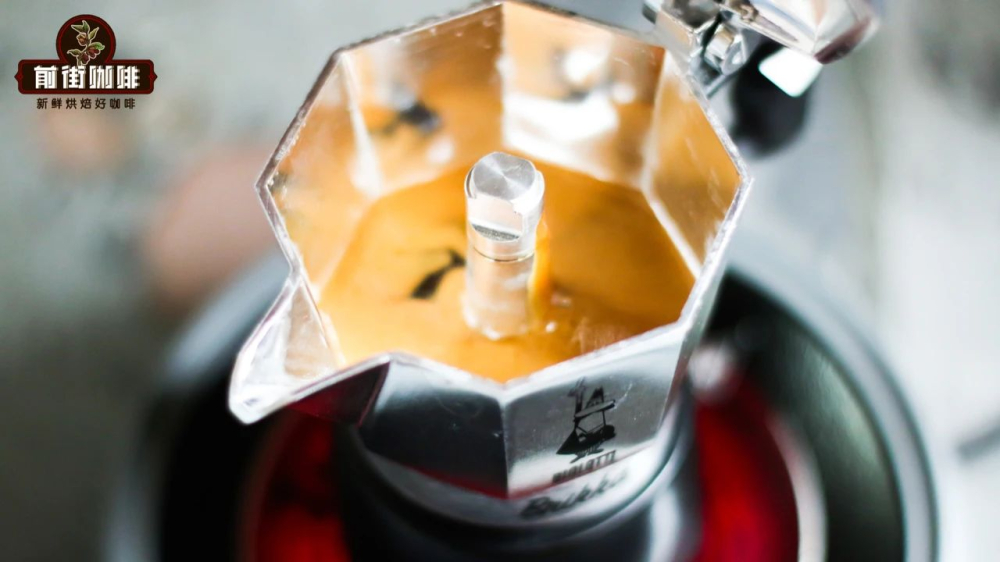
Once assembled, place the moka pot on a heat source (an electric ceramic stove is recommended for easier flame control). As the temperature rises, the heated water generates steam pressure, pushing the water up through a central tube, passing through the coffee grounds layer, extracting flavor compounds, and finally forming espresso-like coffee that flows into the upper chamber. This process is similar to how a small espresso machine operates but with a simpler structure, making it highly suitable for home use.

In practice, selecting the right coffee beans and grind size is crucial. Since the moka pot uses pressurized extraction, it’s recommended to use medium-dark to dark roasted coffee beans, such as Warm Sun Blend, Papua Paradise Bird, or Brazilian Queen Estate. These bean varieties typically offer rich flavors and aromas that complement the moka pot’s extraction characteristics. As for grind size, a fine grind is recommended, approximately equivalent to the #3 to #3.5 setting on an EK-43s grinder, with a texture similar to fine sugar. Too coarse may lead to under-extraction, while too fine may cause excessive pressure and potential hazards.
Here are the detailed steps: First, add hot water to the lower chamber to about 0.5 cm below the safety valve to facilitate more efficient extraction. Then, pour the ground coffee into the filter basket, gently shake to level the coffee bed naturally without compacting it. Next, insert the filter basket into the lower chamber and screw it tightly with the upper chamber to ensure a good seal. Place the entire moka pot on an electric ceramic stove and begin heating over low to medium heat.
When you hear a distinct “wuu wuu” sound, it indicates that sufficient pressure has built up inside the pot. At this point, reduce the heat to low and open the upper chamber lid to observe the coffee beginning to flow. When about half of the coffee has flowed out, it’s recommended to turn off the heat immediately and let the residual heat and remaining pressure push the rest of the coffee into the upper chamber, avoiding over-extraction or burnt, bitter flavors.
In summary, the Bialetti moka pot is not just a classic coffee brewing device but also carries nearly a century of Italian home coffee culture. From its brand history and design evolution to practical brewing techniques, as long as you master the right coffee bean selection, grind size, and heating process, you too can easily recreate a café-quality intense coffee experience at home.
The above content is compiled by CoffeeHunters, a coffee news website.


