







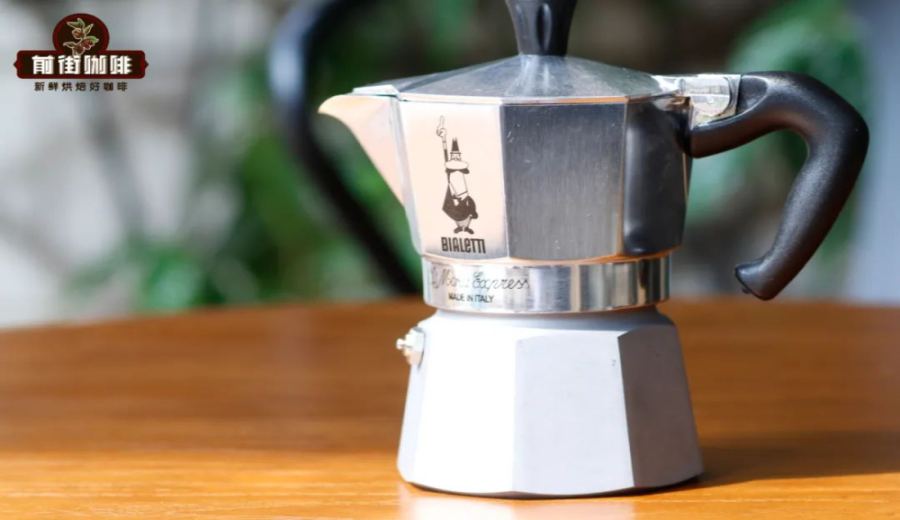
Introduction:The moka pot is a classic coffee brewing device commonly found in Italian households, capable of producing rich, full-bodied coffee with crema through simple operation. However, many users still lack a thorough understanding of its structure, principles, and correct usage steps, often encountering issues such as splattering, overheating, or even jamming. This article starts with the invention background and internal structure analysis of the moka pot, detailing key techniques such as water filling position, coffee grounds distribution, grind size, and heating rhythm. It also provides practical examples to illustrate how to consistently brew delicious coffee while avoiding potential hazards.
The moka pot can be considered one of the most iconic home coffee brewing devices in Italy, found in both urban apartments and rural kitchens. This device uses steam pressure generated by heating to push water through a layer of coffee grounds, thereby extracting a concentrated coffee liquid. Not only is it intuitive to operate, but it also delivers flavor characteristics close to that of espresso. However, precisely because its structure seems simple, many people often overlook key details during use, leading to unstable extraction or even safety risks.
The moka pot was invented in 1933 by Italian designer Alfonso Bialetti. Coming from a metal industry background, he combined widely used aluminum at the time with innovative design to create this revolutionary coffee tool. The device utilizes a heated base to boil water and generate pressure, which then penetrates the coffee grounds in the filter basket, ultimately producing a cup of richly flavored coffee in the upper chamber. This combination of practicality and affordability quickly gained popularity in Italian households and remains widely loved to this day.
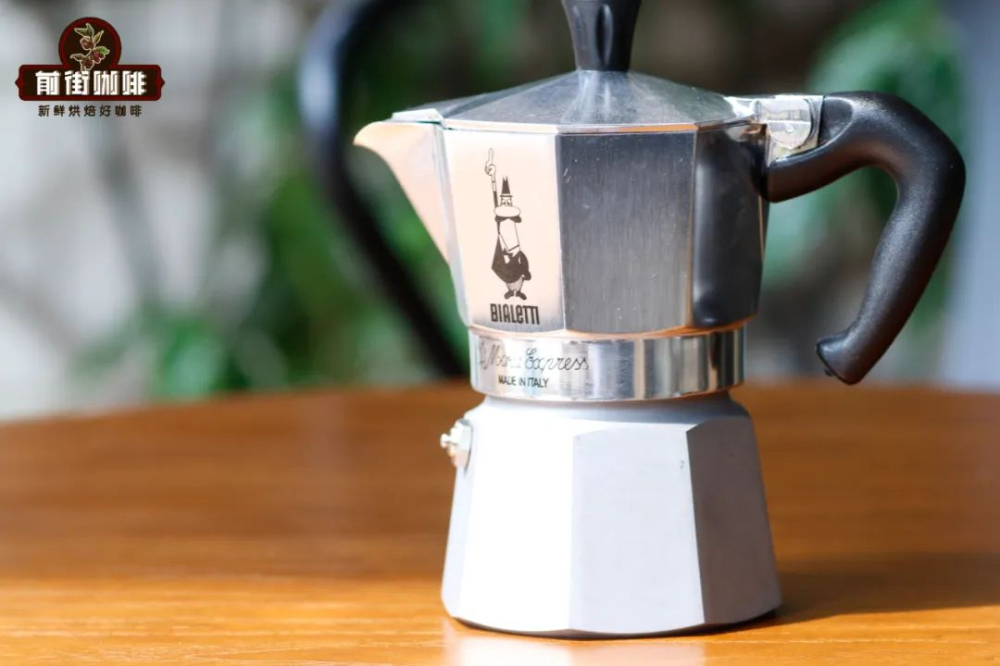
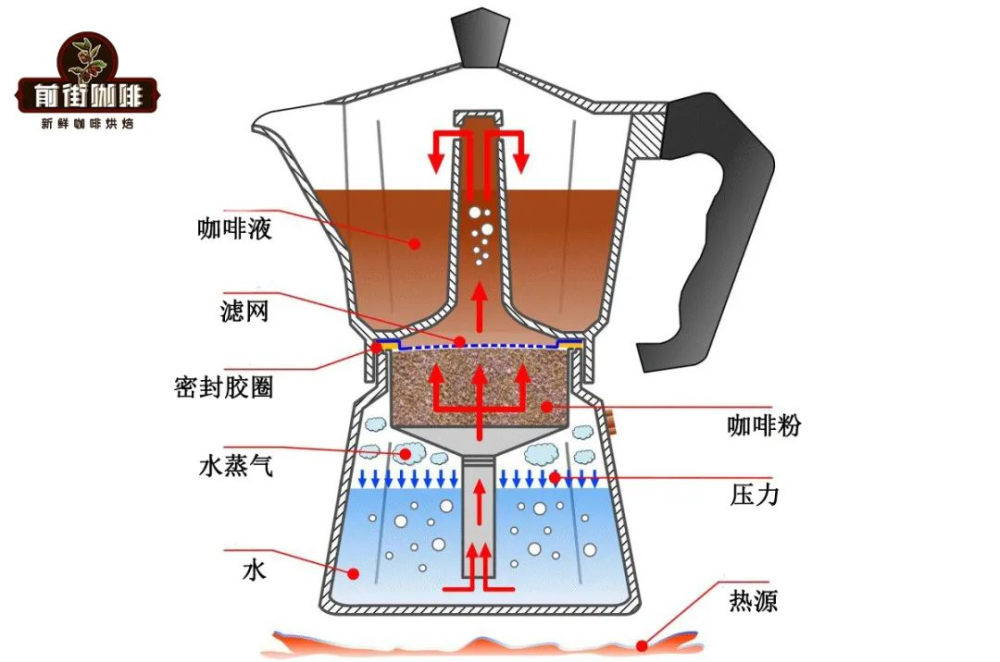
The basic structure of a moka pot can be divided into three main components: the lower chamber, the filter basket, and the upper chamber. The lower chamber holds the water, the filter basket contains the ground coffee, and the upper chamber collects the final brewed coffee liquid. Its operating principle is quite straightforward: by heating the lower chamber, the water inside is brought to boiling point, generating sufficient steam pressure to push the water through the coffee grounds in the middle filter basket, which then rises into the upper chamber, forming a cup of coffee rich in aroma and crema.
To achieve optimal extraction results, selecting the right coffee beans is crucial. In this example, we used PWN Golden Mandheling from the Gayo Highlands of Aceh, Sumatra, Indonesia. These beans belong to the Ateng variety, processed using the traditional wet-hulled method, grown at an altitude of 1100 to 1600 meters, and graded as G1. This bean exhibits distinct caramel and dark chocolate notes, with low acidity, fully showcasing the rich flavors extracted by the moka pot.
Before brewing, start by pouring water into the lower chamber. It is recommended to keep the water level about 0.5 cm below the safety valve. The safety valve is an important component for ensuring user safety; if the water level exceeds the valve opening, it may prevent timely pressure release, increasing the risk of explosion or “cylinder explosion.” Next, add the ground coffee into the filter basket and gently level it. If the coffee forms a small mound, it is advisable to use a leveling technique to scrape it flat to ensure an even coffee bed, preventing over-extraction or under-extraction in certain areas. When filling the filter basket with coffee grounds, it is recommended to fill it as much as possible to help maintain stable extraction pressure and consistent flavor.
After assembling the upper and lower chambers, make sure to tighten them securely to prevent leakage or loosening due to steam pressure during heating. Place the moka pot on the heat source, and it is recommended to use high heat for a quick temperature rise. When you hear a distinct “wuu wuu” sound, it indicates that the pot has reached the appropriate temperature range for extraction. At this point, immediately reduce the heat and you may lift the upper chamber lid to observe the extraction process.
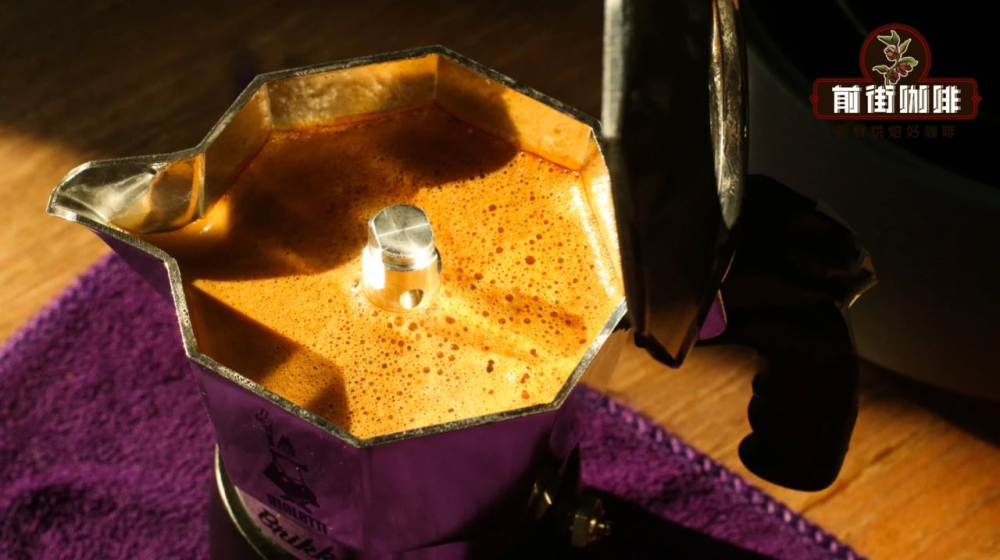
Once coffee liquid begins to drip from the upper chamber and the flow becomes steady, it is recommended to turn off the heat when about half of the coffee has been extracted. At this point, you can move the moka pot to a table (it is recommended to place a damp cloth under the base to prevent burning), utilizing the remaining heat and pressure inside the pot to push the rest of the coffee liquid into the upper chamber, completing the entire extraction process. This method not only helps avoid over-extraction but also aids in controlling extraction time and flavor balance.
The grind size of the coffee grounds is one of the key factors affecting the success of moka pot extraction. The grind needed for a moka pot is slightly coarser than that for an espresso machine, recommended to be close to the texture of fine salt. If using an electric grinder such as the EK-43s, a reference setting would be between 3 and 3.5; for a hand grinder such as the C40, a setting around 22 is suggested. Grinding too fine can cause poor water flow, not only reducing extraction efficiency but also potentially leading to dangerous pressure buildup; conversely, grinding too coarse may result in under-extraction, yielding a coffee with weak flavor and sharp acidity.

Finally, a reminder: after using the moka pot, since the lower chamber still contains high-pressure hot steam, do not attempt to unscrew the upper and lower chambers immediately to avoid burns or damage to the device. It is recommended to let it cool down naturally until the internal pressure is completely released, after which it can be easily separated and cleaned. Correct usage and maintenance not only extend the lifespan of the moka pot but also ensure that you consistently brew rich, aromatic espresso-style coffee each time.
The above content is compiled by CoffeeHunters, a coffee news website.


