







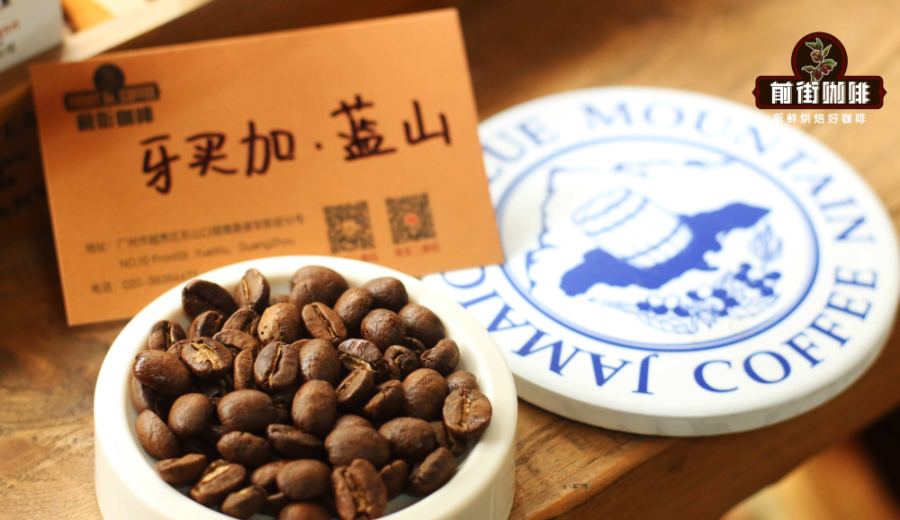
Introduction:Jamaican Blue Mountain No. 1 coffee is renowned for its delicate balance of acidity, sweetness, and bitterness, along with a rich body and unique sweet notes, making it one of the world’s top-tier coffees. This article delves into the grading system of the Blue Mountain region, the historical background and current status of the Clifton Estate, and provides an in-depth look at medium-dark roasting and pour over brewing parameters to help you better understand the charm and brewing secrets of this rare coffee.
Jamaican Blue Mountain coffee has long been celebrated for its delicate aroma, balanced richness, and uniquely smooth sweetness, making it a dream brew for coffee enthusiasts worldwide. Among them, Blue Mountain No. 1 is not only the most commonly available grade but also stands out for its consistent quality and outstanding flavor profile, making it a favorite among many seasoned coffee drinkers. This article will start with the official grading system of the Blue Mountain region and the historical context of the Clifton Estate, and then deeply analyze the medium-dark roasting setup and pour over parameters, giving you a comprehensive understanding of this top-tier coffee.
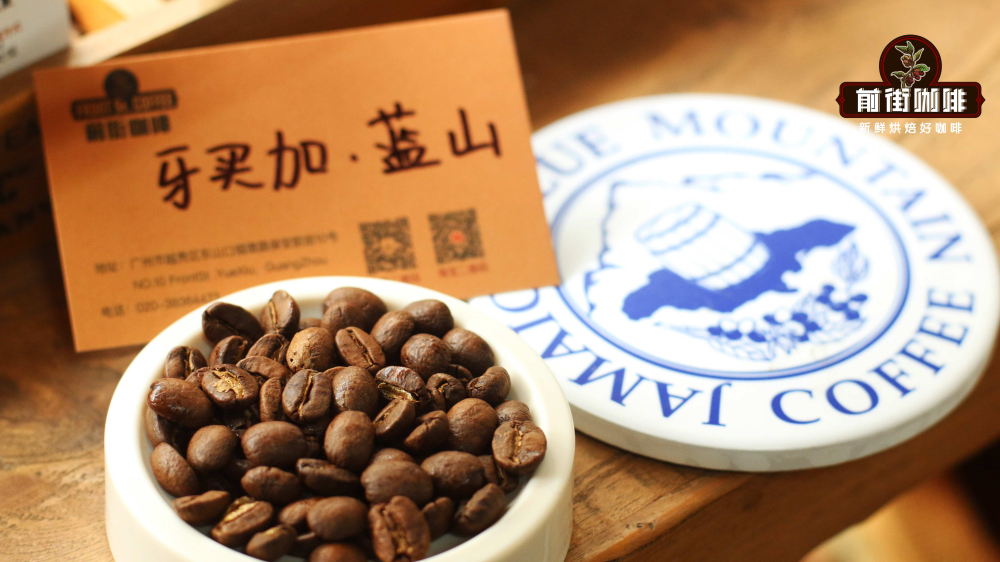
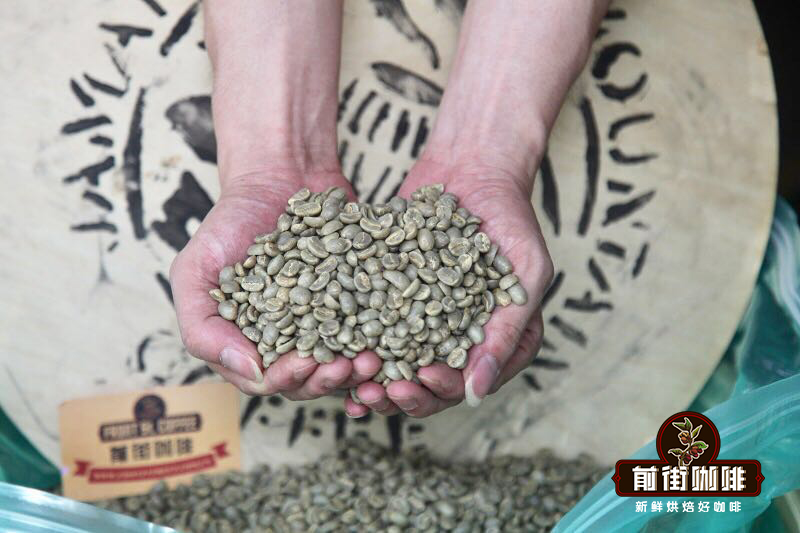
To maintain the quality and market reputation of Blue Mountain coffee, the Jamaican government established the Coffee Industry Board (CIB) in 1953 to oversee production and certification in the region. The CIB divides Blue Mountain coffee into four grades based on quality: No. 1, No. 2, No. 3, and PB (Peaberry). Among these, No. 1 is the highest grade, requiring strict criteria such as bean size of 17 mesh or larger, a defect rate below 3%, and a moisture content of around 13%. In the market, what is commonly referred to as "Blue Mountain coffee" typically refers to this No. 1 grade, while other grades are less commonly circulated.
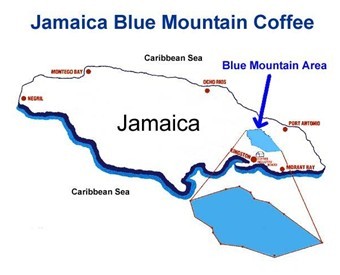
Authentic Blue Mountain coffee is grown exclusively in four specific administrative regions of Jamaica: St. Andrew, St. Thomas, St. Mary, and Portland. The unique combination of altitude, climate, and soil conditions in these areas contributes to the distinct flavor profile of Blue Mountain coffee. Among the many estates, the Clifton Estate can be considered a model of the Blue Mountain region—not only is it one of the oldest coffee farms in the area and still in operation today, but it has also been awarded Jamaica’s only "Rainforest Alliance Certification," showcasing its commitment to environmental sustainability.
The history of the Clifton Estate dates back to the mid-18th century, around 1750, when coffee cultivation first began. According to records from the Jamaica Institute in 1810, the estate was owned by Robert Hamilton at that time. An old map shows that the entire Clifton Mountain was divided into two sections: the mountaintop and the foothills. The mountaintop included 80 acres of coffee fields and 427 acres of pastureland, while the foothills had 111 acres of coffee and 264 acres of grazing land. In 1872, British travel writer Marian Ross stayed at Clifton Mountain for five months and mentioned in her memoirs a lodge run by a widowed gentleman where guests could rent weekly accommodations. There, they could enjoy the cool air at an altitude of 1524 meters while strolling through Jamaica’s oldest and finest coffee plantations.
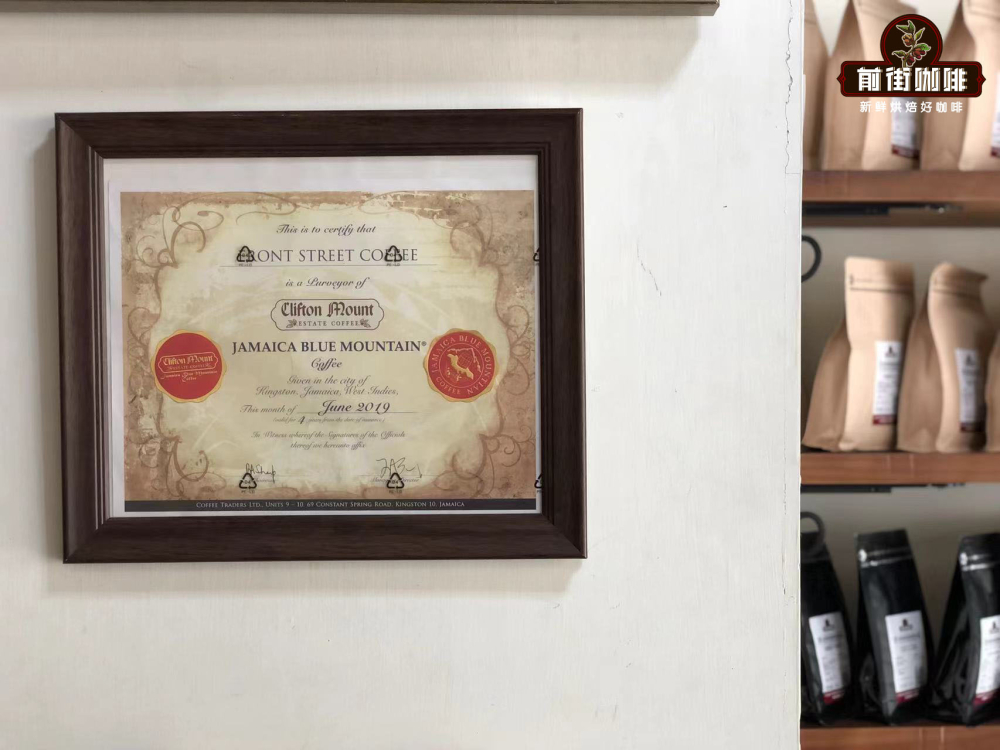
Today, the Clifton Estate is owned by the Sharp family and is located in the Newcastle area, covering a total area of 250 acres, with approximately 180 acres dedicated to coffee cultivation. The estate’s average altitude is about 1310.64 meters, and the variety grown is the classic Arabica Typica, which is also the signature variety of Blue Mountain coffee. The Blue Mountain No. 1 coffee beans sold by a well-known coffee brand are sourced from this historically significant and internationally certified estate.
To fully highlight the balanced flavors of Blue Mountain No. 1, this coffee brand opts for a medium-dark roast. This roast level enhances the coffee’s rich foundation, bringing out deep layers reminiscent of dark chocolate, while subtly highlighting gentle citrus acidity to add complexity and vibrancy. At the same time, the sweet finish becomes even more pronounced, resulting in a rounded mouthfeel and a long-lasting aftertaste.
Since medium-dark roasting accelerates the release of coffee compounds, to avoid over-extraction and bitterness, the coffee brand specifically uses a relatively low brewing water temperature and pairs it with a slower-flow Kono dripper to stabilize extraction efficiency. Below are the actual brewing parameters used in their store: using a Kono dripper, water temperature controlled at 88°C, a coffee-to-water ratio of 1:15, 15 grams of coffee grounds, and a grind size set to pass 70–75% through a 20-mesh sieve—suitable for coffee lovers who pursue refined flavors.
The specific pour over steps are as follows: First, perform a 30-second bloom with 30 grams of water to activate the aroma of the coffee grounds; then, pour water in small circles up to 125 grams and pause to allow the coffee bed to fully saturate; when the liquid level is about to drop to the surface of the coffee bed, proceed with the second pour until the total water volume reaches 225 grams. The entire brewing time (including the bloom) is controlled to around 2 minutes. This process fully brings out the delicate flavors of Blue Mountain No. 1 while avoiding over-extraction.
The final cup of Blue Mountain No. 1 presents a rich profile of dark chocolate and nutty tones, with a silky-smooth mouthfeel and an excellent balance among acidity, sweetness, and bitterness. Whether you’re a coffee novice or a seasoned connoisseur, you can appreciate the unique charm and exquisite craftsmanship of Blue Mountain coffee.
The above content is compiled by CoffeeHunters, a coffee news website.


