








Introduction:Although Tanzanian coffee may not be as well-known as Ethiopian or Kenyan coffee, its Kilimanjaro AA-grade washed Bourbon beans possess a unique flavor profile. This article delves into the altitude, soil, and climate conditions of this producing region, explores how the Bourbon variety and washed processing method influence the flavor, and provides practical pour over recommendations along with precise parameters to help you fully appreciate the charm of this African specialty bean.
When it comes to African specialty coffee, many people’s first thoughts are often Ethiopia or Kenya, but Tanzanian coffee is equally noteworthy. In fact, like Kenya, Tanzania grades its green coffee beans by particle size, with the highest grade being AA. This article will focus on a Tanzanian AA-grade washed Bourbon coffee bean from the Kilimanjaro volcanic region, taking you through the producing environment, variety characteristics, processing techniques, and actual brewing performance to give you an in-depth understanding of this distinctly flavored coffee.
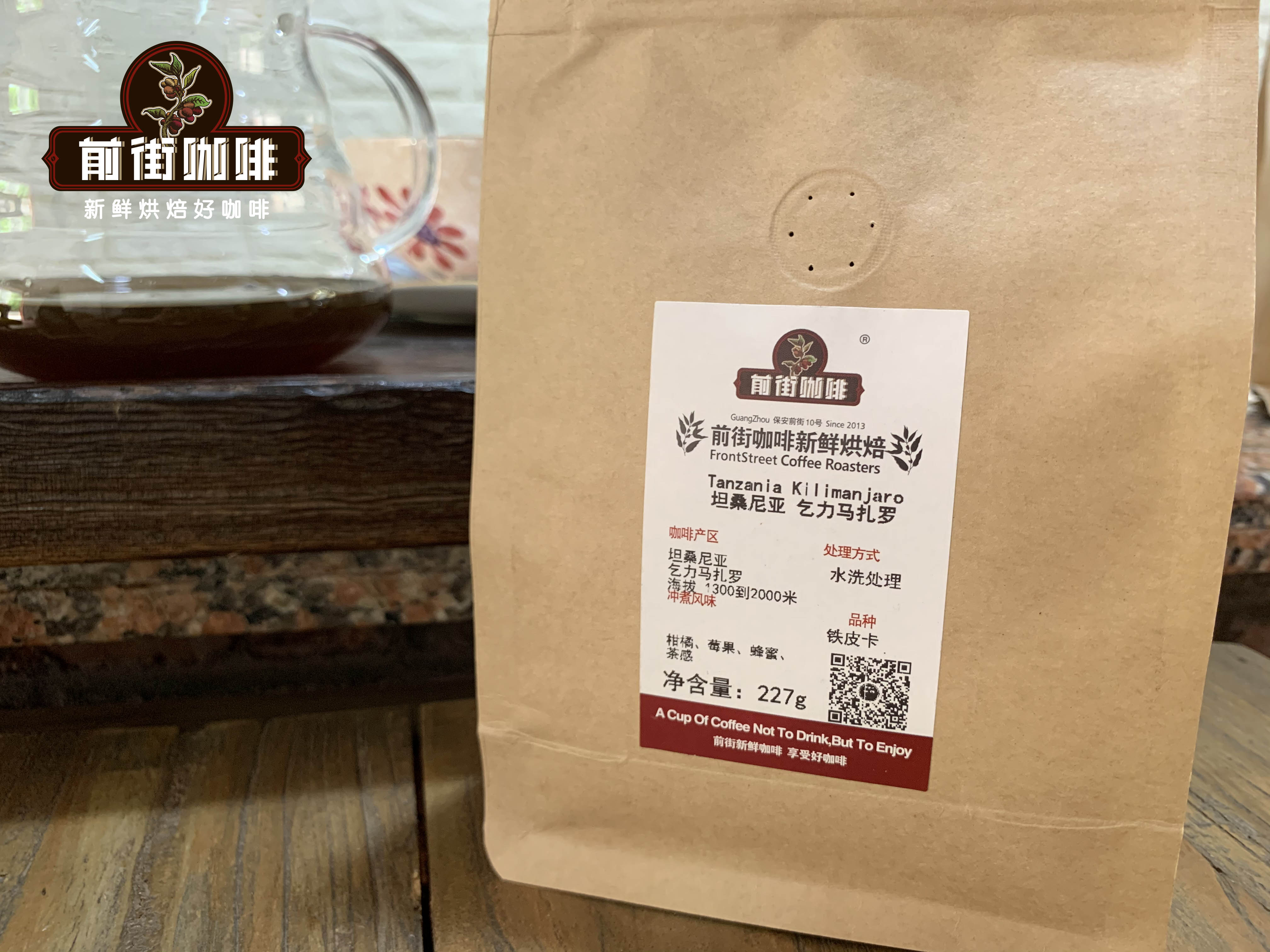
This Tanzanian Kilimanjaro AA coffee bean comes from the high-altitude regions of the northern Kilimanjaro volcano, at elevations between 1,300 and 2,000 meters. The producing area features fertile volcanic soil, coupled with favorable climatic conditions, providing an ideal environment for producing high-quality Arabica coffee. These beans are of the Bourbon variety and are processed using the washed method, yielding a complex flavor profile of citrus, berries, honey, and tea notes — making it an excellent choice for pour over enthusiasts.
Mount Kilimanjaro is the highest peak in Africa, and most of the surrounding coffee-growing areas are located on the foothills of the mountain. Elevation has a significant impact on coffee flavor. Generally speaking, the higher the altitude, the slower the coffee cherries ripen, allowing for a richer accumulation of flavor compounds, brighter acidity, and a firmer mouthfeel. The Kilimanjaro AA-grade coffee benefits precisely from such a high-altitude environment, resulting in its distinctive bright acidity and layered complexity.The annual coffee production of this region is comparable to that of Kenya, at around 50,000 metric tons. Although it is less famous, its quality is by no means inferior.
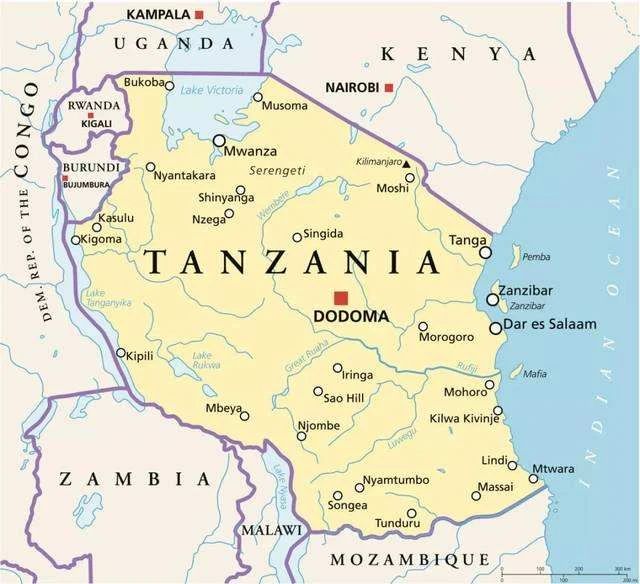
Tanzania’s coffee-growing history dates back to the early 20th century, when German colonists promoted the commercial cultivation of Arabica coffee, mainly concentrated in the Kilimanjaro mountain area. The first Arabica seeds originated from Réunion Island (then known as Île Bourbon, a French territory), initially planted in Bayamoyo and Mogoro, and achieved significant results on the slopes of Kilimanjaro starting in 1893. By the 1950s, varieties from neighboring Burundi were gradually introduced, further expanding Tanzania’s coffee genetic pool. Currently, about 75% of the country’s coffee is grown in high-altitude regions, and wild coffee plants are still occasionally discovered.
The Bourbon variety used in this coffee is a historically significant classic branch of the Arabica species, first cultivated on the island of Bourbon (now Réunion Island) before 1789 — hence the name. Bourbon coffee leaves are wider than those of Typica, with a denser canopy, and its yield per plant is about 30% higher than Typica. Its beans are slightly rounder and shorter in shape, exhibiting distinct berry acidity, a creamy body, and intense aroma. While the acidity is vibrant, it is relatively more susceptible to diseases.In addition to the common Red Bourbon, there are also variations such as Yellow Bourbon and Pink Bourbon, each with its own unique flavor expression.
In terms of processing method, this Tanzanian coffee is washed — the most common processing method in the region. The washed process is characterized by highlighting the coffee’s clarity of acidity and clean mouthfeel. By removing the pulp and fermenting to eliminate the mucilage, the final flavor becomes more pure. The specific process includes: first removing impurities, then stripping the pulp and outer skin, followed by placing the mucilage-covered coffee beans into a fermentation tank for approximately 18 to 36 hours. After thorough washing, the beans are dried. This method preserves the delicate flavors of the coffee while minimizing interference from impurities and undesirable flavors.
Tanzania’s coffee grading system is similar to Kenya’s, primarily based on the screen size (Screen Size) of the green beans — the higher the number, the larger the bean size. The AA grade is the highest, with a screen size of 17–18 (approximately 7.20mm). These beans are usually uniform in size and have a low defect rate, which helps achieve more stable extraction during brewing. The AB grade is 15–16 (6.8mm–6.2mm), the PB grade refers to peaberry beans, which make up about 10% of the total, while the C grade is smaller, with a screen size of 12–14 (4.8mm–5.6mm). The Kilimanjaro AA-grade coffee introduced in this article belongs to the highest-grade specialty beans.
For this Tanzanian Kilimanjaro AA coffee bean, it is recommended to use a V60 dripper for pour over. The V60’s wide opening combined with spiral ribs facilitates airflow and improves extraction efficiency. While the mouthfeel may not be as full-bodied, it can fully showcase the bright acidity, sweetness, and aromatic layers of the Kilimanjaro beans. Recommended parameters are as follows: water temperature controlled at 90–91°C, grind size similar to fine sugar (approximately 20-mesh sieve sifting to 80% extraction), a brew ratio of 1:15, and a coffee dose of 15 grams.
It is suggested to use a staged extraction method for pour over: start with a 30-second bloom using 30 grams of water, then pour in a small circular motion until reaching 125 grams and pause, wait for the water level to drop, then slowly pour up to 225 grams. The total brew time is about 2 minutes and 3 seconds (including bloom). These parameters balance acidity, sweetness, and body, presenting berry aromas, citrus-toned acidity, mid-palate nuttiness, and a honey-like aftertaste. The overall flavor is clear and well-layered.
In summary, Tanzanian Kilimanjaro AA coffee beans are a high-altitude specialty coffee that combines the aromatic qualities of the Bourbon variety with the clarity of the washed process, delivering a flavor profile that is bright, sweet, and rich in fruity notes. Whether you prefer fruity acidity or a clean mouthfeel, this African AA-grade washed bean is worth a try. Through this article’s exploration of the producing region, variety introduction, processing technique explanation, and pour over parameter suggestions, we hope to help you gain a deeper understanding and enjoyment of this uniquely flavored Tanzanian coffee.
The above content is compiled by CoffeeHunters, a coffee news website.


