







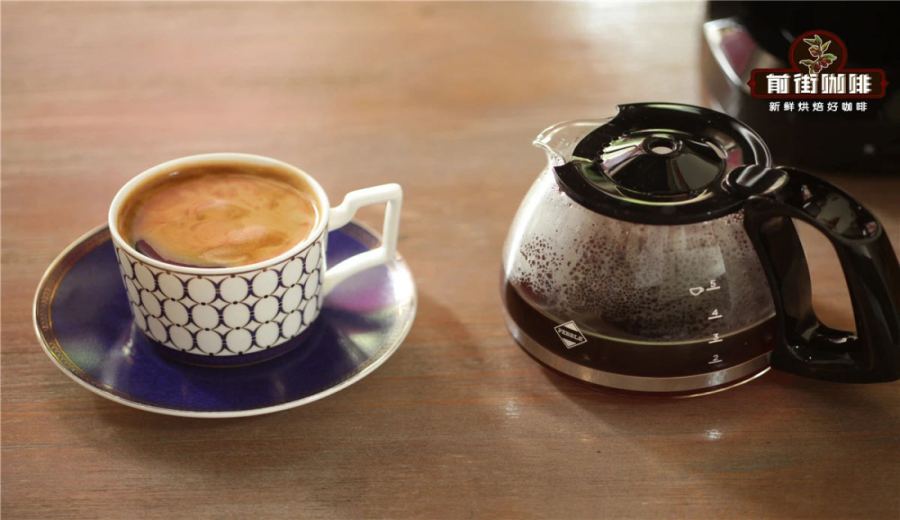
Introduction:As the most common black coffee beverage in the world, Americano has evolved from an improvised wartime concoction to a café staple today. Its simple yet versatile flavor profile has won widespread acclaim. This article delves into the history and market positioning of Americano, and offers professional recommendations on espresso extraction parameters and blend selection to help readers master the entire process—from bean selection to brewing—and craft their ideal cup of Americano.
Walk into any café, and the most frequently heard order is undoubtedly “an Americano.” This basic drink, made by diluting a shot of espresso with hot water, is not only a daily pick-me-up for many but also the go-to choice for those exploring the world of coffee. But have you ever wondered about the rich cultural evolution spanning time and space behind this seemingly simple beverage?
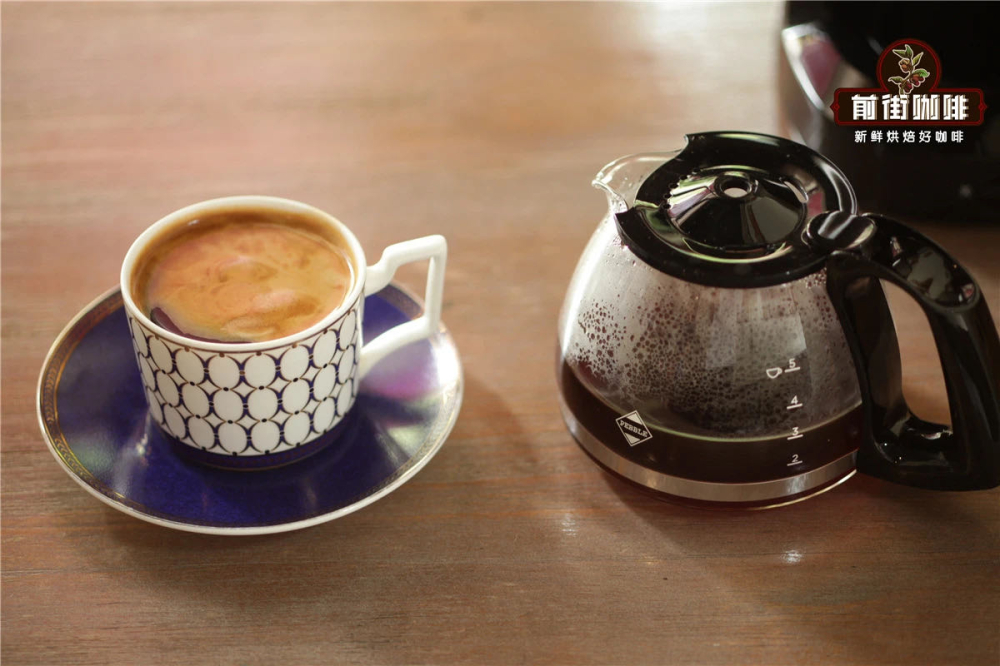
When it comes to memories of Americano, many people think of the elegant figure of Audrey Hepburn holding a coffee cup in the classic film Breakfast at Tiffany’s. That sense of casualness and freedom perfectly captures the charm of Americano—its strength adjustable to taste, its flavor profile diverse, making it suitable for waking up in the morning or perking up in the afternoon, adapting effortlessly to individual preferences.
Tracing the origins of Americano takes us back to the Italian battlefields during World War II. At the time, American soldiers found the local strong espresso hard to adjust to, so they came up with the idea of adding hot water to a small cup of espresso to dilute it. This improvised method not only solved the issue of the espresso being too intense but also unexpectedly created a new flavor. It gradually gained popularity among the troops and was brought back to the United States by soldiers after the war.

What truly propelled Americano onto the global stage was Starbucks’ international expansion strategy. In 1983, Starbucks founder Howard Schultz, during his visit to Italy, was deeply inspired by the local espresso culture and decided to bring this beverage experience back to the United States. He not only introduced espresso machines but also systematically organized various preparation methods, including Americano, making the once-niche Italian coffee culture more accessible. As Starbucks expanded globally, Americano gradually became a standard offering in cafés around the world.
Why has Americano surpassed other coffee categories to become the most widely consumed form of black coffee? Professional observations point to its key advantages: “adjustability” and “approachability.” Compared to the intense kick of espresso, Americano allows for adjustments in the coffee-to-water ratio to cater to different taste preferences, whether it’s light or dark roast, mild or bold. Additionally, in an era when specialty coffee was not yet mainstream, Americano’s relatively affordable price and consistent quality made it a gateway for many consumers to try black coffee.
In terms of bean selection, traditional Italian-style coffee often uses multi-region blends to ensure balanced and stable flavor profiles. Although single-origin espresso (SOE) has gained popularity in recent years, professional roasters still recommend using blends as the base for Americano. This is because blends skillfully combine characteristics from different regions, mitigating the impact of annual climate variations on the flavor of a single origin bean, thereby ensuring consistent extraction profiles.
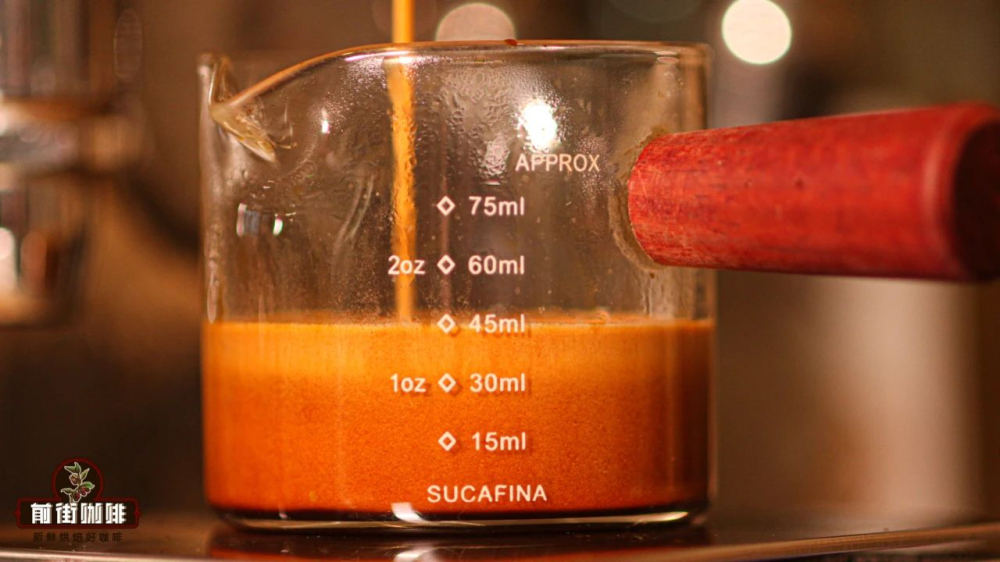
For home brewers, the following basic extraction parameters are recommended as a starting point: use 20 grams of medium-fine ground coffee, extract 40 grams of coffee under 9 bar pressure, with a brew time of 25–30 seconds. This 1:2 coffee-to-water ratio is suitable for most commercial and home espresso machines. After brewing, you can add hot water to make a regular Americano or ice to prepare an iced Americano, depending on your preference. Please note that actual performance may vary by machine, so it’s best to start with these parameters and then fine-tune based on the extracted flavors (such as acidity, sweetness, and aftertaste).
If you’re a beginner coffee enthusiast, consider starting with the following practical tips: First, observe whether the flow rate during extraction is even and if the golden crema layer covers the surface uniformly; second, pay attention to the flavor profile—a good Americano base should exhibit bright acidity and moderate sweetness; finally, record each adjustment and your sensory experience to gradually build your own brewing database.

Whether you’re looking for a convenient everyday drink or aiming to explore the diverse flavors of coffee, Americano offers great flexibility. From an improvised battlefield concoction to a café staple today, this simple black coffee carries a wealth of cultural significance and technical finesse, waiting for you to discover its nuances firsthand.
The above content is compiled by CoffeeHunters, a coffee news website.


