








Introduction:Do you only ever describe coffee as "good" or "it tastes like coffee"? Want to enhance your coffee perception skills and learn how to use professional vocabulary to describe the layers and charm of a cup of coffee? This article will take you deep into the five key elements of coffee tasting: aroma, taste, flavor, mouthfeel, and aftertaste. Through practical analysis and specific steps, it will help you build a clear tasting mindset, enabling you to confidently express your coffee experience—whether it's a pour over or any roast style.
Many beginners to specialty coffee often only say “good” or “it tastes like coffee” when facing a cup, while coffee enthusiasts around them can delicately describe the fruit acidity, floral notes, and body, as if they possess professional evaluation skills. But in fact, coffee tasting is not an innate talent—it’s a scientific method that can be gradually mastered through practice.
This article will systematically introduce how to taste coffee through five core steps—aroma, taste, flavor, mouthfeel, and aftertaste—to help you establish a complete sensory evaluation framework. You’ll learn how to transform your intuitive feelings about coffee into clear, accurate language descriptions, further enhancing your coffee drinking experience.
Step 1: Aroma — The First Step in Engaging the Senses
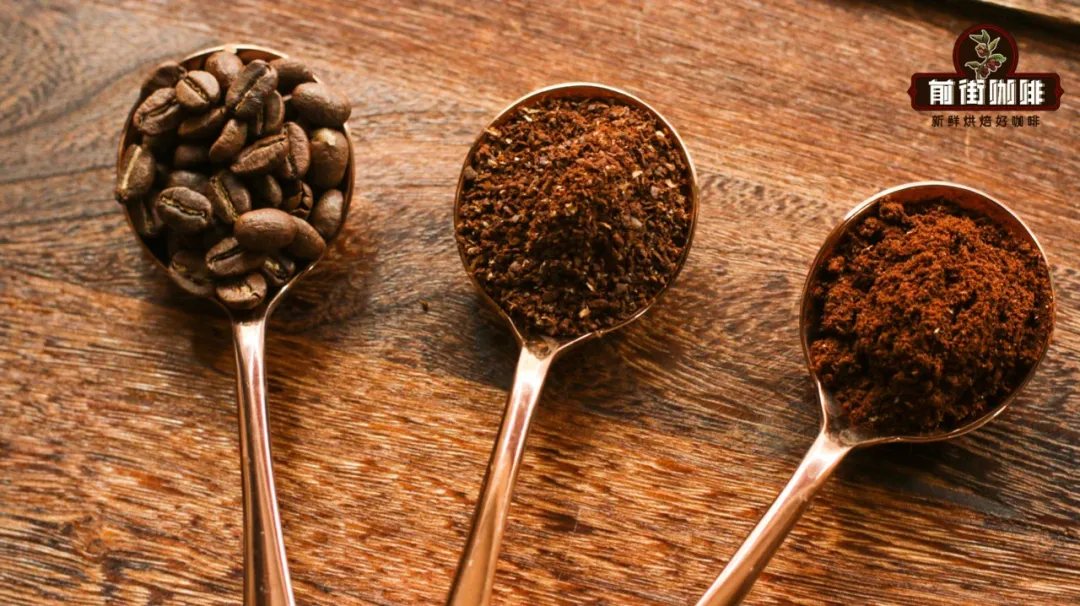
The aroma of coffee begins to release even at the grinding stage. When coffee beans are ground into powder, a large number of aromatic compounds that were sealed inside the beans are immediately released into the air. This is why many coffee lovers take a deep breath right after grinding to enjoy that unique dry aroma.
Aroma is divided into two main stages: dry aroma and wet aroma. Dry aroma refers to the scent emitted by coffee grounds before they come into contact with water. It is usually the most intense and vivid, and is the first step in aroma evaluation. When hot water is poured in, the wet aroma emerges. This aroma may be softer but often has more nuanced layers, helping to identify a richer range of aromatic notes.
Generally speaking,light to medium roasted coffee beanstend to have fresher aromas, such as floral, citrus, and berry notes—for example, common Ethiopian origin beans. Meanwhile,medium to dark roasted coffeedisplays more warm-toned aromas like caramel, chocolate, and spices, such as deep-roasted beans from Indonesia or Latin America. During the aroma evaluation process, you can choose appropriate descriptors based on the tone of the aroma, such as “rich,” “delicate,” or “warm,” to make your initial description.
Step 2: Taste — The Basic Perception of Four Flavors
When you start sipping coffee, the first thing you perceive are its basic tastes: acidity, sweetness, bitterness, and saltiness. These four tastes are directly distinguishable by the human tongue and form the foundation for evaluating a coffee’s flavor structure.
Among them, acidity is an extremely important aspect of coffee. Good acidity brings a bright, lively sensation—like the crispness of citrus acidity or the softness of berry acidity—while poor acidity might feel sharp, sour, or even hard to swallow. When tasting, it’s recommended to start by assessing the “texture” of the acidity: whether it is pleasant or discordant. Then you can further describe it using words like “bright,” “soft,” or “sharp.”

Step 3: Flavor — The Connection Between Scent and Memory
Flavor is the process of integrating taste and aroma, then connecting them with familiar foods or scents in your memory. It’s also the most fascinating part of specialty coffee tasting. This step requires you to associate the tastes in your mouth with the aromas captured by your nose—for example, citrus, honey, peach, or caramel—everyday flavors you’re familiar with.
Many people get stuck during tasting because they can’t link their experience to specific flavors, staying only at the basic level of acid, sweet, bitter, and salty. To improve in this area, it’s suggested to try coffees from different origins and processing methods, along with using a flavor wheel for practice, gradually building your own flavor memory bank. When you can comprehensively describe the combination of taste and aroma—like “bright citrus acidity” or “mellow caramel sweetness”—you’ve taken a further step in mastering flavor perception.
Step 4: Mouthfeel — The Tactile Experience on the Tongue
Mouthfeel refers to the “touch” sensation of coffee in the mouth. The commonly heard term “body” is used to describe the coffee’s thickness—the “weight” and “fullness” it presents on the tongue surface.
You can use different beverages as references: skim milk feels light like water, whole milk is richer and smoother, while cream feels extremely thick and velvety. Applying these sensations to coffee allows for a more intuitive understanding of different coffees’ body levels. High-body coffees, such as some medium to dark roasts or cold brews, offer a silky, coating sensation; low-body coffees are more refreshing, closer to the texture of water.
Step 5: Aftertaste — The Perfect Ending to Tasting
When you swallow the coffee, the tasting isn’t over yet. What follows is the experience of aftertaste. Also called aftertaste, it refers to the aroma and taste that lingers in the mouth after the coffee is swallowed, sometimes lasting several seconds or even longer.
The assessment of aftertaste includes two aspects:durationandaroma quality. Good coffee typically has a long aftertaste, indicating rich flavor compounds and a complete extraction. As for aroma quality, consider whether it leaves behind pleasant floral or fruity notes—or undesirable dryness or bitterness. For example, the ideal aftertaste of a light-roast pour over coffee might carry subtle floral or honey notes, perhaps even green tea, lasting over ten seconds. In contrast, an undesirable aftertaste might be brief and accompanied by discomfort.
Summary: Forming Your Coffee Language from Sensory Experience
Through these five steps—aroma, taste, flavor, mouthfeel, and aftertaste—you now have a grasp of the fundamental framework for tasting a cup of coffee. Each cup you drink is an exploration of the senses and a practice of language. Starting today, try to mindfully feel the details of every coffee and use more precise vocabulary to tell your own coffee story.
For example, a high-quality Green Label Geisha might emit citrus and green tea aromas when sniffed, deliver bright acidity with notes of berry, melon, and jasmine upon tasting, have a smooth and rounded mouthfeel, and leave an aftertaste that continues with delicate floral and honey notes. The overall profile is layered and lingering with a sweet finish.
This is not just about drinking coffee—it’s a deep dialogue with coffee itself.
The above content is compiled by CoffeeHunters, a coffee news website.


