







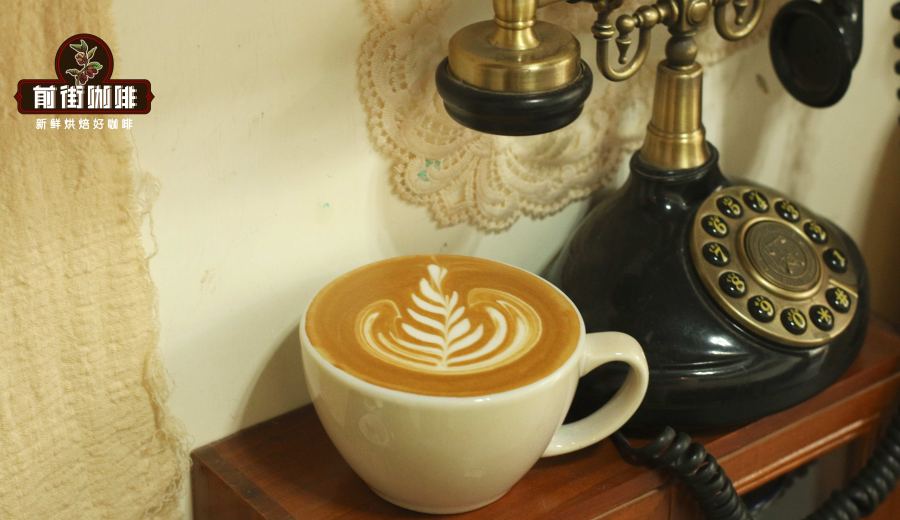
Introduction:Latte is not just coffee with milk—there’s an art to everything from bean selection to milk preparation. This article delves into the historical evolution of the latte, how different coffee beans influence its flavor, and provides key parameters for extracting espresso, ideal conditions for steaming milk, as well as classic coffee-to-milk ratios. Whether you’re a beginner looking to recreate a smooth latte at home or exploring why café offerings vary, this guide will help you master the core techniques.
Although a latte may seem simple, there are actually many details hidden in everything from coffee bean selection to milk handling. This article starts with the origins of the latte, detailing how different coffee beans affect its overall flavor, and recommends several espresso blends suitable for users of varying levels. It also provides complete recommended parameters for espresso extraction and standards for steaming milk. Whether you want to make a smooth latte at home or understand why café outputs differ, this article offers practical guidance.
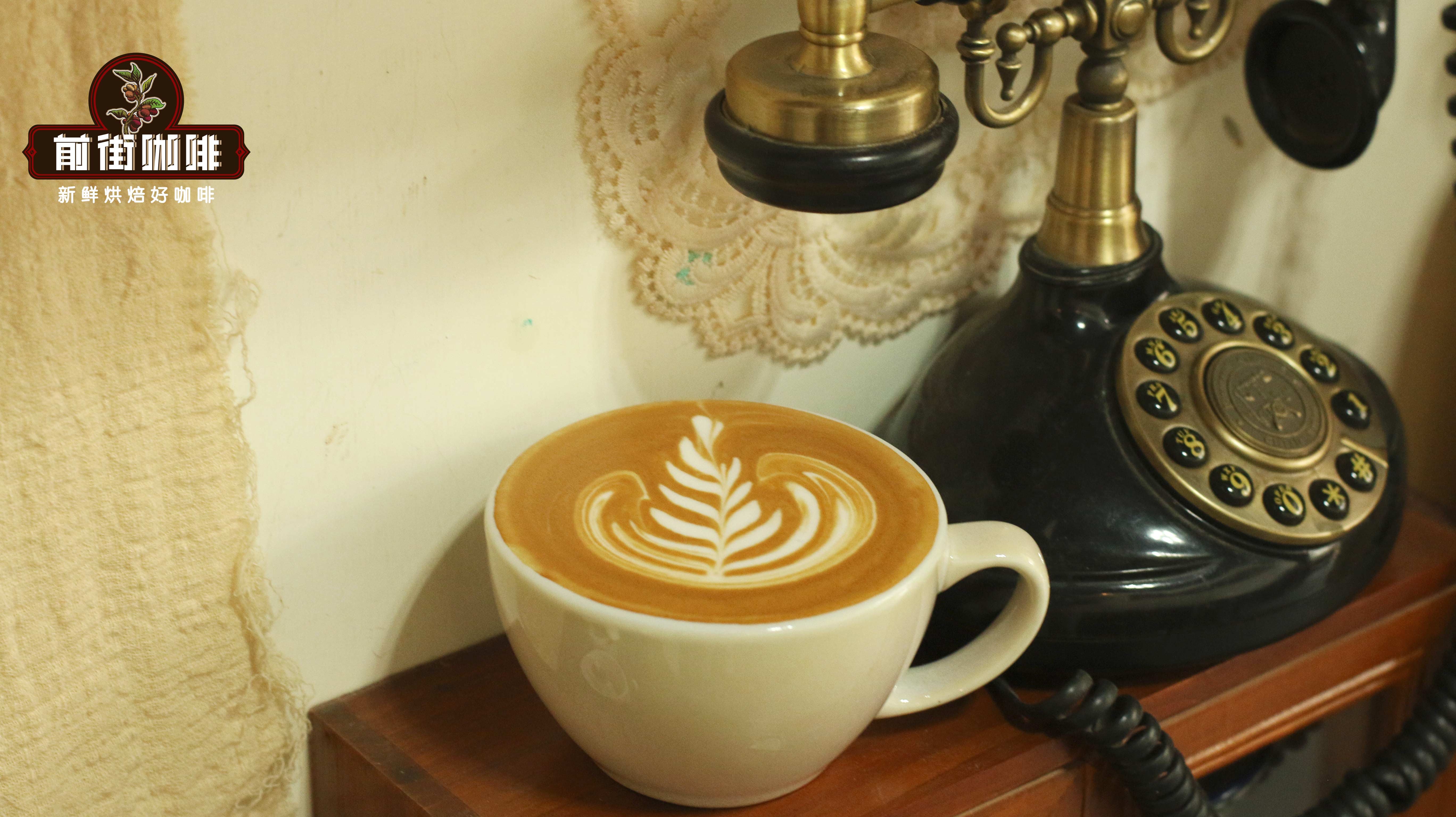
"Latte" means "milk" in Italian, so ordering a latte in Italy often just gets you a glass of plain milk. This shows that, in Italian tradition, a latte is essentially coffee with milk added. With the popularization of espresso machines and steam wands, heating milk became much easier, and the modern form of the latte gradually took shape. Then, in 1980s Seattle, USA, some baristas began using delicate milk foam to draw designs on the surface of coffee—that was the prototype of latte art.
Every café uses different espresso blends and different models of espresso machines, so lattes vary slightly in coffee-to-milk ratio, bean selection, and extraction settings. However, the essence of a latte remains a large amount of milk paired with a proper shot of espresso. The differences in coffee bean varieties are directly reflected in the flavor profile, and the type of milk also brings noticeable changes—even adjusting their ratio can significantly alter the overall feel of the drink.
This is precisely why the same type of espresso can taste different across cafés—it’s actually quite normal. However, as long as the espresso is extracted from high-quality espresso beans, the basic quality of the drink is already assured. Therefore, choosing the right coffee beans is the key.
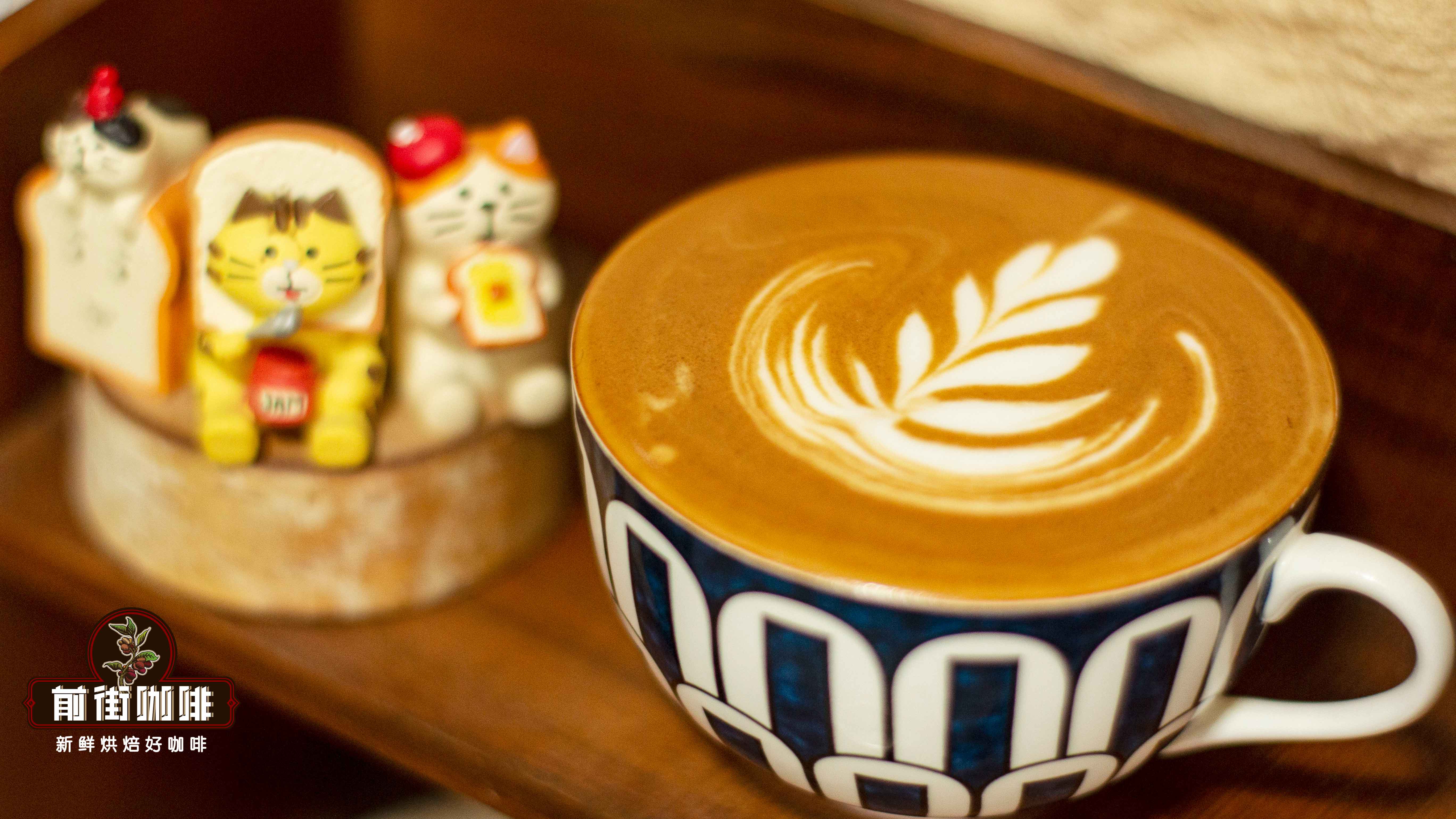
For those new to coffee, it’s recommended to start with espresso blends that offer balanced and stable flavors, such as classic medium-dark roast combinations. These beans are usually blended from multiple origins—for example, Mandheling from Indonesia, Red Bourbon from Brazil, and Robusta from Vietnam. Their darker roast level produces rich crema and relatively smooth extraction. In terms of flavor, they focus on buttery and chocolatey notes, which, when combined with milk, yield tastes akin to roasted nuts and cookies, while also making latte art easier to execute.
If you prefer a latte with prominent sweetness and lower bitterness, it’s advisable to avoid dark roasts and acidic light roasts, and instead opt for medium-roast beans. For instance, blends designed for those who enjoy floral and fruity notes might combine beans from Costa Rica, Colombia, and Ethiopia, offering aromas of rose, citrus, grape, and dried blueberry. When paired with milk, they produce a sweet sensation similar to strawberry taffy.
A smooth latte depends not only on the quality of the coffee but also crucially on the choice of milk. Compared to skim milk or room-temperature whole milk, chilled whole fresh milk contains more milk fat, protein, and carbohydrates, making it easier to control the thickness of the milk foam and allowing latte art patterns to hold up longer. Additionally, whole fresh milk feels smoother, richer, and more layered on the palate—this is the main reason most cafés choose to use it.
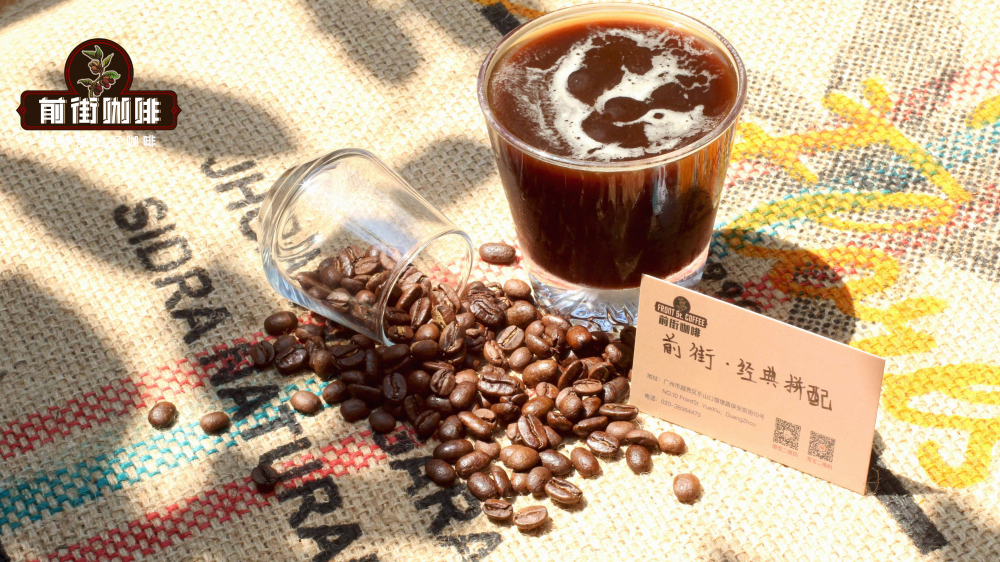
The recommended espresso extraction parameters for a latte are as follows: use 9 bar pressure, control the extraction temperature between 90.5–96°C, extract for about 20–30 seconds, with a coffee-to-water ratio of 1:2. Use 10 grams of coffee for a single shot and 20 grams for a double, yielding 20 ml (single) and 40 ml (double) of espresso liquid respectively. These parameters ensure the extracted coffee has sufficient richness and complexity, making it well-suited to be paired with milk.
For the milk, it’s recommended to use whole fresh milk, with the steaming temperature controlled between 50–60°C. If the temperature is too low, the lactose in the milk won’t fully release, resulting in insufficient sweetness; if it’s too high, it may damage the protein structure, leading to rough or grainy milk foam. The ideal milk foam thickness is 1 cm—thinner than this is typically used for flat whites, while thicker approaches the standard for cappuccinos.

The recommended ratio for a hot latte is 1:6 coffee to milk—for example, 40 ml of espresso paired with 240 ml of hot milk. Mix the milk and espresso evenly in a circular motion to complete your hot latte. When fresh milk is heated, the sweet molecules in lactose are more easily released, and when fully integrated with the espresso, it brings out the natural sweetness of the milk without masking the coffee’s flavor. Instead, it better highlights the layers and nuances of the espresso.
The above content is compiled by CoffeeHunters, a coffee news website.


