







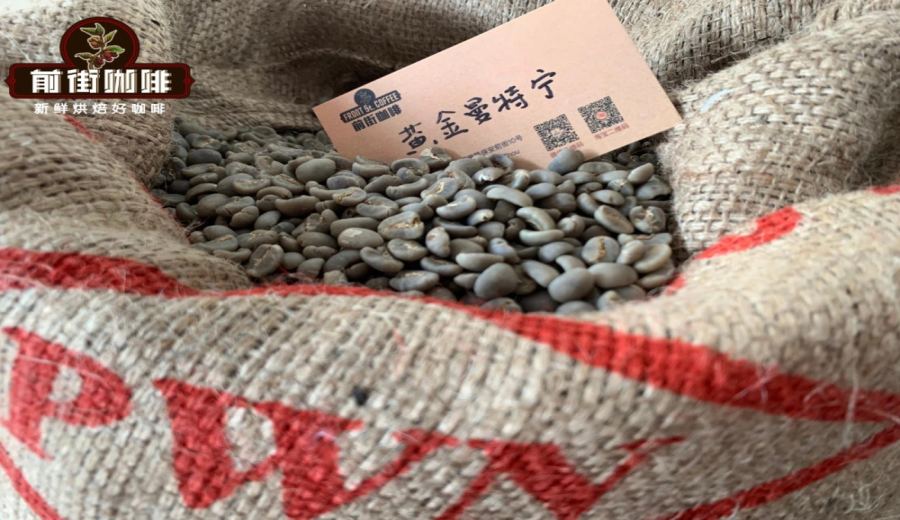
Introduction:PWN Golden Mandheling is regarded as one of the representatives of premium Indonesian coffee, backed by rigorous grading and selection processes as well as a unique wet-hulling processing method. This article will delve into the origin environment of this coffee bean, its green bean grading standards, the three rounds of manual hand-picking, and how medium-to-dark roasting brings out its rich and layered flavors. We will also provide professional pour over parameters to help you accurately reproduce the clean and mellow characteristics of classic Mandheling.
As a classic representative of Indonesian coffee, Mandheling has long been loved by coffee enthusiasts worldwide for its bold and rich flavors. Among the many Mandheling offerings, the Golden Mandheling produced by PWN not only enjoys high acclaim in the market but is also considered an important benchmark for premium-grade Indonesian coffee. This article will start with the terroir background of the Sumatra growing region, exploring the grading system of PWN Golden Mandheling, the process of three rounds of manual hand-selection, the characteristics of the wet-hulling method, as well as the cupping performance of this bean under medium-to-dark roasting. We’ll also offer practical pour over recommendations so you can brew a balanced and rich classic flavor at home.
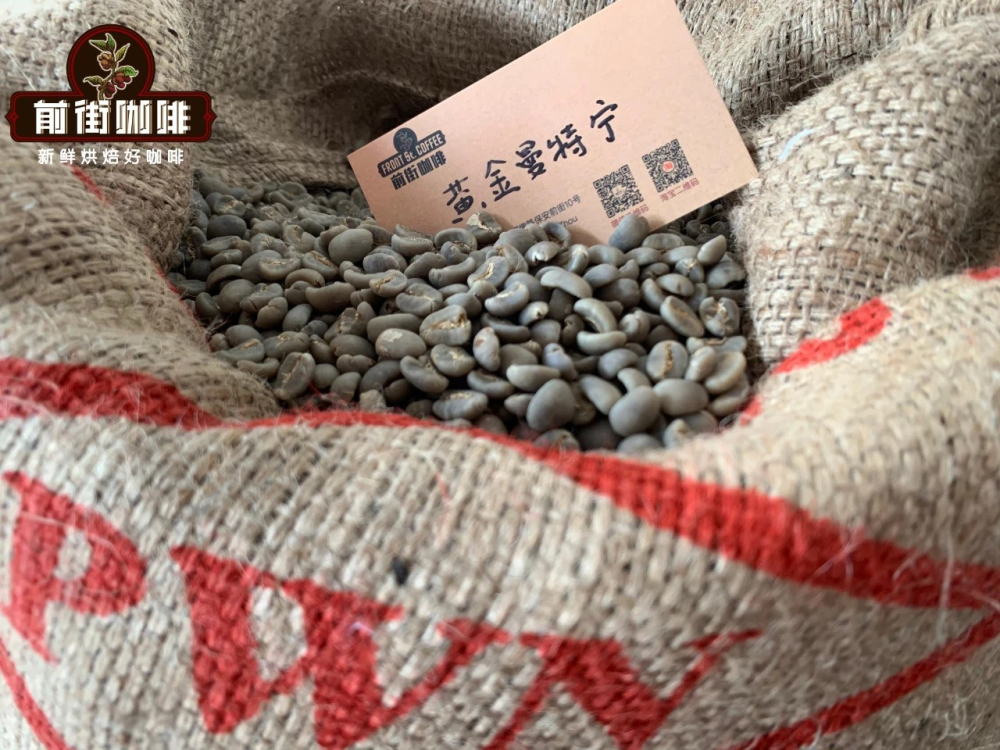
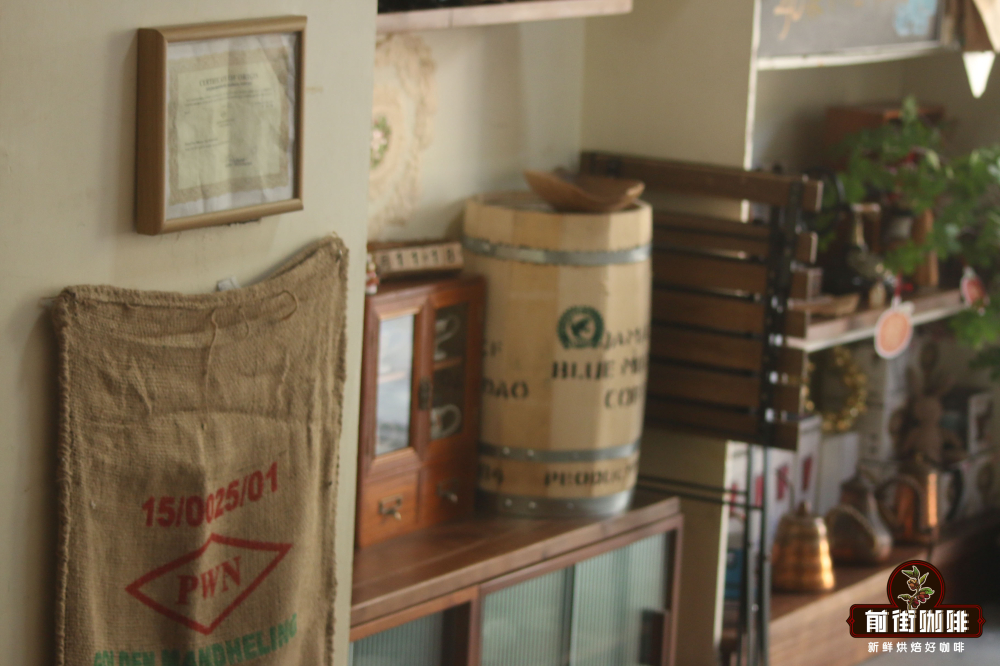
The so-called "Golden Mandheling" is actually a registered brand under Pwani Coffee Company (PWN). This name has been trademarked by the company, meaning that only Mandheling beans produced by PWN and labeled as "Golden Mandheling" can be considered the authentic Golden Mandheling. To verify whether the beans are from the official source, you can check if the green bean jute sacks have a clear PWN logo and are accompanied by official origin certification documents. In addition, many coffee shops also openly display this information to help consumers identify genuine products.
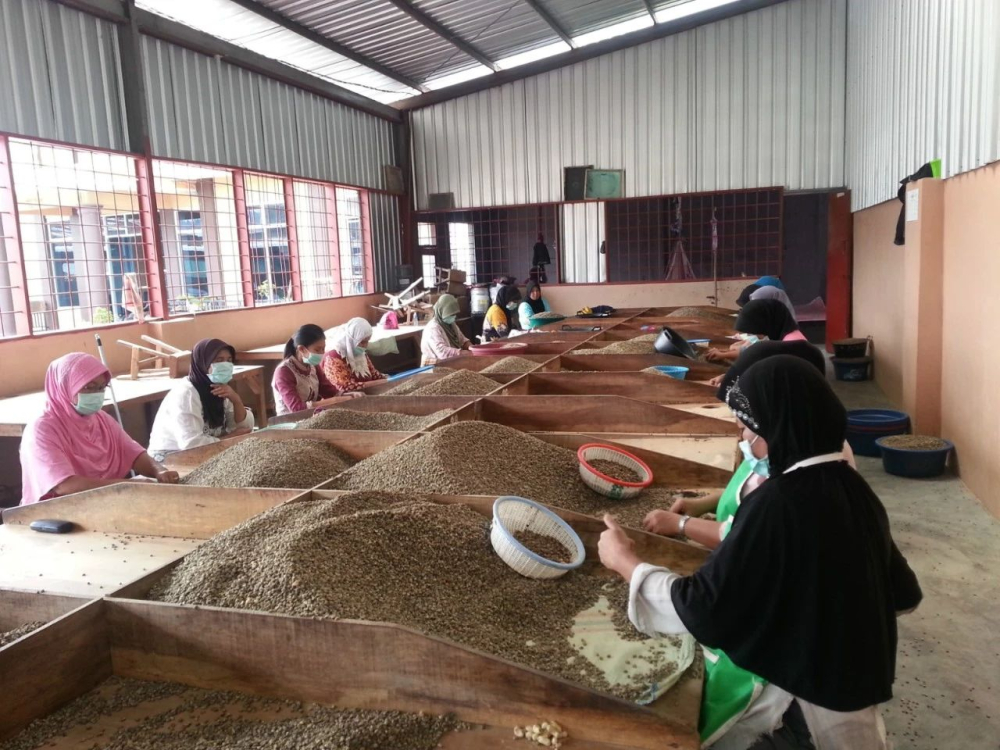
Golden Mandheling belongs to the highest grade G1 in the Indonesian green bean grading system, which typically requires no more than 11 defective beans in a 300-gram sample. However, PWN goes a step further by performing three additional rounds of manual hand-selection on the purchased G1-grade green beans, significantly reducing the defect rate and improving overall cleanliness and consistency. These three rounds of hand-picking not only remove off-color beans and insect-damaged beans but also eliminate impurities that may affect flavor, resulting in green beans that are not only large and uniform in appearance but also notably brighter in color.
Sumatra, as the main producing region of Golden Mandheling, has geographical and climatic conditions that play a decisive role in shaping the coffee’s flavor profile. The island mostly features a tropical rainforest climate, with year-round high temperatures, high humidity, and pervasive fog—especially in the high-altitude areas of Aceh and North Sumatra, which are ideal for growing Arabica coffee. These regions are often located around volcanic lakes such as Lake Tawar and Lake Toba, where the soil is fertile and rich in minerals. Additionally, some areas practice organic cultivation, producing coffee that often carries intense and distinctive regional characteristics. Pwani Coffee Company (PWN) has chosen to establish purchasing bases in such environments to ensure a stable and high-quality supply of raw materials.
When it comes to Mandheling, one cannot overlook its most iconic processing method—the wet-hulling process. This method differs from traditional washed processing and was primarily developed to adapt to Indonesia’s high-humidity environment, effectively shortening the drying time. The steps of the wet-hulling process are roughly as follows: first, the skin and pulp of the coffee cherry are removed, followed by a short fermentation period. Then, the beans are partially dried with some mucilage still attached. Once the beans reach a semi-dry state, the parchment layer is removed, and the beans are further dried until the moisture content reaches about 12%. This method helps preserve rich aromatic compounds, but due to the high humidity during processing, improper control can easily lead to off-flavors such as herbal, woody, or spicy muted notes.
To fully showcase the potential of Golden Mandheling, most roasters opt for medium-to-dark roasting, which helps reduce overly high acidity and enhances the rich mouthfeel and overall balance. In cupping sessions, this coffee often presents fresh aromas of spices and herbs, along with the gentle tones of pine and nuts. Upon tasting, one can perceive intense dark chocolate and caramel flavors, with a natural fruity sweetness in the aftertaste. The overall profile is well-layered, clean, and boasts a long-lasting finish.
If you’re preparing to brew this medium-to-dark roasted Golden Mandheling at home, we recommend using the following parameters to bring out the best chocolatey and full-bodied flavors: use a Kono filter, with water temperature controlled at 88°C, coffee dosage of approximately 15 grams, a 1:15brew ratio of 20-mesh sieve extraction rate of 70–75%, slightly coarser than light roast beans. For specific brewing steps, start with 30 grams of water for a 30-second bloom, then pour in a small circular motion until reaching 125 grams for the first pour, wait for the water level to drop before pouring again up to 225 grams, and finally remove the filter just before the water runs out. The total extraction time is about 2 minutes. This method effectively controls extraction uniformity, avoids over-release of bitter compounds, and highlights the coffee’s richness and sweetness.
The above content is compiled by CoffeeHunters, a coffee news website.


