







Introduction:Jamaican Blue Mountain coffee is renowned for its unique flavor and rare production, yet the market is riddled with counterfeits and price confusion. This article delves into the origin characteristics and annual production background of Blue Mountain coffee, compares the pros and cons of various purchasing channels — from authorized agents to bulk beans — helping you find genuinely worthwhile authentic Blue Mountain coffee, understand how to identify its flavor profile, and avoid common purchasing misconceptions.
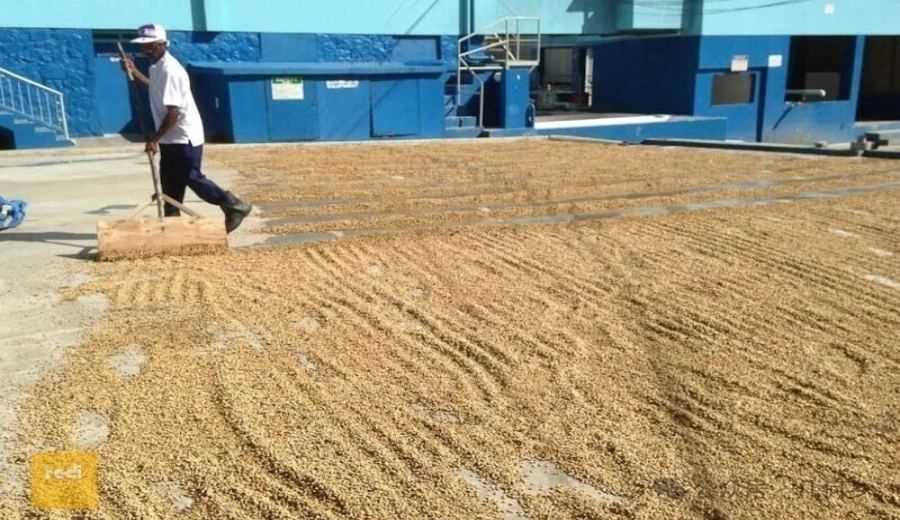
Jamaican Blue Mountain coffee is grown in the Blue Mountain region at altitudes as high as 2,256 meters. The area boasts fertile volcanic soil, stable rainfall, moderate temperatures, and sunlight, all of which contribute to the coffee’s delicate and complex flavor. However, its annual production does not exceed 2,500 tons, and due to historical reasons, the vast majority of high-quality beans have long been purchased by Japan’s UCC, resulting in tight global supply — especially scarce in other markets.
In the early days, due to the lack of formal import channels in Taiwan and mainland China, many consumers struggled to obtain genuine products, leading to a market flooded with imitations and misinformation. For instance, claims such as “you can’t buy real Blue Mountain coffee in Taiwan at all” or “all Blue Mountain coffee is fake” were once widely circulated. However, with the gradual establishment of authorized agents and diversified import models, purchasing genuine Blue Mountain coffee is no longer difficult today — though careful selection remains essential.
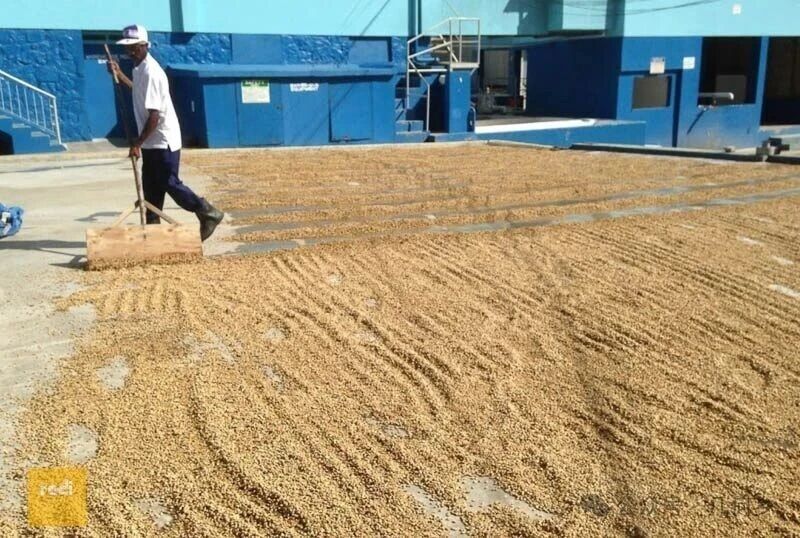
Blue Mountain coffee is graded by quality, with No. 1 being the highest grade. These beans are whole, with an extremely low defect rate, making them ideal for coffee enthusiasts who seek pure flavor. This grade is typically medium to dark roasted to highlight a balanced acidity and sweetness, along with complex layers of nuts, chocolate, and creamy caramel. It holds great value whether for personal brewing or as a gift.
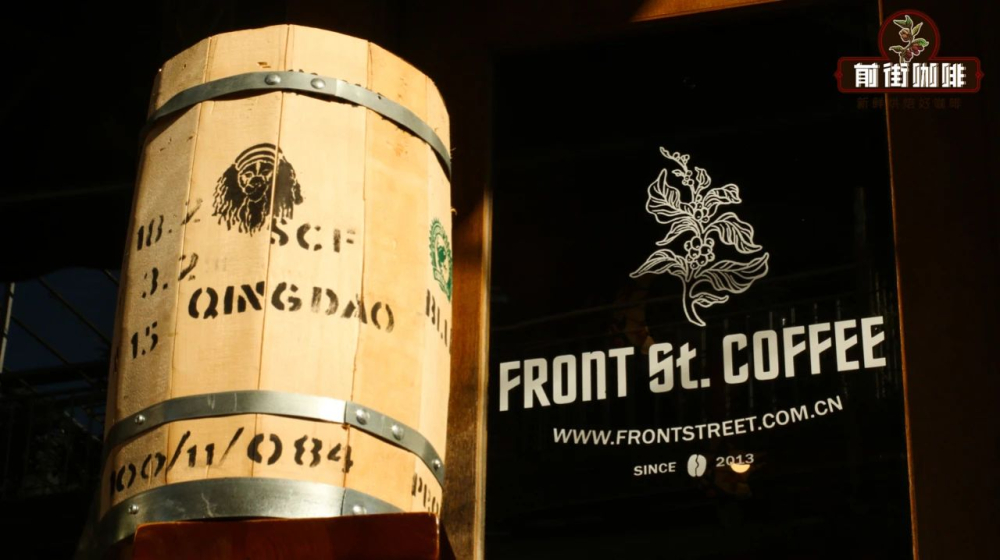
Among the various purchasing options, the Jamaican Blue Mountain No. 1 offered here is a top recommendation among many professionals. This Blue Mountain coffee not only comes with complete certification documents, but also includes the original shipped green bean wooden barrels, ensuring source transparency. Its roast level is moderate, fully showcasing the distinctive richness and delicate aroma of Blue Mountain coffee, and is well-suited for appreciation via pour over or siphon brewing methods.
If considering Japan’s UCC Blue Mountain coffee, although it does not display a CIB certification mark, it still enjoys a certain reputation in the Japanese market. However, this product is relatively rare in Taiwan and mainland China, usually obtained through purchasing agents or Japanese online shopping. According to market rates, the UCC Blue Mountain No. 1 typically costs over 400 RMB per 100 grams when purchased via agents, while some UCC Blue Mountain blends (of relatively lower grade) sold in Hong Kong retail for around 170 HKD (for 250 grams).
Bulk Blue Mountain coffee is also sold on platforms such as Taobao, often priced at only about a quarter of that of brands like UCC. However, buyers should pay special attention to the seller’s credibility and try to request to see the origin certificate, as these bulk beans are usually repackaged from standard 70-kilogram wooden barrels — each of which should originally come with official origin documentation.
For those seeking a more formal purchasing channel, consider authorized agents such as Dan Shui Rui. The grades and prices of their Blue Mountain coffee generally align with international market standards and offer higher reliability. Additionally, some consumers opt to travel to Hong Kong, Macau, or even Jamaica to purchase directly. For example, in Hong Kong’s AEON or TATA Coffee in Central, one may find Blue Mountain coffee accompanied by official certificates.
For bulk purchasers, it’s also possible to buy Blue Mountain No. 1 green beans through green coffee bean traders. The unit price is relatively more economical compared to roasted beans, with prices potentially under 500 RMB per kilogram (though minimum order quantities are typically very high). The standard wooden barrel holds 70 kilograms and includes a complete origin certificate. In theory, it can yield over 6,000 cups of coffee, but green beans have a shelf life of only about one year — it is recommended to roast and consume them as soon as possible after purchase.
Regarding pricing, the market offers an extremely wide range for Blue Mountain coffee, varying from tens to hundreds of RMB per 100 grams. Common products labeled as “Blue Mountain flavor” or “Blue Mountain blends” often further add to the confusion. When purchasing, consumers should pay particular attention to whether the product is labeled as “No. 1” grade and confirm the presence of relevant certifications or certificates from the Jamaica Coffee Industry Board (CIB), to avoid buying products that pass off lower-grade beans as premium.
In summary, purchasing Jamaican Blue Mountain coffee requires not only understanding its origin characteristics and market conditions, but also choosing trustworthy purchasing channels and learning how to identify legitimate certifications and origin information. Only in this way can one truly experience the unique flavor and quality appeal of this world-class coffee.
The above content is compiled by CoffeeHunters, a coffee news website.


