







Introduction:Want to understand what makes genuine Jamaican Blue Mountain coffee truly special? This article provides an in-depth analysis of the coffee’s geographical environment, Typica variety characteristics, traditional washed processing method, and rigorous grading system. It also offers expert advice on roasting and pour over brewing, covering everything from flavor profiles to practical extraction parameters, to help you fully appreciate the essence of this premium coffee.
Renowned for its delicate aroma and balanced flavor, Blue Mountain coffee is hailed as one of the finest coffees in the world. However, the market is flooded with many products claiming to have a “Blue Mountain flavor,” which actually have no connection to authentic Blue Mountain coffee. True Blue Mountain coffee is grown exclusively in the Blue Mountains of Jamaica, uses the Typica variety, and is meticulously processed using the traditional washed method. It is further divided into multiple grades based on altitude and green bean conditions. This article will take you from the origin to your cup, covering the full spectrum of Blue Mountain coffee — from cultivation and processing to grading and brewing secrets.
What is genuine Blue Mountain coffee?
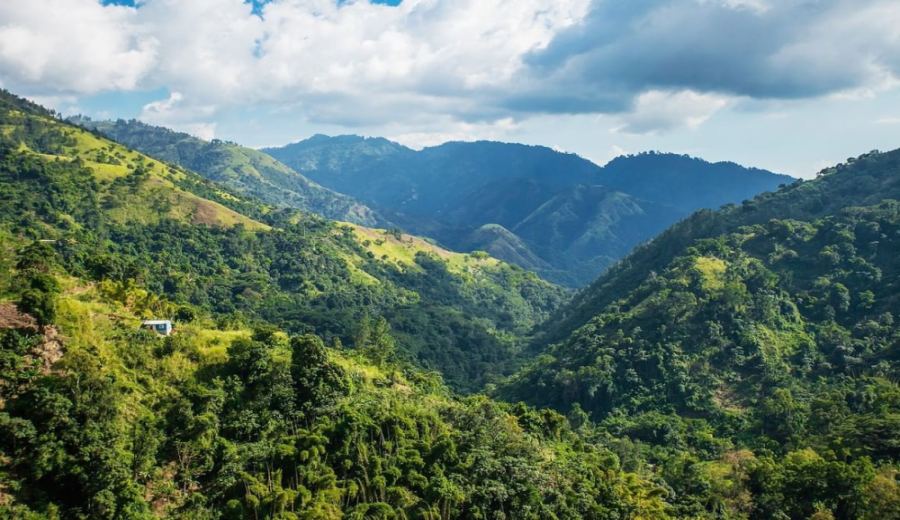
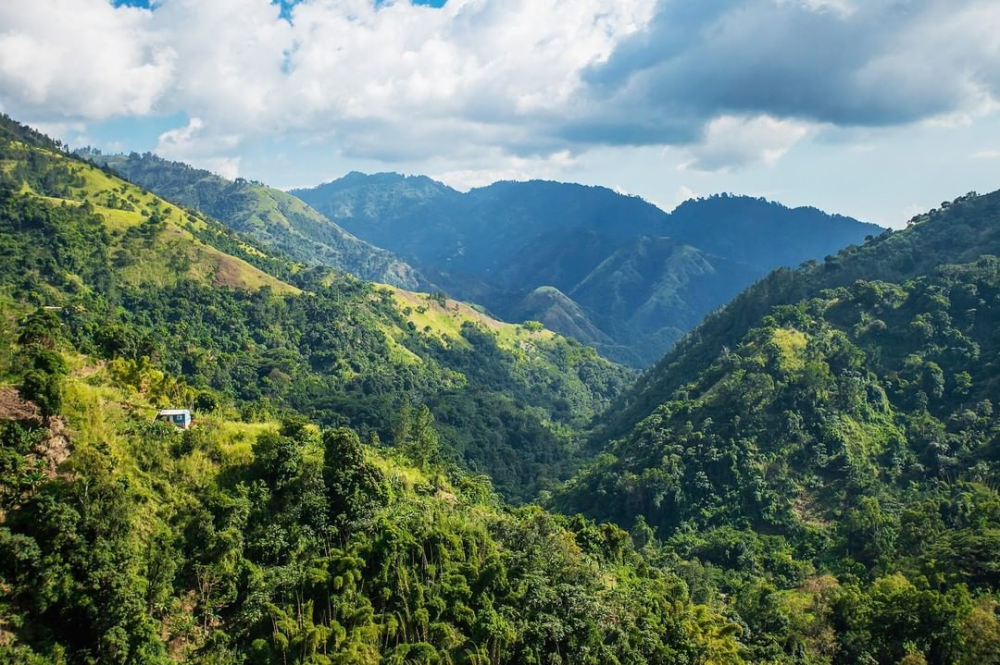
The fame of Blue Mountain coffee stems from its exceptional growing environment. The coffee is grown in the Blue Mountains of eastern Jamaica, where the main peak reaches an elevation of 2,256 meters, making it the highest point in the entire Caribbean region. This area lies within the coffee-growing "golden belt" around 25 degrees north latitude and enjoys a tropical rainforest climate with abundant rainfall, high air humidity, and frequent mountain mist throughout the year. The mountainous terrain features well-drained slopes, ample sunlight during the day, cool nights, and fertile volcanic soil — all of which provide ideal conditions for coffee trees.
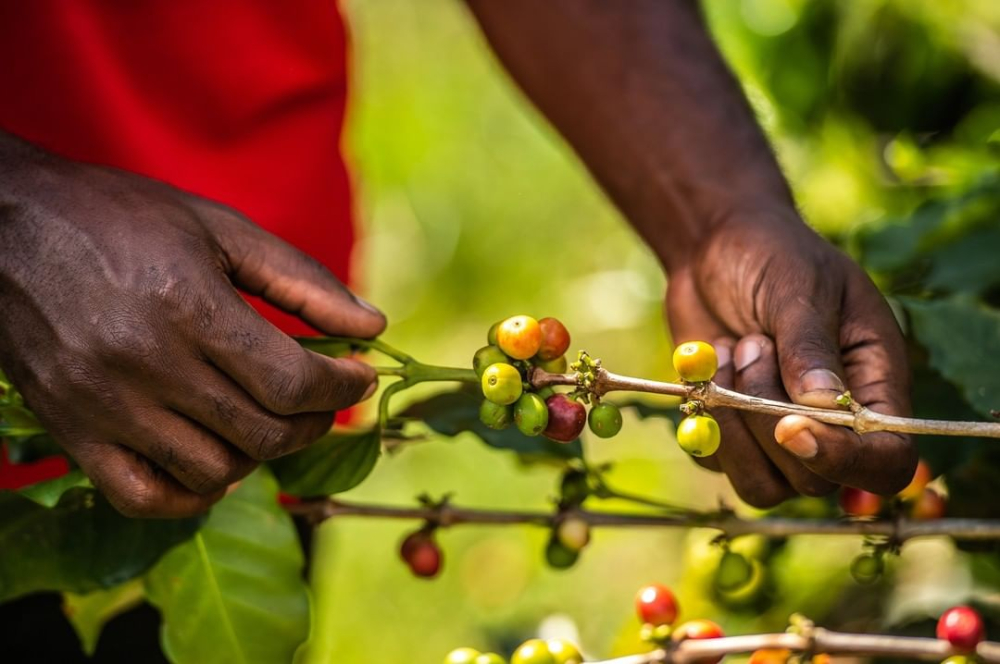
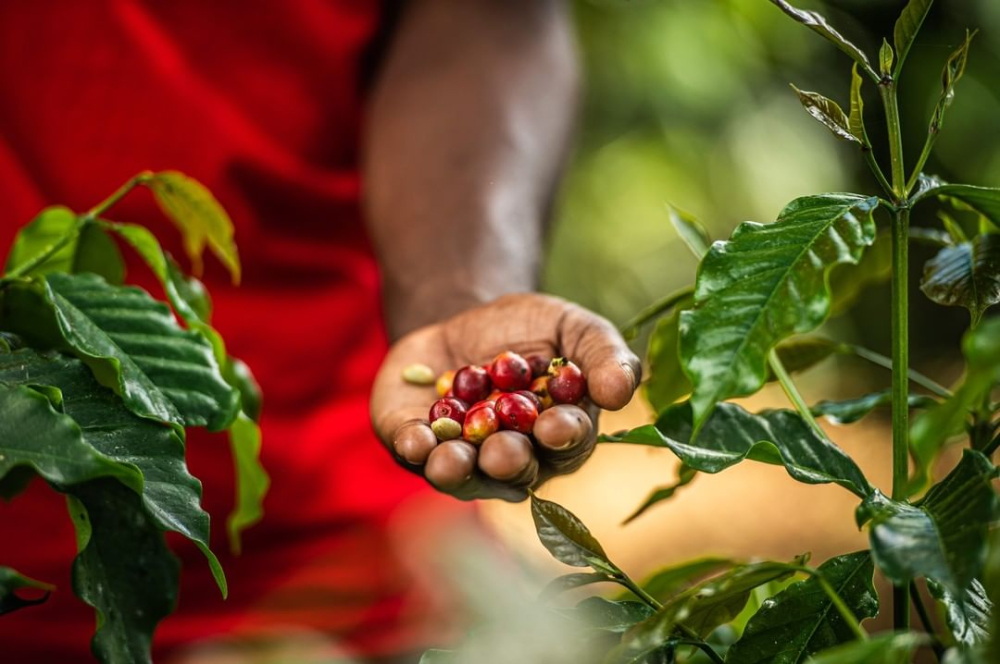
The main harvest season for Blue Mountain coffee runs from June to November each year. Local farmers typically hire experienced women who are familiar with the mountainous terrain to handpick only perfectly ripe coffee cherries, ensuring the high quality of the raw materials.
Typica Variety: The Soul of Blue Mountain Coffee
The variety used in Jamaican Blue Mountain coffee is Typica, an historic Arabica species known for its pure and elegant flavor. Typica trees grow tall, and their top leaves exhibit a copper-red color, hence the nickname “red-top coffee.” Although the variety delivers outstanding flavor performance, it grows slowly, has weak disease resistance, and produces low yields, leading to a gradual decline in planted area today.
Typica was introduced to the Blue Mountain region of Jamaica in the 18th century. Over time, it adapted to the local island climate and diseases such as coffee berry disease, developing stronger resistance — one of the key reasons why Blue Mountain Typica can express its unique flavors. It’s important to note that if Blue Mountain Typica is transplanted to other regions, its original sweet and fragrant characteristics are difficult to replicate.
Traditional Washed Processing: Creating a Clean Flavor
According to a coffee team, the reason Blue Mountain coffee has become a representative of specialty coffee is inseparable from its commitment to using the Typica variety and the traditional washed processing method. Although some estates now offer small amounts of naturally processed Blue Mountain coffee, washed processing remains the preferred method to showcase the classic flavors of Blue Mountain. For those trying Blue Mountain coffee for the first time, it is recommended to start with the washed version.
The washed processing procedure includes: manually selecting ripe coffee cherries, removing the pulp, fermenting them for 12 to 18 hours, thoroughly washing to remove the mucilage layer with clean water, and then evenly spreading the semi-dry beans to dry naturally. Each step is strictly controlled to ensure the purity of the final beans and the consistency of flavor. Washed processing not only reduces impurities and off-flavors but also helps highlight the clarity and layered complexity of Blue Mountain coffee.
The Rigorous Grading System of Blue Mountain Coffee
In 1953, Jamaica established the Coffee Industry Board (CIB) to develop and enforce quality standards for coffee exports. According to CIB regulations, the grading of Blue Mountain coffee is primarily based on planting altitude, bean size, and defect rate.
In short, only coffee grown at altitudes between 910 and 1,700 meters qualifies to be called “Jamaican Blue Mountain Coffee.” Coffee grown below this altitude is classified as “Jamaican High Mountain Supreme Coffee” or “Jamaica Prime Coffee.”
Within the category of Blue Mountain coffee, there are further subdivisions into four grades based on bean size and defect rate, among whichBlue Mountain No. 1 is the highest grade, requiring a bean size of 17/18 mesh, a defect rate of no more than 2%, a moisture content of about 13%, and uniformly plump beans. A certain coffee shop sources its Blue Mountain No. 1 from the Clifton Estate, not only implementing extremely strict bean selection but also using specially made wooden barrel packaging to protect the beans from air and moisture during transport, maintaining optimal bean condition. Every batch of Blue Mountain coffee must pass a flavor inspection by the CIB before export.
Flavor Characteristics and Roasting Recommendations for Blue Mountain Coffee
From cultivation and harvesting to processing and grading, every stage of Blue Mountain coffee is rigorously controlled, and roasting is the key factor influencing the final flavor profile. To bring out the classic finesse and balance of Blue Mountain coffee, some roasters often opt for a medium-dark roast. This level of roasting gives the beans a slight caramelization on the surface, emitting an enticing baked bread aroma while preserving the soft acidity and rich layers unique to Blue Mountain.
To ensure consumers enjoy Blue Mountain coffee at its freshest, beans from a certain brand are shipped within five days of roasting, guaranteeing that customers receive them at the peak of freshness.
Practical Pour Over Parameters for Brewing Blue Mountain Coffee
When brewing Blue Mountain coffee at home, it is recommended to use a hand grinder. You can hear the crisp and consistent sound of Blue Mountain beans being ground — one of the hallmarks of high-quality green beans. The ground Blue Mountain No. 1 beans often exude a rich aroma of nuts and biscuits.
To fully appreciate the refined flavors of Blue Mountain coffee, it is suggested to enjoy it as black coffee, avoiding milk and sugar that could mask its delicate layers. For extraction, the practical parameters from a certain coffee shop are as follows: using a KONO filter, water temperature around 88°C, a coffee-to-water ratio of 1:15 (i.e., 15g of coffee grounds to 225ml of water), and a grind size set to 75% passing through a 20-mesh sieve. A three-stage pouring method is employed: starting with a 30-second bloom using 30g of water, followed by slow, circular pouring centered around the coffee bed up to 125g for the first pour, then waiting for the coffee bed to lower before pouring up to 225g, and finally allowing the drip to complete.
These parameters take into account that Blue Mountain No. 1 is roasted to a slightly darker level, resulting in higher water absorption by the coffee grounds. Therefore, a coarser grind and slightly lower water temperature are chosen, and the slower flow rate of the filter design enhances extraction stability and mouthfeel richness. The result is a cup of Blue Mountain No. 1 coffee that often presents notes of dark chocolate richness, caramel sweetness, and soft acidity, with all flavor elements harmoniously blended. The texture is smooth and full-bodied, perfectly interpreting the classic charm of Blue Mountain coffee.
The above content is compiled by CoffeeHunters, a coffee news website.


