








Introduction:Espresso is not only an important symbol of Italian dietary culture but also a common language among coffee lovers worldwide. This article will take you on an in-depth exploration of the evolution of Espresso from the steam-powered era to the present day, analyzing how it has transformed from an exclusive beverage for the nobility into the core offering of modern cafés. It also provides a detailed introduction to the characteristics of four commonly used espresso blends along with practical selection advice, helping you choose the most suitable coffee beans whether brewing at home or running a café.
Espresso can be regarded as the soul of Italian coffee culture, with its rich and mellow qualities winning over countless coffee enthusiasts. From being considered the “devil’s drink” in the early 17th century to becoming an indispensable staple in cafés today, the evolution of Espresso is inseparable from Italians’ continuous innovation in coffee machine technology. This article will comprehensively outline the technological advancements of Espresso from steam power to lever extraction, interpret Italians’ unique emotional connection to espresso, and feature four classic espresso blends, detailing their flavor profiles and applicable scenarios to help readers find their ideal choice for home brewing or café operations.
 Italian coffee is as intense and passionate as Italians themselves, and it has long secured a prominent place on the global coffee map. Among them, none is more representative than Espresso. The English-speaking world borrowed the term “Espresso” precisely to emphasize its characteristic of rapid extraction. This type of coffee initially gained popularity in Southern European regions such as Italy, France, and Spain, before gradually spreading to the Americas and becoming a beloved mainstream beverage. Even in the UK, where black tea dominates, the captivating aroma of Espresso can easily be detected on the streets.
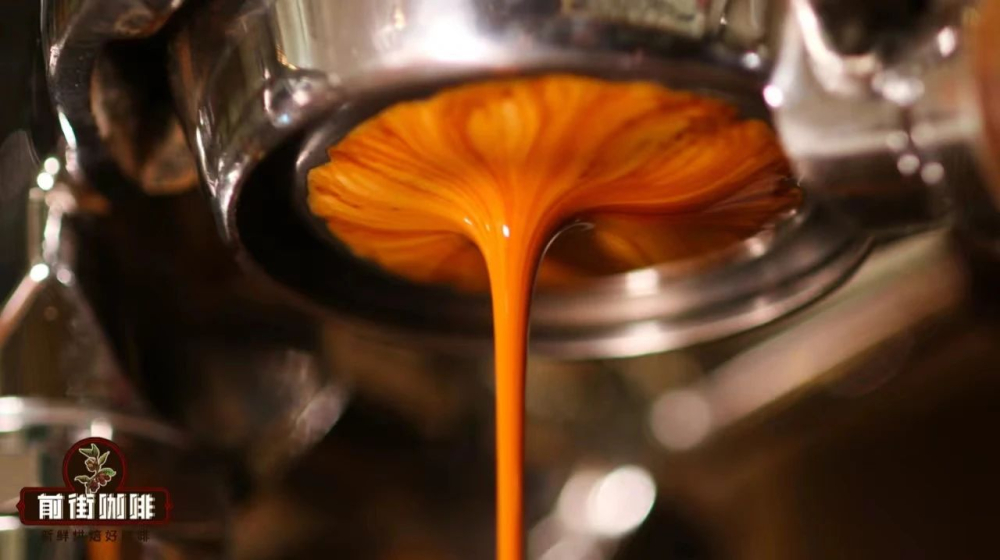 The history of coffee in Italy is long-standing. As early as 1580, coffee beans from Africa and the Middle East were introduced to Italy through the port of Venice, though they were still the exclusive domain of the aristocracy. Since coffee originated from the Middle East and the Ottoman Empire, it was considered to have a “Muslim beverage” background, leading many Christian Italians to jokingly call it the “devil’s drink.”
It wasn’t until the early 17th century that Pope Clement VIII took a great interest in this black liquid. Not only did he personally perform a symbolic baptism for coffee, but he also bestowed upon it the esteemed title of “the drink of God,” officially incorporating it into the dietary culture of Christians. In 1645, Europe’s first specialty coffee shop opened in Rome, also the earliest coffee-only store in Italy. From then on, coffee culture rapidly spread throughout Italy.
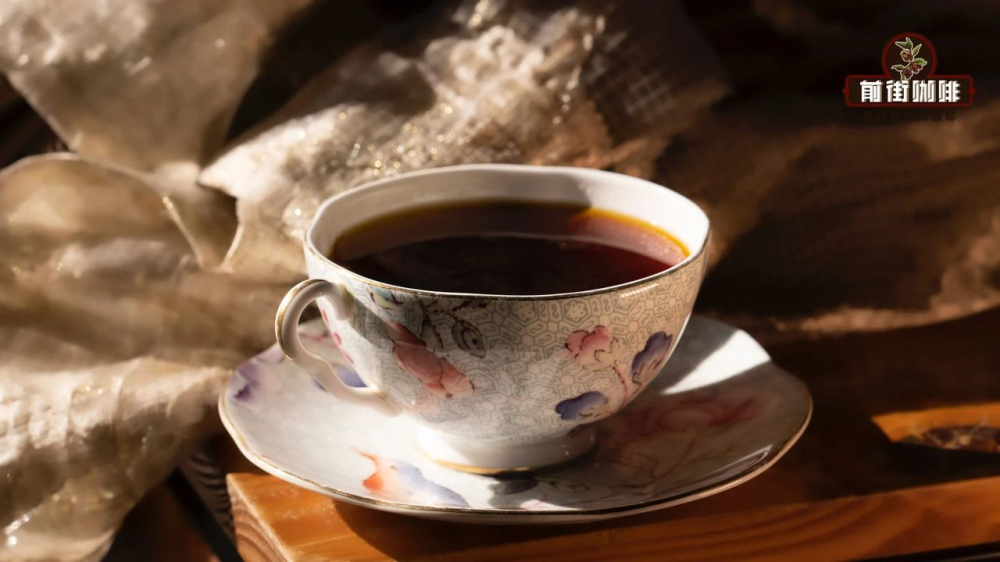 Italians’ contributions to coffee go beyond flavor innovation—they are also reflected in groundbreaking inventions in coffee equipment. In the early days, people used traditional Turkish pots for hand brewing, a process that was cumbersome and required additional filtering. With the arrival of the Industrial Revolution, efficiency became paramount, and Italians actively sought faster methods of extraction.
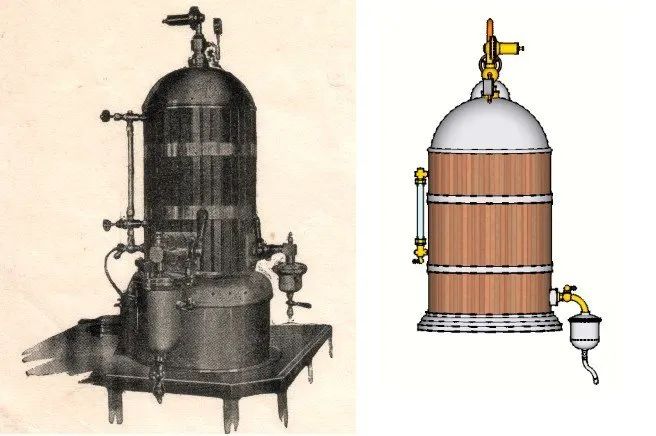
In 1884, Angelo Moriondo from Turin successfully applied for the first patent for a steam-powered coffee-making machine. However, this device relied entirely on steam heating, making temperature control difficult, often resulting in burnt and bitter flavors, and overall poor taste. It underwent repeated improvements by various individuals before gradually being refined.
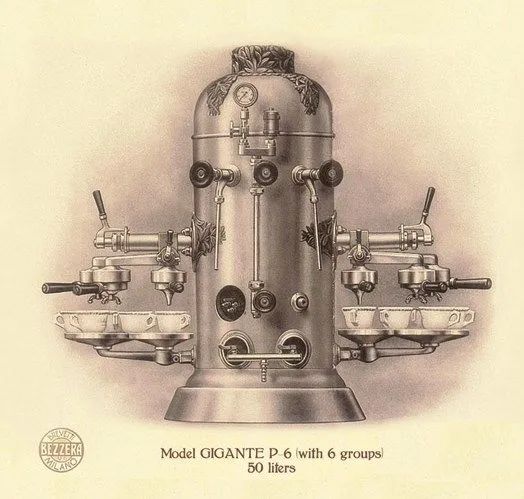
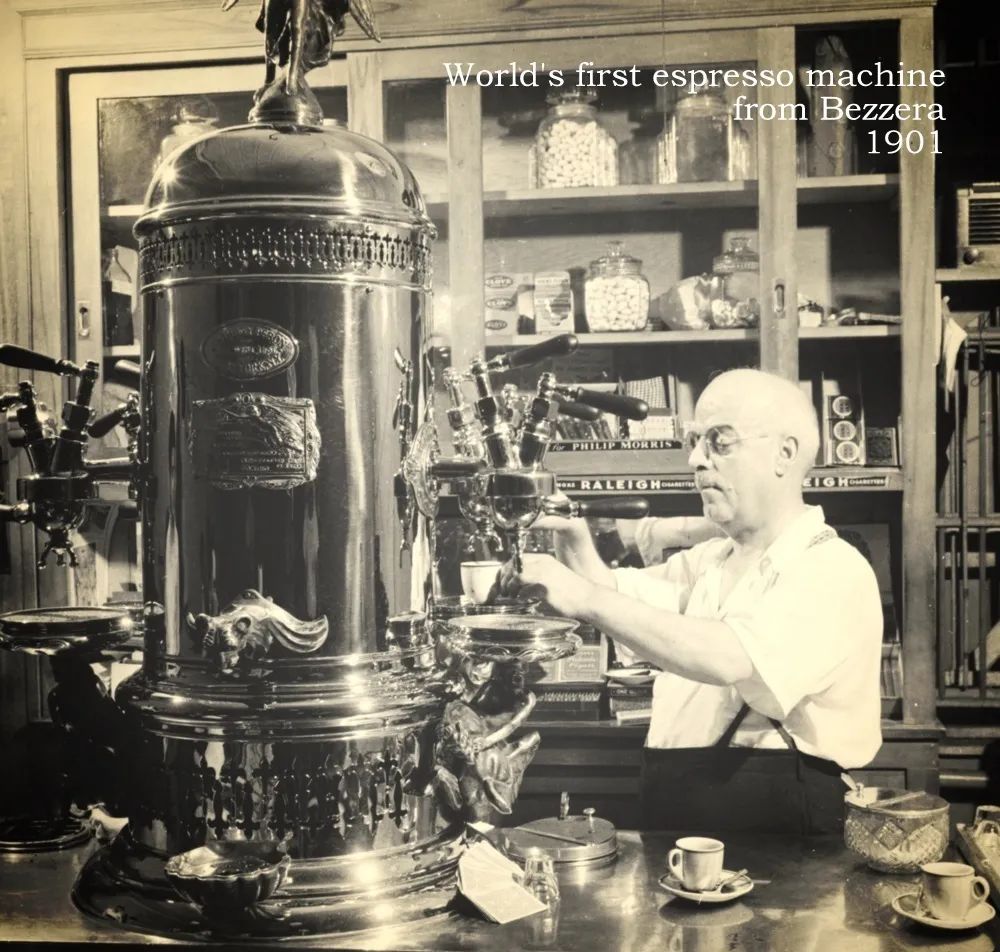
By the end of the 19th century, Milan-based manufacturer Luigi Bezzera built upon this foundation to develop a prototype of a steam-pressure coffee machine. This model featured a detachable handle and modular assembly head, enabling high-pressure extraction of coffee in a short time, significantly improving both efficiency and flavor stability.
With the popularization of these new types of coffee machines, the term “Espresso” was formally included in the Italian dictionary around 1920. It was defined as: concentrated coffee made using pressurized equipment or a filter. Initially, many consumers who encountered this “fast coffee” were unimpressed by its flavor. However, once they understood it was made through steam-driven high-pressure extraction, Italians quickly dedicated significant effort to refining steam coffee machines, striving to enhance extraction quality.
 One of the most representative technological breakthroughs came from Milan engineer Achille Gaggia, who in 1938 added a lever system to coffee machines, increasing water pressure from the original 1.5 bar to 9 bar. This not only created a layer of dark brown crema on the surface of the coffee but also enabled precise control over extraction volume, greatly improving the stability and consistency of coffee quality.
Thanks to these continuous technological innovations and widespread applications, the method of coffee preparation underwent a fundamental transformation. Speed and convenience became the new standards of café service, and this small cup of Espresso gradually laid the foundation of the modern coffee beverage system.
The evolution of Espresso has also shaped Italians’ unique coffee tastes. Compared to other countries, Italian cafés emphasize efficiency and rhythm, perfectly matching the characteristics of small servings of Espresso. For most Italians, walking into a café, ordering a single shot of Espresso, sipping it while briefly chatting with friends, has become an important daily ritual.
When ordering, they typically simply ask for a “single Espresso,” usually preferring dark roasts that emphasize strong bitterness, often adding Robusta beans to enhance crema. Many consumers are accustomed to stirring in a bit of white sugar before sipping, then drinking it all in one go to enjoy the rich and bold flavor. In Italy, a cup of Espresso usually costs only about 1 euro (approximately 7 RMB), making it an extremely affordable and popular beverage.
For most Italians, only Espresso is the “real” coffee. Compared to specialty coffees that emphasize single origins and light roasts, they prefer bold, full-bodied flavors with a heavy mouthfeel and even a slightly bitter taste. It is said that in Italian culture, coffee is seen as a digestive aid rather than just a way to stay alert. Therefore, after a meal, it always feels like something is missing without a cup of Espresso.
This shows that Italians’ love for Espresso stems from their adherence to their own cultural traditions. As mentioned earlier, Italy not only invented the Espresso coffee machine but also completely changed the way coffee is made globally, making Espresso part of Italy’s national image and giving it a unique standing on the international stage.
 Below are practical selection suggestions for four commonly used espresso blends, each carefully blended to meet different needs and budgets, with clear flavor directions and application scenarios:
1. Basic Espresso Blend Coffee Beans (approx. 50 RMB/454g)
Flavor: Features soft fruit acidity, caramel sweetness, accompanied by nutty and dark chocolate notes. The texture is smooth and viscous, but the overall flavor profile is relatively simple. Suitable for café and home users with limited budgets or those who do not require high flavor complexity.
Blend ratio: Yunnan beans : Brazilian beans = 3:7
2. Commercial Espresso Blend Coffee Beans (approx. 60 RMB/454g)
Flavor: Delivers clear caramel sweetness, blending nutty, cocoa, and dark chocolate notes. It has balanced acidity and sweetness, with slight bitterness, and a long aftertaste. Ideal as a stable choice for everyday café offerings.
Blend ratio: Colombian : Brazilian : Robusta = 3:6:1
3. Premium Espresso Blend Coffee Beans (approx. 75 RMB/454g)
Flavor: Offers a gentle and mildly acidic profile, with a sweet finish. Nutty notes are prominent, and the overall expression is mild and non-irritating. Medium crema, suitable for daily use in most cafés.
Blend ratio: Colombian : Brazilian = 3:7
4. Sunflower Sunshine Espresso Blend Coffee Beans (approx. 78 RMB/227g)
Flavor: Exhibits pronounced fruit acidity, subtle berry aromas, along with wine-like notes and rich chocolate tones. The aftertaste is long-lasting and layered, making it the flagship espresso blend currently offered in-store.
Blend ratio: Honduran Sherry beans : Yirgacheffe Red Cherry beans = 7:3
This Sunflower Sunshine blend stands out for its fermented wine-like aromas and berry flavors, making it ideal for cafés and coffee enthusiasts seeking unique flavor expressions. It brings a more layered taste experience to Espresso.
The above content is compiled by CoffeeHunters, a coffee news website.


