







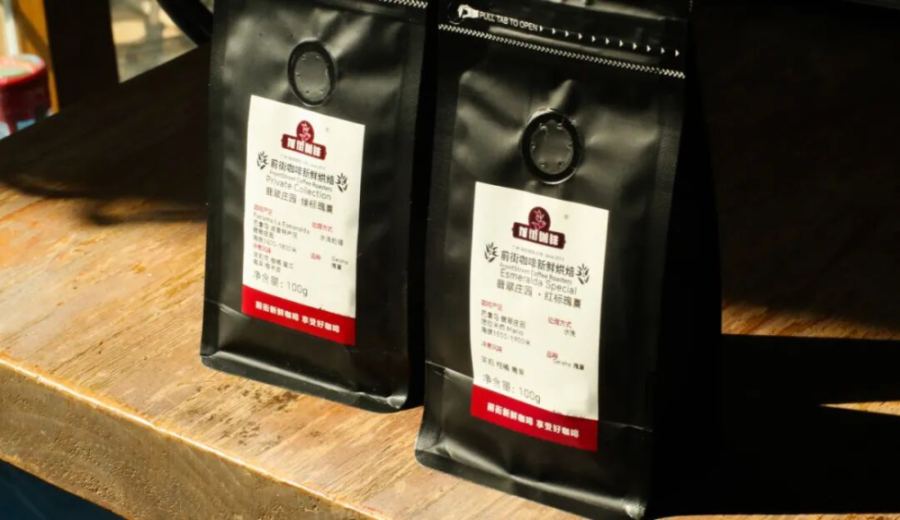
Introduction:Geisha coffee is renowned for its distinctive floral and fruity aromas and bright acidity, but the flavor profiles of Geisha from Panama and Ethiopia differ greatly. This article takes an in-depth look at the unique characteristics of Geisha from these two major origins, offering purchasing advice ranging from entry-level to top-tier estate beans, as well as practical brewing parameters for both pour over and espresso methods, helping coffee enthusiasts find their perfect Geisha experience.
With its delicate floral notes and rich fruit complexity, Geisha coffee has long been a star variety in the specialty coffee scene. Whether you prefer bright citrus acidity or rich, lingering sweetness, you can find your ideal flavor among the different regions and processing methods of Geisha. This article explores the differences by origin, guiding you through the unique charm of Panamanian and Ethiopian Geisha, and providing bean selection suggestions from beginner to advanced levels.
When it comes to Geisha, Panama is often the first origin that comes to mind. Geisha from this region is characterized by bold citrus tones and honey-like sweetness, paired with layered tropical fruit acidity, and often finishes with an elegant tea-like note. To experience the most classic Panamanian Geisha flavors, it’s recommended to choose high-altitude-grown Emerald Series beans, which can fully showcase their refined aromatic profile when brewed using the pour over method.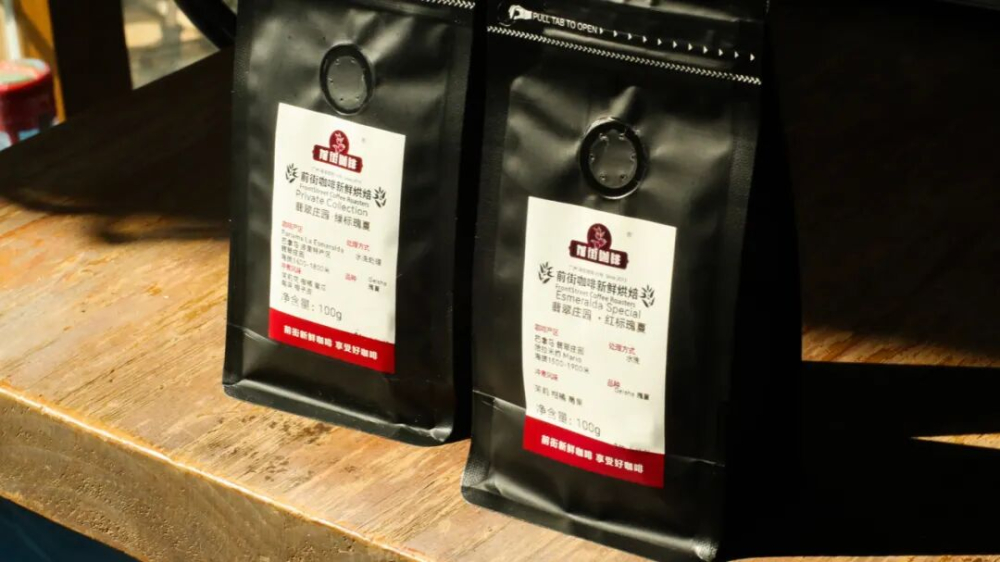
In contrast, Ethiopia, as the birthplace of the original Geisha variety, offers beans with more expressive and vibrant fruit acidity. For beginners new to Geisha, it’s recommended to start with entry-level beans that are lightly to medium roasted. These beans typically retain bright white floral notes, along with a balanced acidity of sweet and tangy tropical fruits like oranges and guavas. A moderate roast level also results in a cleaner and longer-lasting aftertaste.
For more advanced enthusiasts, Ethiopian estate-level Geisha presents an exciting challenge—such as those from large-scale cultivation areas near the original Geisha forests. Thanks to strict quality control processes and unique microclimates in these regions, beans from these areas often exhibit more complex flavor layers. Especially in limited-edition red-label batches, the explosive floral and fruity aroma along with a long-lasting sweet finish makes them an excellent choice for pour over lovers.
Geisha isn’t only suited for pour over; it also shines in the espresso category. The key lies in selecting medium-roasted single-origin (SOE) beans, as this roast style preserves more of the floral and fruity characteristics under pressure extraction. Dark roasts may bring out a richer body, but they often mask the bright acidity and aromatic complexity that make Geisha so special. It’s recommended to use a medium-fine grind size and extract with water at 92–94°C.
For espresso applications, medium-roasted SOE-specific Geisha beans are recommended. These beans produce a balanced crema thickness while delivering caramel sweetness and lasting floral-fruity notes in hot drinks. When used for Americanos, they can showcase layers of orange and nuts, and when combined with milk, they transform into the creamy, biscuit-like mouthfeel of oatmeal cookies.
Regardless of which origin’s Geisha you choose, it’s advisable to adjust grind size and water temperature parameters according to your brewing method. For pour over, use a medium-fine grind (about the size of granulated sugar), with water temperature controlled between 90–93°C; for espresso, a slightly coarser grind is needed, and attention should be paid to maintaining a balanced coffee-to-water ratio. Through continuous experimentation, you’ll be able to discover the perfect Geisha flavor expression tailored to your personal taste preferences.
The above content is compiled by CoffeeHunters, a coffee news website.


