







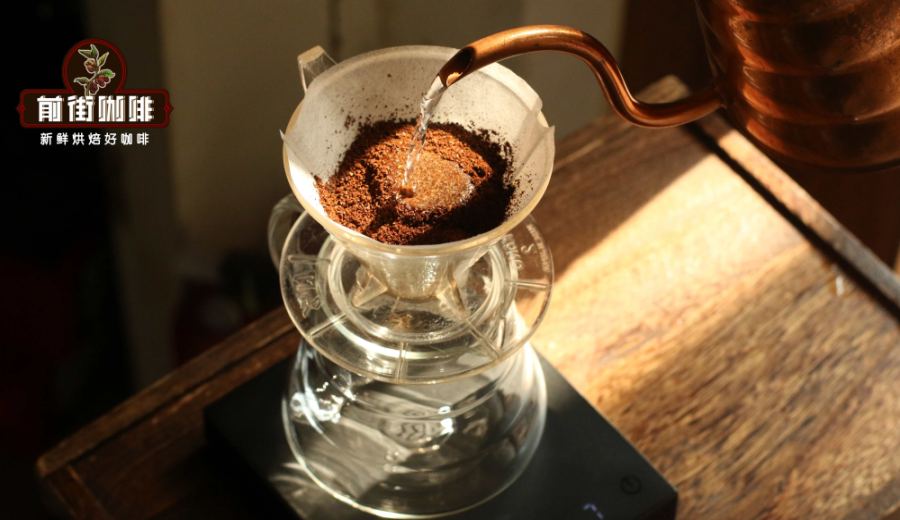
Introduction:The flavor expression of pour over coffee is often hidden within those seemingly subtle details of brewing parameters. Extraction time is an important indicator that reflects the overall brewing state, yet its underlying logic is frequently overlooked. This article will take you deep into how factors such as water flow rate, coffee-to-water ratio, water temperature, and filter cone design collectively influence extraction duration, and reveal how adjusting these variables can help consistently present an ideal flavor profile.
In the process of making pour over coffee, time is not a parameter that can be directly adjusted manually, but rather a result naturally formed by the interplay of various brewing conditions. However, it is precisely this indirectness that makes extraction time a golden standard for judging whether the overall parameter combination is reasonable. By observing changes in brew time, we can reverse-engineer whether there are deviations in aspects such as grind size, water temperature, or pouring technique, and thereby optimize the final flavor expression.
Extraction time has a clear positive correlation with coffee extraction yield. When other variables are fixed, extending extraction time generally increases the dissolution rate of coffee substances, while shortening it reduces it. According to the Golden Cup Theory, the coffee flavors most people enjoy fall within an extraction yield range of 18% to 22%, which often balances the harmony of acidity, sweetness, and bitterness. To consistently achieve this range, a set of proven brewing parameter combinations must be relied upon, such as the coordinated use of coffee-to-water ratio, water temperature, grind size, and filter cone type.
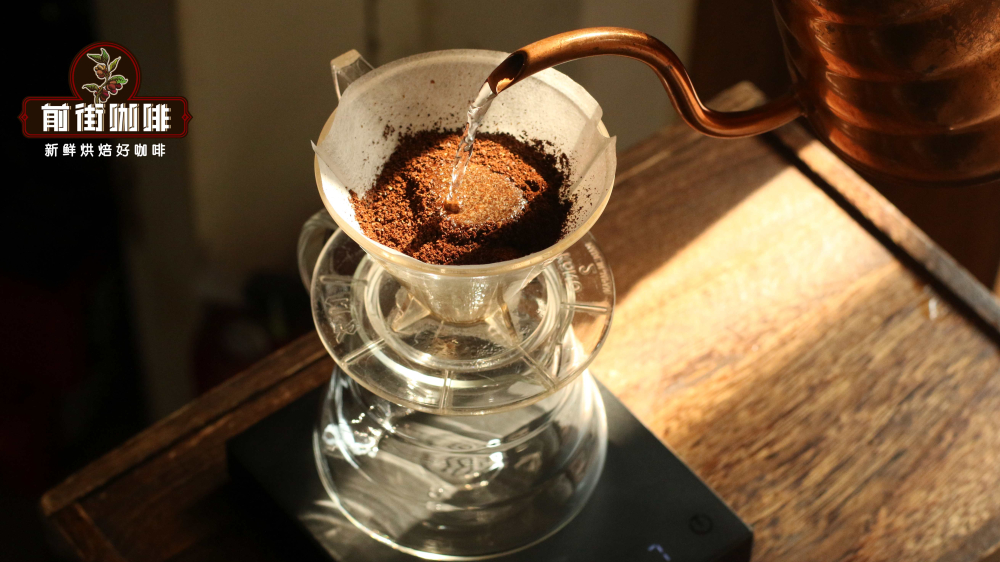
A certain coffee team’s long-term practice has found that using an extraction duration of 2 minutes ± 10 seconds, together with 15 grams of light-roasted coffee beans, a 1:15 coffee-to-water ratio, 92°C water temperature, 80% passing rate through a #20 mesh sieve, and a combination of three-stage pouring and V60 filter cone, can consistently deliver a bright, clear, and layered flavor. This time frame is not arbitrarily set, but the result of comprehensive calibration based on all the aforementioned variables. When the actual extraction time significantly deviates from this range, it usually indicates that some parameter is improperly set and needs to be reassessed and adjusted.
Grind size is one of the most direct factors influencing extraction time. The size of coffee particles determines the resistance the water encounters as it passes through the coffee bed. Under the same conditions, a coarser grind creates larger gaps, allowing hot water to pass through more quickly, thereby shortening extraction time; conversely, a finer grind increases friction and contact surface area between particles, slowing down water flow and extending the extraction process. Therefore, adjusting grind size is often one of the fastest and most effective ways to control extraction time.
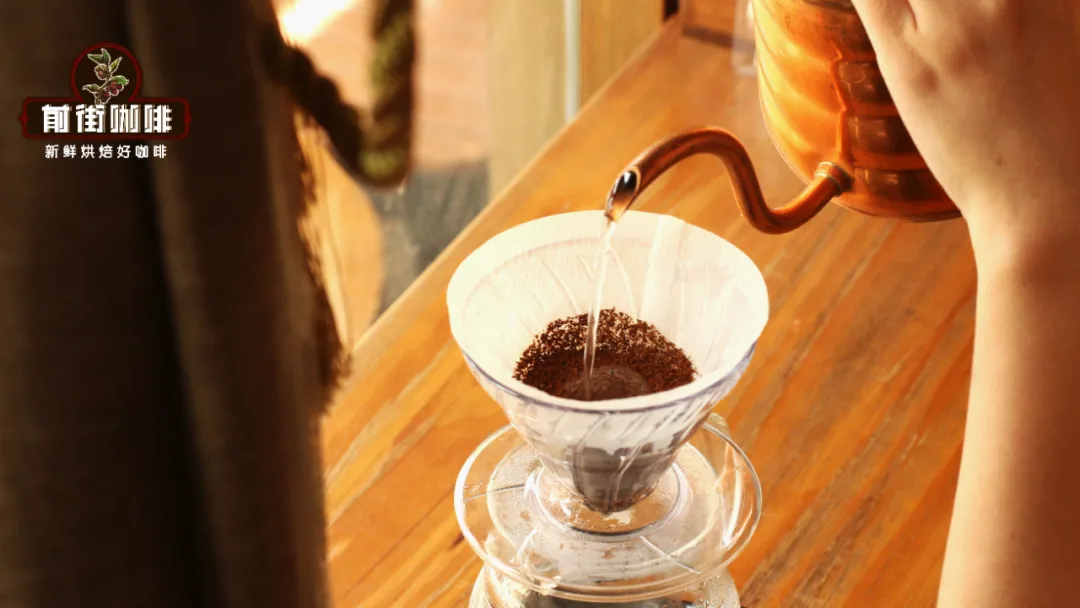
In addition to grind size, coffee-to-water ratio also has a significant impact on extraction time. A higher ratio (e.g., 1:16) means that, per unit of time, water has to penetrate a thicker layer of coffee grounds, which may slow down extraction speed; whereas a lower ratio (e.g., 1:14) relatively allows for a quicker extraction within a shorter time. Moreover, pouring technique also plays a non-negligible role. Methods such as segmented pouring, center pouring, or spiral pouring can alter water distribution and the immersion state of coffee grounds, thereby affecting overall extraction efficiency and time performance.
Water temperature is another key variable. Higher temperatures (such as 93°C to 96°C) can typically accelerate the dissolution of coffee substances, making the extraction process quicker; while lower temperatures (such as 85°C to 90°C) slow down the reaction speed, extending the time needed for extraction. Therefore, when setting brewing parameters, the target water temperature must be taken into overall consideration to ensure the match between time and flavor expression. It is worth noting that coffee beans from different origins and processing methods also vary in their sensitivity to water temperature, requiring flexible adjustments.
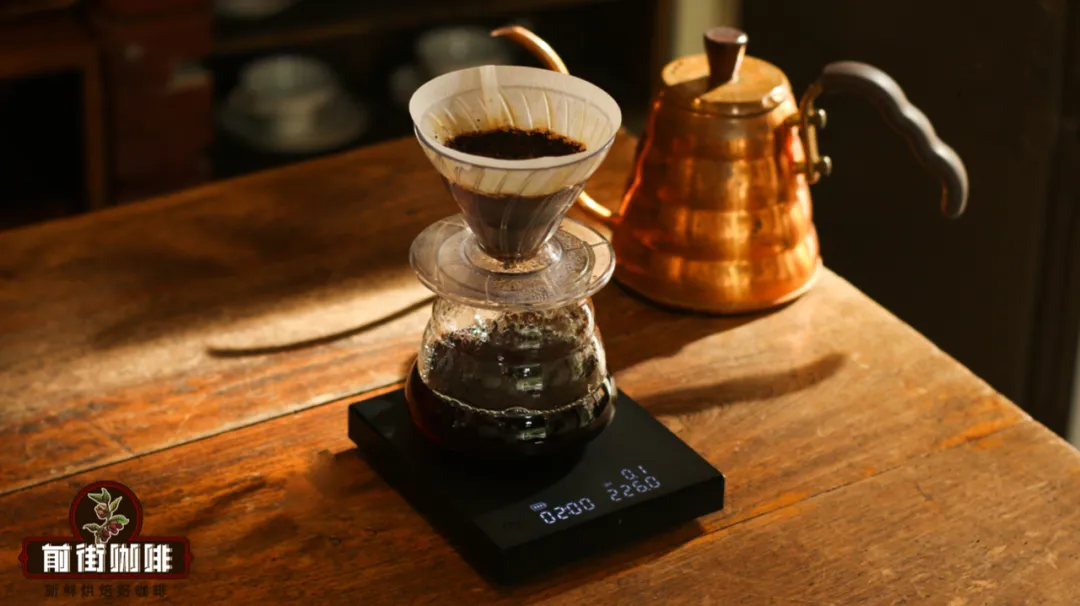
The design and material of the filter cone also affect the final manifestation of extraction time. Take the common V60 filter cone as an example: its unique conical shape and large hole design help speed up water flow, making it suitable for brewing styles that pursue bright acidity and clear layers. In contrast, fan-shaped filter cones or those made of thicker materials may increase water flow resistance, thus extending extraction time. Choosing the appropriate filter cone type should involve holistic parameter optimization, based on the characteristics of the coffee beans used and personal flavor preferences.
In summary, the extraction time of pour over coffee is not an isolated number, but the result of multiple factors working together—grind size, coffee-to-water ratio, water temperature, pouring method, and filter cone design. By systematically observing and adjusting these variables, we can not only stably control extraction duration, but also precisely shape the desired flavor profile. When you notice abnormal fluctuations in brew time, consider it a clue to systematically troubleshoot each parameter setting and identify the root cause of any flavor deviation.
The above content is compiled by CoffeeHunters, a coffee news website.


