







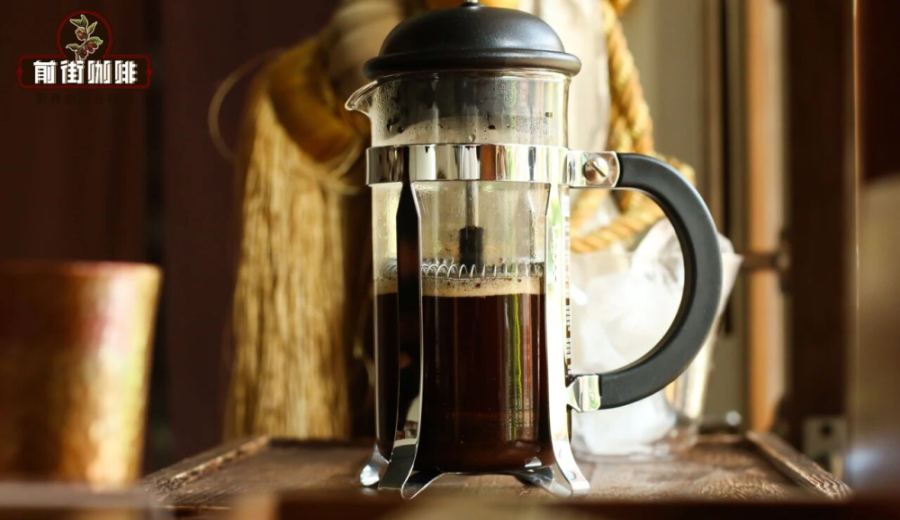
Introduction:The French press is a classic choice for brewing coffee at home, known for its simplicity and stability, making it especially beginner-friendly. This article will delve into the key parameters of French press extraction, including the optimal coffee-to-water ratio, suitable grind size, water temperature control, and steeping time. We’ll guide you step-by-step to master the secrets of crafting richly flavored coffee, along with practical tips to help you easily brew a layered and flavorful cup of French press coffee at home.
Want to enjoy a delicious cup of coffee but find pour over methods too complicated? The French press might be the answer you’ve been looking for. This classic brewing device, with its simple operation and consistent performance, has become a top choice for many coffee enthusiasts. Not only does the French press fully extract the oils and aromas from coffee, but it also delivers a rich and bold flavor profile. It also demands a certain level of freshness and quality from the coffee beans used.
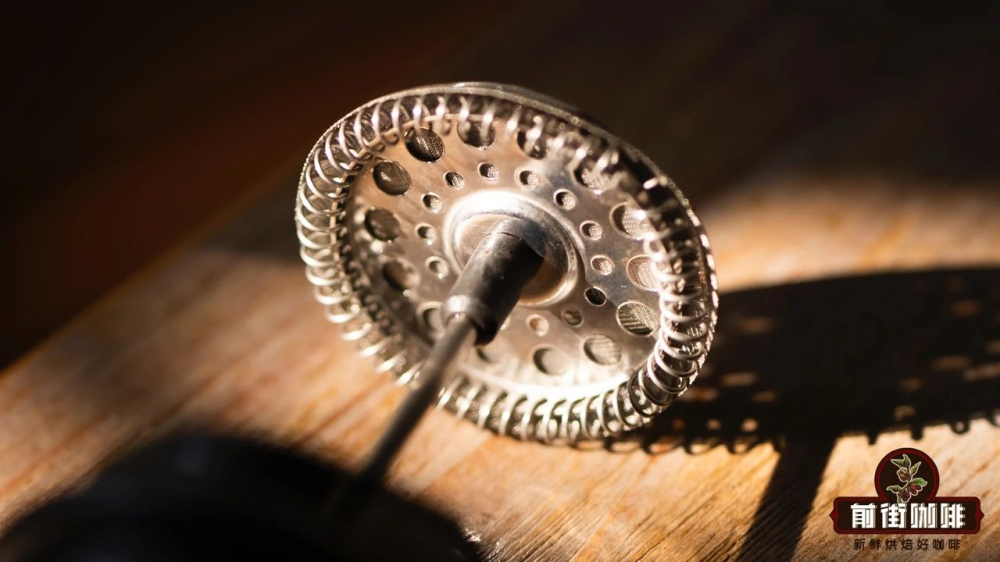
The French filter press, also known as the French press or French filter pot, originated in mid-19th century France and was initially primarily used as a tea brewing tool. Its design is quite straightforward: a heat-resistant glass (or transparent plastic) container paired with a plunger that features a metal mesh filter. Its simple structure makes it easy to use and maintain, while also making the coffee brewing process more intuitive. The metal filter not only retains coffee grounds but also allows the natural coffee oils to flow into the cup, giving the beverage a fuller mouthfeel.
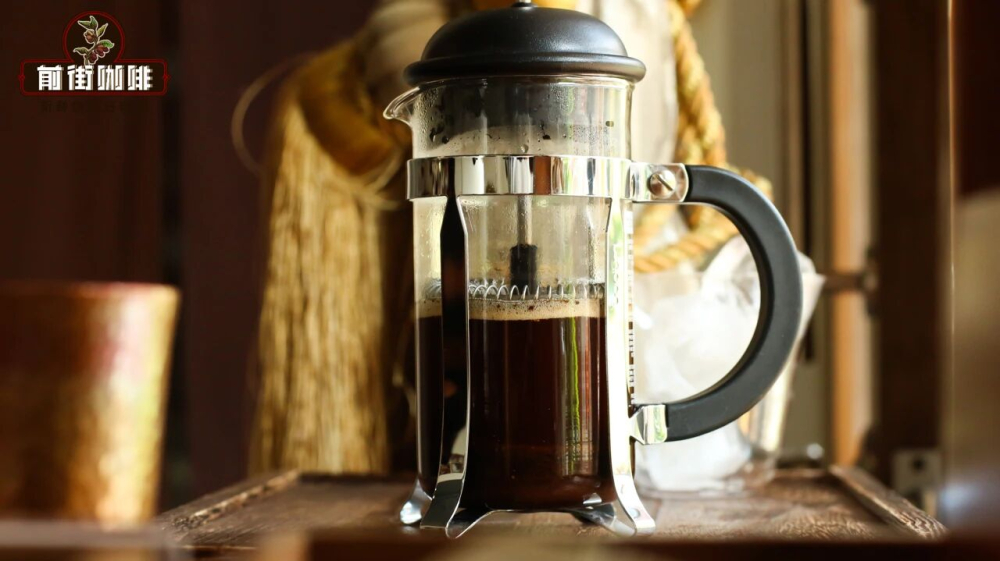
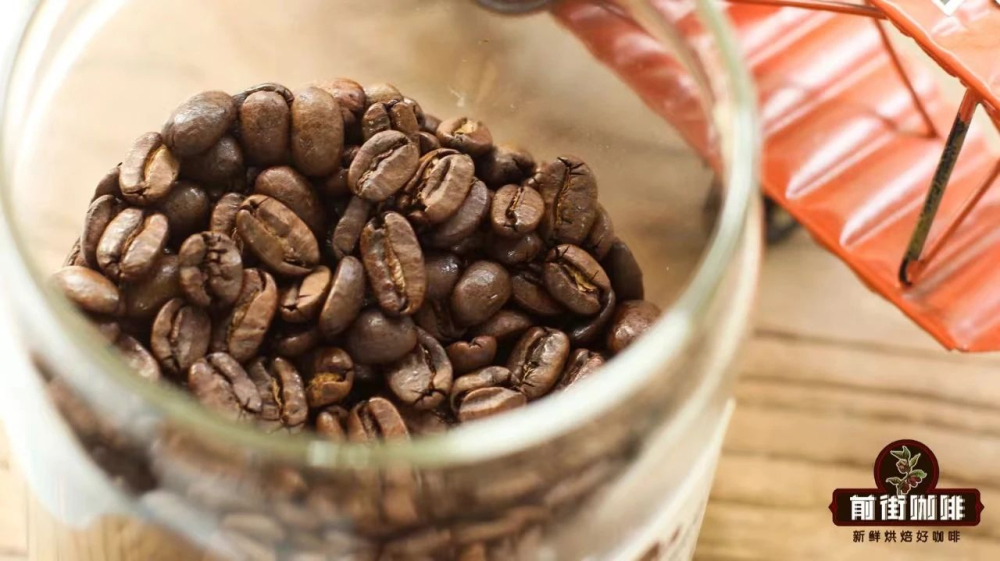
Compared to other brewing methods, the French press has a lower learning curve and is highly suitable for everyday use. It preserves the original flavor characteristics of coffee beans to the greatest extent but will also faithfully reflect any flaws in the beans, so it’s recommended to use fresh, high-quality coffee beans. Additionally, because its brewing conditions are easy to control, as long as you get the coffee-to-water ratio, grind size, and steeping time right, even different people using the same equipment and coffee beans can brew coffee with similar taste profiles — something that is harder to achieve with other methods like pour over or siphon.
In terms of brewing parameters, the coffee-to-water ratio for the French press is generally recommended to be controlled within 1:14 to 1:18 , which can be slightly adjusted according to personal taste. For example, when making coffee for two people, if using 20 grams of coffee beans, it’s recommended to pour about 300 grams (or milliliters) of hot water, roughly a 1:15 ratio. If your French press comes with measurement markings, you can add water according to those; if not, it’s best to use an electronic scale to assist with measurement to ensure accuracy. It’s worth noting that if the pot has markings, you should pour the water first and then add the coffee grounds to accurately gauge the coffee-to-water ratio.
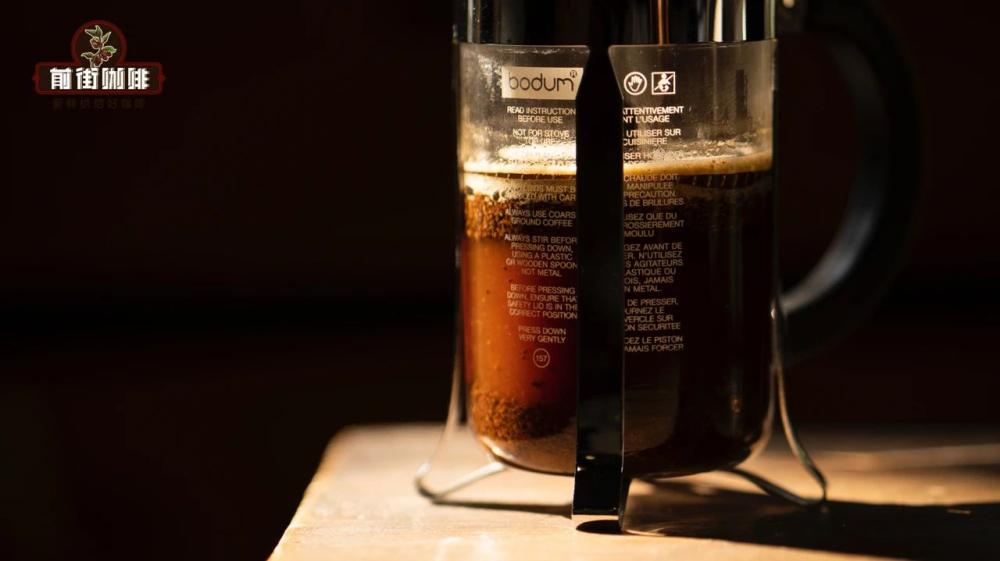
Regarding the grind size of the coffee, the French press is suited to acoarse grind, similar to the texture of brown sugar granules. This is because the French press uses a metal filter with relatively large holes; if the coffee is ground too finely, it may pass through the filter and into the coffee liquid, affecting the taste. Moreover, overly fine particles have a larger surface area in contact with hot water, which can lead to over-extraction and produce bitterness. Therefore, it’s recommended to adjust your grinder to a coarse setting and aim for uniform particle size to help achieve consistent extraction.
The equipment needed for brewing French press coffee includes: a French press, a pour over kettle (or regular kettle), a coffee grinder, an electronic scale, a thermometer, a timer, and coffee cups. In terms of steps, first weigh about 20 grams of freshly roasted coffee beans, then control the water temperature between 85°C and 95°C — for lighter roasts, a higher temperature is recommended to bring out the aroma, while for darker roasts, a slightly lower temperature can be used to avoid excessive bitterness, which can be adjusted to personal taste.
After placing the ground coffee into the French press, start pouring the hot water. It’s recommended to pour in a circular motion to evenly wet the coffee grounds, aiding in uniform expansion and extraction. If your French press doesn’t have volume markings, you can first place the coffee grounds in the pot, reset the electronic scale to zero, then measure about 300 grams of hot waterto achieve a 1:15 coffee-to-water ratio. Once poured, gently stir the coffee grounds and water mixture to ensure all the grounds are saturated. Then, cover the French press with its lid, but do not press the filter down yet. Allow the coffee grounds to steep for about 4 minutes. This duration can be slightly adjusted based on personal preference — a shorter time yields a lighter flavor, while a longer time results in a richer taste.
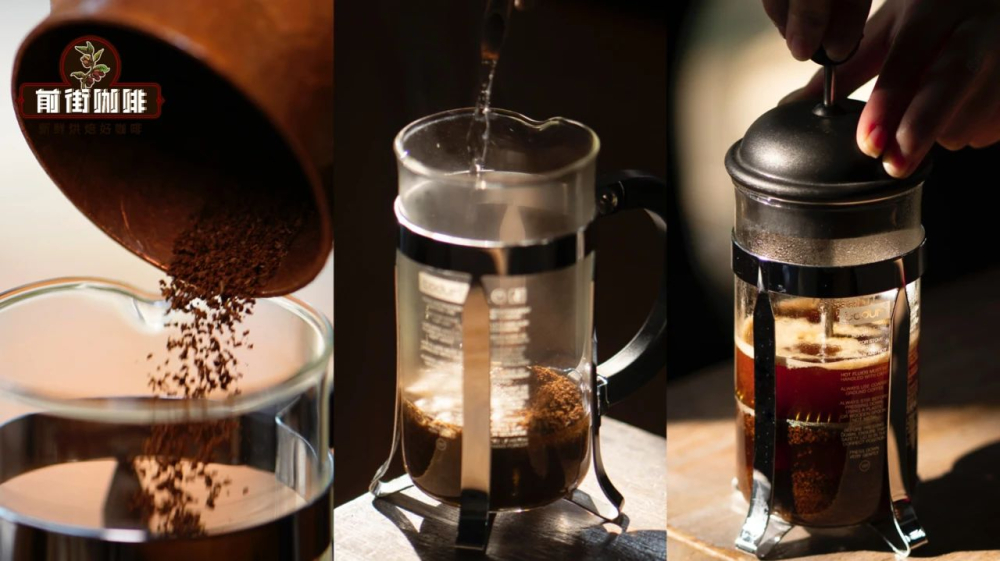
Once the steeping time is complete, the next step is to press down the filter. Do this slowly and steadily by pushing the plunger down until the filter reaches the bottom of the pot. Moving too quickly may cause fine particles to pass through the filter into the coffee, affecting the taste. It’s advised to slow down as you near the bottom, and there’s no need to press until it won’t move any further. After pressing, pour the coffee into your cup steadily, trying to avoid vigorous shaking that might suspend the settled coffee grounds at the bottom, which could affect the overall balance of flavors.
In summary, brewing coffee with a French press is a simple yet technique-sensitive process. By mastering the coffee-to-water ratio, grind size, water temperature, and steeping time, even beginners can easily enjoy a full-flavored, richly textured cup of French press coffee at home. Remember to choose coffee beans that are fresh and consistently high in quality to further elevate the drinking experience, making each brew a treat for the palate.
Finally, once you’re familiar with the basic steps, feel free to experiment by fine-tuning the various parameters to find the combination that best suits your taste. Whether you prefer a bolder, richer flavor or a brighter, more refreshing acidity, the French press can flexibly deliver — making it your ideal companion in exploring the world of coffee.
The above content is compiled by CoffeeHunters, a coffee news website.


