







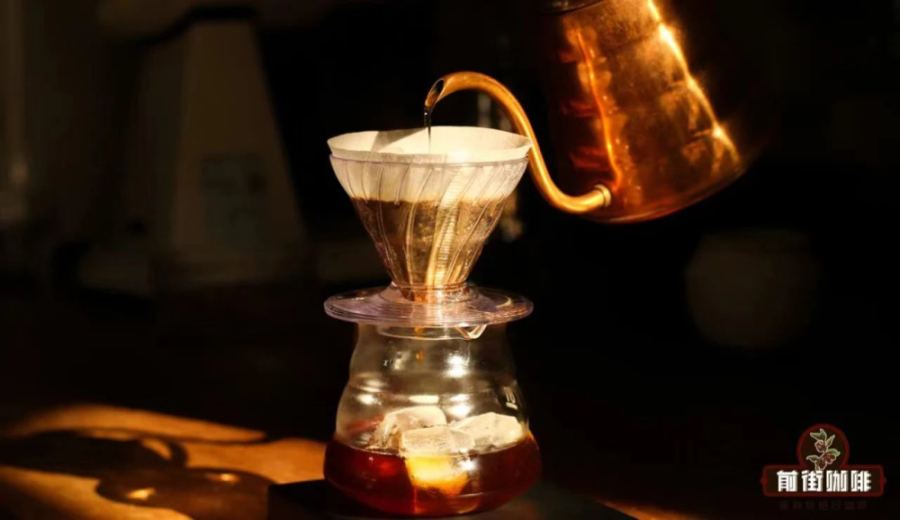
Introduction:The flavor profile of coffee depends largely on the grind size. Whether you're using pour over, French press, or an espresso machine, choosing the right grind size is key. This article will delve into the relationship between coffee grind size and extraction efficiency, teach you how to adjust grind based on bean roast level and brewing method, and introduce practical sieve calibration methods to help you find your ideal extraction parameters.
The coarseness or fineness of coffee grounds directly affects the contact area between water and coffee, as well as the extraction time, thereby altering the coffee’s concentration and flavor profile. But how do you choose the right grind size? It not only relates to the roast level of the beans, but also needs to be adjusted according to the brewing device used and personal taste preferences. This article will start with the resting stage of coffee beans, explore in depth how grind size affects extraction efficiency, and provide grind references and calibration tips for common brewing devices.
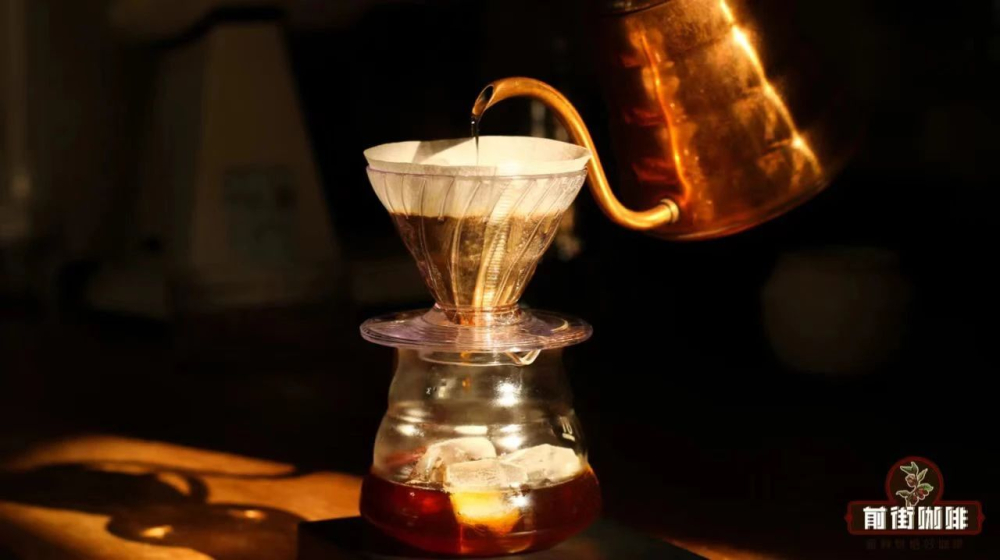
The importance of coffee grind size lies in its control over the speed at which water penetrates the coffee grounds and the contact area. When you adjust the grind setting, you're actually changing the coffee’s extraction environment. However, many people overlook the freshness and resting time of the beans when selecting grind size, which is often one of the most critical factors affecting the final flavor.
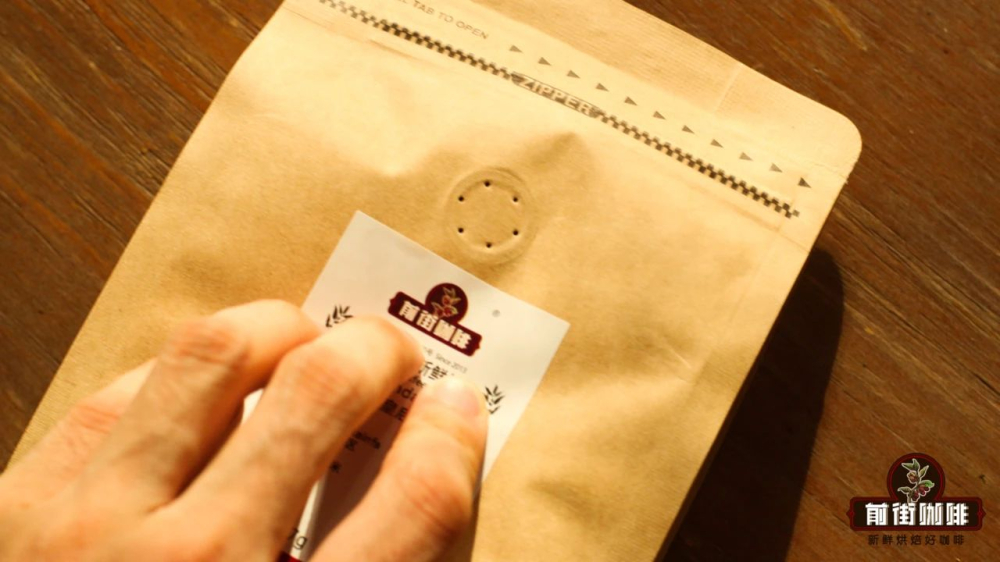
Before discussing grind size, it's essential to ensure that the coffee beans you're using are freshly roasted. The method is simple: check if the packaging has a one-way degassing valve and a clear roast date label. The one-way valve is usually located on the top of the coffee bag, resembling a button-like opening. Its function is to allow the carbon dioxide produced during roasting to escape while preventing oxygen from entering and accelerating oxidation. Generally, it is recommended to let the beans rest for3 to 7 daysafter roasting. This period is called the "resting period" and its purpose is to allow the beans to release excess carbon dioxide, resulting in more stable and smoother extraction and flavor later on.
The length of the resting period also varies depending on the roast level. Typically,medium-light roasted coffee beansare recommended to rest for3 to 4 days,while medium-dark roasted beans are recommended to rest for 4 to 5 days. If you skip the resting period and brew directly, the gases still being released from the beans can interfere with the interaction between water flow and the coffee bed, leading to uneven extraction and a significant decline in flavor performance. Additionally, fresh beans contain richer aromatic compounds—these volatile substances are crucial for the aroma and complexity of the coffee, and they gradually dissipate over time. Therefore, pinpointing the optimal drinking window is also key.
How does grind size change extraction efficiency? Simply put, under the same weight and brewing conditions, the finer the grind, the larger the total surface area of the coffee grounds, and the greater the area water can access. This increases extraction efficiency and releases more flavor compounds. Conversely, if the grind is too coarse, the contact area between coffee and water decreases, reducing the amount of extracted material, resulting in a lighter flavor or even under-extraction.
What happens if you use overly fine coffee grounds for brewing? Fine grounds mean smaller gaps between particles, slowing down water flow, which may lead to over-extraction. Over-extracted coffee often tastes harsh, bitter, and lacks the desired layers and fruity acidity. During brewing, you’ll notice significantly slower flow rate and prolonged dripping time—these are signs of over-fine grinding.
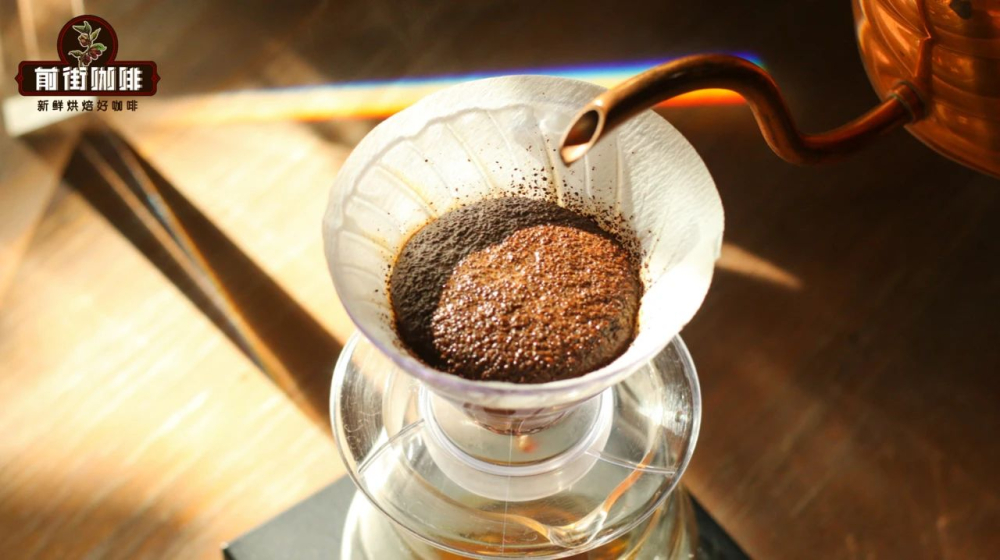
On the other hand, if the grind is too coarse, water will pass through the coffee bed too quickly, resulting in too short an extraction time. This means many aromas and flavors don’t have enough time to dissolve into the water, yielding a cup that tastes thin, dull, and lacking depth. Especially when using pour over or filter cones, coarse grounds can easily lead to under-extraction, making the coffee taste watery and the flavors indistinct.
So, how do you find the grind size that suits your taste and brewing device? There’s a practical and precise method: usinga cupping calibration sieve (No. 20 sieve, with 0.85mm holes)for sieving. The specific method is: take 10 grams of coffee beans, grind them preliminarily, and then pour them into the sieve to sift. Observe the proportion of coffee grounds that remain on the sieve to determine whether the grind size is appropriate. For example, some industry suggestions for pass-through rates are: cold drip > pour over & siphon around 80% > moka pot & American drip 75–80% > cupping 70–75% > French press 65–70%.
In addition, the recommended sieve pass-through rates vary slightly for different roast levels.Light roast beanscan use a pass-through rate of 80–85%,medium roast beansare suggested at 70–75%, whiledark roast beanscan be adjusted to 65–70%. Of course, these figures are just references, and final adjustments should still be made based on actual brewing results and personal taste.
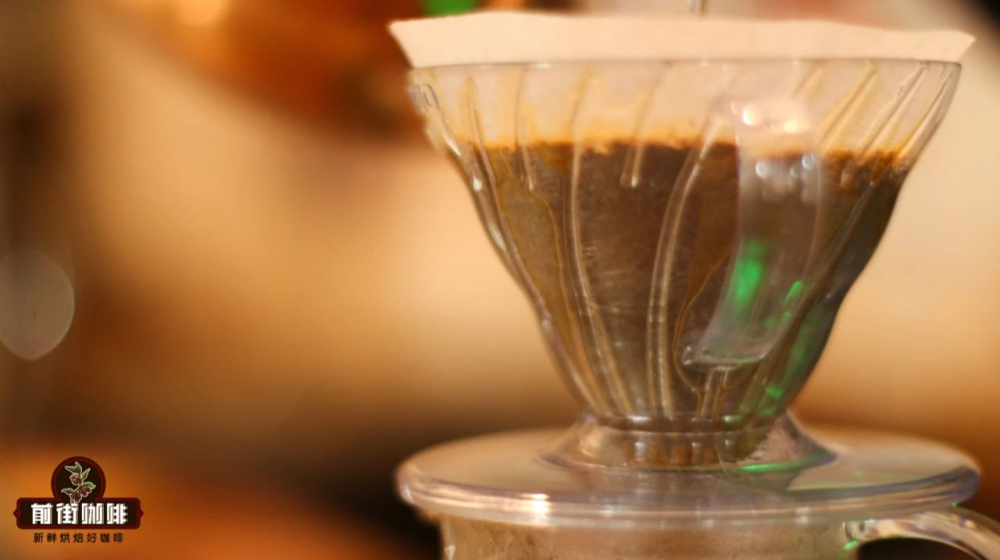
If you prefer not to use sieve calibration, here’s a “grind size quick reference chart” based on common brewing devices to help you quickly match and choose the right grind setting:
Extremely fine:Mainly used for espresso, such as moka pot or espresso machines. These brewing methods require high-pressure extraction, so the coffee must be ground very fine and uniformly to withstand high pressure and produce rich crema.
Fine:Suitable for drip bags. Since the filter paper in drip bags has a faster filtration speed and lacks the constriction structure of pour over cones, slightly finer grinding is needed to increase the extraction surface area and enhance flavor intensity.
Medium-fine:Applicable to most pour over cones, especially for medium-light roasted beans. This grind is similar to fine sugar, with a sieve rate of about 75–80%, capable of fully showcasing balanced acidity and sweetness as well as fruit aroma layers.
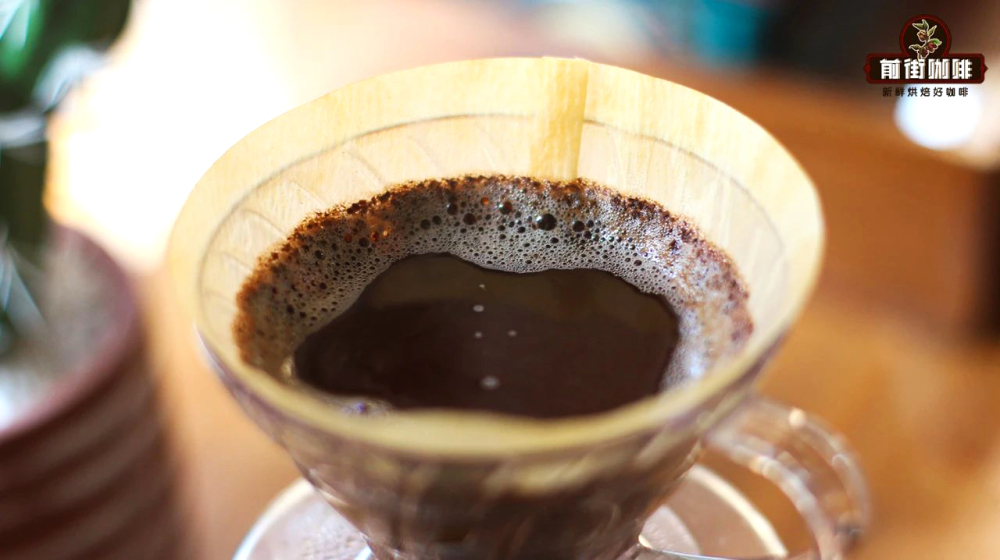
Medium:Suited for medium-dark roasted beans, commonly used in certain pour over scenarios. Similar to coarse sugar in texture, with a sieve rate of about 70–75%, it helps avoid over-extraction while retaining a rich mouthfeel.
Coarse:Designed specifically for French press. The French press uses a metal filter, which allows coarser filtration, and due to the longer steeping time, significantly coarser coffee grounds are needed to avoid over-extraction and sediment entering the cup, which could affect smoothness.
In summary, adjusting grind size is one of the core variables affecting coffee extraction. From resting and assessing freshness, to selecting the right grind size based on equipment characteristics and roast level, every step impacts the final coffee flavor. By mastering the basic principles and continuously fine-tuning through actual brewing, you can also find your golden grind parameters tailored to your taste.
The above content is compiled by CoffeeHunters, a coffee news website.


