








Introduction:Want to brew professional-grade latte coffee at home? A successful latte relies not only on milk foam and technique but also—crucially—on the selection of coffee beans and the timing of their degassing. This article delves into the historical background of the latte, introduces tiered recommendations for choosing espresso beans, and details the entire process from the resting period, espresso-to-milk ratio, milk foam temperature control, to essential tips for both hot and cold versions. With this guide, you’ll easily master the full workflow of home espresso brewing.
The word “latte” means “milk” in Italian, but today it generally refers to the classic specialty coffee made with espresso and milk. The key to a memorable latte lies not just in technique but also in the choice and freshness of the coffee beans. If you want to brew a smooth, well-balanced latte at home, understanding the characteristics and processing methods of coffee beans is the first step.
The name “latte” originates from the Italian word “Latte,” which means milk. If you simply order a “Latte” in Italy, the waiter might just give you a glass of plain milk. Modern espresso-based lattes combine espresso with an appropriate amount of milk to create a beverage that is both rich and silky. Its history can be traced back to 17th-century Vienna, where Austrians added large amounts of milk to counteract the intense bitterness of espresso, resulting in a milder taste that became popular across Europe—and eventually evolved into the latte we know today.

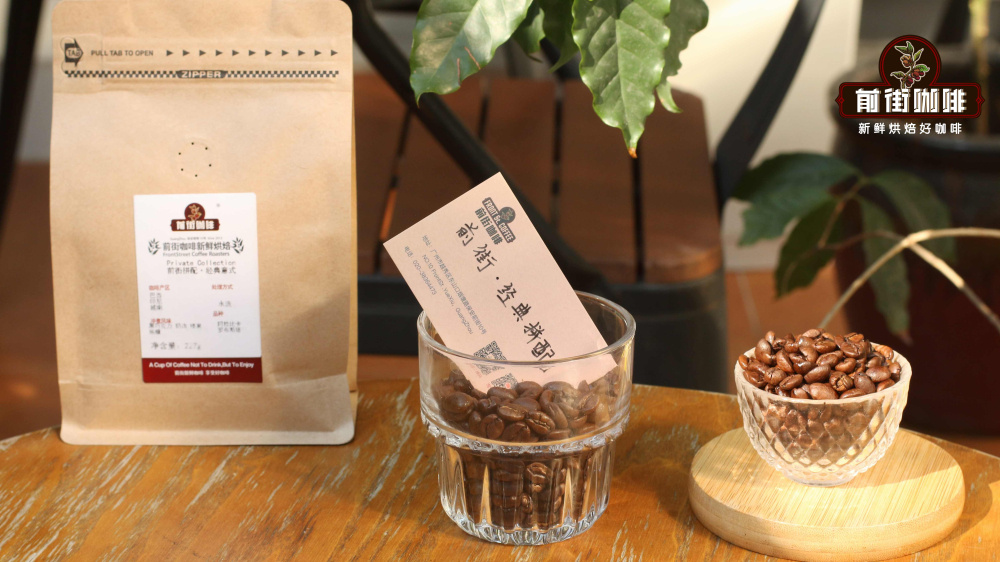
When selecting coffee beans suitable for lattes, your choice should be based on your experience level and flavor preferences. For beginners new to espresso, medium-dark roasted blends are the most beginner-friendly option. These beans typically combine coffees from different regions and feature prominent caramel and cocoa notes, yielding a rich and balanced flavor with abundant crema (coffee foam), which helps it blend perfectly with milk.
Furthermore, if you’re seeking a stable, cost-effective everyday choice, blends based on Yunnan and Brazilian beans are recommended. These recipes often showcase flavors such as nuts, chocolate, and dark fruit, with a gentle and unassertive flavor profile—ideal for daily drinking while still highlighting the smooth texture of milk.
For enthusiasts with some extraction experience, blends with fruity profiles can be explored—for example, combinations that include Costa Rican honey-processed beans, Colombian Huila, and Ethiopian Yirgacheffe. These beans can bring out sweetness and layered fruity aromas—like rose, blueberry, and raisin—in the espresso, offering a more nuanced drinking experience, especially suited for those who enjoy innovation and fruity flavor notes.

Beyond bean selection, the “resting period” of coffee beans is also a crucial factor often overlooked. Many users report that freshly opened coffee beans fail to deliver café-level flavor, usually because the beans are still in the “CO₂ release” phase. In general, it’s recommended to let espresso beans rest for 10 to 14 days, during which time flavor compounds stabilize and optimal extraction conditions are achieved. The overall best-before period is around 50 days, and it’s advisable to use the beans within this timeframe to enjoy their peak flavor.
In practical preparation, there is no absolute standard for the espresso-to-milk ratio in lattes, but a common range is 1:5 to 1:8. For example, using 40 grams of espresso liquid as a base, you can pair it with 240 grams of milk—roughly a golden ratio of 1:6. When making a hot latte, it’s recommended to pour the preheated espresso into a pre-warmed cup first, then use the steam wand to froth the milk to a temperature of 55–65°C. This temperature range ensures the milk foam is fine and not too hot, allowing it to blend uniformly with the coffee. Finally, you may add a simple latte art design according to personal preference to enhance both visual appeal and flavor enjoyment.
For making iced lattes, the steps differ slightly. It’s recommended to start by adding a suitable amount of ice and a small quantity of milk to the cup, then slowly pour the extracted espresso over it. This prevents excessive extraction or flavor stratification caused by sudden temperature changes. Finally, gently stir to ensure the coffee and milk are fully integrated, delivering a refreshing yet layered taste.
In summary, crafting an outstanding homemade latte depends on understanding the characteristics of the coffee beans, proper resting time, precise extraction ratios, and careful handling of milk and foam. Whether you’re a beginner or an experienced coffee enthusiast, mastering these fundamentals will allow you to enjoy a café-quality latte experience in the comfort of your home.
The above content is compiled by CoffeeHunters, a coffee news website.


