








Introduction:An in-depth analysis of the flavor profiles of 16 renowned global coffee-growing regions including Brazil, Colombia, and Ethiopia. Covering the fundamental differences between green and roasted beans, the characteristics of varieties and processing methods unique to each region, as well as suitable roast levels and pour over brewing parameters, this guide helps coffee enthusiasts build a comprehensive understanding of regional flavor profiles and master key brewing techniques.
Global coffee cultivation is primarily concentrated in three major regions: Africa, Asia, and the Americas. These areas produce a diverse array of coffee flavors due to variations in climate, altitude, varieties, and processing methods. This article features 16 important global coffee-producing regions including Brazil, Colombia, Vietnam, Indonesia, Mexico, Guatemala, El Salvador, Honduras, Costa Rica, Cuba, Jamaica, Kenya, Tanzania, Ethiopia, Yemen, and Hawaii. Starting with the basic concepts of green and roasted beans, it delves into the unique flavor expressions and brewing recommendations of each region, providing coffee lovers with a comprehensive regional guide.
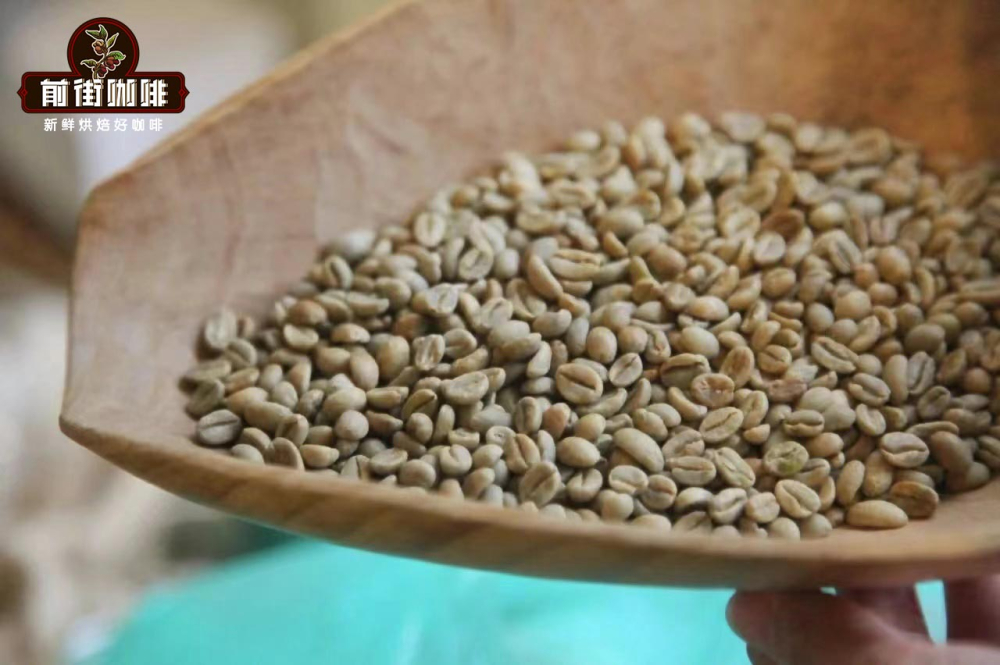
Before exploring the individual regions, let’s clarify some fundamental concepts:Green Coffee BeansRefer to unroasted coffee seeds, typically appearing in blue-green, emerald, to yellow-green hues, and covered with a layer of parchment. They require hulling to reach the common green bean state seen in the market; whereasRoasted Coffee BeansAre the product of being roasted to varying degrees, and are the form of coffee beans used in everyday brewing.
BrazilHas been the world’s largest coffee producer since the 1960s, with an annual output of up to 24.6 million bags (60 kg per bag), and actual production in 2002 even exceeded 51.6 million bags. Its exports have long accounted for over 30% of the global market, primarily shipped to Europe, the United States, and Asian markets. Brazilian coffee plantations are concentrated in regions such as Minas Gerais, Espírito Santo, and São Paulo, mainly featuringYellow Bourbonvarieties. With medium to dark roasting, they exhibit rich, full-bodied notes of nuts, cocoa, and caramel, making them ideal for drinkers who prefer balanced flavors.
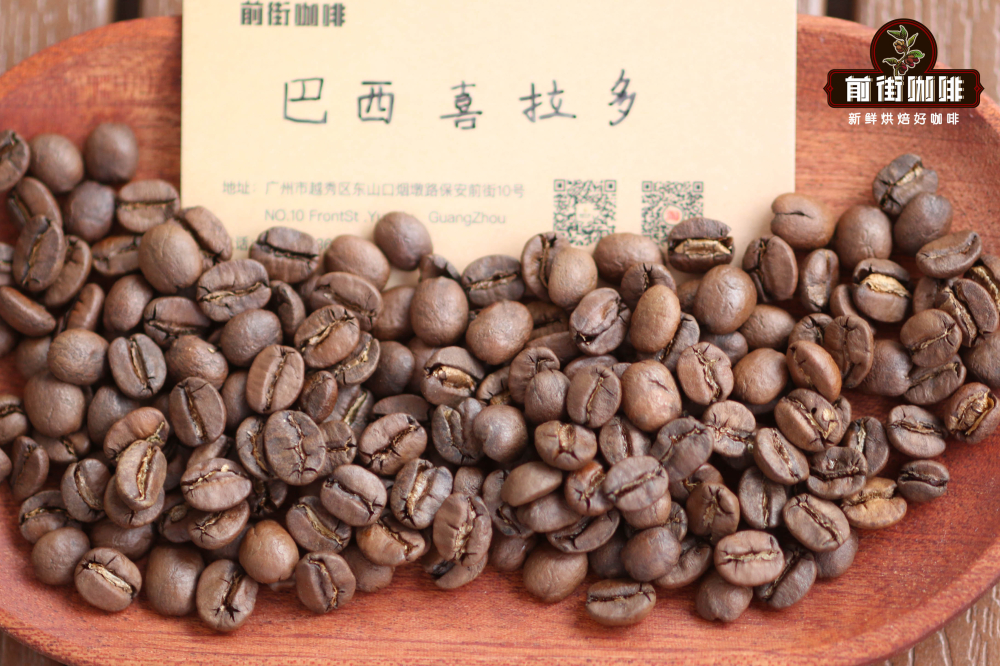
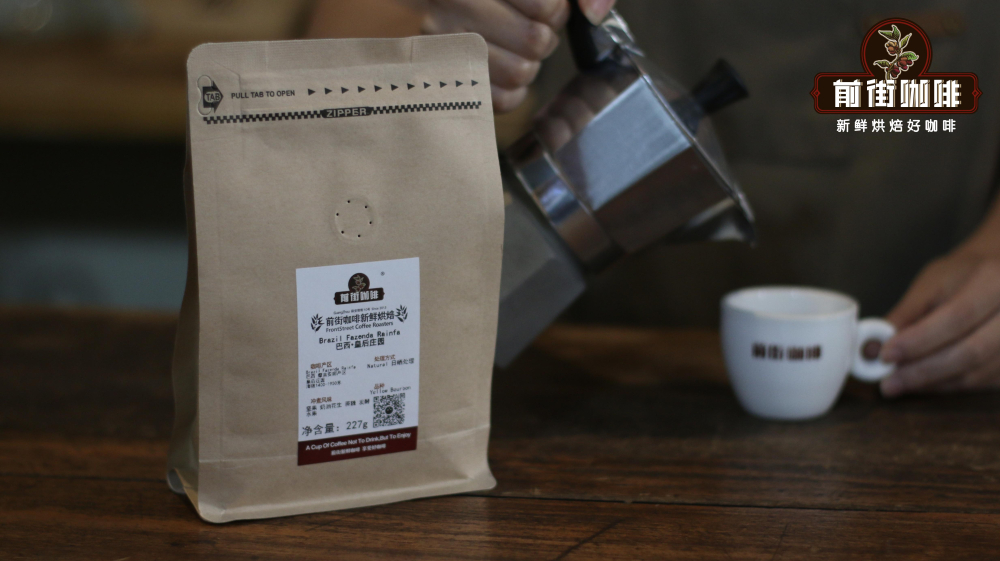
The Queen Estate Coffee Beans from Brazil are produced in the Mogiana region, using theYellow Bourbonvariety with a semi-washed process. With medium to dark roasting, they showcase intense, rich chocolate and nut aromas, and are recommended for medium to dark roasting to experience their balanced profile.
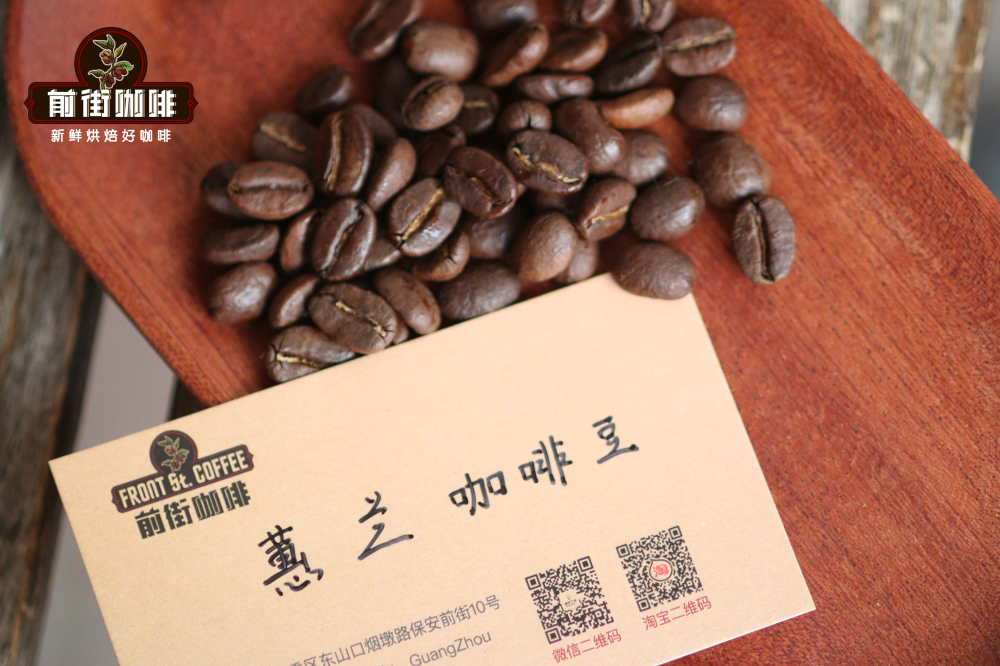
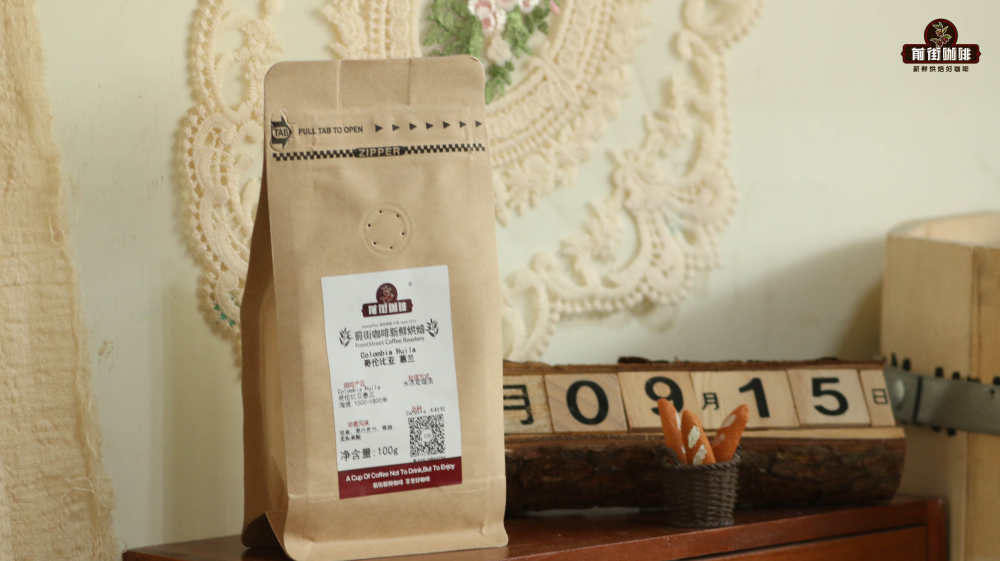
ColombiaIs renowned for producing high-quality Arabica beans and is the world’s second-largest exporter of Arabica. Regions such as Huila produce coffee beans predominantly of theCaturravariety, processed via washed method. With medium to dark roasting, they offer gentle fruit acidity, nutty aromas, and a distinct caramel finish. It is recommended to use a V60 filter, control water temperature at 90°C, with a 1:15 coffee-to-water ratio, and employ a pulse pouring technique to fully highlight its sweetness and dark chocolate notes.
VietnamRose to become the world’s second-largest coffee producer since the 1990s, primarily growingRobustavarieties. Although mostly used for instant coffee and commercial beans, its high output also significantly influences global coffee market prices.
IndonesiaIs the world’s largest producer of Robusta, especially theMandhelingfrom Sumatra, which is the most representative. The well-knownGolden MandhelingIs commonly processed using the wet-hulled (giling basah) method. With dark roasting, it emits rich notes of herbs, spices, chocolate, and nuts, and has a full-bodied, sweet aftertaste. Using a Kono filter, with water temperature at 88–89°C and medium-coarse grind, can enhance its bold character.
MexicoConcentrates its coffee cultivation in the southern highlands, with the United States being its main export market. With medium to darker roasting, it reveals mellow notes of cocoa, nuts, and honey-like sweetness, suiting consumers who enjoy softer flavors.
GuatemalaBoasts several well-known regions such as Antigua and Cobán. Among them, theLa Azotea Estate in the Antigua regionIs renowned for its washedBourbon and Caturravarieties, which with medium to dark roasting present gentle fruit acidity, nutty aromas, and a touch of smokiness, with a finish of cocoa and caramel notes.
El SalvadorIs located in a volcanic zone, where its high-altitude environment contributes to the bold character of its coffee. Dominated by theBourbon variety, the “Chocolate Amor” estate beans that blend 50% washed and 50% honey processed methods feature a fusion of nutty, creamy, and cocoa-chocolate notes, with rich flavor layers under medium to dark roasting.
HondurasIs graded by altitude, with high-altitude washed beans of outstanding quality, such as those from theLimoncillo and Sherry series of the Mocha Estate, which use brandy and whiskey barrel fermentation respectively, showcasing intense fruit, wine, and chocolate finishes. It is recommended to use medium-fine grind and a V60 filter, with water at 90°C, and pulse pouring to enhance its complex profile.
Costa RicaIs famed for its Tarrazú and Tres Ríos regions, where the coffee exhibits extremely clean and balanced flavors, with notable citrus acidity and berry notes. With medium to darker roasting, nut and caramel aromas become more pronounced, making it ideal for coffee lovers seeking clarity in flavor.
JamaicaProduces the renownedBlue Mountain Coffee, grown at altitudes between 910–1700 meters. Only theTypica varietyis cultivated here. Known for its balanced, mellow acidity and sweetness with high cleanliness, it is exported in wooden barrels with official certification, making it a dream coffee for enthusiasts. Recommended brewing uses water at 88°C, medium-coarse grind, with a KONO filter to highlight its dark chocolate and nut flavors.
CubaIs known for its “Cristal Mountain” and other large-bean Arabica varieties, which are medium to large in size. Suitable for medium roasting, they offer balanced flavor with harmonious acidity, bitterness, and sweetness, representing the Caribbean region.
TanzaniaIs adjacent to Kenya, with theMount Kilimanjaro regionas its main producing area. It has a rich yield ofPeaberry (Caracolillo)beans. With light to medium roasting, it presents bright fruit acidity, citrus, berries, and honey notes, suitable for single-origin enjoyment. Using medium-fine grind and a V60 filter can fully showcase its delicate fruity and stone fruit characteristics.
EthiopiaIs hailed as the birthplace of coffee. TheYirgacheffe regionIs known for its distinctive floral and citrus acidity. The washednative varieties, with medium-light roasting, display bright notes of lemon, jasmine, and tea, serving as a classic representation in the coffee flavor wheel. Ideal for those who enjoy fruity acidity and floral notes.
Each region possesses unique terroir conditions and traditional processing methods. A deeper understanding of these differences not only enhances one’s ability to discern coffee flavors but also enables more precise selection and brewing decisions, allowing for a richer enjoyment of coffee’s diverse charm.
The above content is compiled by CoffeeHunters, a coffee news website.


