







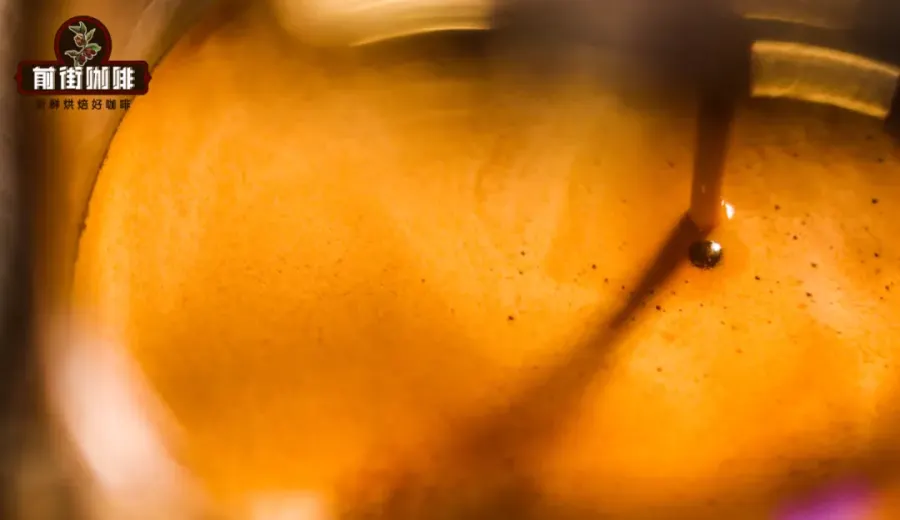
Introduction:The fascinating brown foam on top of an espresso shot — Crema — is not just a visual delight, but also a key indicator of extraction quality. How does it form? Why is it sometimes thick and glossy, yet other times quickly dissipates? This article dives deep into the structure and principles behind Crema, explores the critical factors that influence its stability, and analyzes the hidden connection between crema color and espresso flavor. Helping you fundamentally understand this “coffee foam,” so you can further optimize your extraction parameters and flavor presentation.
When you pick up a freshly brewed shot of espresso, the first thing that usually catches your eye is that rich brown foam floating on the surface of the coffee — what we commonly call “Crema.” It’s not only the visual first impression, but also a major reference point for many baristas and coffee enthusiasts when evaluating whether an espresso shot has been successfully extracted.
This seemingly simple layer of foam actually contains a wealth of information about the coffee extraction process, including pressure control, grind size, water temperature, and even the freshness and roast level of the coffee beans themselves. However, the thickness, color, and stability of the Crema do not necessarily directly equate to the quality of the flavor, but they can indeed provide many clues as to whether the extraction was done properly.
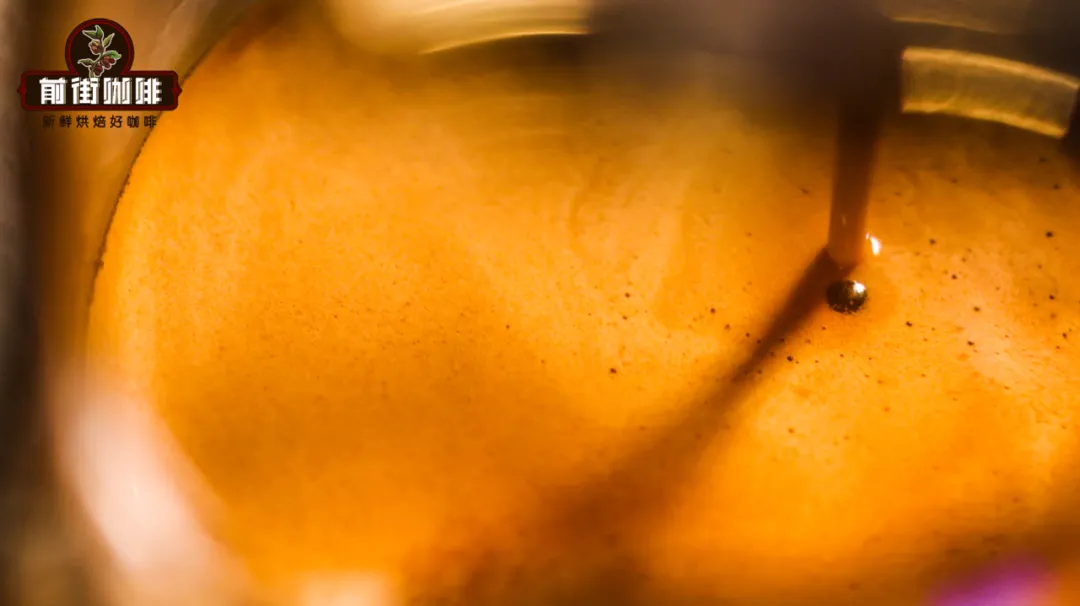
From a scientific perspective, Crema is not simply a layer of oil — it is composed of tens of thousands of tiny bubbles, which encapsulate a complex mixture of carbon dioxide, water, fine coffee particles, and soluble substances (such as sugars, acids, and small amounts of proteins). Its formation primarily results from the high-pressure extraction process, where water passes through a tightly packed puck of coffee grounds, releasing carbon dioxide that was originally trapped within the bean's cells. Under the interaction of high pressure and high temperature, this gas combines with water-soluble compounds to form a stable foam structure.
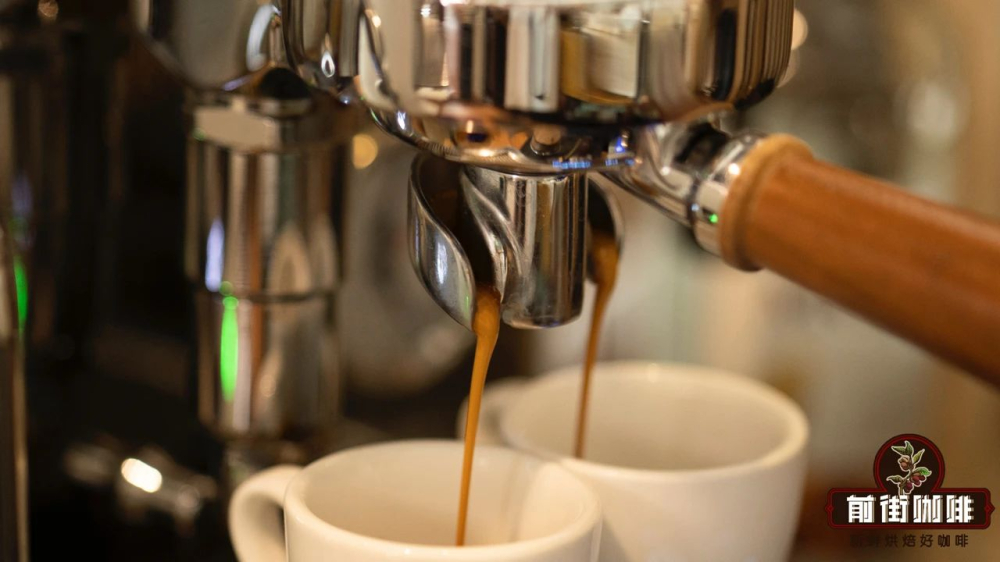
During this process,9 bar of extraction pressureplays a crucial role. It is this high pressure that allows water to supersaturate and dissolve large amounts of carbon dioxide. When the pressure is released, these gases rapidly form fine and dense bubbles, forming the foundational structure of the Crema.
However, this beautiful foam doesn’t last forever. The dissipation of Crema is mainly influenced by two factors: the material structure of the foam itself, and the effect of gravity. The liquid and gas within the foam gradually separate due to gravitational pull. When the surface tension that holds the bubbles together fails, the foam gradually collapses and eventually disappears.
A well-extracted espresso shot will not only have a better thickness of Crema, but it will also maintain its presence for a longer period. In contrast, under-extracted espresso often has thinner Crema that may start to fade away quickly, reflecting a more loosely structured overall extraction and relatively flat taste layers.
So, what factors influence the generation and stability of Crema? First and foremost, the carbon dioxide content in the coffee beans is an extremely critical element. And the production of carbon dioxide is closely related to the roast level:The darker the roast, the more carbon dioxide is generated inside the bean, and the cell wall structure is also more capable of retaining these gases.Therefore, medium to dark roasted coffee beans are generally more conducive to forming rich and long-lasting Crema. For example, common medium-dark roasted blends not only produce stable foam but can also bring out rich flavor layers such as spices, caramel, and dark chocolate.
But it’s important to note that the “amount” of crema is not an absolute standard for judging flavor quality. The texture, stability, and color of the Crema are actually more valuable extraction indicators to focus on.
If you find that the Crema of your brewed espresso is unusually thin or almost nonexistent, it could be due to one or more of the following common issues:
First,insufficient espresso machine pressure.True espresso requires 9 bar of extraction pressure.If the home espresso machine you’re using cannot achieve this standard, it will likely only produce sparse little bubbles, unable to form a complete Crema.
Second,incorrect grind size.If the grind is too coarse, water flows through the coffee puck too quickly, and carbon dioxide doesn’t have enough time to be released and gathered, making it difficult to form sufficient foam.
Third,too low water temperature.An appropriate extraction water temperature (generally recommended to be 90–96°C) can effectively enhance the release of soluble substances and the stability of bubbles. If the water temperature is too low, not only is the extraction efficiency poor, but the Crema can also appear thin and dissipate quickly.
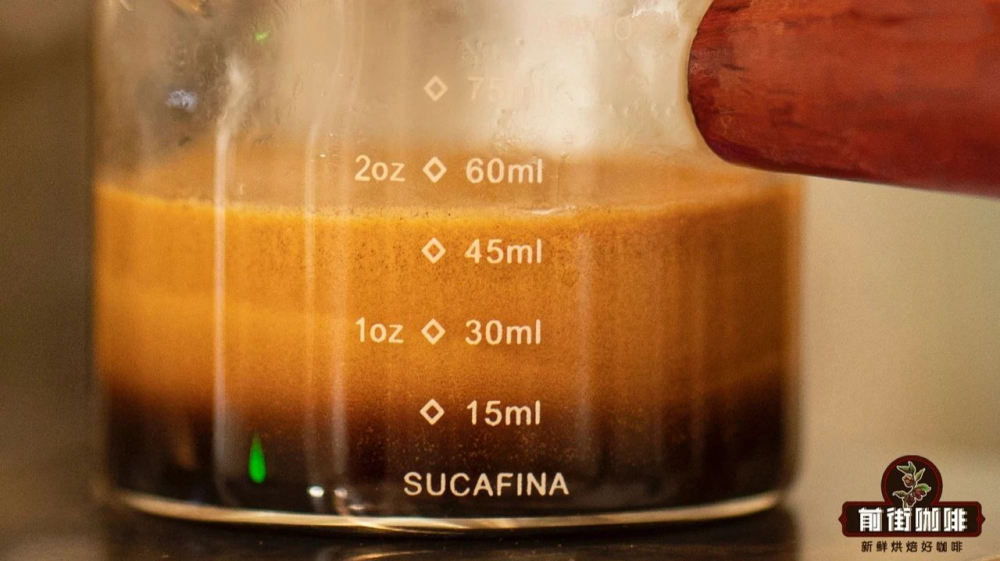
In addition, the color of the Crema is also an important visual indicator for assessing extraction status. Ideally, Crema should appearreddish-brown or dark brown,indicating uniform extraction and balanced release of coffee compounds. If the Crema color is too light, common causes might include too short an extraction time (e.g., less than 15 seconds), resulting in insufficient dissolution of soluble flavor compounds; or too low water temperature and insufficient pressure, leading to incomplete overall extraction.
Conversely, if the Crema color is too dark, or even has a near-charred black ring around the edge, this usually indicates over-extraction. This might occur when the extraction time is too long (e.g., over 30 seconds), causing excessive release of bitter and burnt particles. This not only affects the taste but can also easily lead to an imbalanced coffee flavor.
In summary, Crema is the “first business card” of espresso. Observing its thickness, stability, and color can help us quickly judge whether the extraction falls within a reasonable range. But at the same time, it’s important to remember that Crema is not the sole indicator of flavor. A truly delicious espresso requires finding the optimal balance among numerous parameters such as grind size, water temperature, pressure, and brew ratio, to deliver a complete and layered coffee experience.
The above content is compiled by CoffeeHunters, a coffee news website.


