







Introduction:The packaging and storage methods of green coffee beans determine their final flavor performance when they reach consumers. From traditional jute bags to modern vacuum packaging, and even advanced freezing preservation techniques, each method has its applicable scenarios and pros and cons. This article delves into the principles, costs, shelf life, and practical operational recommendations of various green bean packaging options, helping roasters and coffee enthusiasts master preservation essentials, extend bean freshness, and present the best possible flavors.
Throughout the entire process of transporting green coffee beans from origin to the roastery, the methods of packaging and storage play an extremely critical role, directly influencing the final brewed flavor. In the past, jute bags were the mainstream choice in the market. However, with the rise of the specialty coffee trend, more and more operators have adopted more precise packaging and warehousing management technologies, such as vacuum packaging, moisture-proof grain sacks, and even further employing freezing preservation to maintain the quality and freshness of green beans.
In this article, we will comprehensively introduce several commonly used green bean packaging methods in the industry today, including their advantages, limitations, cost differences, and suitability under different environmental conditions. Additionally, we will discuss the importance of warehouse environment control and clarify the diverse definitions of so-called "seasonal coffee beans." Whether you are a small-scale roaster, a café owner, or simply a coffee enthusiast interested in preservation, you can gain practical knowledge and operational references from this article.
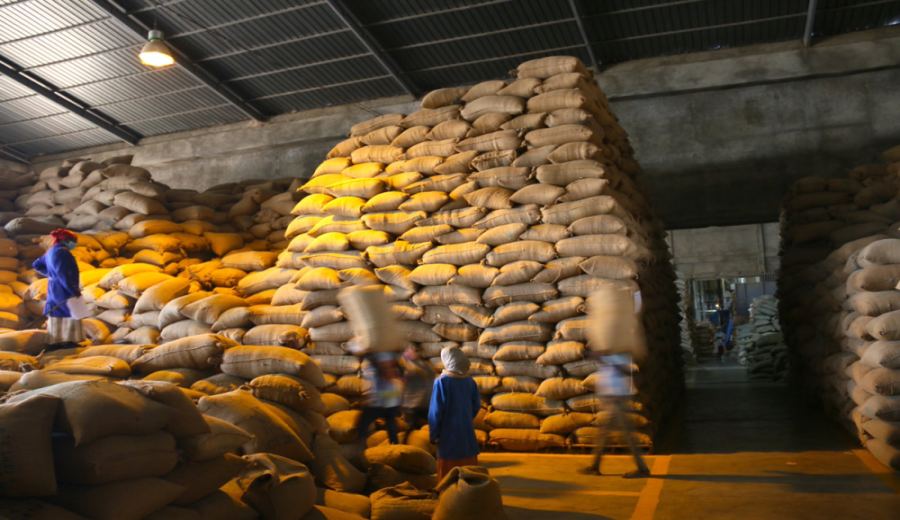
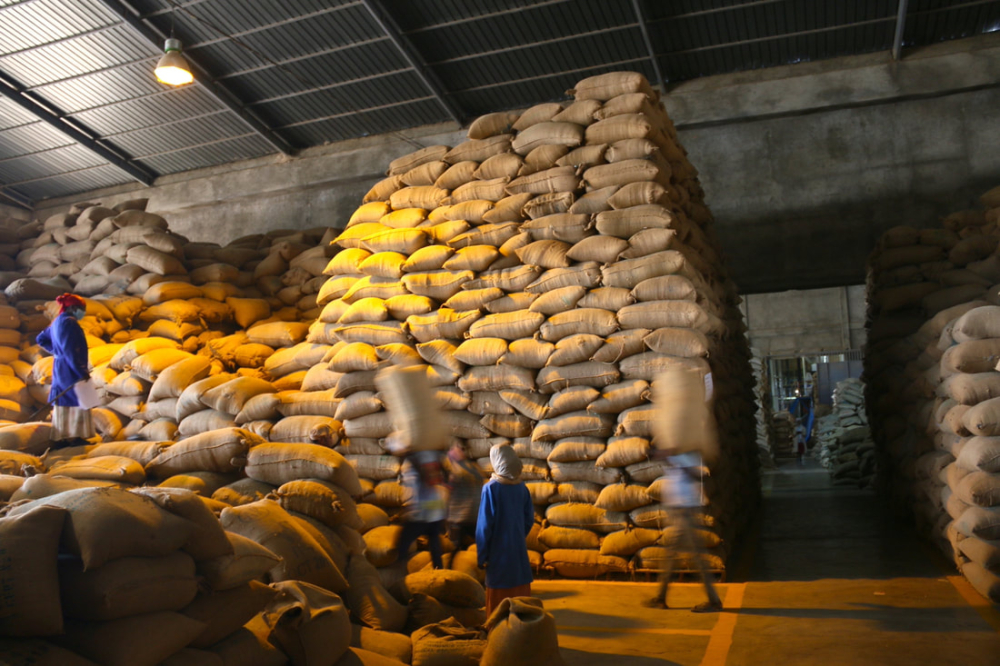
Traditionally, green coffee beans have almost always been packaged and transported in sacks made of jute. This type of packaging is low-cost, easy to produce, and does not require special equipment or processing techniques. However, the protective capability of jute sacks is relatively limited—they cannot effectively block the penetration of moisture, oxygen, and odors. As a result, green beans are prone to absorbing moisture or ambient odors during long-distance transportation or storage, which can affect the final roasting and brewing quality. Especially in environments without proper temperature and humidity control, green beans inside jute sacks may deteriorate noticeably within just a few months.
Over the past decade, with the rise of specialty coffee culture, some small and medium-sized roasters focused on high quality have begun to rethink the packaging and transportation models of green beans. These operators often collaborate directly with farmers at origin, participate in cupping and grading processes, and choose faster shipping routes paired with packaging solutions specifically designed to preserve coffee freshness. Although these packaging methods are more costly, as the prices of specialty coffee continue to rise year by year, most operators consider this additional expense to be within a reasonable range, especially when it results in higher-quality coffee beans.
One of the most commonly used packaging forms in the industry today remains the jute sack and its sealed alternatives. Due to their cost-effectiveness, jute sacks are still a common choice for many coffee importers and retail outlets (such as certain coffee shops). Jute is an environmentally friendly, renewable resource, and it is easy to process and use without requiring special equipment. However, precisely because of its material properties, jute sacks offer almost zero barrier against moisture and air. If the storage environment is poor, the beans can easily absorb moisture or odors, leading to flavor degradation.
For operators who wish to enhance preservation but have limited budgets, another common option on the market is high-density grain sacks. These packages are typically made from multi-layer plastic or composite materials and can provide better moisture resistance and oxygen barrier compared to jute sacks, effectively extending the shelf life of green beans. Although still not as effective as vacuum packaging, their preservation time is about two times longer than that of jute sacks, and the cost is only around $0.05 to $0.10 per pound (approximately €0.15 to €0.30 per kilogram). For roasters seeking a balance between cost and performance, this is a very practical choice. However, like vacuum packaging, it is essential to confirm the moisture activity of the green beans before bagging to prevent mold growth or microbial proliferation during long-term storage.
When it comes to the packaging method that best preserves the original flavor of green beans, vacuum packaging is undoubtedly the current technological top choice. Through the vacuum process, not only is oxygen completely isolated, but the penetration of moisture and odors is also significantly reduced, thereby suppressing the beans’ natural respiration and effectively slowing down the aging process. Green beans packaged with vacuum sealing can maintain their flavor characteristics for a longer period. However, it’s important to strictly monitor the moisture content of the green beans before sealing to avoid mold growth inside the package due to excessive humidity. Additionally, vacuum packaging has a relatively high overall cost—around $0.15 to $0.25 per pound (€0.45 to €0.75 per kilogram)—and requires specialized machinery for operation. It may also impact logistics efficiency, so it’s not suitable for all operators.
For extreme environments or long-term storage needs, some roasters adopt further freezing storage strategies. This method usually involves placing green beans in vacuum-sealed packaging and storing them in a frozen environment maintained at temperatures below 0°C (32°F). Practical tests have shown that this can preserve coffee flavors for several years, and in some cases, five-year-old green beans, after being thawed, can even perform comparably to freshly harvested beans within one month. However, this approach is relatively expensive—not only does it require specialized refrigeration equipment, but it also increases energy consumption and operational complexity. Therefore, market acceptance remains limited, and it is mostly used for special collections or the preservation of so-called “vintage coffee beans.” Nonetheless, in hot and humid regions, freezing storage is still regarded as one of the effective means to prevent rapid deterioration of green beans.
Regardless of which packaging and storage method is chosen, maintaining a stable warehouse environment is equally crucial. Extreme temperature fluctuations, excessive humidity, placing green beans near the ground (where temperatures are often higher due to condensation), or even too close to heat sources such as roasting machines can all adversely affect the quality of the beans. It is recommended that operators install temperature and humidity monitoring equipment in storage spaces and regularly check storage conditions to ensure that green beans remain in optimal condition until roasting.
Finally, in recent years, more and more roasters have advocated providing what is known as “seasonal coffee beans,” emphasizing the sale of only the freshest green beans harvested that season. However, there is no unified standard in the industry for the definition of “seasonal.” Some believe it must be beans newly harvested within the current year, while others take a more flexible approach—for example, considering beans harvested within six months as seasonal. Professional green bean buyer Ryan Brown once pointed out: “When we focus on seasonality, we’re essentially aiming to ensure the freshness of the coffee’s flavor. As long as that cup of coffee can showcase clear acidity, rich layers, and shows no signs of staleness or oxidation, then it’s a coffee that meets the standards of being seasonal.”
The above content is compiled by CoffeeHunters, a coffee news website.


