







Introduction:To understand the flavor differences in coffee, you must start with the origin. Different climates, altitudes, and processing methods create each region’s unique flavor profile. This article compiles the world’s top ten renowned coffee origins, from Ethiopia in Africa to Yunnan in Asia, delving into the typical characteristics, recommended brewing methods, and reference flavors of each area’s coffee. It will help you build regional recognition and find the most satisfying coffee experience.
The final aroma and taste of a cup of coffee largely stem from the inherent potential of the green beans. What shapes the character of the coffee beans is not just the variety, but also the land it grows on, the climate, and the processing techniques. Altitude, temperature, rainfall, soil, and even seasonal microclimates all subtly alter the final cup’s performance. Therefore, understanding the major global coffee regions is the first step toward advanced coffee appreciation.
The following introduces the world’s ten most representative coffee origins, spanning Africa, Central and South America, and Asia. Each region has its own unique flavor traits and signature products. Whether you’re a beginner pour over enthusiast or an experienced coffee connoisseur seeking new inspiration, you can find your preferred flavor direction here.
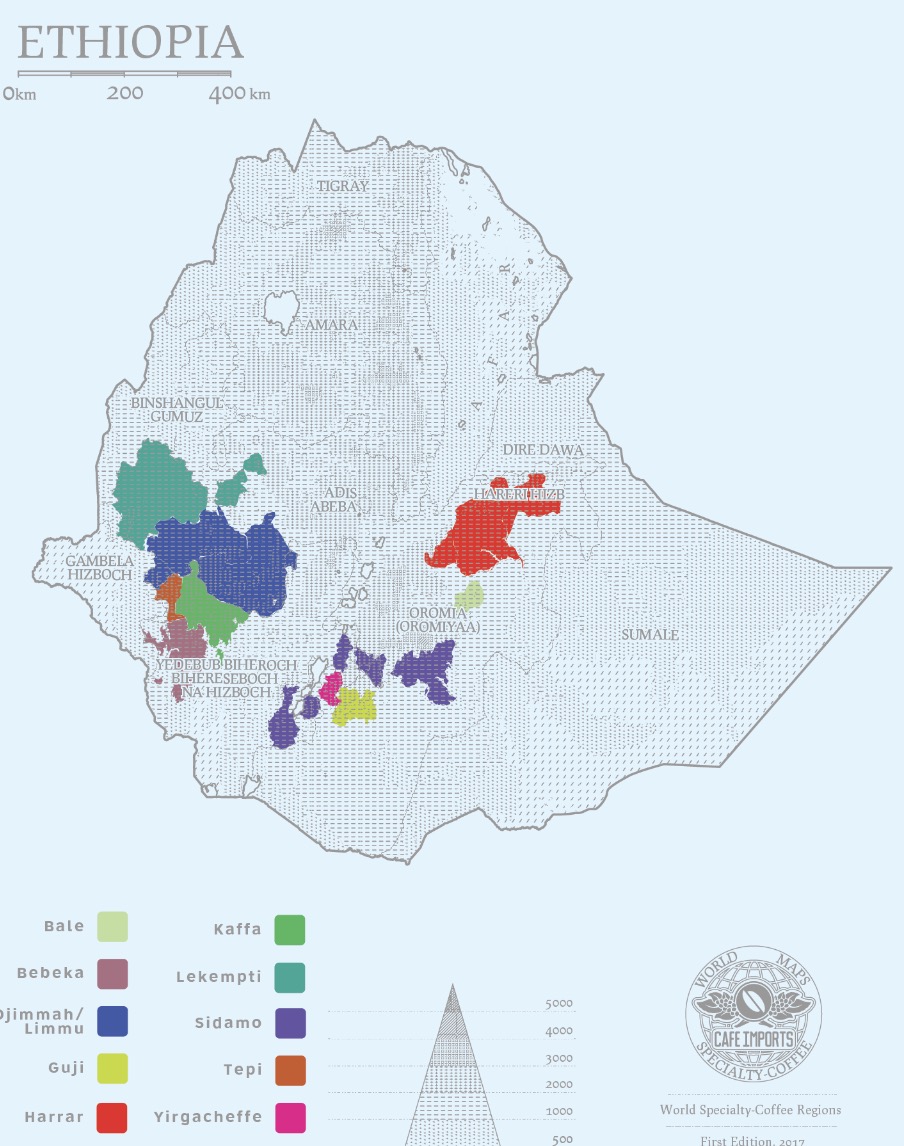
Ethiopia
As the birthplace of Arabica coffee, Ethiopian coffee has long been known for its bright acidity and rich fruitiness. In particular, theYirgachefferegion, at an altitude of about1800–2000 meters, is a symbol of the country’s specialty coffee. Coffee from this area often features fresh citrusy and lemony acidity, paired with elegant floral notes such as jasmine and blueberry. The taste is refreshing, like sipping a fruity tea. For pour over, it’s recommended to use a medium-light roast at around90–92°Cto bring out its layered floral and fruity aromas.
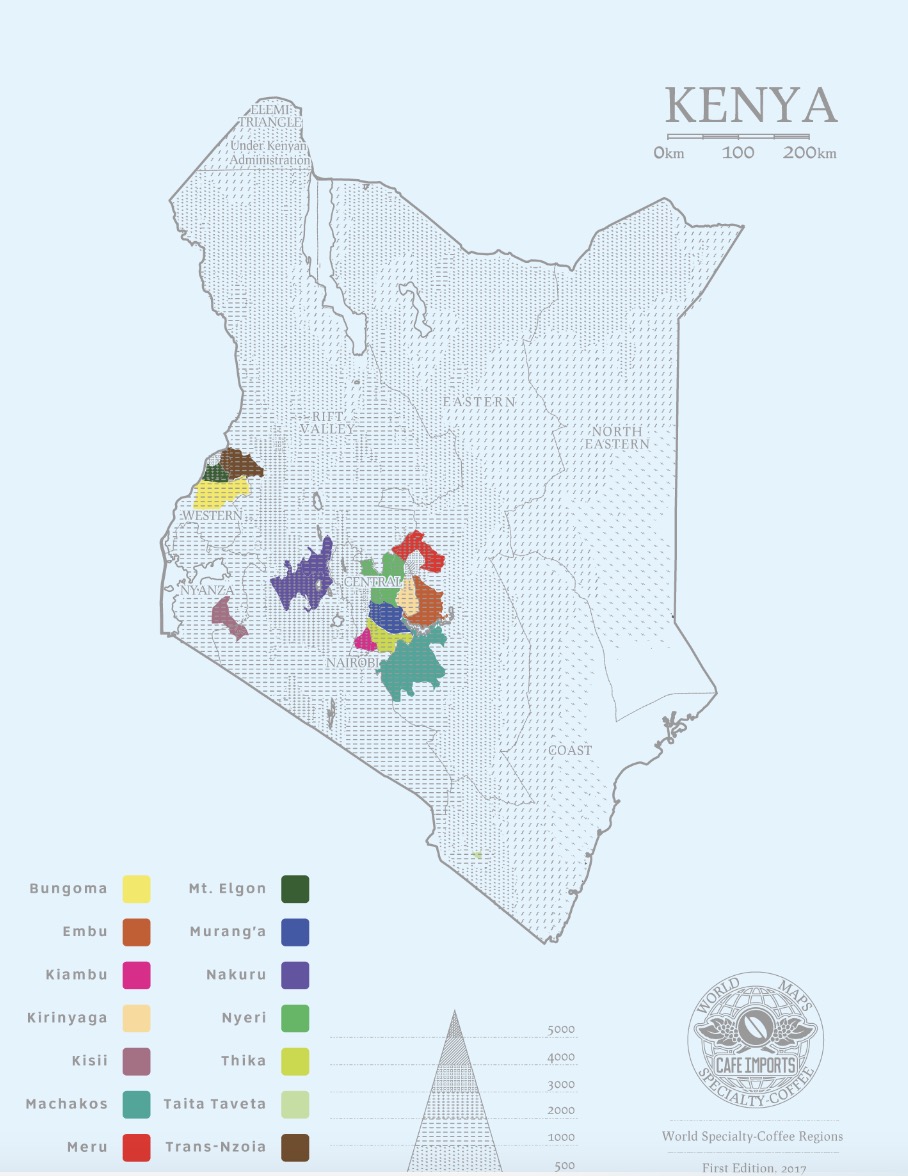
Kenya
Although neighboring Ethiopia, Kenyan coffee exhibits a completely different personality. Its beans are known for intense fruit acidity and juicy mouthfeel, especially bursting with flavors reminiscent of small tomatoes and berries. The main producing areas are concentrated in highland regions at1600–2100 metersaltitude, where phosphorus-rich soils contribute to a firm structure and excellent brightness.SL28SL28SL34and
SL34
are local classics, often processed using the K72 washed method, presenting complex layers of dark plum, cherry tomato, Asian pear, and subtle brown sugar. They suit drinkers who enjoy vibrant acidity.GuatemalaLocated in Central America, Guatemala features a diverse geography with volcanic soils and varied microclimates. Its coffee often carries soft berry acidity, nuttiness, and a hint of smokiness.Huehuetenangoregion, at an altitude of
1500–2000 meters
, is not volcanic but enjoys high-altitude cultivation conditions due to special geographical barriers. The coffee often has notes of nuts, lemon peel, and berries, with balanced sweetness and acidity and a long finish. Washed processing highlights cleanliness, making it suitable for users who prefer medium-bodied coffee with fruity flavors.PanamaPanama’s international coffee fame is largely attributed to theGeisha (Geisha)variety from theBoquete region. Grown at1400–1700 metersaltitude in a cool, misty environment that slows fruit ripening, it achieves unique aromas and acidity. Beyond Geisha, Boquete’s coffee also often features delicate flavors of citrus, berries, honey, and cocoa. Sun-dried processing tends to amplify its sweetness and fruity characteristics. For pour over, gentle extraction is recommended to highlight its refined layers.
Colombia
As the world’s second-largest producer of Arabica coffee, Colombia is known for its stable quality and elegant profile.Huila regionlies at the southern foothills of the Andes, at1500–1800 metersaltitude. Its coffee often carries berry acidity, nuttiness, and a caramel finish, with a full and balanced mouthfeel. This coffee is generally suitable for various brewing methods. Washed processing delivers clean acidity and sweetness, making it an excellent choice for beginners to explore South American flavors.
Costa Rica
Costa Rican law mandates the cultivation of only Arabica and emphasizes high-altitude growing.SHB (Strictly Hard Bean)grade coffee is mostly produced at elevations above1500 meters.Tarrazúregion is the hub of the country’s specialty coffee. Its beans are plump with a rich body, often exuding aromas of sweet orange, honey, nuts, and toffee. The acidity is mild yet layered. Its washed processing highlights cleanliness and balance, making it ideal for those seeking a full-bodied taste.

Brazil
Brazil is the world’s largest producer of Arabica coffee, supplying not only commercial beans but also many high-quality single-origin offerings.Cerrado regionis located in the western part of Minas Gerais, at an altitude of around1000 meters. Its coffee is characterized by low acidity, rich caramel and chocolate notes, and a round mouthfeel with a hint of creaminess. Semi-washed processing gives the coffee more sweetness, making it suitable for those who enjoy a full-bodied profile and pairing with milk. It is also a classic base for espresso.
Indonesia
Indonesian coffee was often used in blends for its earthy and spicy complexity, butArabica from Sumatra’s Lintong and Aceh regionshas now gained favor in the specialty market. The localwet-hulled (Giling Basah)processing method brings out intense caramel, nutty, and herbal aromas, often accompanied by spice and pine notes. For instance,Lintong Mandhelinggrown at1100–1600 metersaltitude offers a bold flavor and long-lasting aftertaste, suiting deep roasts or those who prefer a strong, rich taste.
Jamaica Blue Mountain
Jamaica Blue Mountain coffee is hailed as one of the world’s finest. Grown in the Blue Mountains at an altitude of1310 meters and above, the Clifton Estate is its representative. Blue Mountain coffee is known for its balanced acidity, sweetness, bitterness, aroma, and body. It has a rich yet refreshing taste, often featuring black chocolate, nut, and cream aromas. Its harsh growing environment—afternoon cloud cover and mineral-rich volcanic soil—contributes to its irreplaceable flavor status. It’s a classic not to be missed by coffee lovers.
Yunnan, China
China’s Yunnan region, with its geography and climate, has become an important coffee-producing area in East Asia. Small-seeded varieties thrive at around1100 metersin dry-hot river valleys, offering moderate acidity and strong aromas.Typicavarieties are known for their clean, delicate flavors, often with notes of berries, brown sugar, and black tea. The mouthfeel is full-bodied and layered. Sun-dried processing enhances fruitiness and sweetness, making it an entry point for experiencing Eastern-flavored coffee and suitable for those who enjoy mild, sweet-and-sour profiles.

The above content is compiled by CoffeeHunters, a coffee news website.


