








Introduction:Want to delve deeper into the classic Gesha coffee from Guatemala’s Antigua region? This article takes you on an exploration of this washed coffee bean based on Bourbon, Caturra, and Catuai varieties, analyzing the origins of its smoky flavors, the advantages of high-altitude cultivation and organic management, and providing expert pour-over recommendations and V60 three-stage extraction parameters to help you perfectly showcase its layered flavors of berries, citrus, and chocolate.
Guatemalan Antigua coffee is renowned for its distinctive smoky, charred aroma, often affectionately called "cigarette coffee" by many coffee enthusiasts. Grown in a valley surrounded by three volcanoes, this coffee benefits from volcanic pumice soil, high-altitude microclimates, and shaded planting, resulting in a complex and profound flavor profile. This article starts with the region’s history and soil characteristics, introduces you to the signature Gesha coffee beans from La Límita Estate, deeply analyzes its varietal combination and washed processing technique, and offers practical pour-over extraction advice to help you fully grasp the characteristics and brewing secrets of this classic bean.
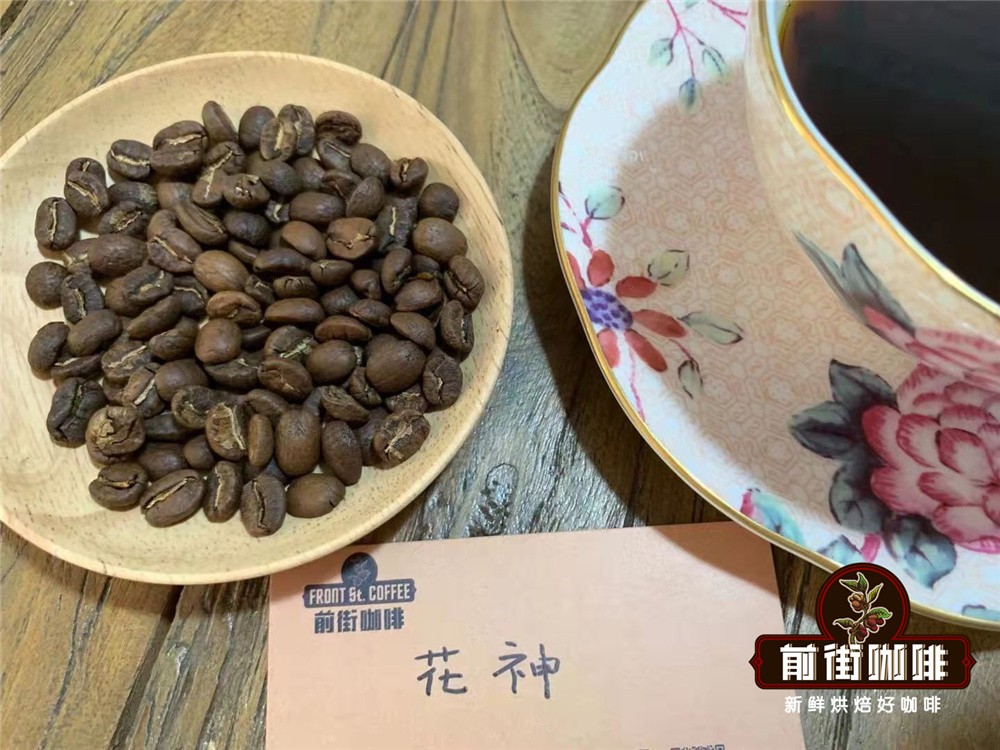
The coffee from Guatemala’s Antigua region is known for its rich, full-bodied mouthfeel and a hint of tobacco aftertaste, often appearing on the menus of many specialty coffee shops. Those who love it are particularly drawn to its unique smoky aroma. In fact, this distinctive charred flavor is closely related to the region’s volcanic activity, which occurs approximately once every thirty years. The pumice and minerals left behind after volcanic eruptions are rich in nitrogen, which the coffee trees absorb during growth, giving Antigua coffee a delicate smoky note in its aftertaste, even earning it the nickname "cigarette coffee." However, compared to other volcanic regions, Antigua’s smoky character is more concentrated and pure, which is also part of its enduring charm.
When talking about Antigua coffee, one cannot fail to mention the city of Antigua— one of the most historically and culturally rich cities on the American continent. As early as 1543, it served as the colonial capital of Central America, with the Spanish Governor's Palace located here. However, the devastating earthquake of 1773 nearly destroyed the city, leading to the relocation of the capital to what is now Guatemala City. Despite the disasters, Antigua still retains numerous colonial-era architectural features and now resembles a vivid living museum. Antigua coffee is grown in a valley surrounded by three active volcanoes, and the region’s unique altitude, temperature, and sunlight create astonishing flavors in the coffee despite the harsh natural environment.
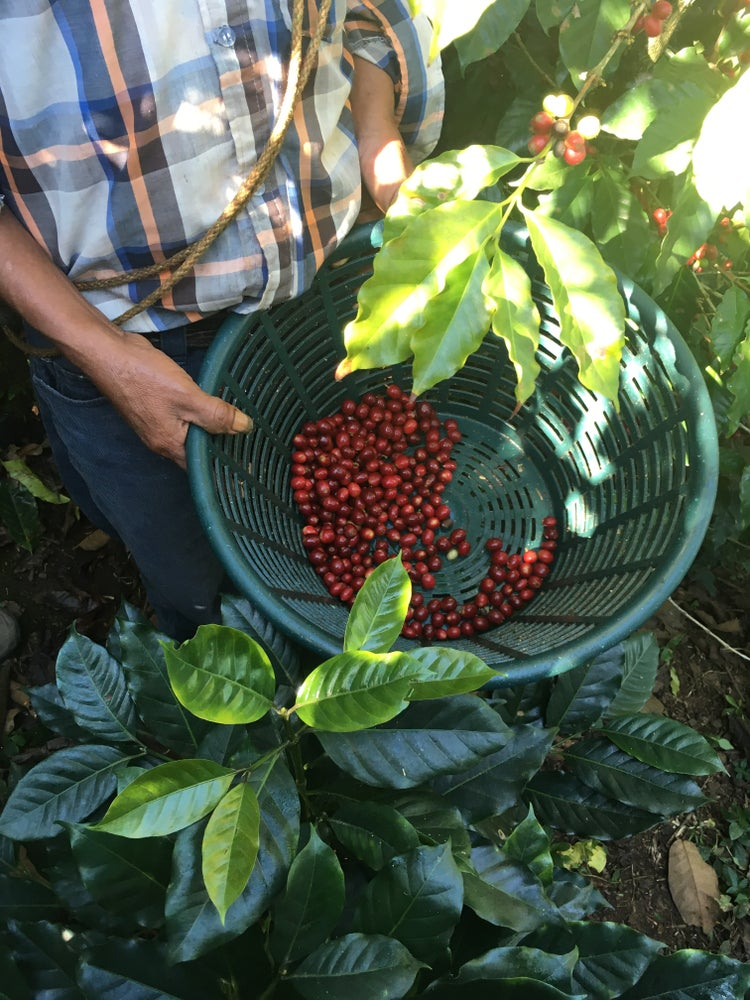
The story of Guatemalan coffee actually dates back to the Spanish colonial period in the 16th century. At that time, much of the Mayan civilization was destroyed, but the volcanic soil provided excellent conditions for coffee cultivation. The history of Antigua coffee can be traced back to the Mayan era, where locals had long cultivated Arabica Bourbon varieties. Although yields were not high, the quality was exceptional. Traditionally, local farmers often harvested ripe and unripe coffee cherries together, sometimes even mixing in leaves, then directly sun-dried them. Because the coffee beans were in prolonged contact with the ground, they easily absorbed off-flavors, resulting in a special salty taste in the coffee. While this processing method wasn’t accepted by the mainstream market, it was part of the local culture. Even amid hardship, many farmers say that coffee is their source of happiness.
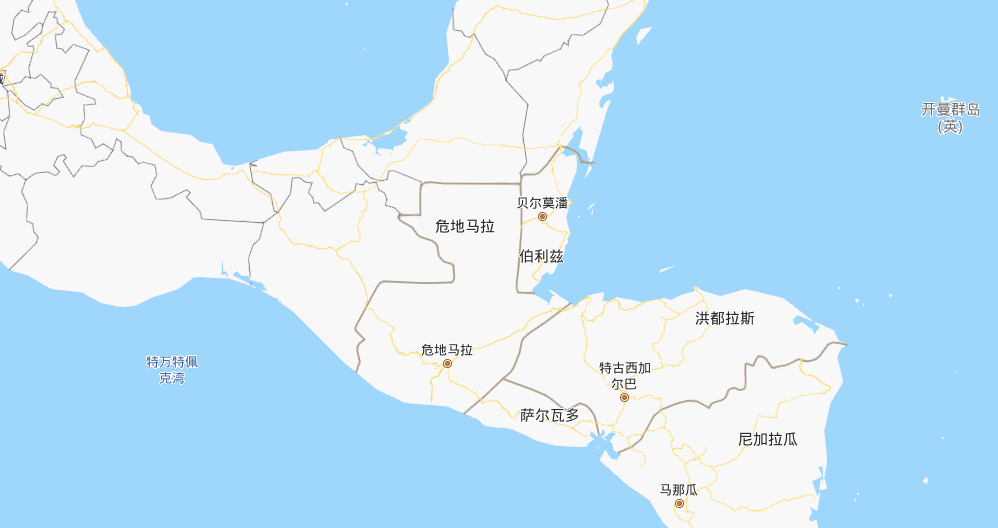
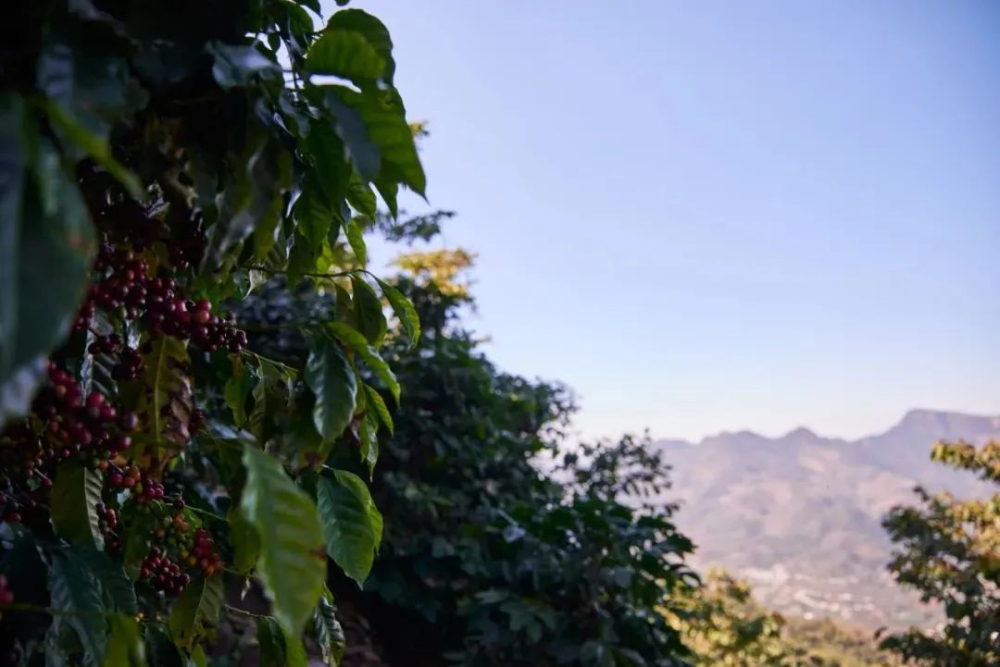
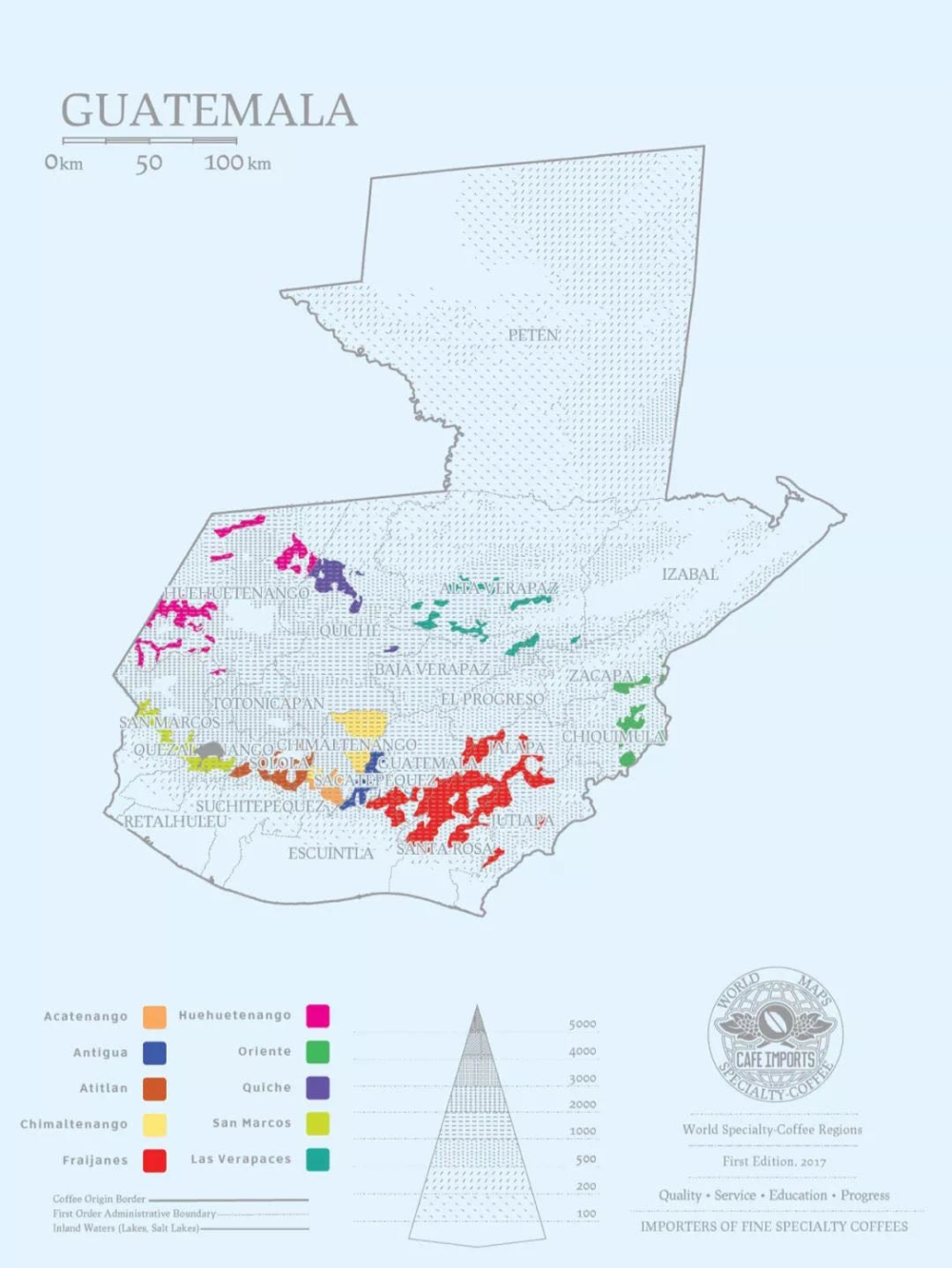
The Antigua region is located in southern Guatemala, nestled among the Agua, Fuego, and Acatenango volcanoes. While summer rainfall is relatively low and winter occasionally brings frost, the volcanic pumice soil formed after eruptions has good water retention properties. Additionally, the area has many shade trees that effectively mitigate the impact of low winter temperatures on coffee trees. The significant diurnal temperature variation creates an ideal microclimate, conducive to the accumulation of coffee flavor compounds. The Gesha coffee beans from La Límita Estate come from this region and are processed using the washed method, resulting in their unique clean flavor and bright acidity.
La Límita Estate is renowned for its high-standard cultivation and meticulous processing procedures. They entrust the harvested coffee beans to Las Pastores, the largest washed processing plant in the region, for professional processing, and the final green beans are named "Gesha." This coffee not only retains the distinctive flavors of the Antigua region but also showcases rich floral and tea aromas. Upon tasting, it delivers a fresh lime acidity and berry notes, with a sweet, honey-like finish. The overall profile is clean and well-layered, making it one of the representative coffees of the region.
The varietal combination of Gesha coffee beans is primarily Bourbon, Caturra, and Catuai. The Bourbon variety is known for its balanced flavor, with moderate acidity and sweetness and a classic nutty profile; Caturra offers lemon or citrus acidity, with sweetness varying depending on fertilization management. Although it has higher productivity, it requires continuous pruning and fertilization, and its harvest period is longer; Catuai combines the strengths of Caturra and Typica, offering stability and strong disease resistance. The combination of these three varieties gives Gesha coffee a complex and layered flavor spectrum.
In terms of processing methods, the Antigua region, like most Central American countries, prefers the washed process. The advantage of the washed method is its ability to consistently process large quantities of coffee beans while improving the uniformity of green bean quality. The washed processing steps include: first using water flow flotation to select high-density fruits, then removing the skin and pulp, followed by placing the mucilage-covered coffee beans into fermentation tanks to break down the mucilage layer. Afterward, the residues are washed away with clean water, and finally, the beans are dried to a moisture content of about 11%. This process gives Gesha coffee a clearer acidity and a purer flavor expression.
When roasting Gesha coffee beans, a medium-light roast strategy is employed to preserve the coffee’s floral and fruity aromas and bright acidity, while enhancing the overall balance and depth of flavors. For pour-over extraction, it is recommended to use a V60 filter, paired with medium-fine grind (e.g., 80% passing rate through a Chinese No. 20 sieve, roughly the coarseness of fine sugar), with a brew ratio set at 1:15 and water temperature controlled at 91°C. Specifically, a three-stage pouring method is suggested: start with a 30-second bloom using 30 grams of water to release carbon dioxide; then pour in a small circular motion until reaching 125 grams for the first pour, continue to 225 grams, and then stop. Once the water has completely dripped through the filter, remove it. The total extraction time is about 2 minutes. Finally, stir the coffee and pour it out for drinking, allowing you to fully experience its captivating combination of berry acidity, citrus notes, and subtle chocolate aftertaste.
In summary, Guatemala Antigua Gesha coffee, with its smoky background, high-altitude volcanic soil, and rigorous organic management, results in a classic coffee that balances sweetness and acidity with a richly layered profile. If you’re a pour-over enthusiast, try brewing with the above parameters to experience the unique charm of this legendary coffee from Central America.
The above content is compiled by CoffeeHunters, a coffee news website.


