







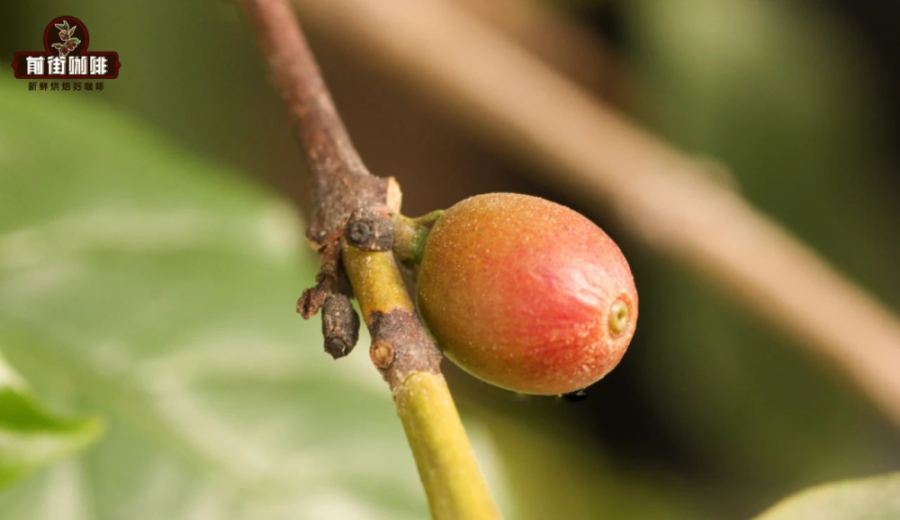
Introduction:The unique flavors of coffee beans actually begin to take shape long before roasting. Washed and natural (sun-dried) are two of the most common processing methods for green coffee beans. Not only do they differ significantly in their production processes, but they also directly influence the final aroma, acidity-sweetness balance, and complexity of the coffee. This article will delve into the processing principles, step-by-step details, and typical flavor profiles of both methods, helping you understand how processing shapes different coffee experiences.
Many beginners often wonder: are coffee beans simply the fruit of the coffee tree? The answer is: coffee beans are actually the seeds inside the coffee fruit, or the pits. A whole coffee cherry consists from the outside in of the skin, pulp, mucilage layer, parchment, silver skin, and finally the inner seed (the coffee bean). If these outer layers are not properly processed, they can seriously interfere with the final flavor of the coffee. Therefore, green coffee beans must undergo a series of post-harvest processing steps before they can be roasted.
Among them, washed and natural are the two most mainstream processing methods. They differ greatly in drying methods, fermentation levels, time cycles, and reliance on climate, resulting in distinctly different coffee flavor characteristics. This article will provide a detailed analysis of the steps, principles, and actual effects of both processing methods on coffee flavor, helping you better understand the story behind each cup of coffee.
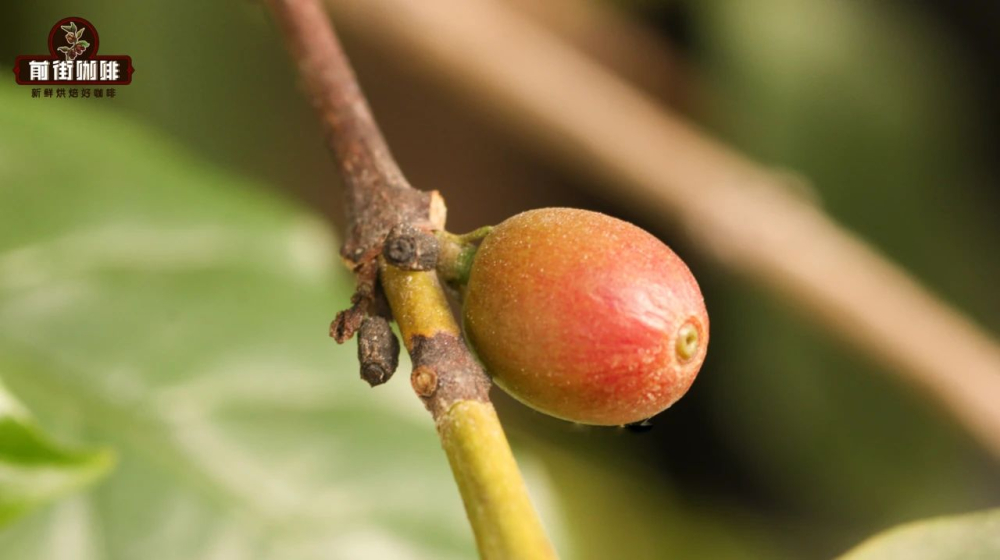
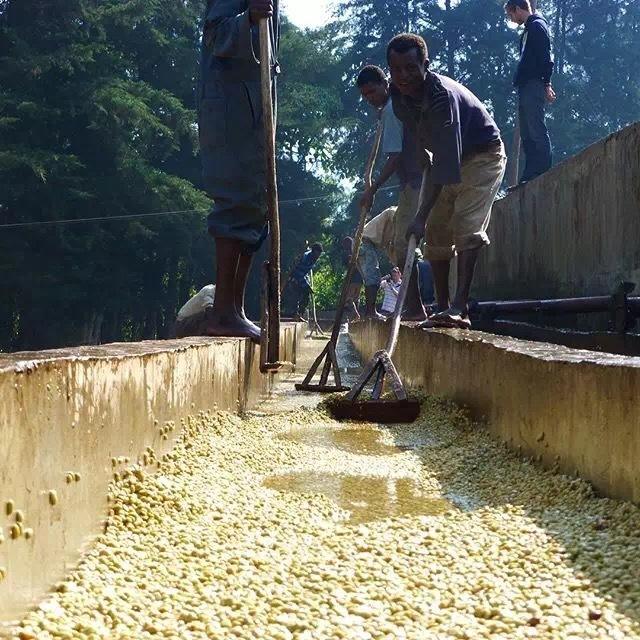
First, the washed process is relatively complex and requires higher environmental control. After harvesting, the coffee cherries are first subjected to flotation to remove underripe or overly dense fruits. Then, mechanical removal of the outer skin and pulp leaves the beans coated with a mucilage layer, which are then placed in water tanks for fermentation. This fermentation period typically lasts about 12 to 36 hours, depending on local temperature and bean condition. This fermentation process helps break down the sticky mucilage layer but may also produce slight fermented flavors.
After fermentation, the beans are thoroughly rinsed with clean water to remove residual mucilage, then moved to drying patios to dry until their moisture content is reduced to 11% to 13%. The advantage of this method is that it reduces dependence on weather, and because most outer layers have been removed before drying, the overall drying time is usually shorter, also helping to maintain a cleaner cup profile.
Washed coffee generally exhibits bright acidity, clear flavor separation, and higher cleanliness. Especially beans grown at high altitudes, when processed using the washed method, often show refined citrus, floral, or nutty notes, making it suitable for drinkers who prefer a clean and refreshing taste. In addition, this method has stricter control over hygiene conditions, helping to reduce the risk of off-flavors.
In contrast, the natural (sun-dried) process can be considered the most traditional and weather-dependent method. Instead of immediately removing the pulp and mucilage, this method involves directly exposing the entire coffee cherry with its outer layers to sunlight until the overall moisture content is reduced to 11% to 13%. This process usually takes about 2 to 4 weeks, during which the beans gradually dry and interact with the sugars in the fruit.
Throughout the lengthy sun-drying process, the natural sugars in the pulp and mucilage gradually seep into the beans, thereby imparting a richer sweetness, more intense berry or tropical fruit aromas, and a more complex flavor profile. The biggest advantage of this method is that it doesn’t require large amounts of water, making it highly suitable for regions with water scarcity. It can also preserve more of the original flavor characteristics from the fruit.
However, the natural process also comes with higher risks. For example, changes in weather can lead to over-fermentation or uneven fermentation. If not properly controlled, it can easily result in overripe, winey, or dirty flavors. Therefore, the quality of natural coffee greatly depends on processing experience and environmental conditions.
To distinguish washed and natural green beans by appearance, you can observe their color: washed beans are usually bright green with a cleaner surface; while natural beans tend to be yellow-green or have an amber hue, as residual pulp makes their color darker and less uniform. Moreover, at the roasted stage, natural beans often have a smoother surface with fewer silver skin remnants because the silver skin adheres more tightly to the bean and tends to come off in larger pieces during roasting. In contrast, the silver skin of washed beans often remains attached in the bean grooves, leaving noticeable midline silver skin marks after roasting.
Based on extensive cupping experience, washed coffee often demonstrates higher acidity brightness and a clean mouthfeel, with a relatively simple yet precise flavor profile, making it ideal for those who enjoy distinct layers and vibrant acidity. Natural coffee, on the other hand, is known for its rich fruit tones, intense sweetness, and complex aromatic layers, catering to those who seek full-bodied taste and deeper flavor complexity.
Whether washed or natural, both processing methods have their own unique charm and challenges, and each suits different flavor preferences and consumer markets. Understanding these processing differences not only helps you more accurately select coffee beans that match your taste, but also allows you to more deeply appreciate the craftsmanship and story behind each cup of coffee.
The above content is compiled by CoffeeHunters, a coffee news website.


