








Introduction:Did you know? With the same coffee beans, grind size, and dose, simply adjusting the brew ratio of espresso can dramatically alter the final flavor profiles of both lattes and americanos. This article presents practical findings using Colombian and Brazilian blend beans—keeping the dose fixed at 20 grams—and experimenting with three different brew ratios: 1:1, 1:1.5, and 1:2. We take an in-depth look at acidity, sweetness, aftertaste, and risks of over-extraction, while offering useful recommendations based on varying taste preferences, helping you dial in your ideal cup.
When using the same coffee beans with consistent grind size and dose, how does altering the espresso brew ratio affect the final flavors of lattes, americanos, and even the espresso itself? This experiment is based on a blend of Colombian and Brazilian beans, using a fixed dose of 20 grams, and extracting with three different brew ratios: 1:1, 1:1.5, and 1:2. We comprehensively analyze the impact of these ratios on overall coffee performance—from acid-sweet balance and aftertaste length to over-extraction risks—and provide parameter suggestions tailored to different drinking preferences (such as those favoring milk aroma, sweetness, or layered complexity).

Many coffee enthusiasts often ask: if you’re using the same beans, same grind size, and same dose, do you need to adjust the espresso brew ratio differently when making lattes, americanos, and straight espresso? The answer is yes. To address this question, we conducted real-world tests to examine how different brew ratios influence the flavor of espresso, as well as how they perform when made into milk-based drinks and americanos. Below, we start by looking at latte parameters to help you understand how brew ratio shapes the overall flavor direction.
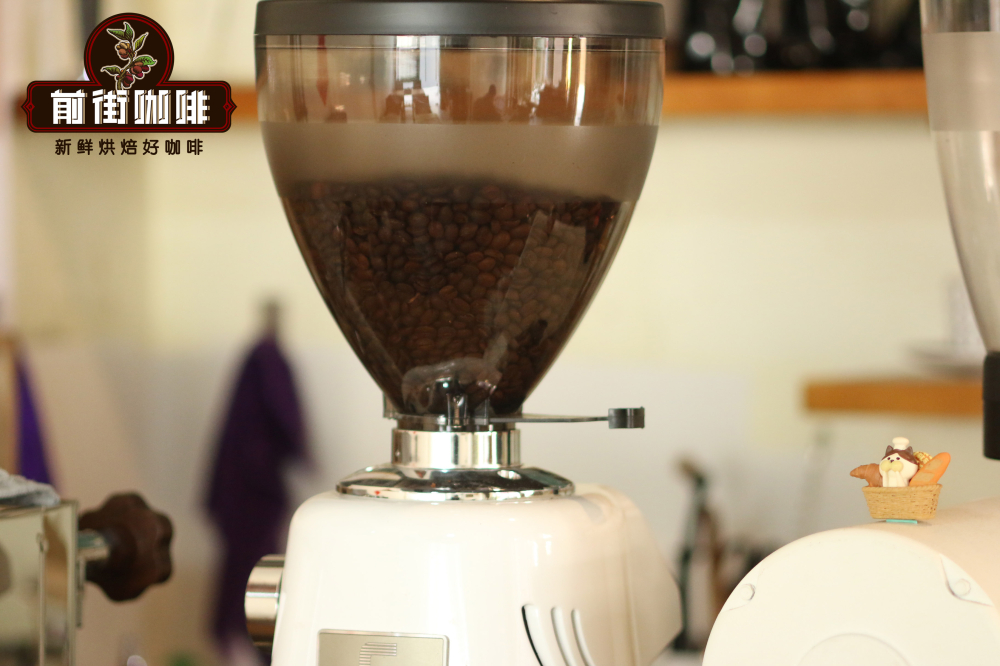
The cups used in this experiment were standard latte-sized cups with a capacity of about 300 milliliters; the coffee beans were a blend of Colombian and Brazilian beans, and the grind setting was adjusted to 1.9 on the Feima 900N grinder. Extraction was performed using a single-shot portafilter with a fixed dose of 20 grams, and three brew ratios—1:1, 1:1.5, and 1:2—were tested to observe flavor variations.

First, let’s look at the 1:1 group—where 20 grams of coffee yielded just 20 grams of espresso, with a total extraction time of around 19 seconds. With this brew ratio,the espresso itself had a smooth mouthfeel but displayed a more pronounced acidity,along with notes of cream and nuts, and a long-lasting sugarcane-like sweetness in the aftertaste. When used to make a latte, the aroma was predominantly nutty, with distinct notes of nuts, chocolate, and cream coming through in the cup, plus a hint of buttery cookie-like fragrance. The overall sweetness was clear, enhanced by the milk. If this same ratio was used to make an americano, it emitted a caramel-like aroma, had a soft and smooth mouthfeel, and featured a subtle red berry note.
Next is the 1:1.5 group—20 grams of coffee yielding 30 grams of espresso, with a total extraction time of around 27 seconds. At this ratio,the espresso had a noticeable berry-like acidity,with chocolate and hazelnut aromas gradually emerging in the mid-palate, and a long, layered finish. As a latte, the aroma leaned toward caramel, and the flavor was a well-balanced combination of cream, milk chocolate, and a touch of nuts—the milk and coffee were perfectly matched. When made into an americano, subtle berry acidity could be detected, with a clear sugarcane sweetness in the aftertaste.
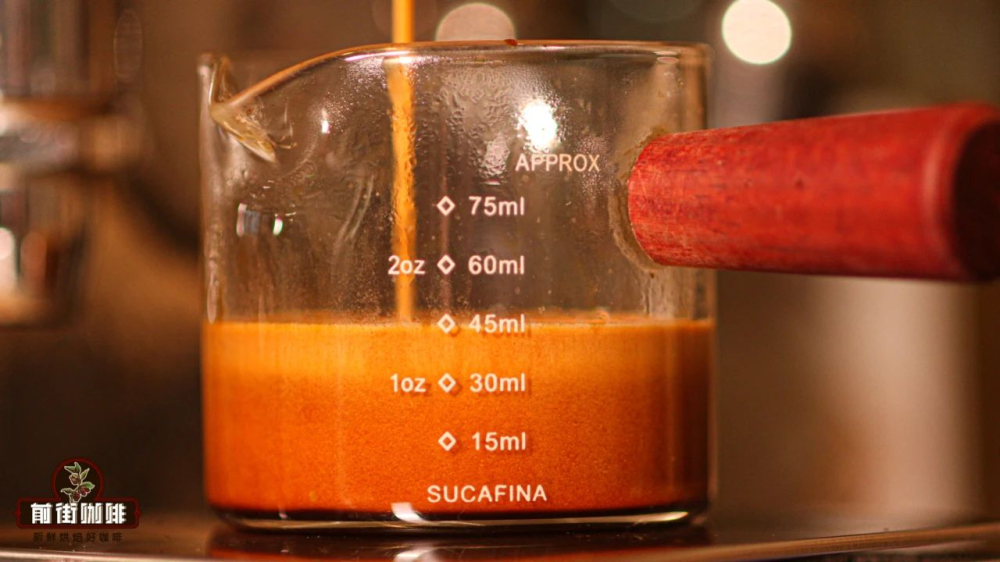
Finally, the 1:2 group—20 grams of coffee yielding 40 grams of espresso, with a total extraction time of around 34 seconds. The flavor profile of this espresso was distinctly different,offering a creamy, sweet impression upon entry,with a clean, sweet aftertaste reminiscent of rock sugar, though a faint smokiness lingered in the finish. As a latte, although the overall expression was lighter, a toffee-like sweetness could still be tasted, and the aftertaste carried cinnamon and woody nuances. When brewed as an americano, the woody character was immediately perceptible, with the dominant flavors being cocoa and wood.
A comprehensive comparison reveals that:espresso with a lower brew ratio tends to have more pronounced acidity when consumed straight,but shows enhanced sweetness when milk is added, and also produces a smoother and softer americano. This is because shorter extraction times mean the extracted compounds are mainly from the early phase, reducing the risk of over-extraction. Moreover, with the same total volume, a higher proportion of milk naturally amplifies the perception of sweetness.
Conversely, espresso with a higher brew ratio may taste lighter on its own with relatively more apparent sweetness, but woody and smoky notes tend to emerge earlier. Whether in straight espresso, lattes, or americanos, a stronger sense of over-extraction can be perceived. The 1:1.5 ratio strikes a relatively balanced profile—whether in terms of the layered complexity of the espresso, the harmony of flavors in the latte, or the integration in the americano, it offers a middle-ground that is generally well-received.
If you prefer lattes with prominent sweetness or wish for a smoother-tasting americano, try using espresso brewed at a 1:1 ratio. If you value layered flavors and seek a balanced interplay between coffee and milk in your latte, the 1:1.5 ratio will be more suitable.
As for which coffee beans to choose for espresso—while the blend used in this experiment already demonstrates good adaptability, if you want to further enhance extraction performance, we recommend using a classic dark-roasted three-origin blend, such as one composed of Brazilian, Indonesian, and Vietnamese beans. These can produce rich and velvety crema, delivering stable and full-bodied flavors whether brewed as an americano or paired with milk in a latte. Such beans, blended from multiple origins, are also effective in mitigating flavor fluctuations caused by climatic factors in any single producing region, ensuring a consistent tasting experience year after year.
The above content is compiled by CoffeeHunters, a coffee news website.


