







Introduction:Faced with a dazzling array of coffee bean options, do you know how to pick the one that suits you best? This article delves into the pairing of brewing methods and bean varieties, the relationship between roasting and resting periods, regional flavor characteristics, and how to identify coffee bean grades through their names. Whether you're a pour over beginner or a coffee enthusiast, you'll gain practical tips to find the beans that best match your taste.
Whether you’re browsing coffee bean products online or walking into a café and seeing a variety of beans on the shelves, many people experience choice paralysis. In fact, by mastering a few key elements—from the brewing equipment you use, to the roast date and resting time, to regional characteristics and grade information—you can effectively narrow down the beans that suit your taste best. This article will detail how to choose the right bean variety based on brewing method, understand the impact of resting period on flavor, select desired coffee based on region and roast flavor descriptions, and identify coffee grades through names, supplemented with common examples to help you build a complete coffee selection mindset.
When you open a shopping website or walk into a coffee shop and are overwhelmed by the various coffee bean options, don’t rush to decide. In fact, as long as you understand the matching principles between brewing methods and bean varieties, you can significantly narrow down your choices. Currently, coffee beans on the market can be broadly divided into two categories: single-origin coffee beans and espresso blends. Single-origin beans come from a single region or farm, often showcasing clear and layered flavors; whereas espresso blends combine beans from different origins, aiming to ensure consistent and stable flavors, often delivering a richer and more robust taste.
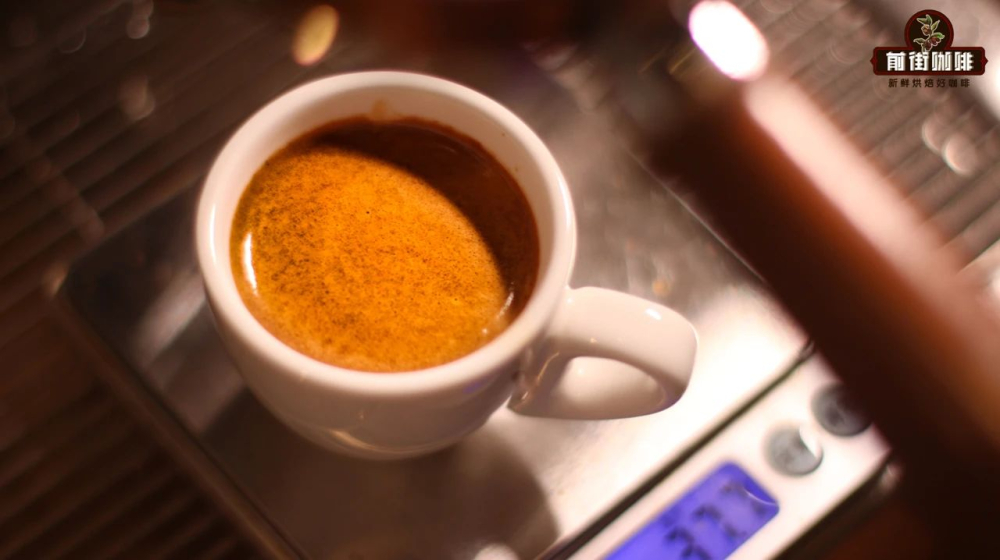
If you prefer using pressurized extraction equipment such as a moka pot or espresso machine, espresso blends are a more ideal choice; conversely, if you commonly use drip methods such as pour over, French press, cold drip, cold brew, siphon, or Americano machines, single-origin beans can better express their delicate original flavors. Of course, these two are not absolute—some shops adjust the roast profile for different brewing methods, making single-origin beans suitable for pressurized extraction, or blends that deliver the freshness of drip coffee.
For example, some espresso blends are specifically designed for espresso-style extraction, such as certain blends mixing Colombian and Brazilian beans in specific ratios, which can bring out rich nutty and chocolatey aromas, suitable for those who enjoy a full-bodied, balanced cup. If you’re after this kind of flavor, you might want to prioritize such blend designs.
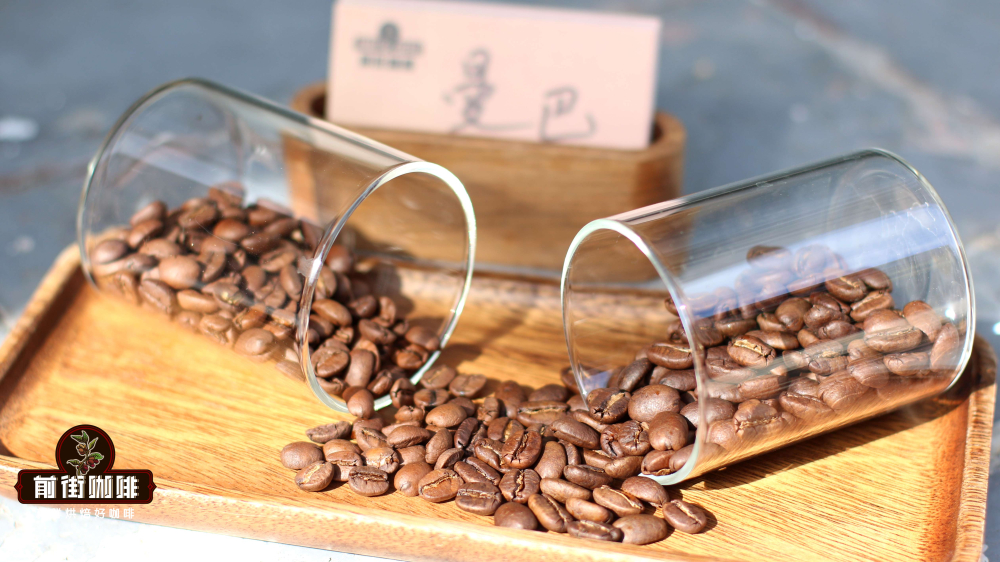
Many people overlook an important detail when buying coffee beans: freshness. In fact, coffee bean flavors gradually diminish over time, so it’s essential to pay attention to the roast date when purchasing. Generally, single-origin beans enter their optimal flavor window 15 to 20 days after roasting, lasting up to around 30 days; while espresso beans are recommended to be consumed within 30 days of roasting, with the ideal tasting period being within 45 days.
However, freshly roasted beans are not necessarily ready for immediate extraction. This is because newly roasted coffee beans release a large amount of carbon dioxide and carry smoky off-flavors, both of which can affect the final extraction and flavor expression. Therefore, it’s recommended to let newly purchased beans sit in a sealed package with a one-way valve to allow the beans to naturally release CO₂—a process called “resting.” Resting time varies depending on roast level: medium to medium-light roasts are recommended to rest for 3 to 4 days, medium-dark roasts for 5 to 6 days, and espresso beans for 7 to 10 days to achieve optimal flavor.
If you want to choose single-origin beans based on flavor preferences, it helps to first understand the typical characteristics of different regions. Generally, beans from African regions such as Ethiopia or Kenya often exhibit bright floral notes, fruity acidity, and tea-like qualities, suiting those who prefer a fresh profile, usually roasted medium-light; Central and South American regions such as Brazil and Colombia tend to show nutty, caramel, or chocolatey tones, suitable for medium roasts with a solid and steady taste; as for Asian regions like Indonesia, their beans usually have low acidity, bold intensity, and even earthy or spicy notes, suited for medium-dark roasts, with flavors leaning towards a thick and mellow profile.
For instance, beans from the Yirgacheffe · Guji Dingding Cooperative often carry citrus and floral notes, representing a classic medium-light roast; whereas Brazil · Queen Estate or Papua New Guinea · Paradise Bird showcase rich nutty and chocolatey tones, falling into the medium to medium-dark roast range. Additionally, some beans using special processing methods, such as Honduras · SHG SHB or Costa Rica · Mozart, may present wine-like or intense fruit aromas, with distinctive flavor profiles, suitable for those who enjoy unique tastes.
Moreover, you can also preliminarily judge a coffee’s grade through its name. For example, “Jamaica Blue Mountain No.1” represents the highest grade batch of Blue Mountain coffee; “Elida Estate Red Label Geisha” is the top-tier representative of Panamanian Geisha, widely acclaimed in the industry; and Indonesia’s “PWN Golden Mandheling” consists of premium-grade Mandheling beans that have undergone multiple hand-sortings—these products usually have a good reputation and are often chosen as gifts.
Finally, regarding the form of purchase, it’s recommended to opt for whole coffee beans rather than pre-ground powder. Once coffee is ground, its surface area exposed to air increases dramatically, causing the flavor to deteriorate rapidly. If you don’t own a grinder, you might consider purchasing pre-ground pour over coffee bags from merchants. These use fresh single-origin beans freshly ground, portioned and individually sealed, allowing you to enjoy the pleasure of pour over coffee by simply adding hot water—suitable for travel or when you lack grinding equipment—but it’s advised to consume them within 30 days of purchase for the best flavor experience.
The above content is compiled by CoffeeHunters, a coffee news website.


