







Introduction:Although both Americano and Australian Long Black may seem like espresso with added water, they actually differ greatly in preparation sequence, water ratio, and flavor profile. This article will detail the differences between the two, including techniques for preserving Crema, common extraction ratios, as well as the extended extraction method for Lungo. It also addresses the common issue of overly acidic homemade Americanos by offering bean selection and adjustment advice to help you master the essence of these classic black coffees.
Americano is one of the most popular coffee drinks in the world. Its method seems simple: just add hot water to espresso. But compared to the Australian Long Black, although both are made from espresso and water, they differ markedly in preparation process, Crema (coffee foam) preservation, concentration, and overall flavor profile. Many people assume the only difference is whether you add water before or after the espresso, but in reality, there are many more nuanced details involved.
The authentic way to make a Long Blackis to first pour 100–120 ml of hot water into the cup, then slowly add a double shot of espresso (about 40g of coffee grounds extracted). This method preserves the Crema on the surface of the espresso to the greatest extent, resulting in a richer layered taste and a fuller mouthfeel.
In contrast, while it's also common to extract the espresso first and then add water when making an Americano, there is no absolute rule about the order of preparation. However, if you want to preserve the Crema, it is still recommended to follow the "water first, then espresso" steps, which is the same as the Long Black method and is considered by many coffee enthusiasts to be key to influencing flavor layers. That said, Americanos typically use more water, with a coffee-to-water ratio often falling between1:5 and 1:8, aiming to replicate the lighter coffee taste preferred in American drinking habits.
The Australian Long Black, on the other hand, leans toward a stronger profile. A common version consists of two shots of espresso added to 100–120 ml of water, with a ratio closer to about1:3, delivering a more concentrated and layered coffee flavor. Additionally, Australian coffee culture has a clear definition of “Black Coffee” — it means coffee without milk, while coffee with milk is collectively referred to as “White Coffee.” Espresso is called Short Black locally, and when water is added to extend it, it becomes a Long Black, which is also commonly translated in Chinese as “澳黑” or “長黑”.
Many people hear that “Long Black is water first then espresso, while Americano is espresso first then water,” and think this is the biggest difference between the two. But in fact,the preparation order is not an official or technical absolute dividing line—the key differences lie in Crema preservation and overall water control. Adding water first helps maintain the integrity of the Crema, making the coffee feel smoother and more tangible, which is one of the reasons why Long Black is favored.
Besides Long Black and Americano,Lungo (also called 龍果 or 廊果) coffeeis another commonly mentioned espresso-based drink. In Italian, Lungo means “long” or “extended,” referring to extending the extraction time of espresso, usually to about 56–60 seconds, yielding around 100 ml of liquid, with a ratio of about1:5. Some baristas even directly extract 200 ml of coffee, considering it a longer version of espresso.
Traditional espresso has a standard extraction time of about 25–30 seconds, producing around 30 ml of highly intense and concentrated coffee. Lungo, by extending the extraction time, allows more water to pass through the coffee grounds, not only increasing the volume of coffee but also altering the flavor profile — usually bringing out more body and aftertaste. However, improper extraction can also amplify over-extracted bitter and harsh notes. There is no unified international standard ratio for Lungo, and practices vary slightly among cafes, but the core concept remains “an espresso with extended extraction.”
As for making Americano at home, a common issue is overly acidic taste, which can mainly be attributed to two factors: first, using coffee beans that are roasted too lightly, leading to excessive release of acidic compounds — it’s recommended to choose medium-dark to dark roast beans, such as common blends or beans specifically designed for espresso; second, using a grind that is too coarse or insufficient extraction time, resulting in incomplete extraction — it’s advised to adjust the grind to medium-fine or fine, and moderately increase the amount of coffee grounds or extend the water-to-coffee contact time to achieve a more balanced flavor.
In summary, although both Americano and Long Black are based on espresso with added water, they show significant differences inCrema preservation, water ratio, espresso extraction methodsand the final flavor characteristics. Whether you prefer the clean and light taste of an Americano, the rich and bold profile of a Long Black, or variations like Lungo, the key lies in understanding their extraction logic and nuanced differences. Choosing the right coffee beans and adjusting suitable extraction parameters are essential to truly appreciating the unique charm of each black coffee.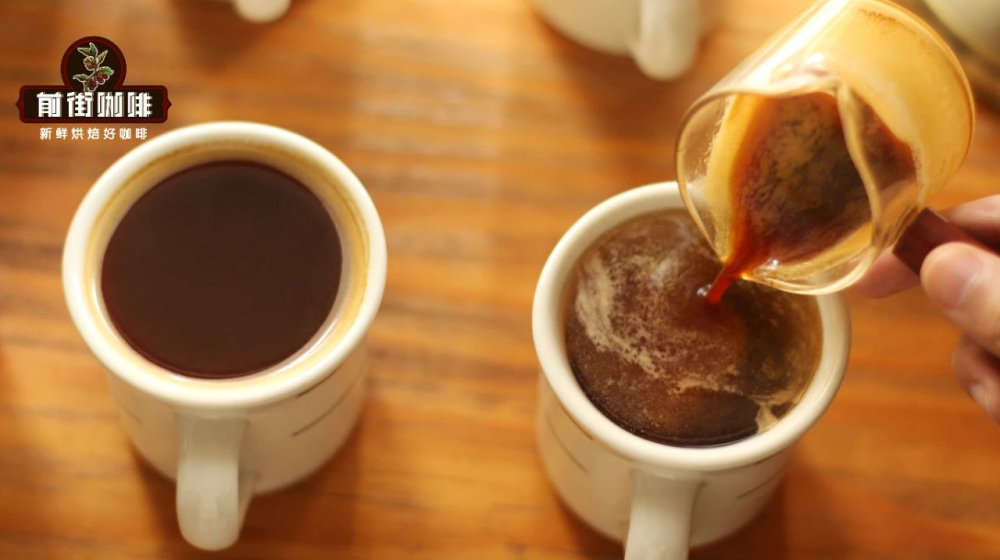
The above content is compiled by CoffeeHunters, a coffee news website.


