







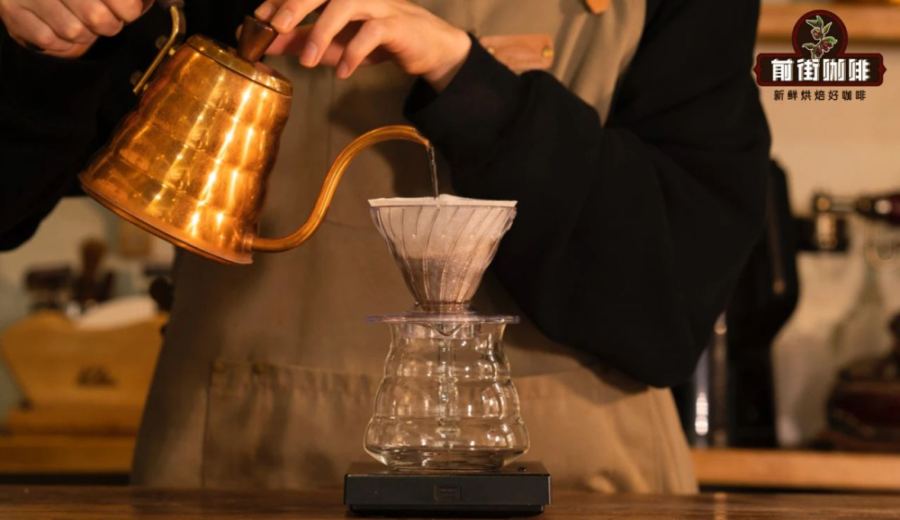
Introduction:Japanese-style iced coffee, with its refreshing taste and exquisite craftsmanship, has become the top choice for coffee lovers in the summer. This article delves into the types of coffee beans suitable for making Japanese-style iced pour over, their unique flavor profiles, and provides detailed brewing parameters and practical tips to help you easily brew a cup of bright and layered Japanese-style iced coffee at home.
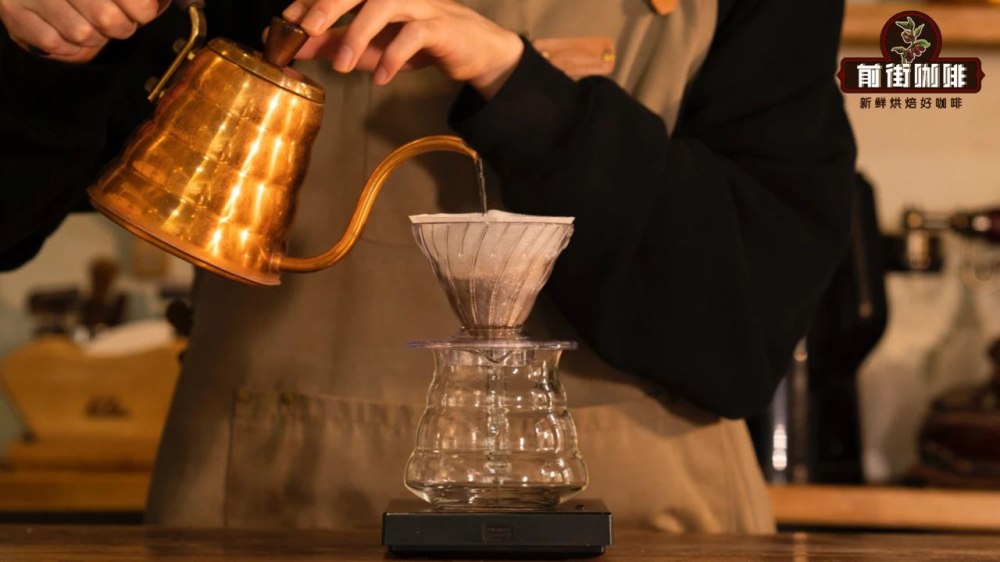
When it comes to countries that pursue coffee quality and craftsmanship to the extreme, Japan is definitely among the top. With a deep coffee culture, Japan particularly favors the rich and bold flavors brought by medium to dark roasts, and classic beans such as Blue Mountain and Mandheling are widely loved. When summer arrives, a cup of Japanese-style iced coffee that combines refreshment and delicacy naturally becomes an indispensable cooling choice. This article will guide you on how to make professional-grade Japanese-style iced pour over coffee.
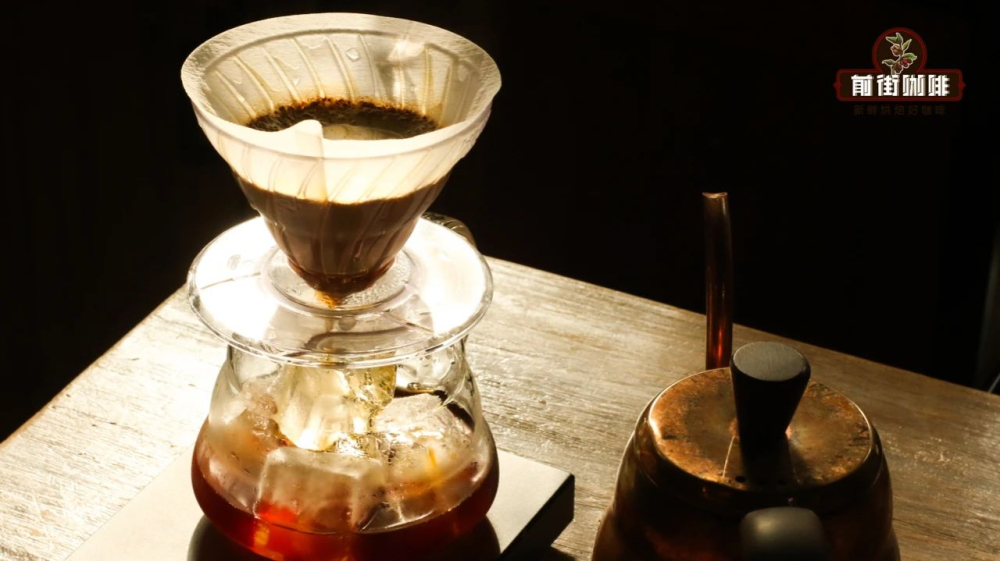
So-called Japanese-style iced coffee is actually a cooling-style pour over method where ice is used to replace part of the hot water during brewing. This brewing technique is not only simple in steps but can also be completed in a short time, without the lengthy wait of over ten hours like cold brew. If done correctly, the flavor layers it presents can even surpass those of cold brew made from the same beans, making it especially suitable for drinkers who prefer bright acidity and clear flavor profiles.
Next, we will break down the key elements of making a high-quality Japanese-style iced pour over step by step, from coffee bean selection, brewing equipment preparation, water temperature and grind size adjustments, specific step-by-step operations, to common precautions.
I. Coffee Bean Selection and Basic Setup
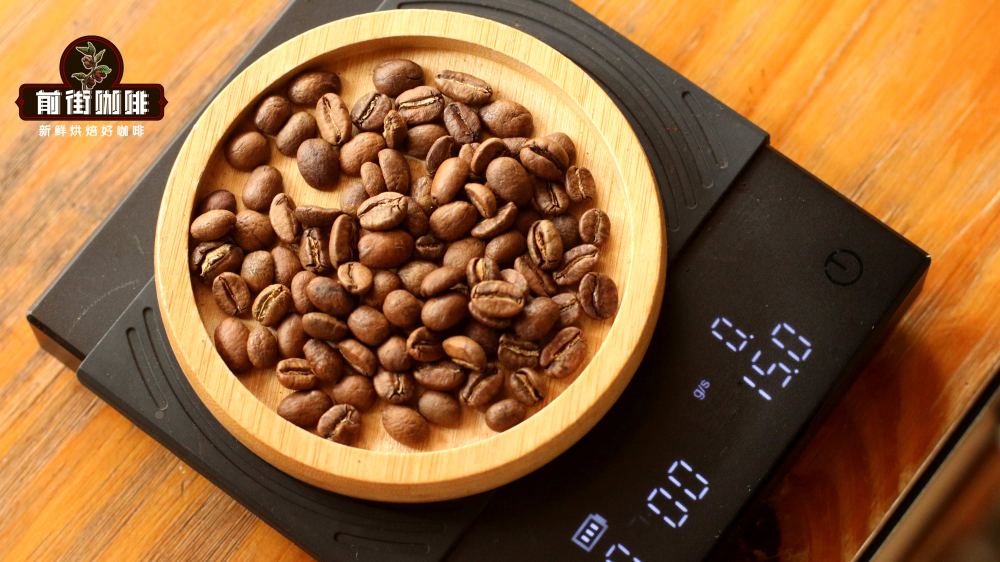
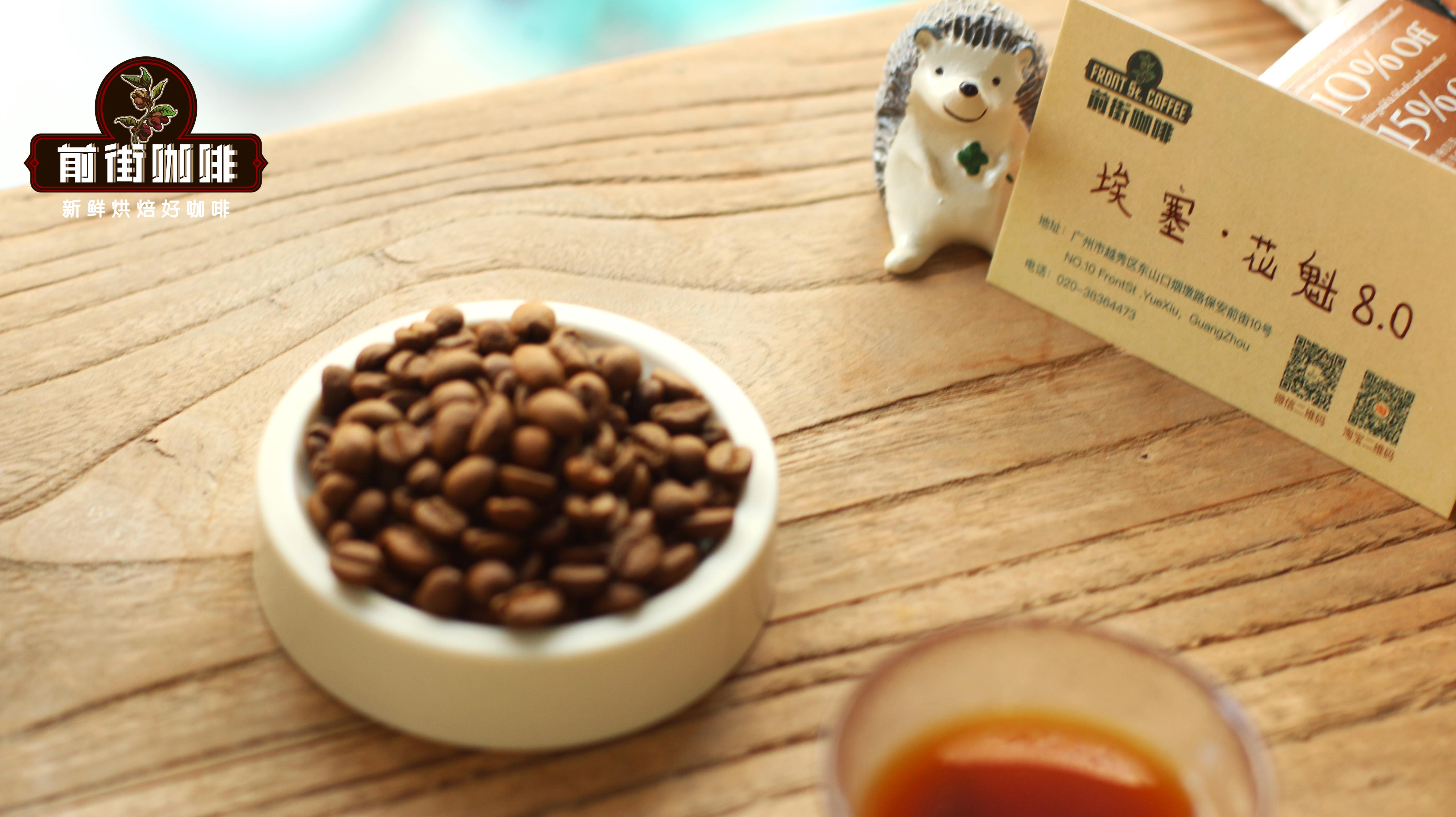
It is recommended to choose beans with medium to light roasts that have clear fruity acidity and floral-fruity aroma characteristics, such as washed Yirgacheffe, Kenya, Flower Dance, Strawberry Candy, or Hua Kui. These beans typically exhibit bright lemon acidity, berry notes, or floral layers, making them very suitable for iced drinks. The recommended dosage is about 15 grams of coffee, paired with about 100 grams of ice. Remember to rinse and drain the filter cone and filter paper in advance—this brewing method does not require preheating the equipment.
II. Water Temperature and Grind Size Adjustments
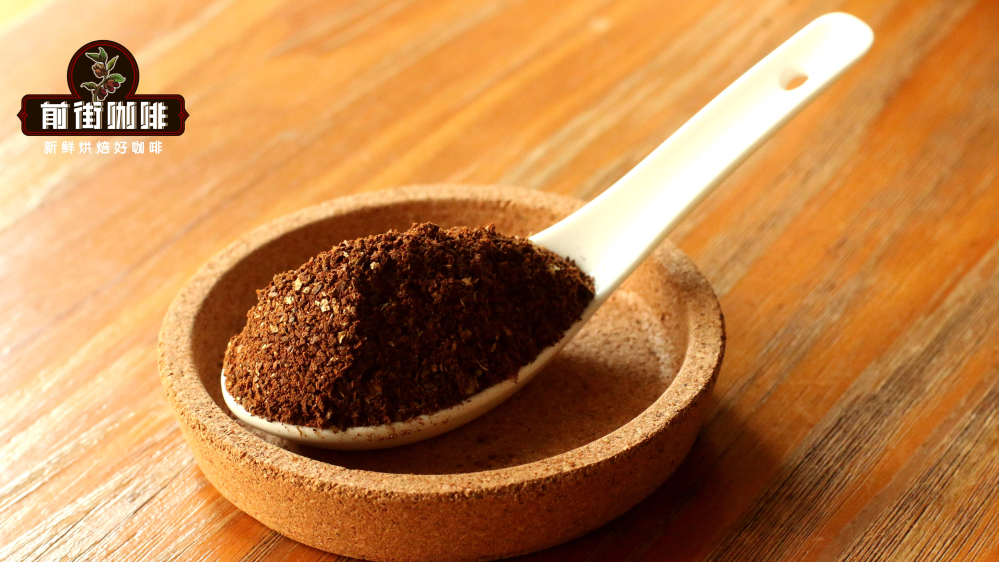
Compared to the conventional pour over recommendation of 91°C, Japanese-style iced pour over can be slightly increased to 92°C, which helps improve overall extraction efficiency. The grind size is recommended to be slightly finer than standard granulated sugar (e.g., small Fuji 3.5 setting), around small Fuji 3, a bit finer than regular pour over, to compensate for the insufficient extraction in an iced environment. This combination can maintain stable flavor output while lowering the extraction temperature.
III. Brewing Technique and Pouring Method
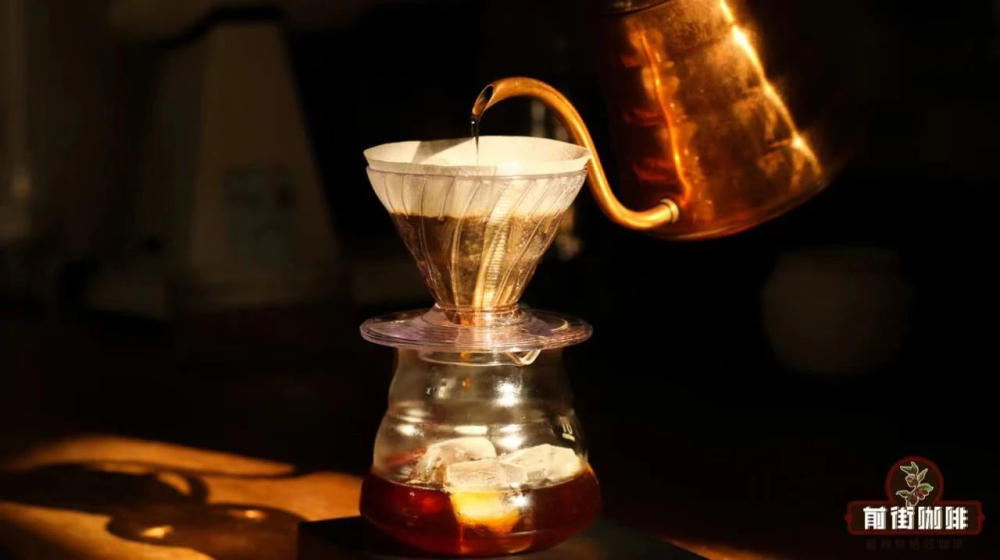
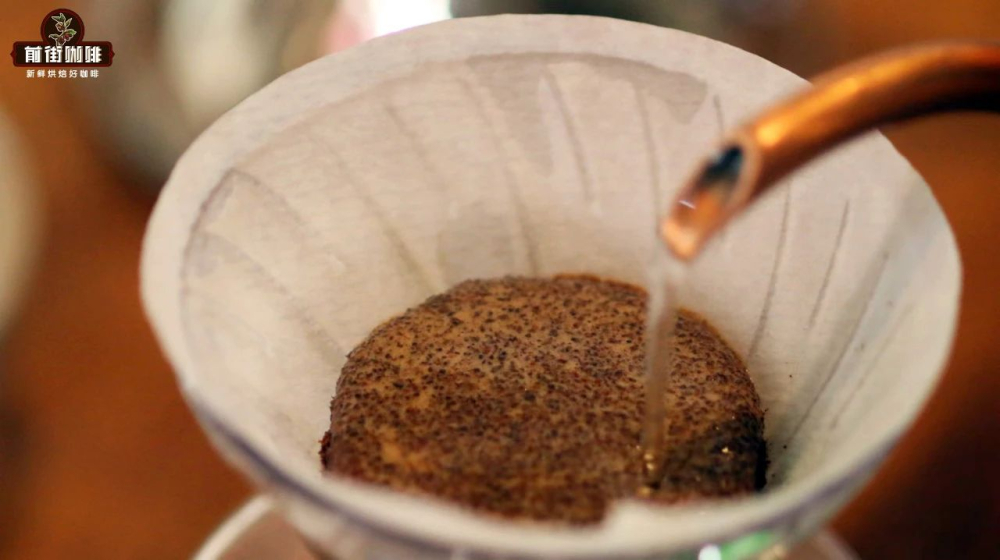
The first step is blooming—pour about 40 grams of hot water and let it sit for 30 seconds to allow the coffee grounds to fully expand and degas. Depending on the situation, you can gently stir or extend the blooming time to help release subsequent flavors. Then, pour water steadily with a small stream: first pour about 60 grams, then 40 grams, for a total of 100 grams of hot water in two pours. It is recommended to use a relatively high and thin water stream, and control the liquid level so it does not touch the edge of the filter paper to avoid channeling effects.
IV. Sectional Pouring and Waiting for Drip-through
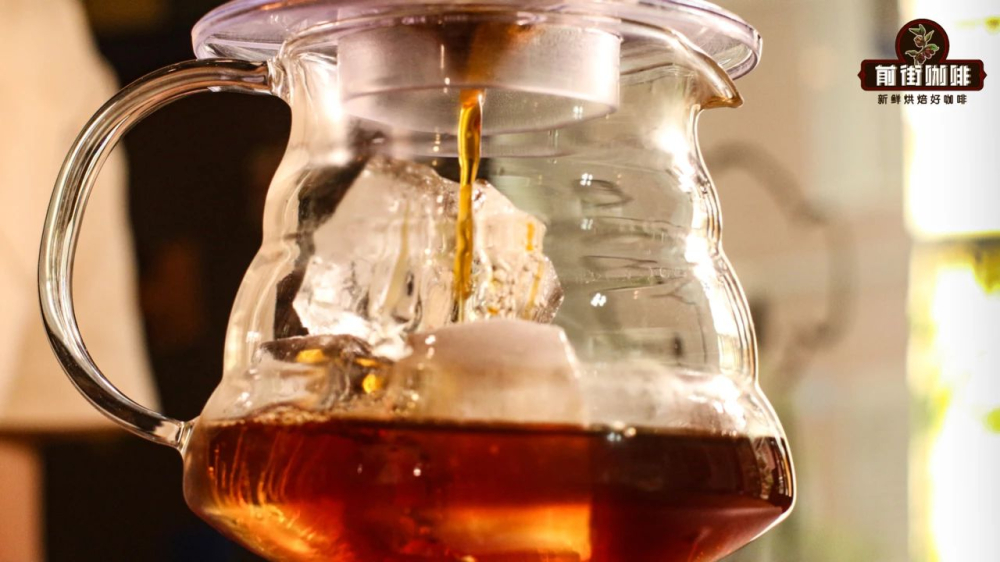
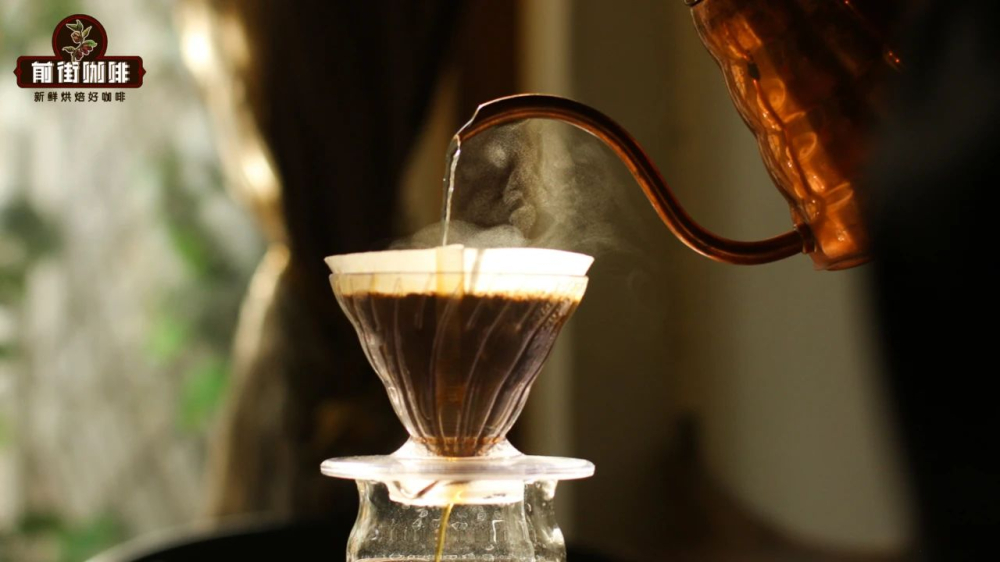
In practice, you can pour in two sections, such as 60 grams followed by 40 grams, using appropriate stirring to fully agitate the coffee bed, which helps improve overall extraction evenness. Due to the finer grind, the drainage speed may be slightly slower, but as long as the coffee-to-water ratio is well controlled (typically around 1:10), over-extraction and off-flavors are unlikely to occur. The total brewing time is about 2.5 minutes, similar to regular pour over.
V. Completion and Drinking Suggestions
After all the coffee liquid has dripped through, it is recommended to gently swirl the cup. By this time, about half of the ice has melted, maintaining a cool taste without overly diluting the coffee. Please enjoy it before the ice has completely melted to get the best flavor expression. As time goes on, melting ice will gradually dilute the coffee’s concentration and delicate notes—it is recommended to enjoy it as soon as possible.

VI. Key Points for Making Japanese-Style Iced Pour Over
First, the ratio of ice to water is recommended to be around 1:1, adjusted slightly according to room temperature, to avoid too little ice affecting the cooling effect or too much leading to insufficient extraction. Second, during the brewing process, adjust water temperature, grind coarseness, stirring, and time as needed based on actual flavor performance (such as being too light or having over-extracted off-flavors). Lastly, because the low-temperature environment suppresses aroma diffusion, reduced sensitivity in smell and taste during drinking is normal and does not indicate a failed brew.
The above content is compiled by CoffeeHunters, a coffee news website.


