








Introduction:The presentation of iced coffee varies greatly around the world — from the American classic iced americano and Italy’s shaken iced coffee to Germany’s indulgent ice cream coffee. This article will explore the unique characteristics of iced coffee in different countries and provide an in-depth look at the cold brew method using cold water extraction. We’ll cover grind-to-water ratios, brewing time, and recommended coffee beans, so you can easily make a refreshing and flavorful summer iced coffee at home.

Across various European countries, iced coffee takes on many forms. Some are made by adding ice cubes to hot coffee, others are paired with ice cream, and some use cold water for slow immersion brewing. For example, the popular American iced americano — a combination of espresso, water, and ice cubes — has become one of the most common ways to serve iced coffee in cafes worldwide.

In Italy, iced coffee is typically made by mixing espresso with ice cubes and then shaking it in a cocktail shaker to create a rich foam, enhancing the overall texture and flavor. The German version is even more luxurious, featuring a long-extracted espresso base topped with a scoop of vanilla ice cream, whipped cream, caramel sauce, and even chocolate chips. Some variations also include rum for added depth.
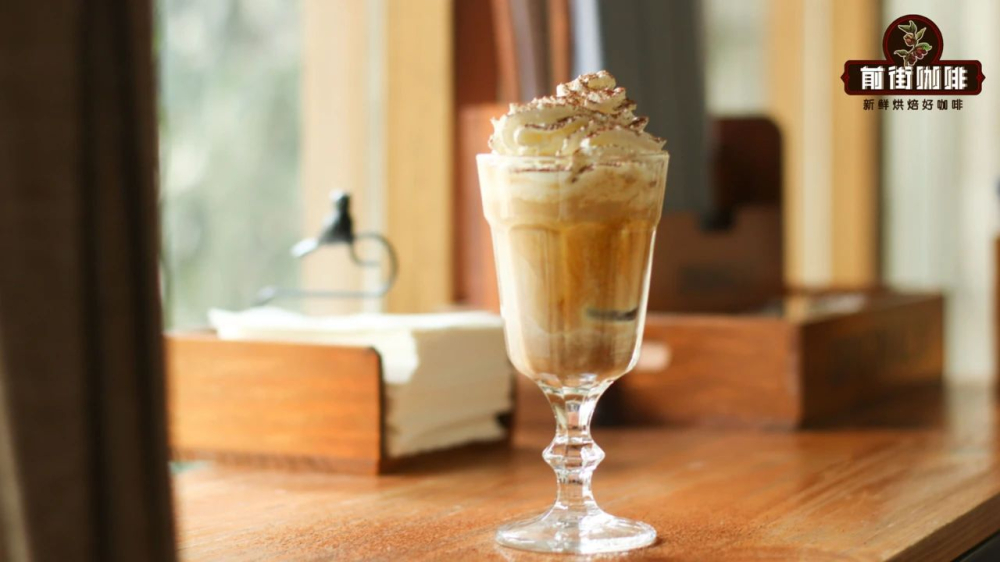
However, most of these iced coffee styles require a professional espresso machine, which isn’t very practical for home use. So, is there a simpler yet equally delicious way to make iced coffee at home? Next, we’ll introduce you to cold brew coffee made through cold water extraction, and show you how to enjoy a fantastic cup of iced coffee in the easiest way possible.

Compared to hot water brewing, cold brew coffee made through cold water immersion results in significantly fewer bitter and astringent compounds being extracted due to the lack of high temperatures. As a result, the taste is cleaner, crisper, and more refreshing. Additionally, the extended low-temperature extraction allows more of the desirable flavor compounds in the coffee to be released, resulting in a fuller and more layered flavor profile.
Since the cold brew process takes longer, more caffeine is typically extracted compared to standard drip or espresso methods, making its caffeine content usually higher than that of regular filtered or espresso coffee. It’s ideal for those who need a pick-me-up but still want a cool, refreshing drink. If you’re looking for a simple yet flavorful way to make iced coffee at home, cold brew is definitely worth trying.
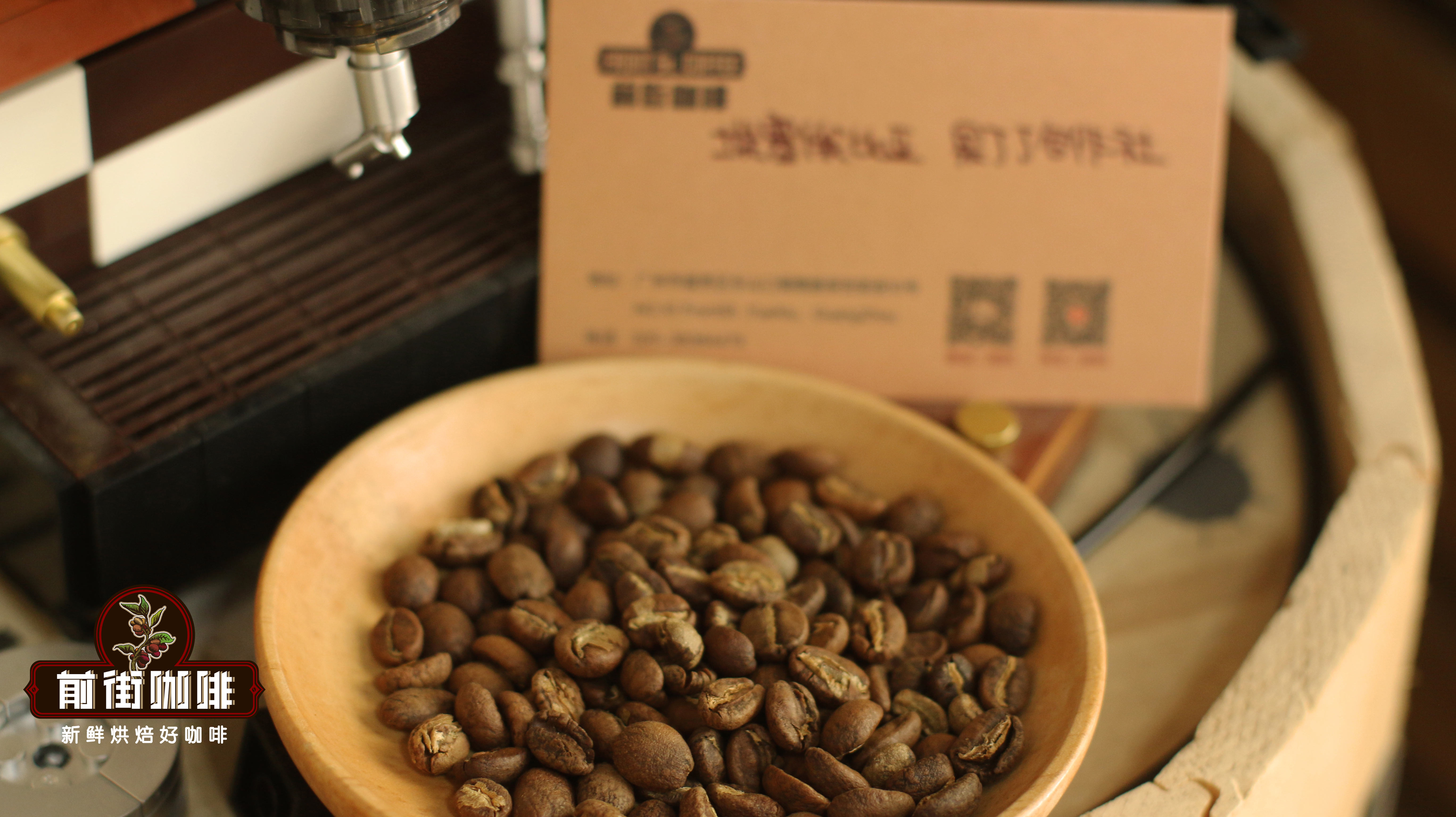
For making homemade cold brew coffee, it’s recommended to choose washed-process light-roast beans — for example, beans from Ethiopia, which often exhibit bright acidity and clear floral and fruity notes after washing. These types of beans, regardless of the brewing method, usually showcase characteristics such as citrus, green tea, cream, and white floral tones. Their flavors are fresh with a balanced acidity and sweetness, making them beginner-friendly and perfect for trying out.
The recommended grind-to-water ratio is 1:12 (i.e., 1 gram of coffee grounds to 12 grams of water), using room temperature water for extraction without heating. The main tool required is a cold brew pitcher, and the overall brewing process is very straightforward — simply mix the coffee grounds and water evenly, then let it steep in the refrigerator for an extended period.

In terms of specific steps, start by cleaning the cold brew pitcher thoroughly, then place the pre-ground coffee into the filter. Slowly pour about 720 grams of room temperature water over the grounds, ensuring all the coffee is fully saturated. Afterward, cover the filter with its lid and the main pitcher lid, then place the entire setup in the refrigerator to steep for 12 to 16 hours for cold water extraction.
Once extraction is complete, it’s recommended to slightly lift the filter to allow any excess coffee liquid to drip back into the pitcher, then remove the coffee grounds before enjoying. If you find the 1:12 ratio too strong, you can adjust it to 1:13 or add ice cubes or water to your serving based on personal taste preferences.

To make outstanding iced coffee, choosing the right coffee beans is crucial. Below are several recommended high-quality beans suitable for making iced drinks:
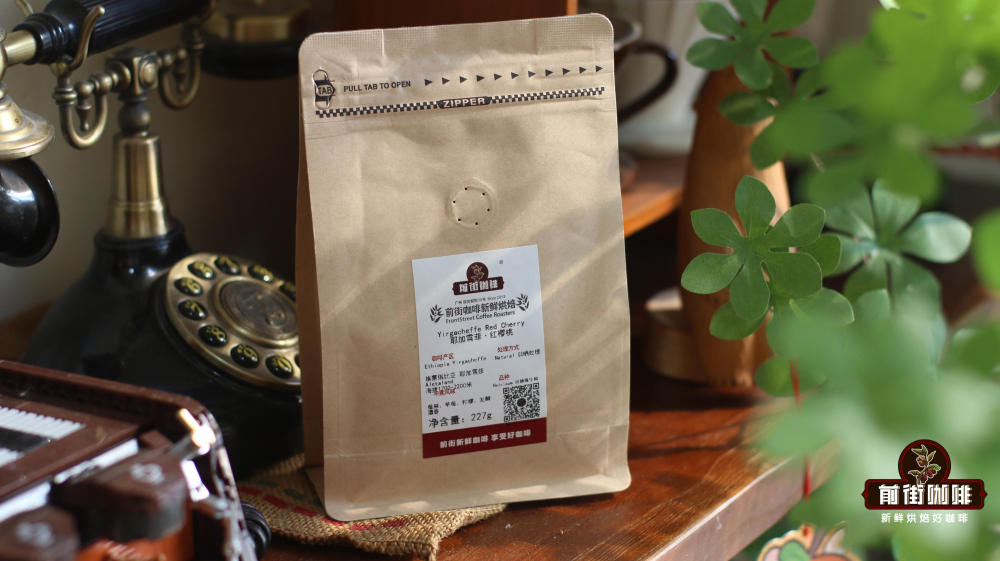
Ethiopia Sun-Dried Red Cherry Coffee BeansThese are medium-light roasted beans that retain bright acidity and floral-fruity aromas even after washing. They often feature notes of berries, caramel, black tea, and subtle fermentation aromas. With a sweet and tangy flavor profile, they are a very popular and enjoyable choice.
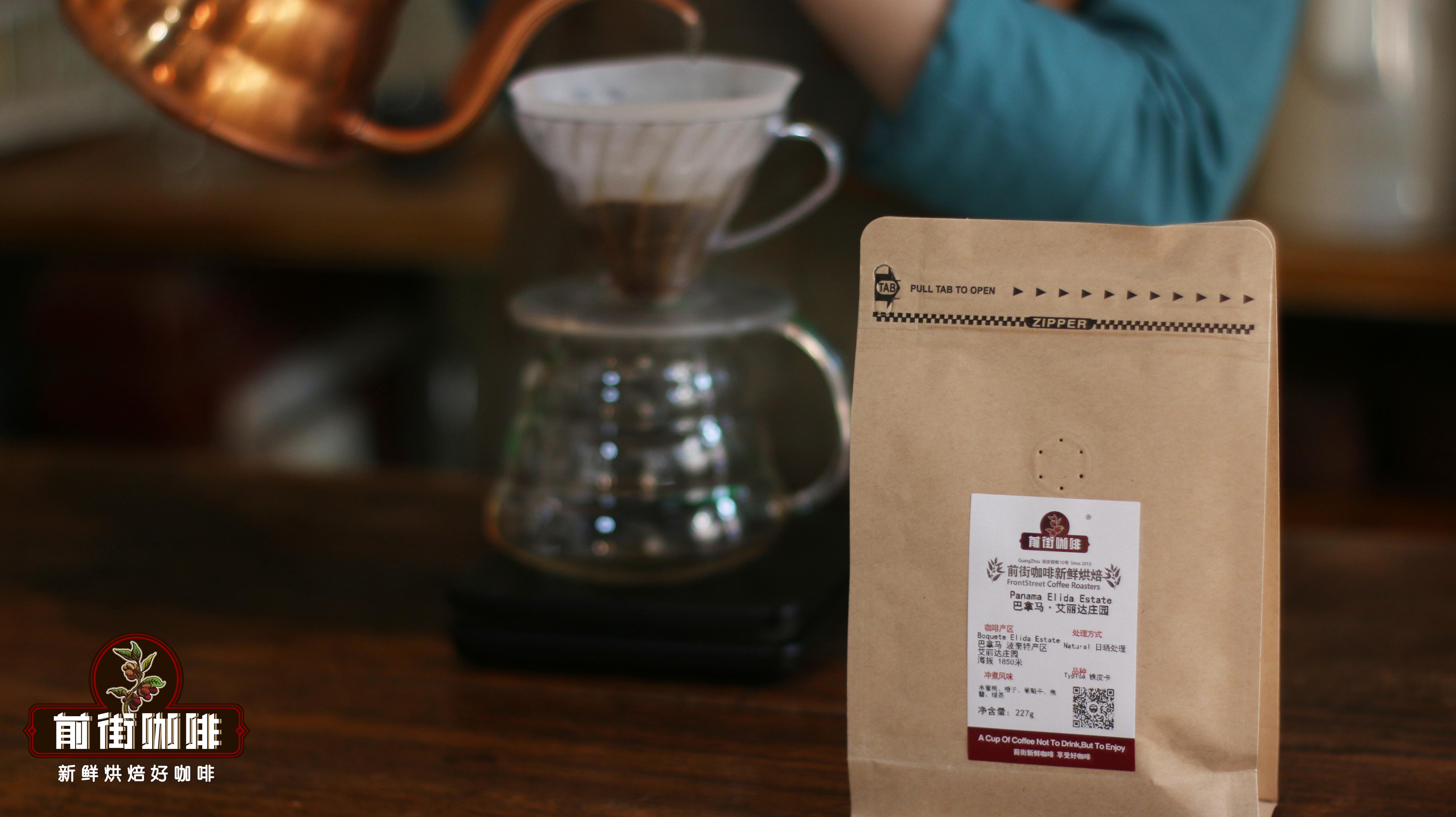
Panama Elida Estate Sun-Dried Typica Coffee BeansMedium roasted, these beans combine the local sun-dried terroir with the characteristics of the Typica variety. They present complex flavors including peach, orange, raisin, caramel, and green tea. The mouthfeel is smooth with rich layers, making them ideal for those who enjoy a balance of fruity and sweet notes.
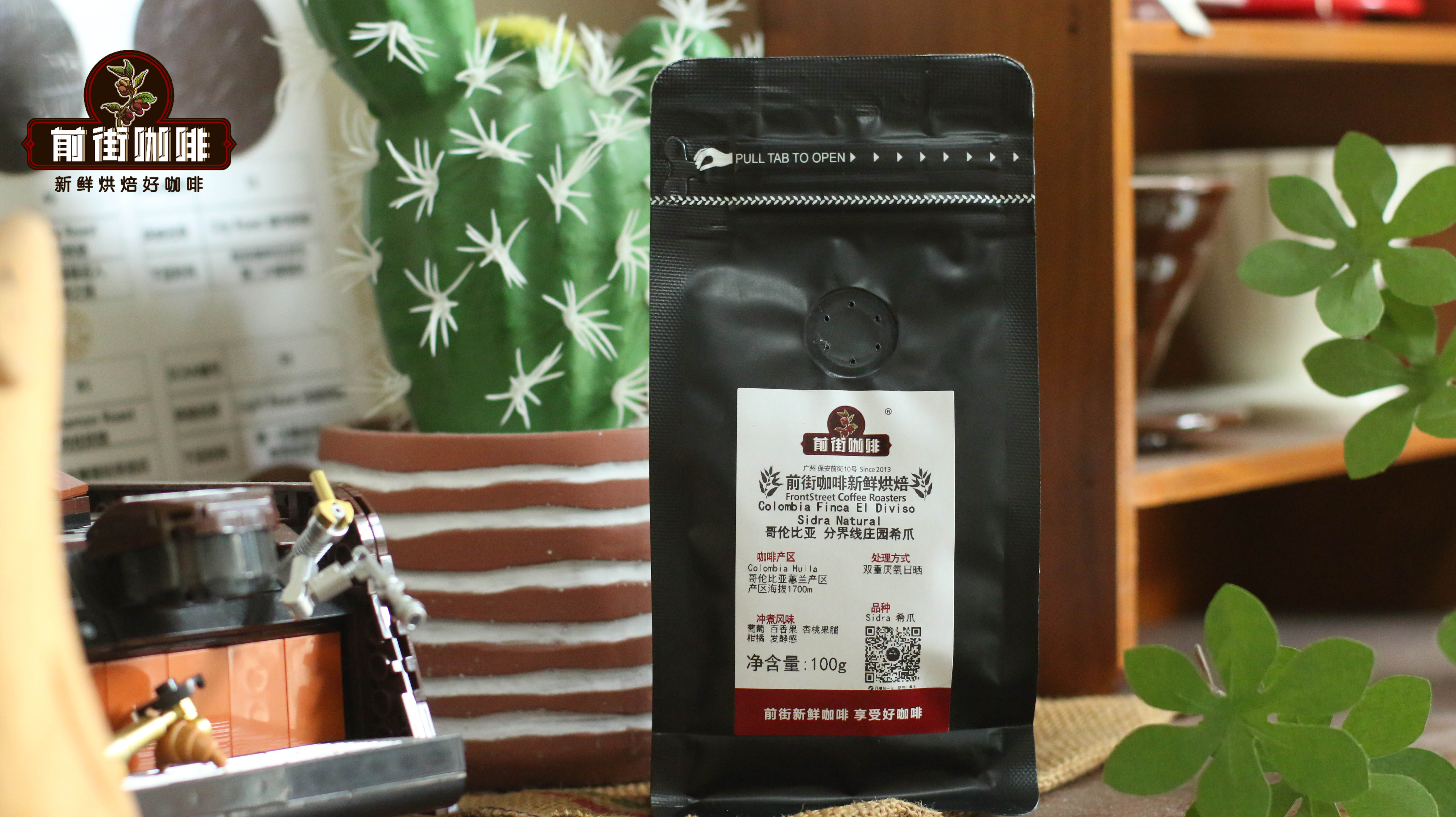
Colombia Boundary Estate Sidra Coffee BeansAlso medium roasted, these beans use the Sidra variety, which is a hybrid of Typica and Red Bourbon. It exhibits floral-fruit notes similar to Geisha, commonly showcasing flavors such as grape, passion fruit, apricot, citrus, and honey. With moderate acidity and a round mouthfeel, it offers great value and is perfect for everyday enjoyment.
The above content is compiled by CoffeeHunters, a coffee news website.


