








Introduction:Common types of iced coffee available on the market include iced Americano, iced pour over, cold brew, and ice drip. Each varies in brewing method, flavor profile, and ease of preparation. This article provides an in-depth comparison of the production processes, required time, suitable audiences, as well as the differences in taste and flavor among these four types of iced coffee, helping you choose the most suitable one based on your needs and equipment.
The world of iced coffee is diverse, with the four most popular types being iced Americano, iced pour over, cold brew, and ice drip coffee. Many coffee enthusiasts have only a vague understanding of the differences among these iced coffees, but in reality, they vary significantly in brewing principles, extraction methods, and final flavor presentations.
First, fromthe brewing methodperspective, both iced Americano and iced pour over use hot extraction to complete the coffee brewing first, then lower the temperature and dilute it by adding ice cubes; whereas cold brew and ice drip use cold water throughout the extraction process, making them cold-brewed methods that result in distinctly different taste and mouthfeel profiles.
Iced Americanois one of the most common types of iced coffee. It is typically made by extracting espresso using an espresso machine and then mixing it with iced water. It is recommended to use about 20 grams of coffee grounds, with a coffee-to-water ratio of 1:2, extracting 40 grams of espresso within 25–33 seconds. Then pour it into a glass containing 90 grams of ice and 180 grams of water, stir, and it’s ready to enjoy. This coffee has a refreshing taste and direct flavor, making it suitable for those who prefer a simple and pure coffee taste.

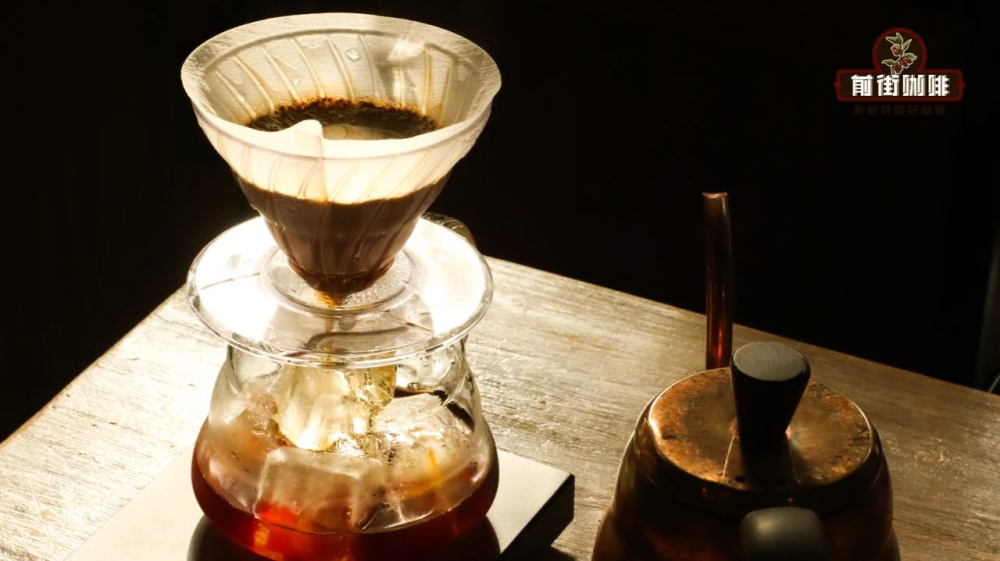
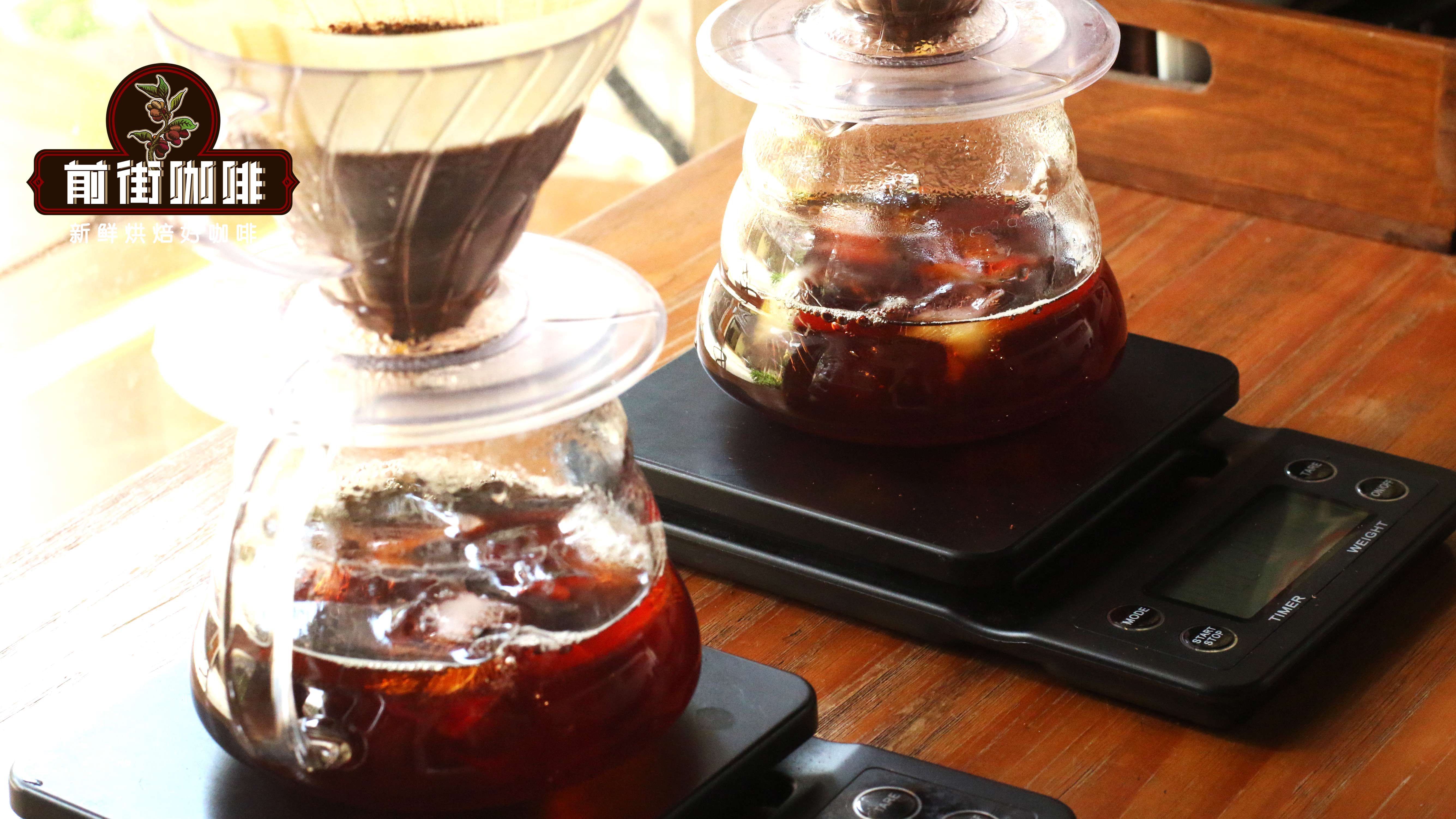
Iced pour overinvolves extracting aromatic hot coffee using the pour over method with hot water, then cooling it down by adding ice cubes. Taking medium-light roasted beans as an example, it is recommended to use 15 grams of coffee grounds with 150 grams of 92°C hot water, following a ratio of 10 times the amount of hot water (150 grams) and 5 times the amount of ice (75 grams). Using a Hario V60 filter cone and a three-stage pouring method, the total extraction time is controlled between 1 minute 50 seconds and 2 minutes, which helps highlight the coffee’s clear flavors and layered characteristics.
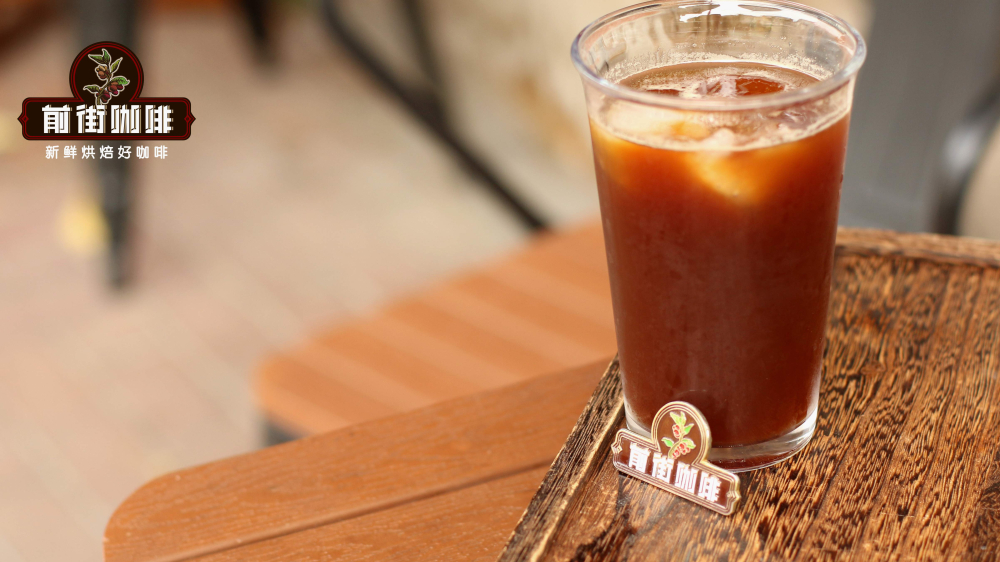
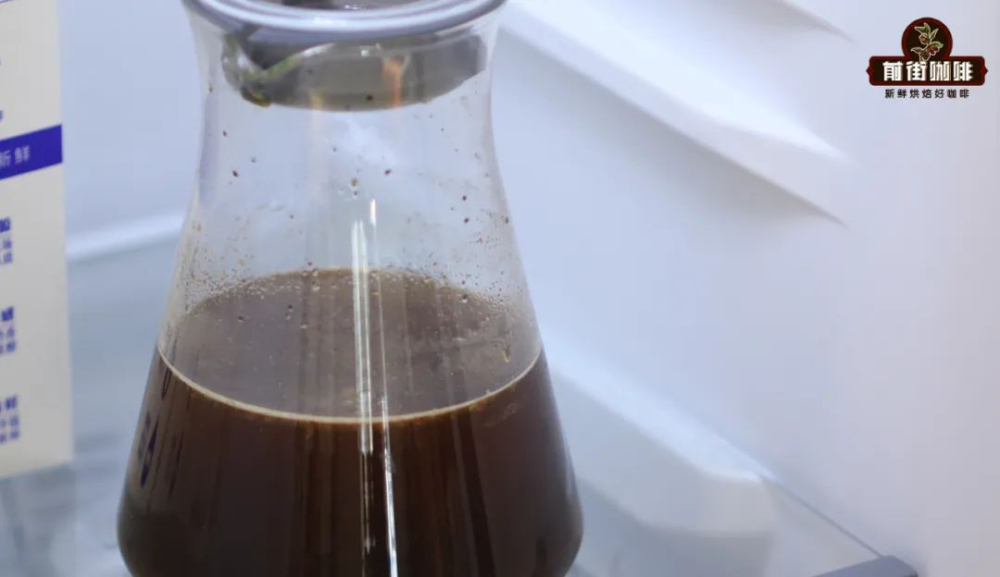
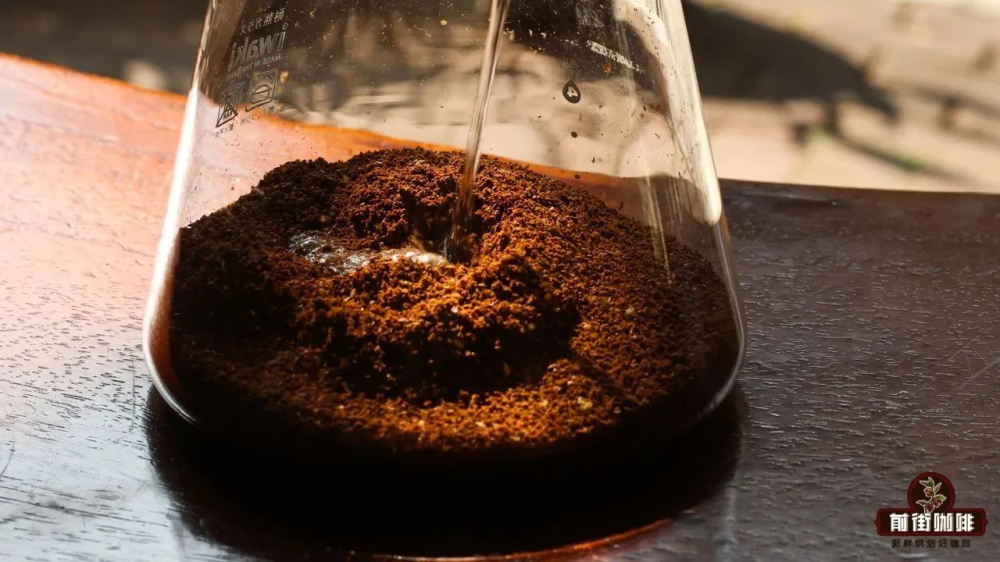
If you prefercold brew coffee, its method is relatively simple and more suitable for home preparation. Use a 1-liter capacity cold brew maker, add 60 grams of coffee beans, and grind them to a consistency similar to fine sugar (approximately 80% passing through a #20 sieve). Then add 600 grams of cold water at a coffee-to-water ratio of 1:10. Stir well, seal, and refrigerate for 8–12 hours, after which you can filter out the coffee grounds and enjoy. Cold brew generally has a sweeter, less bitter taste with a smooth and mellow mouthfeel, making it an excellent choice for summer.
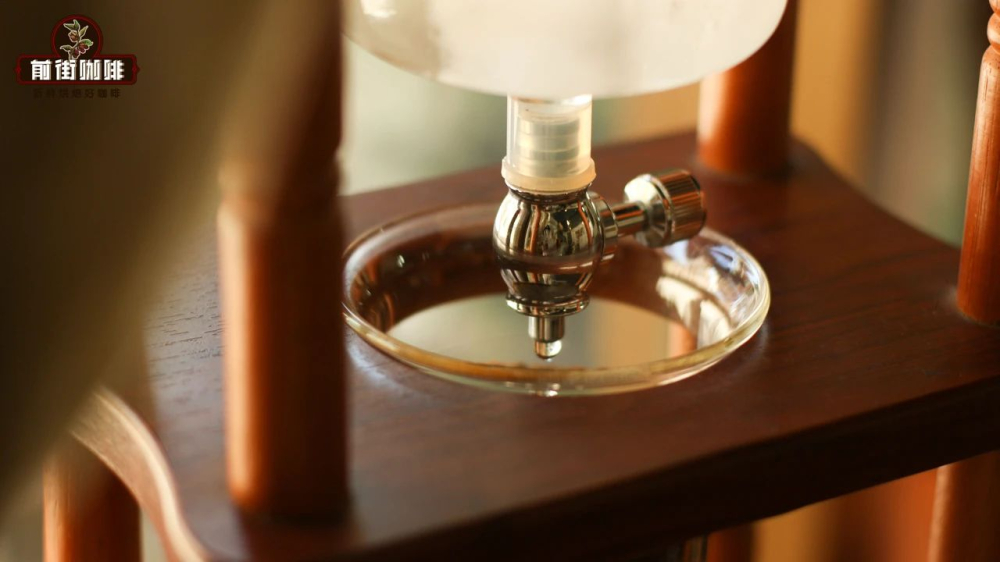
Finally, there isice drip coffee, which has the longest preparation time and is also the most challenging. It uses slowly dripping ice water to extract coffee drop by drop, usually taking about 6–8 hours. It is recommended to use 60 grams of coffee beans ground into powder, with a coffee-to-liquid ratio of 1:10. The flow rate should be about 7 drops per 10 seconds; too slow or too fast may affect the flavor. Fill the upper chamber with a mixture of ice and water, and the slowly dripped coffee liquid should be refrigerated before drinking. Its flavor often carries a unique fermented note and deep complexity.

In terms ofpreparation time, iced Americano and iced pour over usually take just a few minutes to make, making them ideal for quick daily enjoyment; whereas cold brew and ice drip coffee require long periods of steeping—about 8–12 hours and 6–8 hours respectively—making them better suited for advance planning and preparation.
Regardingease of preparation, iced pour over and cold brew have lower requirements for equipment and technique, needing only basic pour over tools or sealed containers to operate, making them quite suitable for beginner coffee drinkers to try at home. In contrast, iced Americano requires an espresso machine, and ice drip coffee needs specialized ice drip equipment, which involves relatively higher equipment costs and operational barriers.

In terms offlavor and mouthfeel, iced Americano presents a clean and light taste, showcasing the foundational flavors of the coffee beans, but the liquid is usually somewhat cloudy; iced pour over has a clean mouthfeel that clearly highlights the coffee’s aroma and dominant flavors, with good clarity. Cold brew is known for its low bitterness and high sweetness, with a richer and thicker mouthfeel; whereas ice drip coffee, due to its long dripping process, often carries fermented notes such as wine-like aromas, with more pronounced bitterness but rich layers, making it a challenging option for advanced coffee enthusiasts.




The above content is compiled by CoffeeHunters, a coffee news website.


