








Introduction:Tasting coffee is not just about drinking it—it’s a delicate experience that engages your sense of smell, taste, and touch. This article will guide you through the complete process of coffee tasting from a professional perspective, including how to assess dry aroma, wet aroma, flavor changes at different temperatures, and how to use COE cupping criteria such as aroma, cleanliness, sweetness, and acidity to accurately describe a coffee’s unique profile and enhance your tasting skills.
Drinking coffee isn’t just for staying alert. For true coffee lovers, it’s a feast for the senses. From the moment coffee beans are ground and release their aroma, to the layered flavors of the brewed liquid, each step carries rich information. If you want to evaluate the quality and characteristics of coffee like a professional, you must understand the full tasting process and the professional methods for describing flavors.
Coffee tasting can be approached from two main aspects: the process of tasting and the perspectives used in tasting. Many people mistakenly believe that “taste” encompasses all sensations, but in fact, “flavor” is a more accurate term because it includes three dimensions: smell (aroma), taste (flavor), and touch (mouthfeel). Therefore, simply taking a sip is not enough to fully evaluate a cup of coffee.
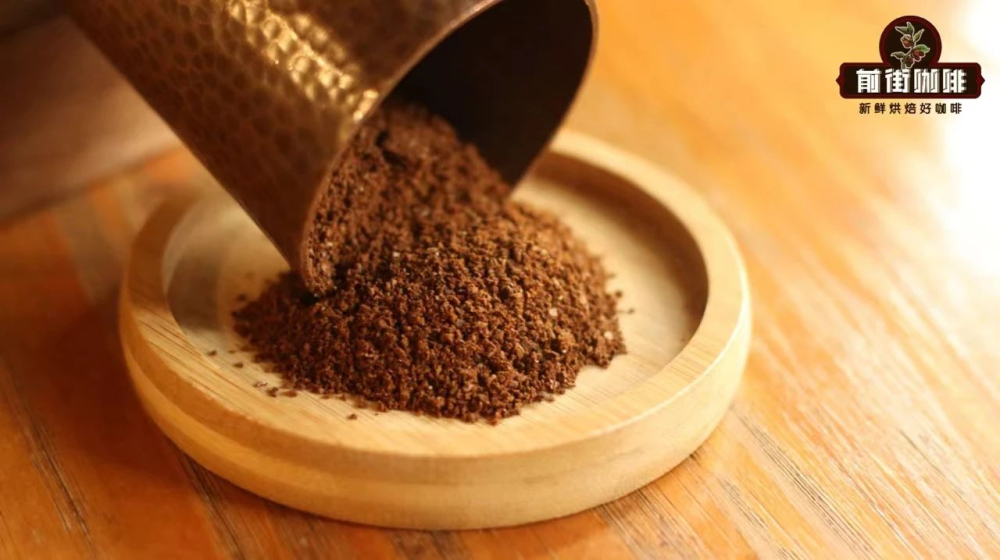
The tasting process begins the moment the coffee beans are ground. When the ground coffee releases its aroma, this is called the “dry aroma.” These aromatic compounds are released abundantly during grinding and represent the first step in tasting. Once the coffee grounds come into contact with water, the brewed coffee liquid emits another set of aromas, known as the “wet aroma.” These two types of aroma have distinct characteristics—typically, the dry aroma leans more toward the bean’s raw traits, while the wet aroma shows changes after brewing. Paying attention to the differences between the two can help you better understand the coffee’s potential.

When further tasting the coffee, it is recommended to slurp it, which aerosolizes the liquid and brings it into contact with the olfactory receptors at the back of the nasal cavity, helping you capture more subtle flavors. Additionally, coffee exhibits notably different flavors at various temperatures. At high temperatures, acidity and aroma are more vibrant; as the temperature drops, sweetness and body may become more pronounced. Therefore, it’s advisable to sip slowly, experiencing the transition from hot to warm to slightly cool, to fully appreciate the evolving flavors. This process usually takes over ten minutes.
To accurately describe a coffee’s flavor, you can refer to the standard dimensions used in COE (Cup of Excellence) cuppings, which include: aroma, cleanliness, sweetness, acidity, mouthfeel, flavor, aftertaste, and balance. These dimensions not only help evaluate coffee quality but also allow tasters to express their impressions more systematically.
First is aroma, which is the first impression a cup of coffee gives and one of the reasons many people fall in love with coffee. Aroma is divided into dry aroma and wet aroma. Some origins produce coffee beans with highly distinctive scents—for example, Geisha often has a soft white floral note, while sherry-processed coffee may show rich vanilla and wine-like aromas. Tiger Mandheling might have an herbal, dry aroma.
Cleanliness refers to the absence of off-flavors or unpleasant odors in the coffee, such as earthiness, medicinal notes, rubberiness, or onion-like smells. A high-quality coffee should have a clear flavor profile without being disrupted by these negative qualities.
Sweetness, or sweet sensation, is a crucial factor influencing the overall flavor of coffee. Good sweetness contributes to a rounded mouthfeel. Its sources include growing conditions (such as ripe red fruit), processing methods (e.g., natural processes are often sweeter than washed), caramelization reactions during roasting, and brewing techniques and parameter settings. Types of sweetness can also be subdivided, such as fruity sweetness, honey-like sweetness, or caramel sweetness—all of which add layers to the coffee.
Acidity doesn’t solely refer to the intensity of sourness, but also includes the texture and distribution of acid. For example, Yirgacheffe often features bright citrus acidity, while Kenyan beans may present lively berry-like acidity. It’s important to note that acidity can also have negative expressions, such as sharp vinegar-like sourness or stale, unpleasant sour notes, both of which can negatively affect the overall drinking experience.
Mouthfeel belongs to the tactile dimension and describes the body and weight of the coffee in the mouth—that is, what is referred to as “body.” This is different from concentration, which refers to the total amount of dissolved substances in the water. Body is the sensation brought by the oils and fibers in the coffee liquid, which can be understood by comparing it to the smoothness and fullness of water, milk, or light cream.
Flavor is the overall impression formed from the integration of various sensory inputs, resulting from the interplay of smell and taste. Describing flavor requires a certain degree of associative ability—for example, memories of the fresh acidity of lemon or the rich bitterness and sweetness of dark chocolate can serve as references when tasting. The more experience you have, the more precisely you can capture and describe these subtle characteristics.
Aftertaste refers to the lingering taste and aroma that remain in the mouth after drinking. High-quality coffee often has a long-lasting and pleasant aftertaste—for instance, Panamanian Geisha may leave behind delicate floral notes and a hint of green tea-like freshness, extending the enjoyment of the cup. Finally, balance evaluates whether all the elements harmonize—for example, whether acidity, sweetness, and bitterness are overly dominant or if the overall profile is cohesive. This is a key criterion in judging whether a coffee is refined.
The above content is compiled by CoffeeHunters, a coffee news website.


