







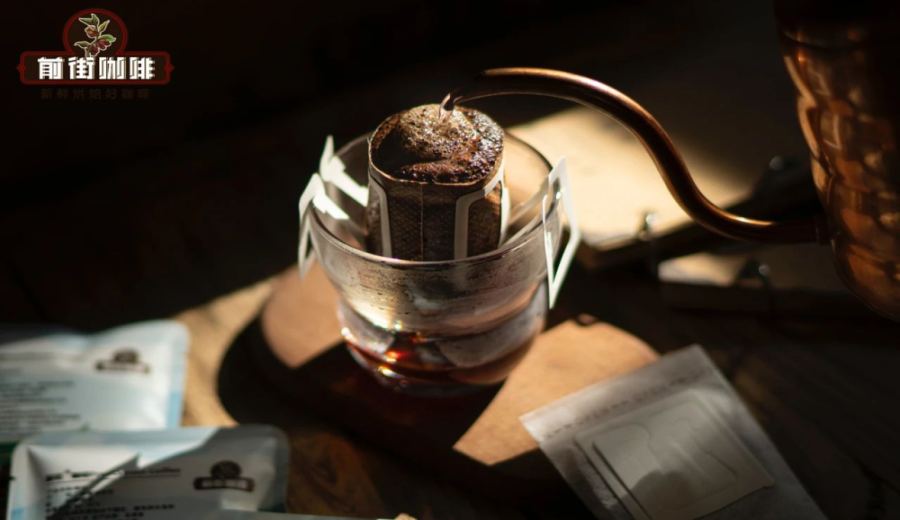
Introduction:Drip bags are the go-to choice for many busy coffee lovers, but do you know how to judge their freshness? Can they be brewed more than once? And how can you brew them to bring out the best flavors? This article delves into the shelf life of drip bags, methods to identify freshness, and offers professional-level brewing steps and temperature recommendations, paired with practical diagrams to help even beginners brew a rich and aromatic cup of coffee.
Drip bags are beloved for their convenience and quick preparation, but many consumers still have questions about whether they can be reused, how long they can be stored, and how to determine their freshness. This article will comprehensively explain the brewing methods, freshness evaluation techniques, and storage tips for drip bags, and detail each correct step in the brewing process—including preheating the cup, water temperature control, pre-wetting, and pouring techniques—to help you brew a richer and more layered cup of coffee.
First, the most straightforward way to judge whether a drip bag is fresh is to check the roast date on the packaging. It’s important to note that this date refers to the day the coffee beans were roasted, not the expiration date. Generally, coffee beans enter their peak flavor development period about a week after roasting, when their aroma and taste are the richest. If the packaging does not indicate the roast date, it may have been stored for some time—even if it hasn’t expired, its flavor may not be as vibrant and lively as that of a freshly roasted drip bag.
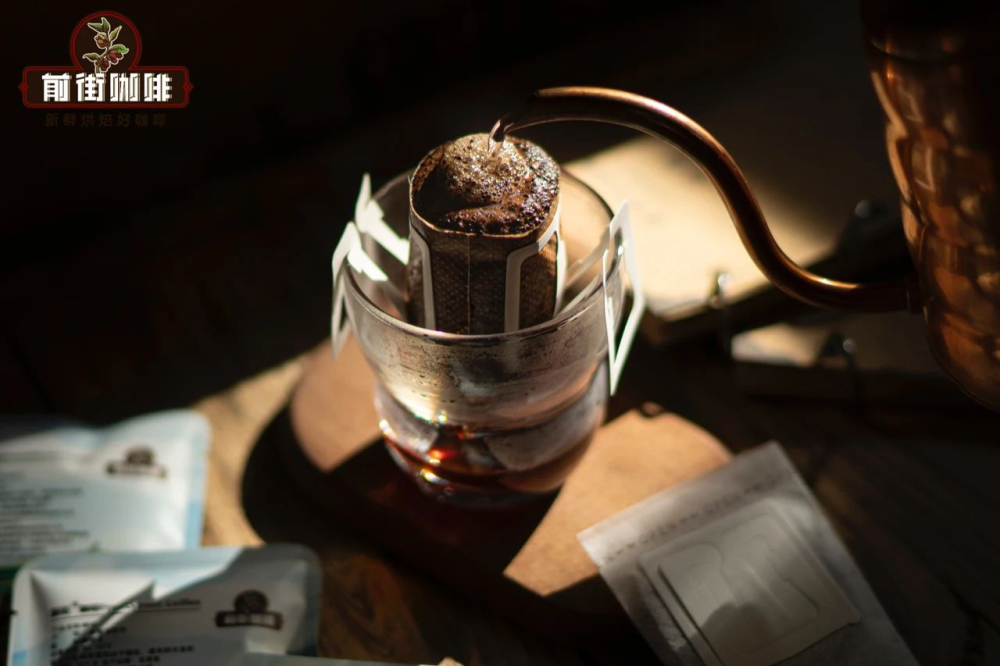
In addition, when brewing a fresh drip bag, bubbles will naturally form in the center of the coffee grounds as hot water is poured in, and there may be a slight bulging effect. This phenomenon is commonly known as the “hamburger effect.” The more pronounced this effect, the fresher the coffee usually is—especially for medium to dark roasts. For light roasts, the reaction may be less obvious, but if no bubbles appear at all, it’s likely that the drip bag is no longer at its optimal flavor and should be consumed as soon as possible.
From a practical standpoint, it’s best to avoid purchasing drip bags where the coffee has been ground more than five days ago, as once coffee grounds are exposed to air, their aroma rapidly dissipates, affecting the final extraction and taste. Therefore, when shopping, prioritize beans from current harvest seasons. This not only allows you to experience regional flavor characteristics but also helps you enjoy a more layered coffee profile.
For example, readers who prefer bright acidity and citrus notes can choose beans from regions with distinct floral and fruity aromas; if you prefer sweetness and rich caramel flavors, you might opt for beans from Central and South America or Southeast Asia. Different regional drip bags can offer a variety of taste experiences, from fresh floral notes to deep chocolate tones. It’s recommended to try different options based on your personal preferences.
Before brewing, it’s recommended to preheat your cup by pouring in a small amount of hot water and letting it sit for a moment before discarding it. This step helps maintain the coffee’s temperature after brewing, preventing it from dropping too quickly due to a cold cup, which could otherwise affect aroma release and overall flavor performance.
Water temperature control is also one of the key factors influencing extraction. It’s recommended to keep the water temperature within 85 to 90°C . If you find the coffee tastes overly bitter, you can slightly lower the water temperature; if the taste is too thin or astringent, you can moderately increase the temperature, though it’s still advisable to stay within the range mentioned above to achieve the best balance.
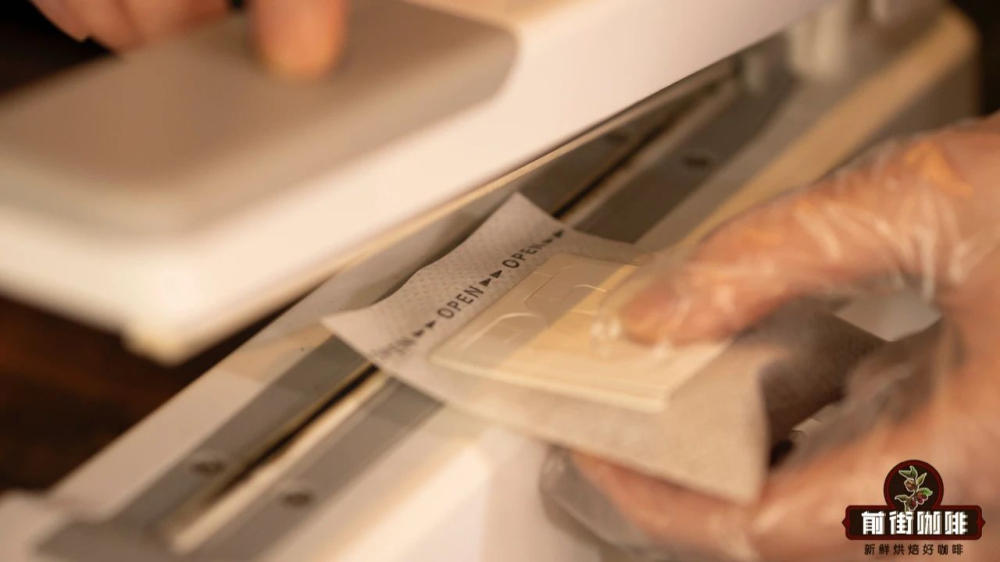
During actual brewing, gently shake the drip bag to settle the coffee grounds and prevent powder from scattering when you open it. Then, discard the water used for preheating the cup, tear off the seal on the top of the drip bag, unfold the two side handles, and lightly level the surface of the coffee grounds before securely placing the drip bag on the rim of the cup. For the first pour, the goal is to just wet all the coffee grounds—let it sit for 20 seconds to allow pre-wetting, which helps the coffee grounds fully absorb water and initiate extraction. If you’re aiming for a richer taste, you can extend the pre-wetting time to 40 seconds.
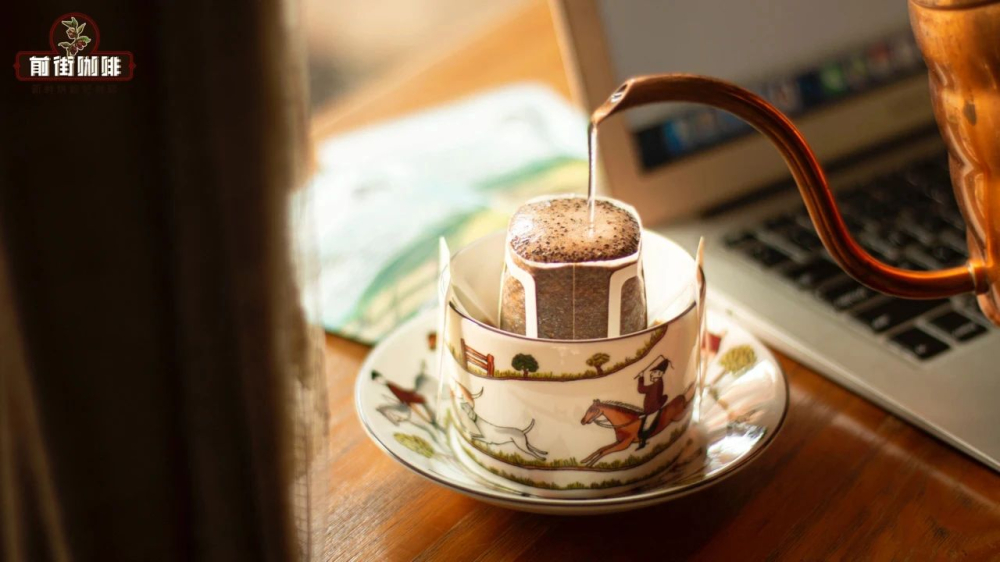
After pre-wetting, begin the main pouring phase. It’s recommended to keep the water level around 150 to 180 millilitersby maintaining the water level at about eight-tenths full in the filter paper and using a steady, thin stream of water. You can observe the water level dropping and then add more water to keep the extraction stable. Once you reach the desired extraction volume, you can remove the drip bag without waiting for all the water in the filter paper to completely drip out, and enjoy your freshly brewed coffee.
Overall, while drip bags are not recommended for multiple brews, as long as you master the correct brewing parameters and techniques, you can enjoy a layered and flavorful cup similar to that of a pour over brew each time. Proper temperature control, precise pouring rhythm, and good storage methods are all essential elements in enhancing the flavor performance of drip coffee. With these fine adjustments, even this everyday convenient brewing method can deliver a professional-level coffee experience.
Finally, after following the above steps to complete your brew, don’t forget that as the coffee cools, its flavor will also change. Drinking it while hot lets you enjoy bright acidity and aroma, while letting it cool slightly reveals a rounder sweetness and richer body. It’s recommended to slowly savor the subtle changes and enjoy the surprises each sip of coffee brings.
The above content is compiled by CoffeeHunters, a coffee news website.


