







Introduction:To understand the journey of coffee from cultivation to your cup, it's essential to first grasp the yield potential of coffee trees. This article delves into how many times a coffee tree bears fruit in a year, its yield per tree and per acre, and analyzes the key factors influencing harvest. Through real data and planting experience, it helps you evaluate the feasibility of growing your own coffee and grasp the full picture from seed to brew.
Many coffee enthusiasts dream of owning their own coffee plantation, from planting and tending to brewing their very own coffee—achieving true coffee freedom. But in reality, coffee trees have limited yields. How many times can they fruit in a year? How many coffee beans can one acre produce? These are key factors that determine whether self-cultivation is viable. Below, we will detail the growth and yield characteristics of coffee trees to help you understand the actual situation.
Many people yearn for a quiet plot of land in the mountains where they can personally grow the coffee beans they drink every day. This not only allows them to experience the entire coffee life cycle but also enjoy the sense of accomplishment from seed to cup. However, to achieve such coffee freedom, one must first understand the basic yield patterns of coffee trees. One of the most frequently asked questions is: how many times can a single coffee tree bear fruit in a year? The answer is relatively simple, but there are some details worth noting.
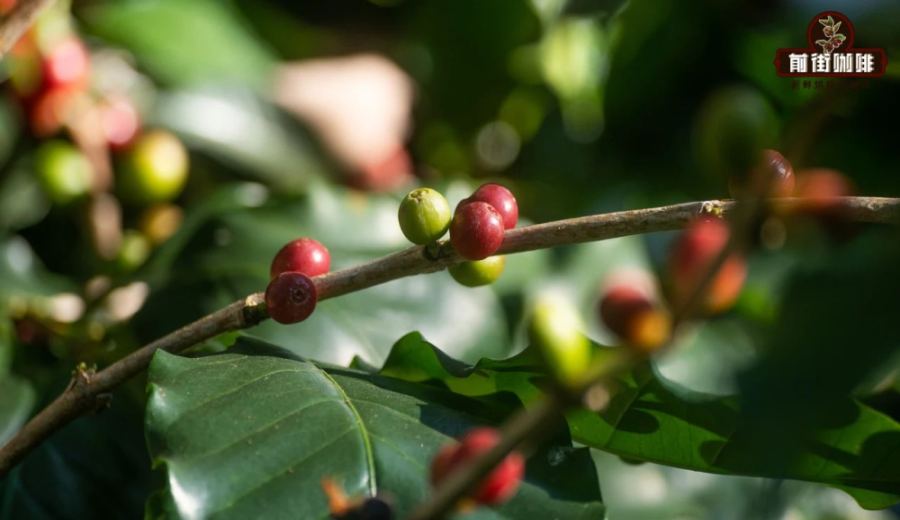
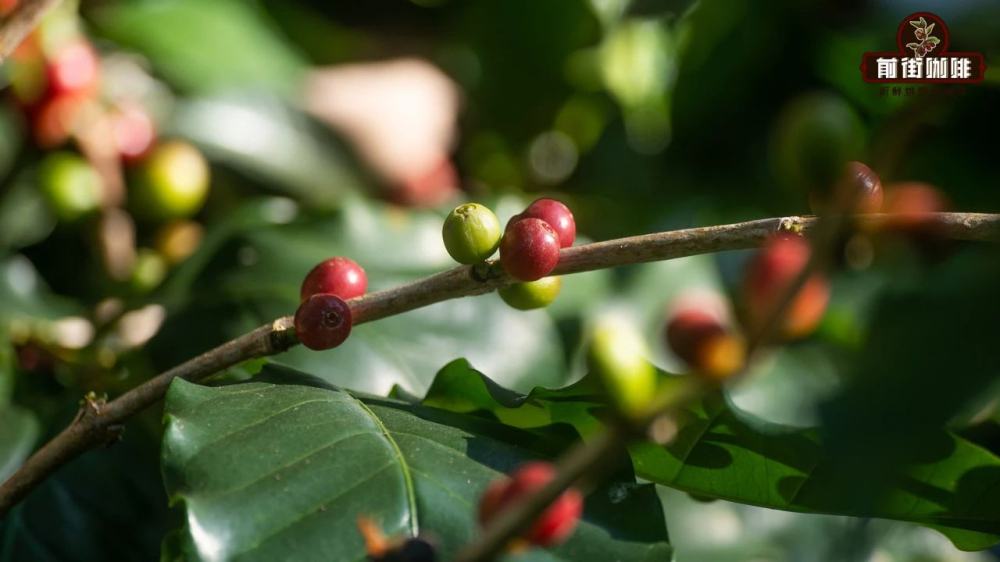
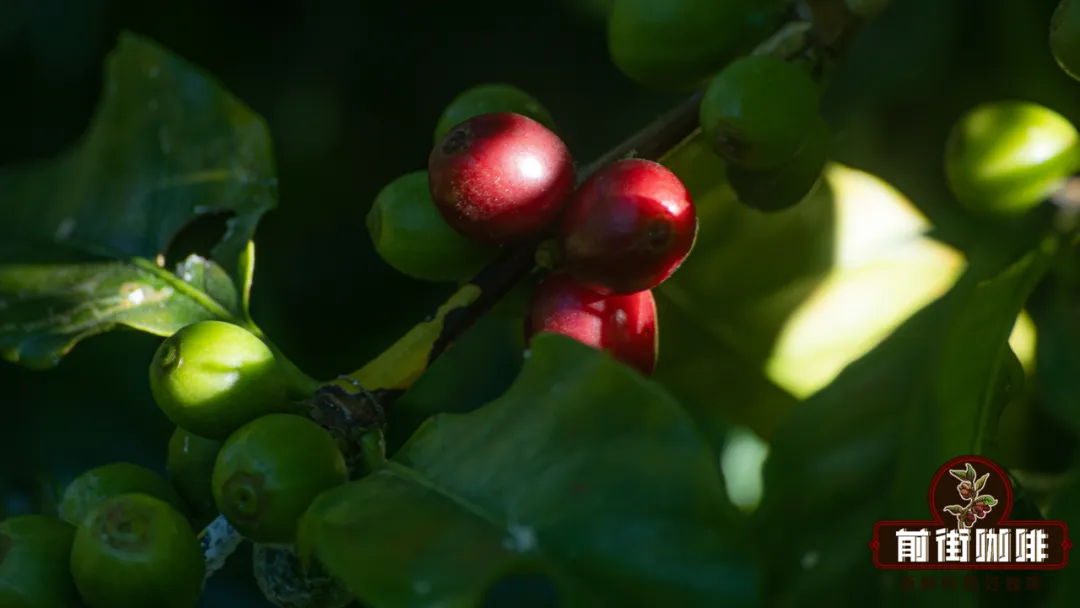
Generally speaking, a healthy coffee tree usually flowers and fruits only once a year. This process mostly occurs at the beginning of the rainy season. The flowers are pure white and emit a jasmine-like fragrance. After successful pollination, the flowers gradually wither, followed by the formation of small coffee cherries. These cherries are initially green, then turn yellow over time, and finally ripen to a bright red. The entire process takes roughly6 to 9 months, so from flowering to harvest, it is basically an annual cycle. Of course, different varieties or climatic environments may vary slightly, but a once-a-year harvest is still the norm.
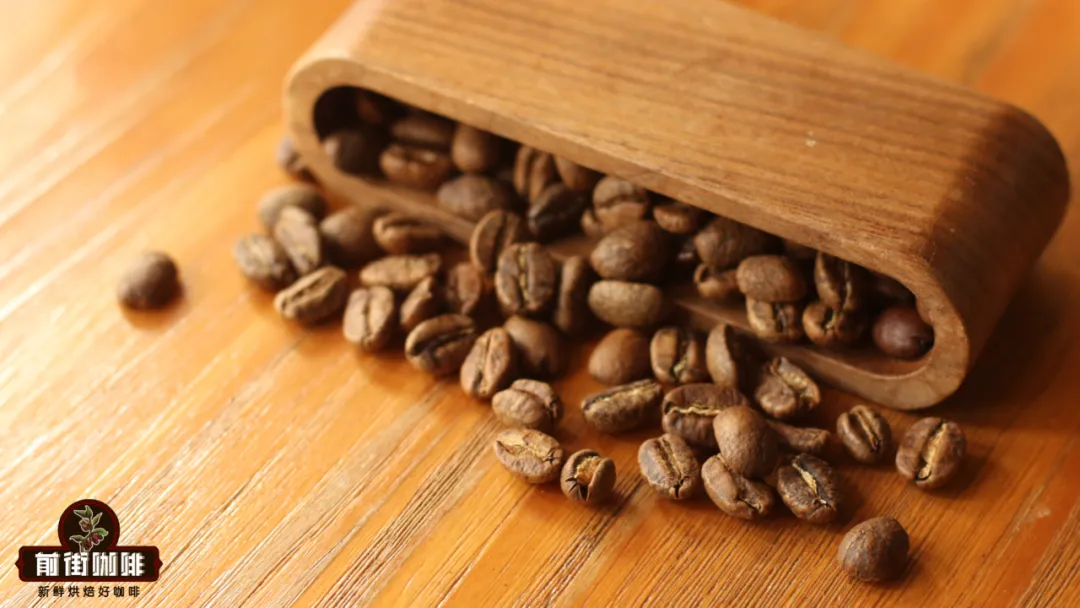
So, how many coffee beans can one coffee tree produce in a year? This depends on multiple factors, including variety, tree age, management practices, and local environment. Taking the common Arabica variety as an example, a mature coffee tree (around 4 to 5 years old) that is well managed can produce approximately1 to 2 kilograms of fresh coffee cherriesin a year. After processing—either washed or sun-dried—these cherries lose their outer flesh, leaving the bean encased in its parchment. Further removal of the parchment yields green coffee beans, whose weight is only aboutone-fifth to one-sixthof the fresh cherries. Calculated accordingly, one coffee tree can yield roughly200 to 400 grams of green beansper year. Assuming one pour over coffee requires 15 grams of coffee beans, the output of a single tree could make around a dozen to twenty cups of coffee.
Next, let’s look at yield per acre. In actual planting, the density of coffee trees varies depending on the variety and terrain. Taking major production regions like Yunnan as an example, common planting densities are around100 to 150 trees per acre. Assuming 120 coffee trees are planted per acre, with each tree averaging300 grams of green beans, the annual yield per acre would be roughly36 kilograms of green beans. However, this figure can fluctuate due to factors like management level, altitude, and pest control. Well-managed premium estates might achieve yields exceeding50 kilogramsper acre, while more extensively managed plots could yield less than30 kilograms.
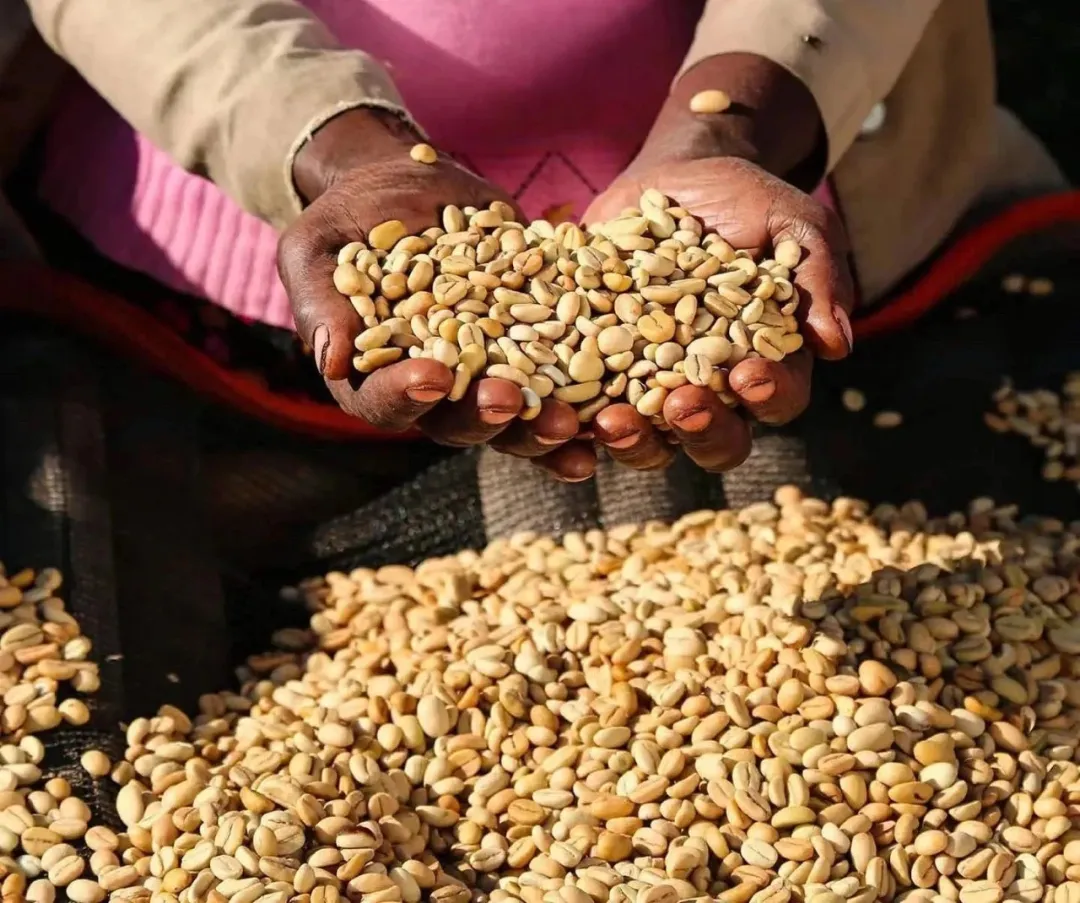
If we estimate that a coffee enthusiast consumes10 kilograms of green beans per year(approximately equivalent to more than one cup of coffee per day), at least0.3 acres(about 30 to 40 mature coffee trees) need to be planted to meet personal demand. To supply a family’s daily consumption or small gatherings, further expansion of planting area is necessary. Moreover, it usually takes3 to 5 years of patient waitingfrom planting the seedlings to the first stable harvest, during which time continuous pruning, fertilizing, and pest management are required, demanding considerable time and effort.
Coffee trees are highly particular about their growing environment. They prefer warm, moist, and frost-free climates, with the ideal planting altitude ranging between800 to 2000 meters. Additionally, appropriate shading and well-drained soil are indispensable. Therefore, not all regions are suitable for coffee cultivation. Even in suitable areas, microclimate differences can significantly impact yield and coffee flavor. Overall, a coffee tree bears fruit only once a year, with individual yields being limited, and the total yield per acre generally falls within30 to 50 kilograms of green beans. If you hope to rely on self-cultivation to meet daily needs, aside from planting dozens of coffee trees, you’ll also need to prepare for long-term dedication. Despite the challenges, the sense of achievement and unique flavor of enjoying coffee you’ve grown yourself—tended and harvested by your own hands—is often a reward beyond measure.
The above content is compiled by CoffeeHunters, a coffee news website.


