








Introduction:The honey process is a common coffee processing method in Central and South American regions such as Costa Rica, but many people mistakenly believe that this technique involves adding honey. In fact, the key to the honey process lies in the proportion of mucilage retained, which affects the coffee’s sweetness and flavor complexity. This article will detail the processing steps of Costa Rica’s yellow honey coffee, including harvesting, pulping, drying, and storage, and provide an in-depth analysis of the differences between the three grades—yellow honey, red honey, and black honey—to help you choose the coffee beans that suit your preferences based on flavor and processing methods.
The honey process is often misunderstood as involving the addition of honey, but it actually has nothing to do with honey at all. This processing method falls between the traditional washed and natural processes, originating in Central and South America and widely used in Costa Rica. Its core lies in retaining part of the fruit’s mucilage during drying. Since mucilage is rich in sugars, it is the main reason why honey-processed coffee boasts sweet and layered flavors.
This article takes the yellow honey-processed Villa Sarchi variety coffee from Finca San Juanillo in Costa Rica as an example, taking you through the key steps from post-harvest fruit selection to pulping, drying, and storage. It also analyzes the differences among the three common grades—yellow honey, red honey, and black honey—in terms of drying conditions, mucilage retention ratios, and flavor profiles, helping you gain a more comprehensive understanding of the essence of honey-processed coffee.
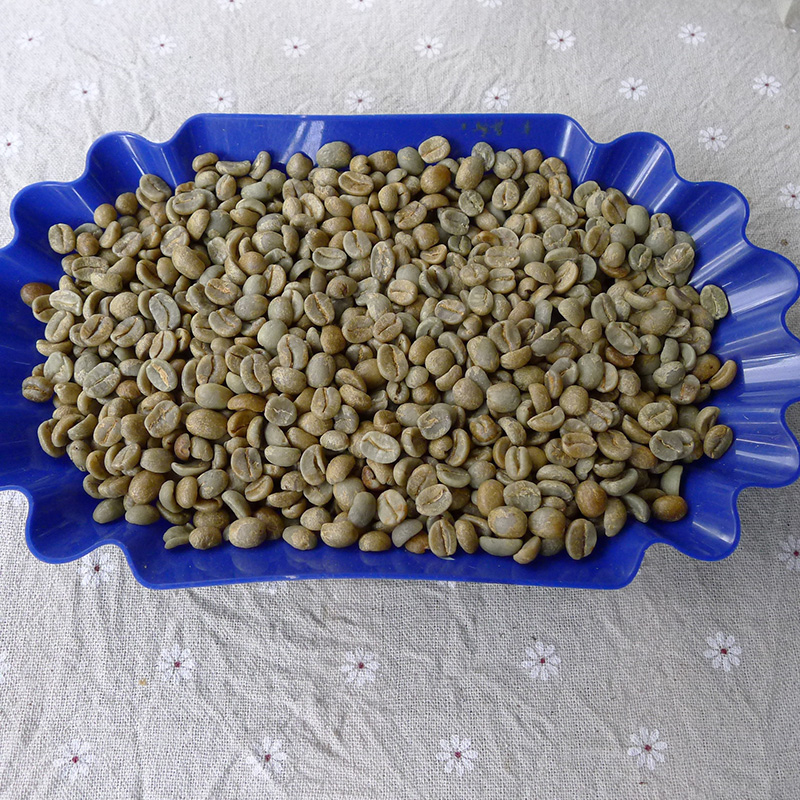
This coffee is produced in the Central Valley of Costa Rica, at an average altitude of about 1600 meters, and is classified as SHB (Strictly Hard Bean). The variety is Villa Sarchi, a Bourbon mutation, well-suited for high-altitude cultivation, often exhibiting bright acidity and floral-fruity notes. This batch of beans is processed using the yellow honey method, with approximately 30% of the mucilage retained. After drying, it presents a distinct sweet aroma profile, with flavor notes including brown sugar, floral, almond, black tea, orange, and sweet spices. The acidity is mild, and the mouthfeel has a syrupy smooth texture.
The honey process can be divided into four main steps: first is the collection and initial sorting. Coffee farmers remove unripe or defective coffee cherries after harvest to ensure that only mature and high-quality fruits enter subsequent processing. Next comes the pulping step, where an pulper removes the outer skin and pulp. At this point, the sticky mucilage layer remains on the surface of the beans. This viscous substance is rich in sugar and is the key factor influencing subsequent flavor and sweetness.
In terms of mucilage retention, yellow honey typically retains about 30% to 60% of the mucilage, red honey around 70% to 75%, and black honey retains nearly all the mucilage, with a retention rate of up to 80% or even close to 100%. The more mucilage retained, the richer the flavor compounds produced by sugar fermentation during drying, resulting in a more pronounced sweetness. However, the more mucilage retained, the more precise the drying control needs to be, requiring stricter management of temperature and humidity to prevent over-fermentation or mold.
Drying is the most time-consuming and critical step in the honey process. Unlike the washed process, which removes all mucilage before drying, the honey process involves drying with some mucilage still attached, either through sun drying or mechanical drying, with the goal of reducing the moisture content of green coffee beans to around 11%. This process usually takes 18 to 25 days, with the actual time adjusted based on local climate, sunlight intensity, and humidity conditions. During drying, the beans need to be regularly turned to ensure even heat distribution and to prevent localized overheating or uneven fermentation.
After drying, the coffee beans are temporarily stored in jute bags and placed in a low-temperature, low-humidity warehouse until just before export when the final hulling process is carried out to remove the outer parchment layer. This practice helps stabilize the beans and reduce flavor loss during transportation.
In major producing regions such as Costa Rica, honey-processed coffee is often categorized into three grades based on the degree of mucilage retention: yellow honey, red honey, and black honey. Yellow honey has a relatively low mucilage retention ratio, about 30% to 60%, and is typically dried in well-lit areas with a shorter drying period of around a week. As a result, its flavor is brighter, with noticeable sweetness but relatively simpler layers. Red honey retains more mucilage, about 70% to 75%, and the drying time is extended to 2 to 3 weeks, often under semi-shaded conditions, yielding a richer flavor with a distinct fruity character and a fuller body. Black honey is the method with the highest mucilage retention, with almost none removed, and the longest drying time of at least 2 weeks or more, usually conducted slowly under low-temperature, low-light environments. Thus, it offers the most intense and complex flavors, with deep sweetness and often notes of berries, chocolate, and rich wine-like tones. However, it also comes with a higher price tag, greater processing difficulty, and higher risk.
The advantage of the honey process is that it effectively combines the cleanliness of the washed process with the sweetness and complexity of the natural process, while using far less water than traditional washing, making it more environmentally friendly. The drying time is also shorter than the natural process, resulting in higher overall efficiency. For consumers, honey-processed coffee often has a more balanced acidity-to-sweetness ratio, rich aromatic layers, and a smooth mouthfeel. It is highly suitable for coffee lovers who enjoy both fruity and sweet profiles, and it is also one of the popular choices for pour over or specialty coffee.
The above content is compiled by CoffeeHunters, a coffee news website.


