








Introduction:To brew a well-balanced espresso at home, in addition to having the right equipment, selecting the appropriate coffee beans and mastering the correct extraction process are equally crucial. This guide provides a detailed explanation of the types and characteristics of espresso blends suitable for making espresso, and offers a complete set of operational steps from grinding, dosing, tamping, to extraction. It also includes recommendations for adjusting key parameters such as coffee-to-water ratio, extraction time, and pressure, helping beginners establish a stable and repeatable extraction system.
Successfully brewing a balanced espresso at home relies not only on a high-performance espresso machine but, more importantly, on the selection of coffee beans and mastery of extraction details. This article delves into the flavor profiles and applicable scenarios of common blend types, while taking you step-by-step through the entire process—from controlling the dose, setting the grind size, to distributing the grounds and tamping, and then actual extraction. It also provides adjustment strategies for common variables such as coffee-to-water ratio, extraction time, and water temperature, enabling every beginner to gradually develop their own stable extraction approach.
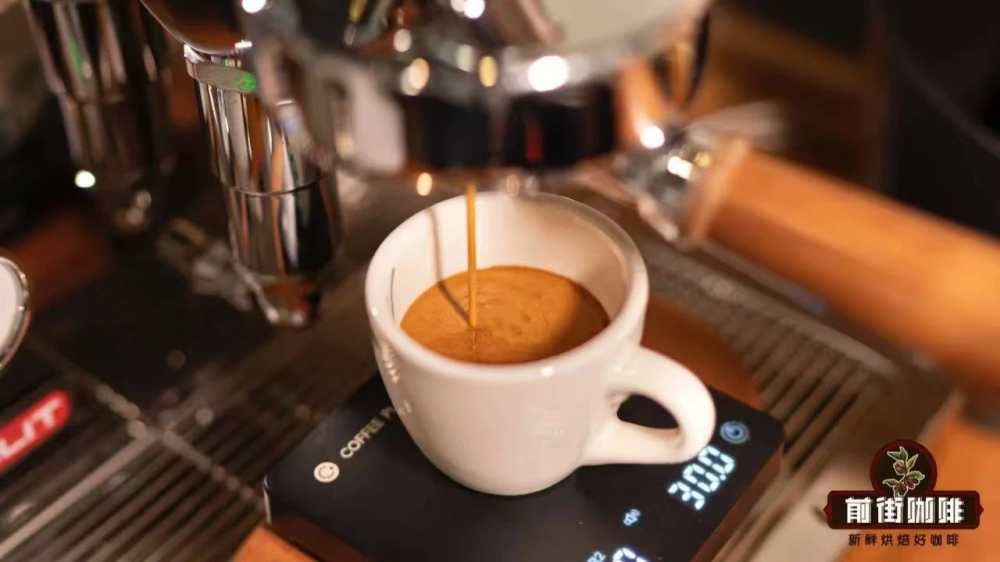
A satisfying shot of espresso involves more than just the beans themselves. Variables such as dose, yield, extraction time, grind size, water temperature, and extraction pressure all directly affect the final flavor profile. Although there is a growing trend in recent years toward using single-origin beans for espresso, for beginners, starting with professionally blended beans not only offers a more balanced flavor but also makes it easier to achieve stable and consistent results.
The biggest advantage of blends lies in combining beans from different origins with distinct flavor characteristics in specific proportions and roasting them to a medium-dark level. This effectively reduces the sharp or defective flavors that may arise from extreme extraction conditions with a single origin bean, thereby creating a coffee experience that is rich, layered, and highly consistent—especially suitable for daily consumption or commercial use.
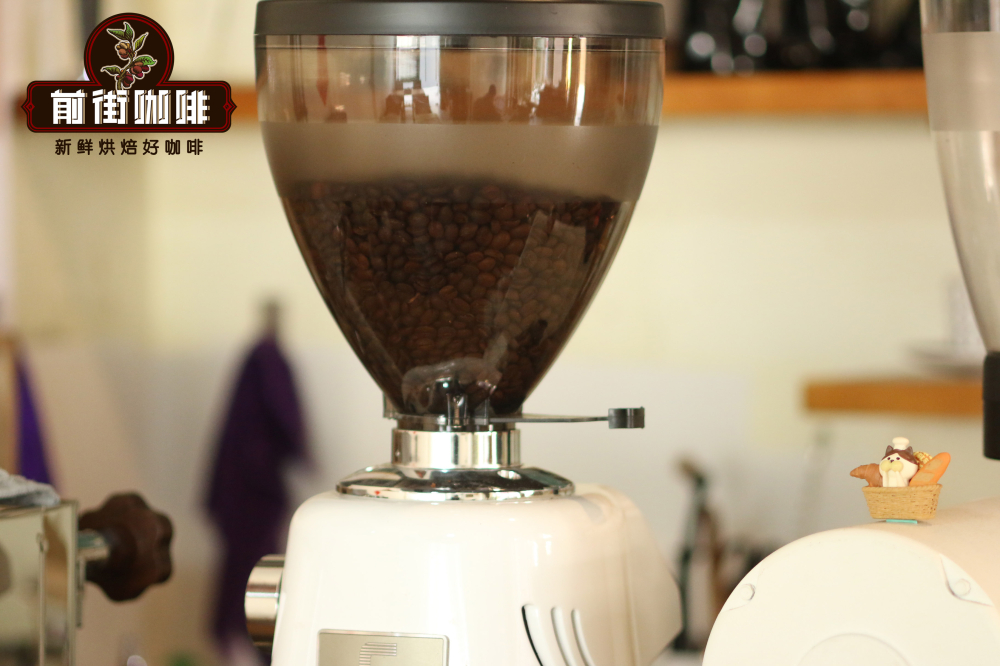
Currently, there are various blends on the market with different flavor profiles, allowing you to choose based on personal taste preferences. For example, blends focused on wine-like aromas often use sun-dried beans combined with wine-barrel fermented beans, delivering prominent notes of vanilla, berries, and roasted nuts; blends that emphasize nutty and chocolatey flavors typically use Brazilian and Colombian beans as the base, showcasing layers of rich caramel and dark chocolate; if you prefer a fuller-bodied and robust mouthfeel, blends containing a small amount of Robusta can provide stronger body and a balanced bitter-sweet profile while maintaining smoothness; there are also options that blend Yunnan small-leaf varieties with Brazilian beans, offering a subtle combination of soft fruity acidity and mellow nuttiness.
When extracting espresso, it is important to pay attention to the interplay between various parameters. Since different espresso machines and grinders vary in design and performance, even when labeled with the same grind size, actual flow rate and extraction performance may still differ. Therefore, it is recommended that beginners start with a set of neutral reference values and then make fine adjustments based on actual flavor feedback. For example, using a 20g dose, a 1:2 coffee-to-water ratio (i.e., extracting 40g yield), and maintaining an extraction time of 25 to 30 seconds under 9 bar pressure is a common and suitable starting point for most medium-dark roasted blends.
Among these, grind size is one of the key factors that affect extraction time and flavor release. If the grind is set too coarse, water flows through too quickly, shortening the extraction time and leading to under-extraction, resulting in a weak flavor lacking complexity. Conversely, if the grind is too fine, the flow rate slows down, extending the extraction time and possibly causing over-extraction, which can make the coffee taste noticeably bitter and burnt. It is recommended to observe changes in flow rate and the color transition of the final liquid after each small adjustment to the grind setting as a basis for determining whether ideal extraction has been achieved.

To perform the actual extraction, follow these steps: First, before dosing the coffee, grind about 1g of beans without placing them in the portafilter to clear out any old coffee grounds left inside the grinder, ensuring that the coffee grounds used this time are fresh and uncontaminated. Next, use a clean cloth to wipe the coffee handle to ensure there are no leftover coffee grounds or moisture inside the portafilter basket, preparing it for dosing. Once the grinder is started, evenly distribute the falling coffee grounds into the portafilter basket, as this step significantly impacts the evenness of the subsequent distribution.
Distributing the grounds aims to ensure the coffee is spread uniformly in the portafilter basket. It is recommended to use a distribution tool to assist, especially for beginners, as it helps maintain stability and efficiency. Place the distribution tool flat on top of the portafilter basket, gently rotate it a few times, and then lift it to evenly spread the grounds. Tamping is done to compress the coffee grounds, expel air between the particles, and form a compact and uniform coffee puck that can withstand the impact of high-pressure water flow. When tamping, keep your arm perpendicular to the portafilter basket and apply even pressure to compact the puck up to the indentation at the edge of the basket. Over-tamping may lead to uneven water flow or channeling.
Before starting the extraction, remember to turn on the espresso machine to allow any accumulated water on the shower screen of the group head to drain out. This helps maintain water temperature stability during the extraction process and prevents the overall extraction temperature from being affected by residual cold water. After completing the above preparations, securely attach the coffee handle to the group head, check for any leaks, and immediately press the extraction button. For the first approximately 4 seconds, thick dark coffee liquid will gradually seep out from the bottom of the portafilter basket, followed by the flow converging into a steady thin golden stream. This process is not only a display of technique but also a crucial moment for flavor development.

The above content is compiled by CoffeeHunters, a coffee news website.


