







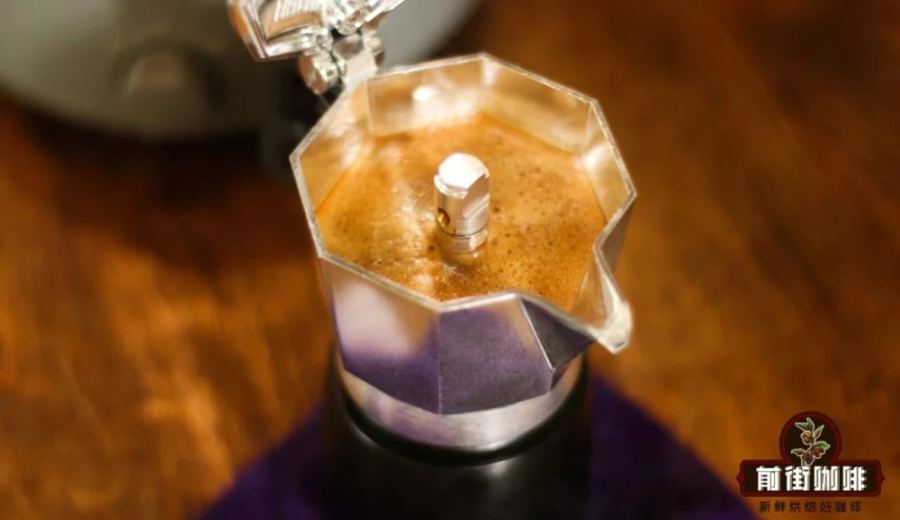
Introduction:The moka pot is a classic tool for many households to brew espresso-style coffee, but with options ranging from single-valve to double-valve, and even the latest hydraulic pressure models, many beginners often struggle to choose. This article delves into the workings, crema performance, and ease of cleaning of the three types of moka pots, and offers practical coffee bean selection and grind size advice to help you brew a rich and smooth cup more easily.
Thanks to its simple operation and ability to extract rich, crema-covered coffee, the moka pot has become a top choice for many coffee enthusiasts trying home espresso extraction. However, with a wide variety of models on the market—from early single-valve versions to later double-valve designs and the newest hydraulic pressure innovations—beginners often don’t know where to start. This article will begin with the basic principles of the moka pot, compare in detail the differences among single-valve, gravity-pressurized double-valve, and built-in hydraulic-layer double-valve types, and analyze their performance in crema layer development and ease of cleaning, helping you choose the most suitable model based on your needs.
In addition to introducing the characteristics of different valve designs, we’ll also share recommended coffee beans that pair well with moka pots, including specialty blends, classic blends, and dark cocoa blends. Each type of bean has its own unique flavor profile, offering different brewing experiences. Moreover, the article focuses on grind size control for the moka pot, helping you adjust to the optimal state, avoid common extraction failures, and complete each brew safely and efficiently.
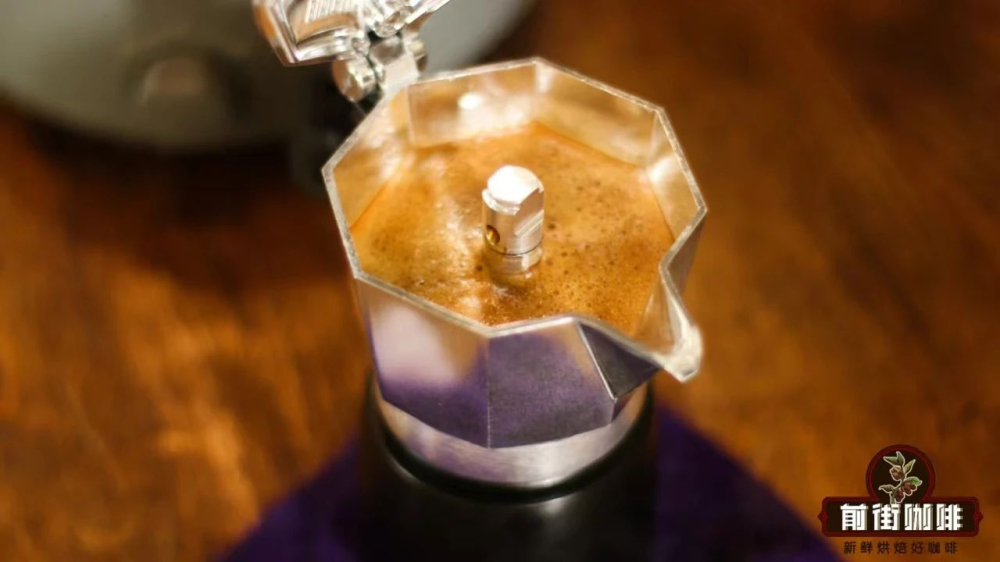
The moka pot is a low-barrier household device that can brew rich coffee, especially suitable for users on a budget who want to experience espresso-style flavors. Its structure is simple—just control the heat and grind appropriately—and it can easily produce coffee with crema at home, making it an entry-level tool for many practicing espresso extraction. However, because of its approachable appearance and ease of use, many beginners choose the moka pot when first encountering coffee, which also leads to many questions during selection, such as what capacity to choose, whether single-valve or double-valve is better, and how to adjust parameters to achieve the desired taste.
The working principle of the moka pot is actually not complicated: when the lower chamber is heated, the water generates steam pressure, which pushes the hot water up through the filter and coffee grounds in the middle, eventually reaching the upper chamber. In this process, the coffee grounds are quickly extracted by the hot water, producing coffee that is not only rich in flavor but also has a certain balance of acidity and sweetness, along with a crema layer, giving a taste experience similar to that of an espresso machine. However, it’s important to note that the parameter control and equipment pairing required for the moka pot are very different from those of a typical drip coffee maker.
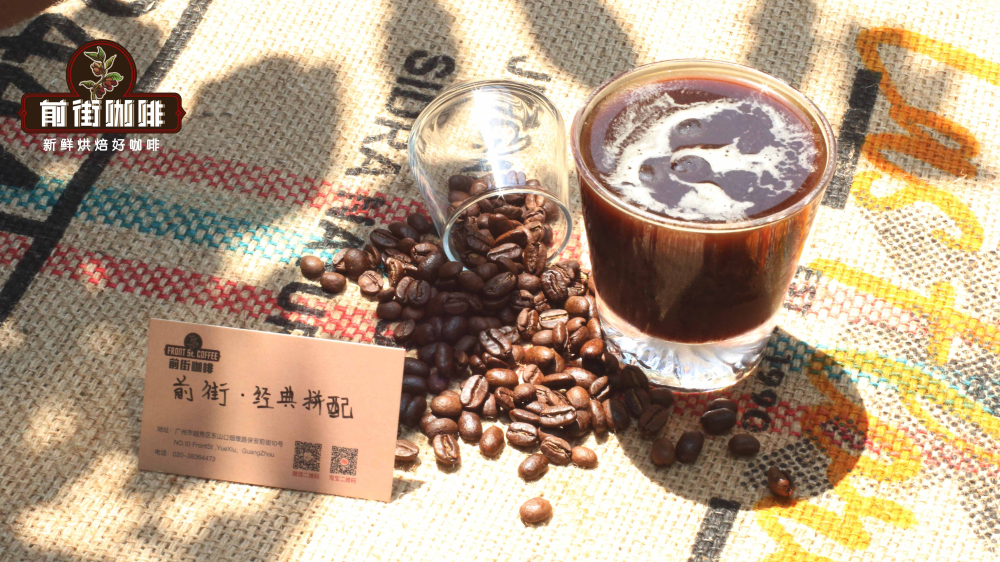
When selecting coffee beans, medium to dark roasts are generally recommended, as these beans can usually withstand the high temperature and pressure of the moka pot and better showcase rich flavors. Specialty blends, made from Brazilian and Colombian beans, present a clean and bright profile with nutty and chocolatey notes, making them suitable for beginners using a moka pot or espresso machine. If you prefer a thicker crema and richer taste, classic blends are a great choice, with flavors dominated by caramel, dark chocolate, and hazelnuts. They perform excellently whether consumed straight, with milk, or as an Americano.
If you’re looking for a more affordable option, the dark cocoa blend is worth considering. This bean combines the nuttiness of Brazilian beans with the pronounced plum acidity of Yunnan small-seed coffee, resulting in a balanced overall flavor and high cost-performance ratio, suitable for daily drinking and commonly found on the menus of many coffee shops. However, no matter which beans you choose, pay attention to storage conditions and freshness to ensure the best flavor performance during extraction.
The grind size setting for the moka pot is one of the keys to successful extraction. Since the operating pressure of the moka pot is much lower than that of a commercial espresso machine (usually only 1-2 bar, rather than 9 bar), the coffee grounds should not be ground too fine. An overly fine grind can create excessive resistance, not only making it difficult for the coffee to rise smoothly but also potentially causing excessive pressure buildup in the lower chamber. If the pressure cannot be released in time, it may even pose safety risks. If you notice that the water has boiled but the coffee hasn’t appeared, it’s recommended to turn off the heat immediately and check. Conversely, if the grind is too coarse, the water will pass through the coffee bed too quickly, resulting in under-extraction, with the coffee tasting weak and lacking depth.
For the moka pot, it’s recommended to set the grind size between #3 and #3.5 on the EK-43s grinder. This range provides moderate resistance, allowing the water and coffee grounds to interact fully without causing excessive clogging or splattering. Additionally, pay attention to evenly tamping the coffee when filling to avoid channeling, which can affect the stability and consistency of the overall extraction.
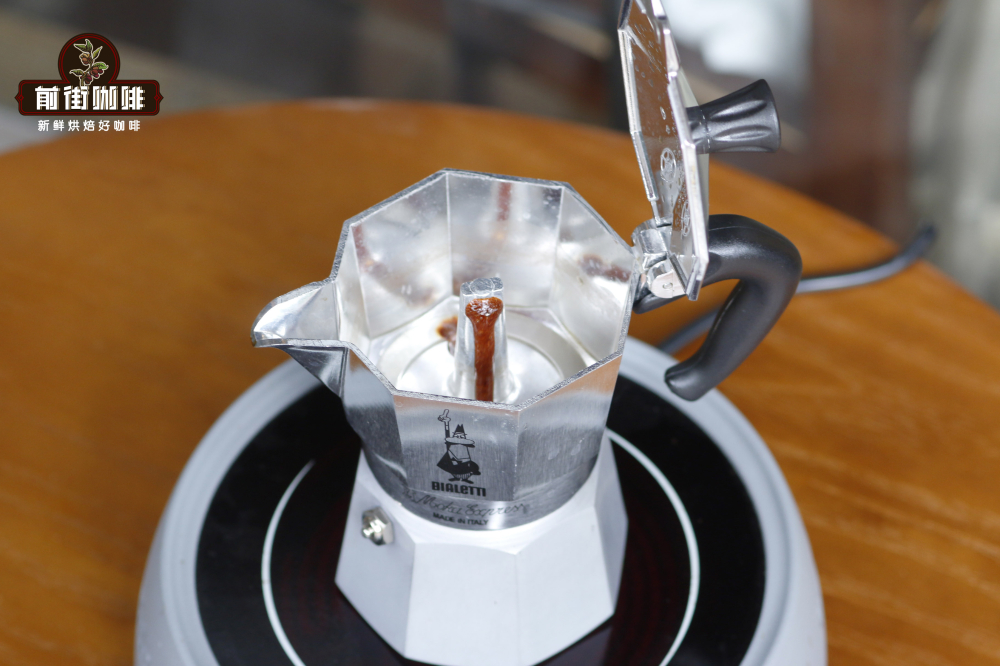
In recent years, the moka pot market has also seen technological innovation, especially with the new generation of pressurized designs introduced by Bialetti, which have attracted much attention. As of January 22, several real-world test videos of the new moka pot models have been released. Currently, the market mainly includes three types: traditional single-valve models, older gravity-pressurized double-valve models, and newer double-valve moka pots that have eliminated the gravity structure in favor of an internal hydraulic layer.
The biggest difference among these three designs lies in the pressurization method and structural configuration. The single-valve model is the most classic original design, with no additional pressurization mechanism. The older double-valve model increases pressure through gravity, thereby enhancing the crema layer. The latest model, on the other hand, achieves pressurization through an internal hydraulic layer, featuring a more streamlined structure and a better user experience. According to extensive comparative testing, the coffee brewed with the single-valve model has a thinner crema layer that dissipates quickly, while both the old and new double-valve models can extract a richer, more long-lasting crema. Among them, the new double-valve moka pot with an internal hydraulic design produces an even finer and thicker crema layer, with a significantly slower dissipation rate, delivering an overall taste closer to that of a professional espresso machine.

For beginner coffee enthusiasts who are still confused about the difference between single-valve and double-valve models, here’s a simple way to understand: the single-valve is the oldest and simplest design, suitable for users on a budget or those who use it occasionally. The double-valve, however, is an advanced design developed to enhance crema and richness. If you want to brew coffee at home that rivals café-quality richness, it’s recommended to prioritize the new or older double-valve moka pots. Not only do they offer a richer crema, but their overall extraction performance also has more layers, meeting the needs of users who seek a deeper coffee flavor.
The above content is compiled by CoffeeHunters, a coffee news website.


