







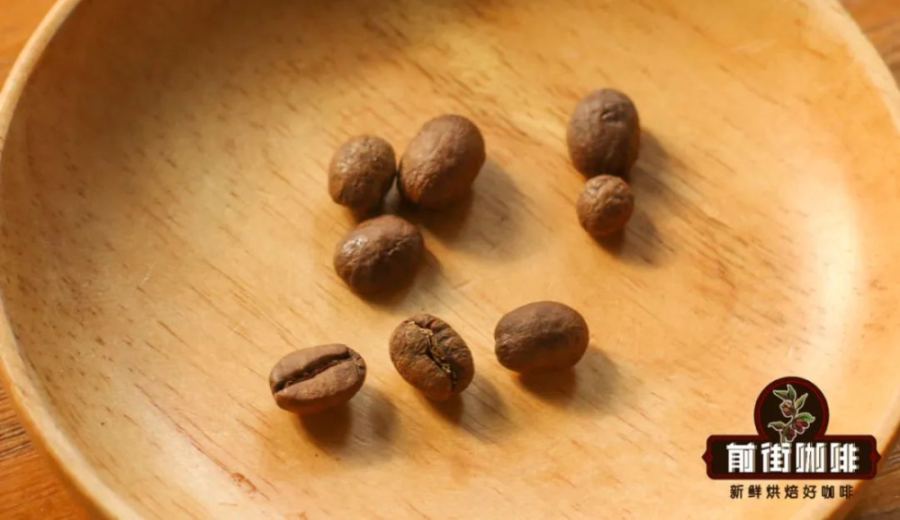
Introduction:You may have heard that "coffee beans come in male and female varieties," but this is actually a misconception. This article delves into the causes behind flat beans, peaberries (round beans), and elephant beans, their visual differences, market grading logic, and actual flavor profiles. From whether the rare peaberry is truly more delicious than the flat bean, to the unique flavor profile of the massive elephant bean, it helps you better understand these special bean types and make more accurate judgments when selecting and brewing.
In the world of coffee exploration, many often wonder: "Do coffee beans also have genders?" In fact, this is a common misunderstanding. The so-called "male beans" and "female beans" are just folk terms for two visually distinct types of coffee beans—peaberries and flat beans. In reality, they both come from the same plant, and their differing appearances are simply due to different formation conditions.
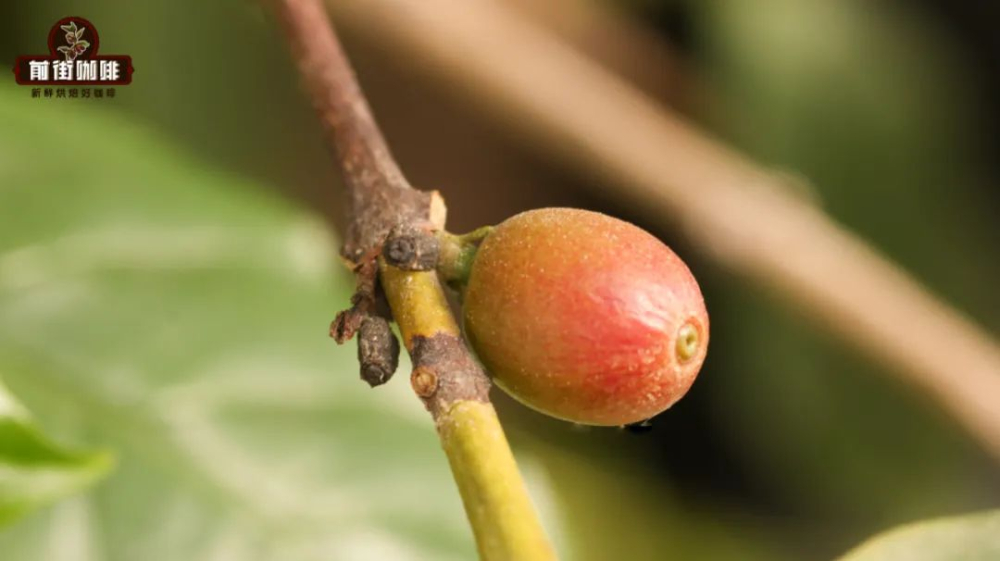
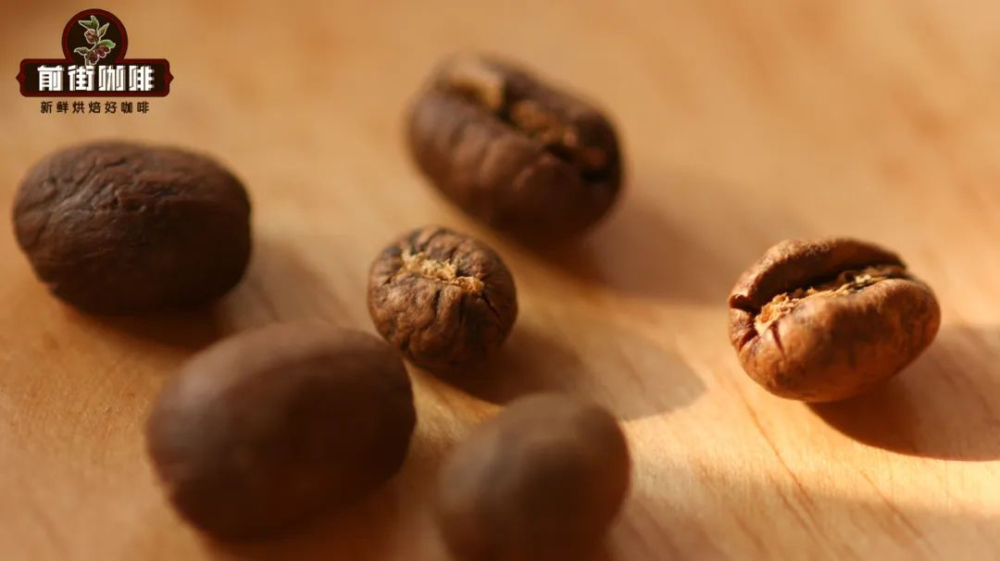
Typically, a single coffee cherry (coffee fruit) contains two hemispherical green beans that are closely nestled together—these are the flat beans we commonly see. However, due to genetic or environmental factors, some coffee cherries contain only one bean. Because this single bean isn’t pressed against another, it can absorb nutrients more evenly and develop into a round, oval shape—this is known as a peaberry, or "圆豆" in Chinese, and is called Peaberry in English.
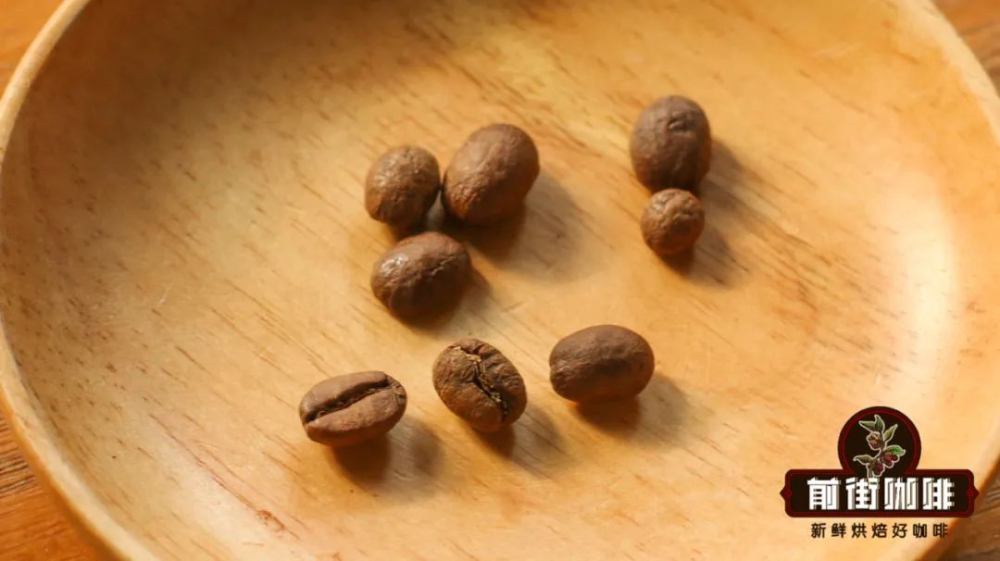
Interestingly, although the internet often claims that "peaberries are extremely rare, making up only about 5% of total yield," the actual occurrence rate of peaberries is indeed low, usually around 5%, and not every batch of coffee beans will produce them. This unique bean type does not appear in isolated fruits but coexists with flat beans on the same coffee tree. In short, there’s no such thing as male or female coffee beans—they’re just different in appearance.
The most obvious difference between peaberries and flat beans lies in their shape: flat beans are slightly flattened ovals because they develop from two beans growing together, while peaberries, having grown individually, are more fully rounded ovals and are usually slightly smaller in size. For the same coffee variety, if a flat bean falls within a size range of 16–18 mesh, then a peaberry will typically measure only around 14–15 mesh, which directly affects its market grading classification.
In many coffee-growing regions, bean size is an important criterion for determining grade—generally, the larger and better-looking the bean, the higher the price. For example, in Kenya, beans sized 16–17 mesh are classified as AA grade, which is high-end and commands a premium price; 15–16 mesh beans are AB grade, slightly lower in price; and 14–15 mesh C grade beans are even cheaper. However, even if peaberries are only 14–15 mesh in size, they often sell at prices higher than typical C grade beans, thanks to their rarity and distinctive appearance—not because their size meets the standards of higher grades.
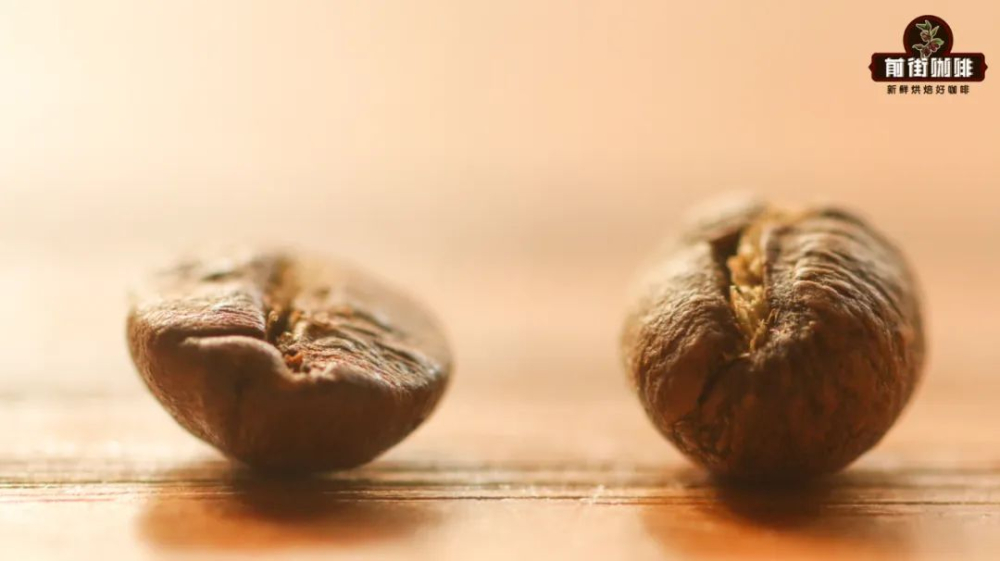
As a result, many consumers mistakenly believe that peaberries must have richer or superior flavors. But in truth, under the same growing region, variety, and cultivation conditions, the flavor differences between flat beans and peaberries are actually quite minimal. Experts point out that peaberries aren’t necessarily more delicious than flat beans—their attention stems mainly from their rarity and unique growth method. Most regions do not specifically sort out peaberries for sale unless it’s for specialty markets or specific demands requiring manual selection.
Beyond flat beans and peaberries, there is also a “heavyweight” in the coffee world—the elephant bean (Maragogype). This type of coffee bean is astonishingly large, usually over three times the size of a regular coffee bean, and is a rare giant variant within the Arabica species. The scientific name for elephant beans is Maragogipe, and they were first discovered in the Maragogipe region of Bahia state in Brazil, hence their name.
It’s worth mentioning that although elephant beans are large, not all grown at various altitudes perform exceptionally. It’s understood that elephant beans grown at elevations of 700–800 meters often have rather bland flavors; however, when cultivated at altitudes exceeding 1500 meters, their aroma and sweetness significantly improve, and their flavor profile becomes much more captivating. These high-altitude-grown giant elephant beans not only boast an impressive appearance but also offer intense aromas, pronounced sweetness, and rich body, with almost none of the sharp acidity commonly found in typical Arabica beans. They are hailed as the "Central American Blue Mountain" and share certain flavor similarities with Blue Mountain coffee in some aspects.
In summary, flat beans, peaberries, and elephant beans each have their own characteristics. Their visual differences conceal different formation mechanisms and market positions. Whether you're drawn to the rarity of peaberries or prefer the substantial feel of elephant beans, understanding their origins and traits can help you make more informed choices when selecting coffee beans—and allow you to more subtly appreciate the unique charm of each bean type during brewing and tasting.
The above content is compiled by CoffeeHunters, a coffee news website.


