







Introduction:Espresso is a classic icon of the coffee world, evolving from the steam-pressure designs of the late 19th century to today’s golden crema and precise extraction. This article will guide you through the history of espresso, its key flavor characteristics, and an in-depth look at practical extraction parameters, coffee-to-water ratios, water temperature, and timing. It also demonstrates how to use blends to craft delicious hot and iced Americanos — an essential guide for both beginners and advanced coffee enthusiasts.
The word "Espresso" comes from the Italian verb "esprimere," meaning "to express" or "to press out," which precisely captures the essence of this coffee — a concentrated brew made in a very short time. Compared to other brewing methods, espresso uses high-pressure water to quickly pass through finely ground coffee, extracting a rich and complex flavor profile. Making an authentic espresso is not simply about mixing hot water with coffee grounds; it requires a professional espresso machine and mastery of a series of precise parameters and techniques.
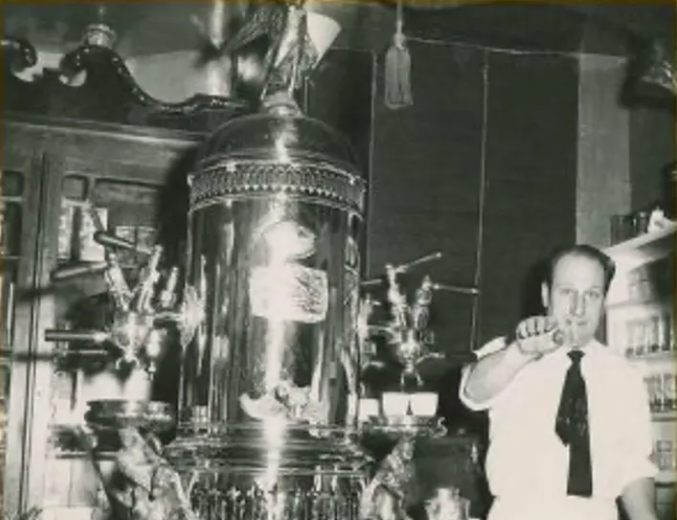
Tracing back to the origins of espresso, the earliest machines used dual boilers to generate steam pressure (around 1.5 bar) to push hot water through a bed of coffee grounds. While this method could produce a concentrated coffee, the resulting flavors were often poor, with a rough texture and little complexity. Entering the 20th century, Italian technician Luigi Bezzera improved the early designs by adding a pressure regulator and a specialized portafilter basket, ensuring stable water pressure and even distribution of coffee grounds, which significantly enhanced extraction consistency and quality. Then, in 1946, Gaggia introduced a spring-piston system that further increased extraction pressure and created the now-celebrated golden crema on the coffee’s surface for the first time — establishing the foundational flavor profile of modern espresso.
Early espresso culture was primarily popular among working-class men, and cafes did not welcome female customers, so this strong and intense coffee did not achieve immediate widespread acceptance. However, over time, espresso gradually became integrated into the daily lives of Italians, evolving into a national beverage, with increasing demands for its flavor and quality. Modern espresso emphasizes intensity without bitterness, a full-bodied and solid mouthfeel, clear aftertaste, and distinct layers. The crema is not just a visual highlight but also contributes a smooth and silky texture, enhancing the overall drinking experience.
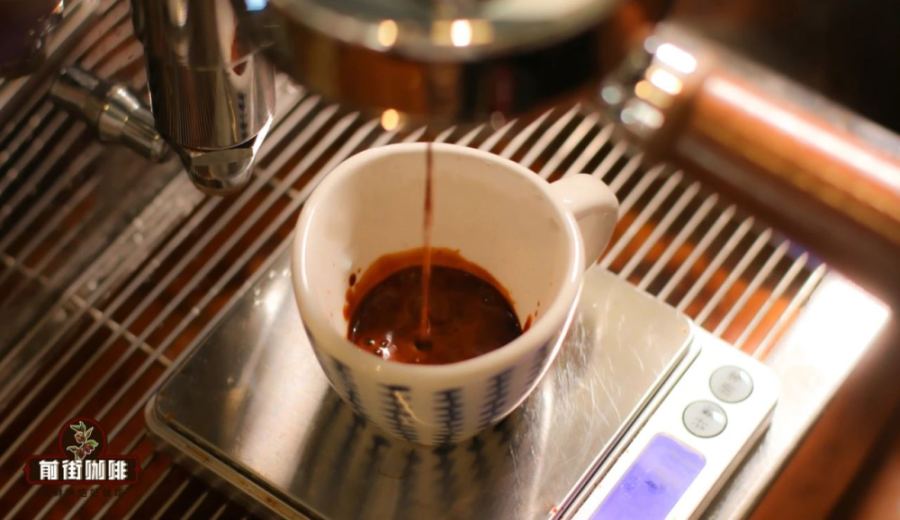
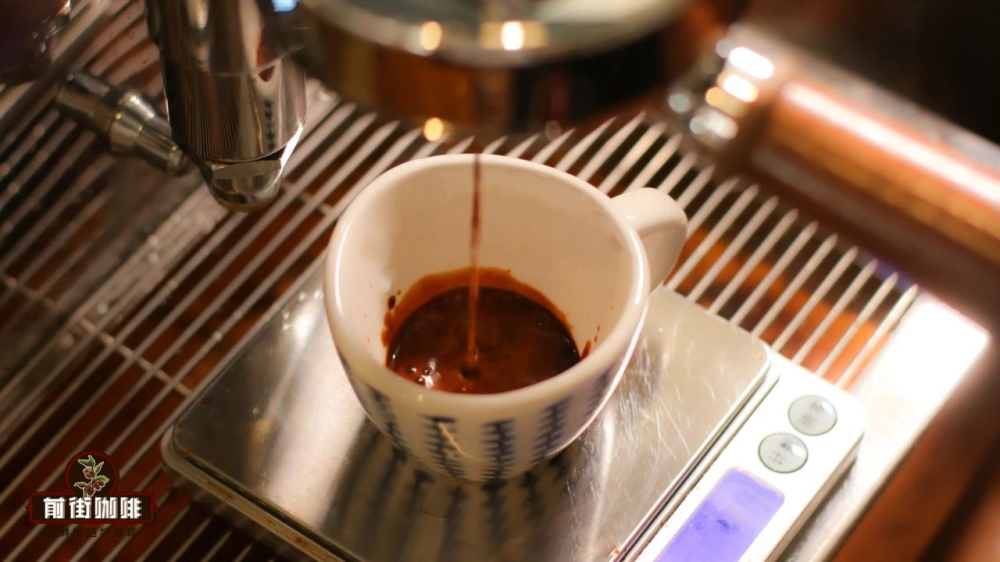
So, what exactly creates the golden crema on the surface of espresso? The answer lies in the carbon dioxide within the coffee grounds. Under high-pressure extraction conditions, CO₂ cannot escape and is forced out along with water, coffee oils, and soluble aromatic compounds, forming a thin, dense layer of oils floating on top of the coffee liquid. Successfully extracting rich crema relies heavily on using freshly roasted coffee beans — ideally within 5 days of roasting — and grinding them just before extraction to preserve the maximum amount of CO₂ and volatile aromas.
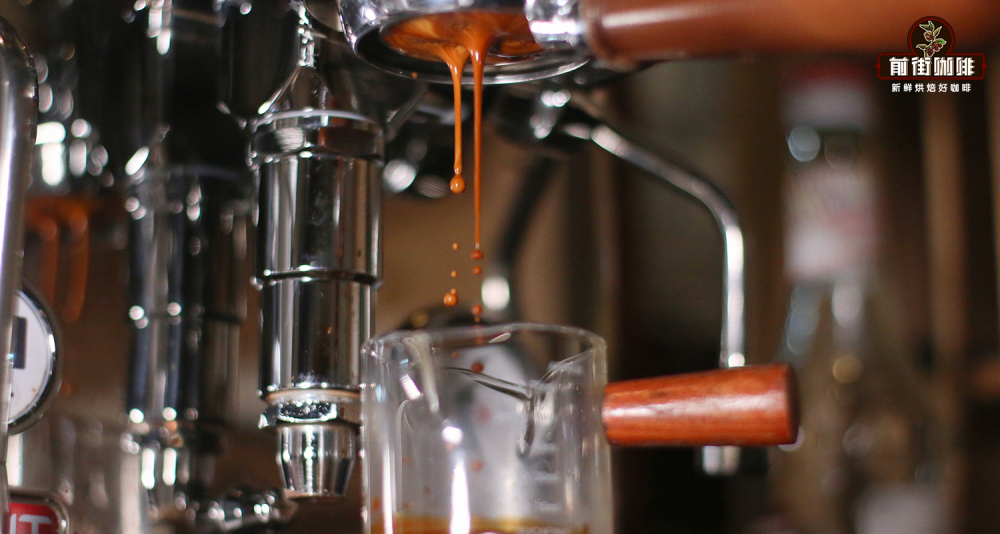
Taking common practices in specialty coffee shops as an example, a single shot of espresso typically uses around 10 grams of finely ground coffee, aiming to extract 20 grams of coffee liquid, with water temperature controlled at 94°C, and an overall extraction time recommended between 20 to 30 seconds. For a double shot, about 20 grams of coffee is used to extract approximately 40 grams of liquid, maintaining similar extraction times and water temperatures. Additionally, the choice of portafilter basket greatly affects the outcome — singles usually use a single-spout handle with a bottomless basket, while doubles often use bottomless or specially designed double spout handles to ensure uniform pressure distribution during extraction.
In actual operation, first preheat the espresso machine and clean the portafilter and basket to ensure there is no residual water or old coffee grounds. Then, use a professional grinder to grind the coffee beans to a fine consistency, and it’s recommended to zero the scale with the portafilter before dosing to ensure consistent dosing weight each time. After dosing, use your fingers to roughly level the coffee bed, then use a tamper to press down vertically, creating a compact and even coffee puck. Once tamping is complete, gently attach the portafilter to the machine to avoid jarring the puck, which could create cracks and affect flow rate and flavor.
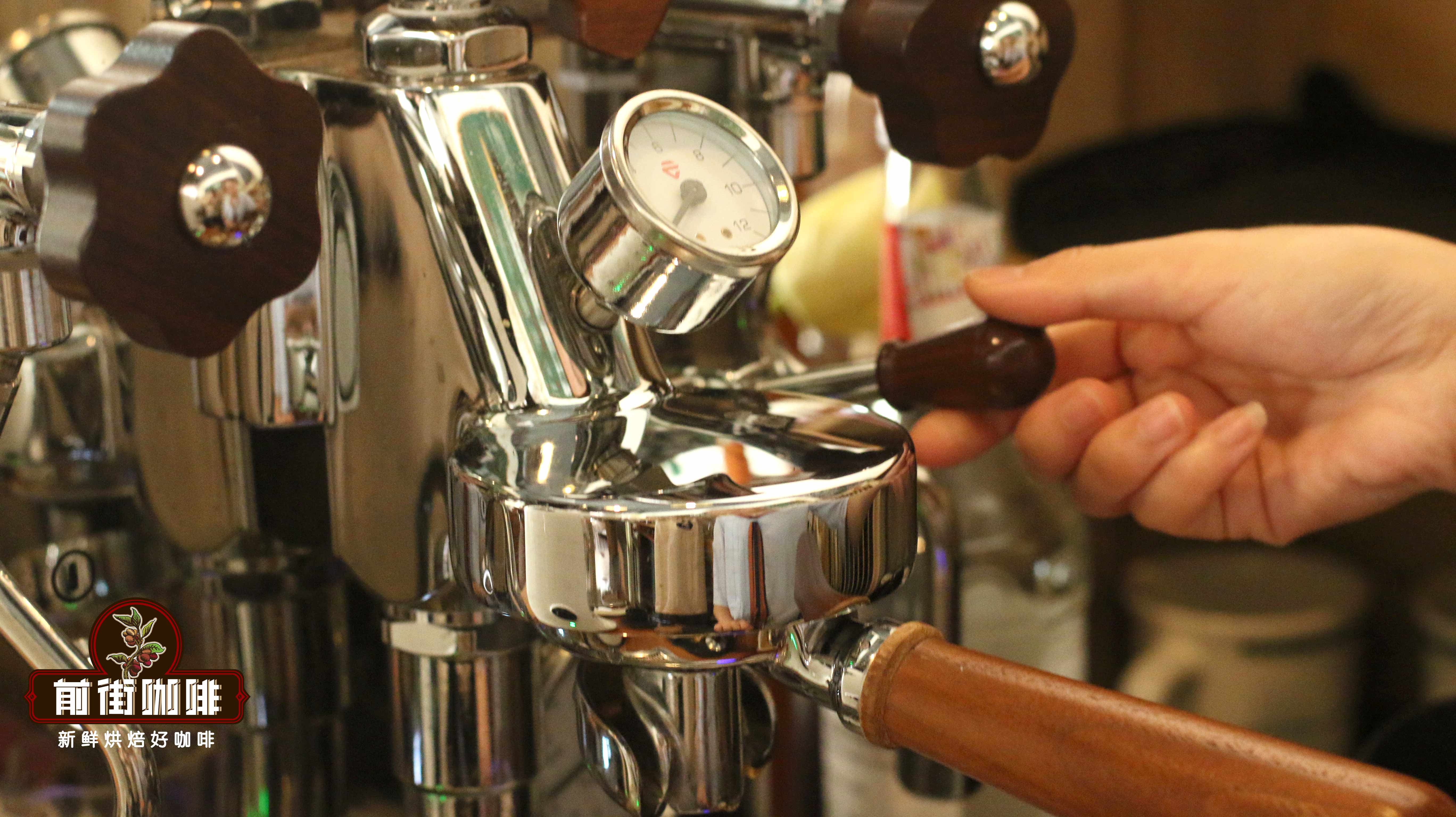
When everything is ready, you can begin the extraction process. It's advised to observe the flow rate, color, and weight of the coffee liquid during extraction to ensure a smooth process that aligns with expected parameters. After extraction, remove and clean the puck, as well as the portafilter, to maintain equipment hygiene and consistent performance. Notably, having a stable and fresh supply of coffee beans is fundamental to maintaining flavor consistency. Some shops choose to roast their own beans and ensure they are shipped within 5 days post-roast, so consumers receive them at the peak of their flavor window — typically with a resting (degassing) period of around 4 to 7 days.
Taking a common blend recipe as an example, a mix of 70% Honduran Sherry-toned beans and 30% Ethiopian Yirgacheffe Natural Red Cherry can deliver multi-layered flavors such as whiskey, vanilla, cream, and tropical fruits. With a soft mouthfeel and rich complexity, it makes an excellent espresso base. However, for consumers who prefer a lighter taste, turning espresso into an Americano is a more common choice.
When making a hot Americano, it’s generally recommended to extract a shot of espresso using a 1:2 coffee-to-water ratio (e.g., 20 grams of coffee yielding 40 grams of liquid), then dilute it with hot water at a 1:6 ratio (for instance, adding 240 grams of water at around 88°C to the 40 grams of espresso), which highlights the coffee’s aroma while maintaining balance. For an iced Americano, replace the hot water with 120 grams of ice and 120 grams of room-temperature water. It’s best consumed before the ice fully melts to enjoy the optimal refreshing sweet-and-sour flavor — even those who don’t regularly drink coffee will find it approachable.
The above content is compiled by CoffeeHunters, a coffee news website.


