







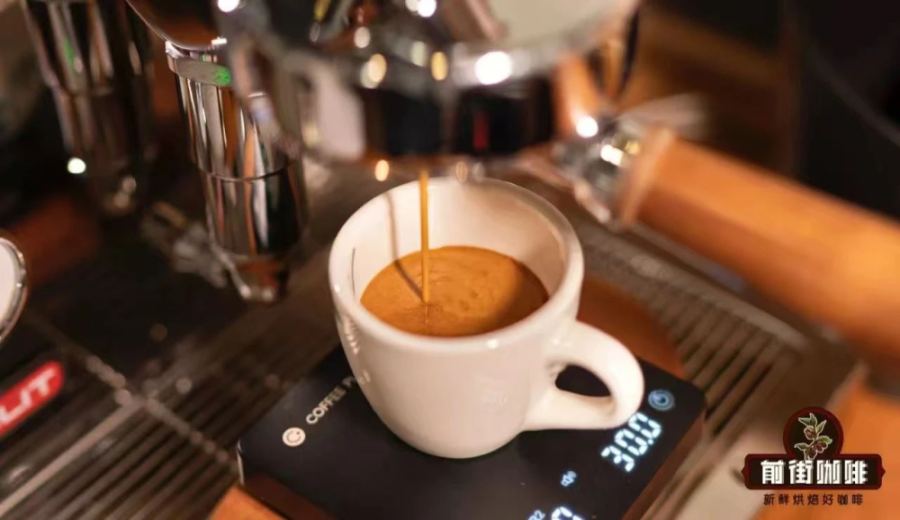
Introduction:Although espresso is renowned for its intense flavor, mastering the correct tasting method can help uncover its rich layers of taste. This article delves into the origins and evolution of espresso, analyzes the three key tasting aspects—aroma, body, and aftertaste—and details the complete steps from rinsing your mouth with ice water, stirring the crema, to proper drinking techniques. It aims to help coffee enthusiasts easily grasp the essence of this Italian classic.
For many people, espresso is a challenging beverage. Its high concentration brings a strong bitterness that often deters first-timers. But with the right tasting approach, this seemingly intense coffee actually contains delicate and captivating flavor variations. This article will start with historical background to help you understand the birth and evolution of espresso, and deeply explore the key points of tasting its aroma, body, and aftertaste, while also providing practical drinking steps to allow you to easily appreciate the charm of this Italian classic.
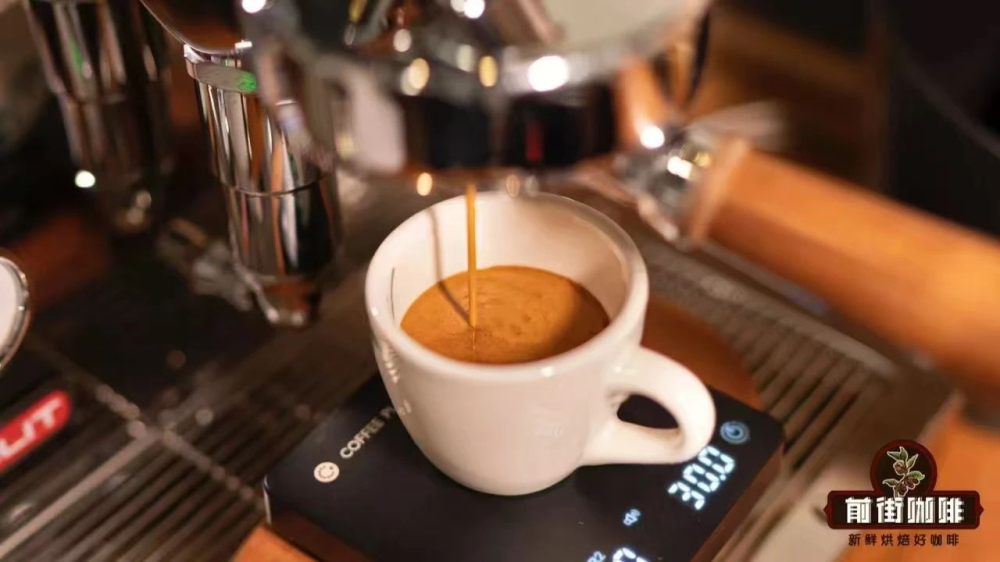
Many consumers are often shocked by the intense taste when they first try espresso. Since they rarely encounter such highly concentrated coffee in daily life, the immediate stimulation upon drinking can be off-putting. As a result, some cafés even exclude espresso from their regular menus to avoid making customers who prefer milder flavors uncomfortable.
However, on social media, we often see images of coffee enthusiasts downing espresso in one go, their satisfied expressions making others eager to try it themselves. But in reality, many beginners often stop after just a sip due to the overwhelming bitterness, subsequently excluding espresso from their choices.
This situation often stems from improper tasting methods. Without mastering the right techniques, it’s easy to only perceive the surface bitterness and miss the deeper flavor characteristics of espresso. Next, we’ll guide you on how to properly taste this classic coffee.
The Birth and Evolution of Espresso
In 19th-century Italy, Angelo Moriondo invented the first-generation espresso machine. After continuous improvements, a pressurized model that extracts coffee under pressure was eventually developed—that is, the espresso machine we know today. This machine could produce small cups of highly concentrated coffee in a short time and was named “Espresso,” meaning “made quickly,” giving birth to what we now call espresso.
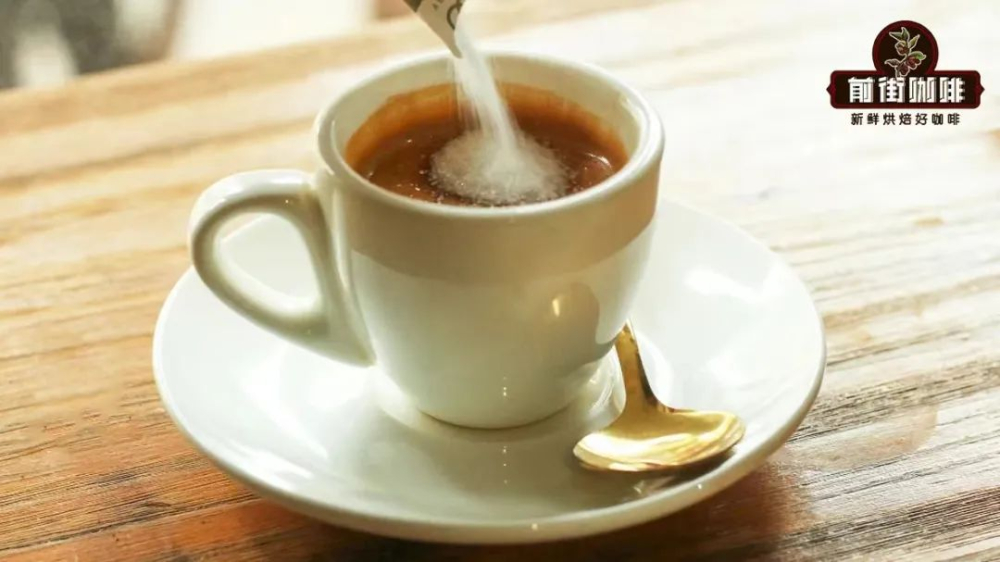
Espresso quickly became an everyday necessity for Italians. Its quick preparation and high caffeine content made it effective for a quick energy boost, especially suitable for busy work environments. At the time, espresso was characterized mainly by a strong, burnt-bitter flavor, so the “one-shot” drinking style not only saved time but also reduced the impact of bitterness. To balance the taste, many people would also add sugar or other flavorings.
With the rise of specialty coffee culture, modern expectations of coffee have shifted from mere stimulation to a pursuit of flavor and texture. Nowadays, espresso doesn’t necessarily have to be drunk in one gulp, but it’s still recommended to enjoy it within a short time to fully experience its optimal flavors. This is because, over time, highly concentrated coffee becomes even more intense, and the crema (coffee foam) on top gradually dissipates.
The Three Key Aspects of Tasting Espresso
Tasting espresso mainly involves three dimensions: aroma, body, and aftertaste. These elements together create the unique flavor experience of espresso.
First is aroma. This is the first element that attracts us to take a sip, as important as the title of an article. Dark-roasted espresso often emits rich nutty and creamy aromas; lighter roasts may present floral and fruity notes, with some blends even offering sweet, candy-like scents. Observing the aroma can help us anticipate the upcoming flavor profile.

Second is body. Due to the presence of crema, espresso tastes richer and has a silky-smooth texture like cream. This golden layer of foam not only affects mouthfeel but also carries many volatile aromatic compounds.
Finally is aftertaste. Compared to regular single-origin coffee, espresso often reveals more nuanced flavors in its aftertaste. Due to its high concentration, many flavors are not easily distinguishable while drinking but are gradually released after swallowing—especially the aromatic compounds hidden in the crema, which bring a lingering sweet finish.
Steps for Properly Tasting Espresso
Before tasting espresso, it’s recommended to take a sip of ice water. This cleanses the palate and resets the taste buds, helping you perceive the subtle flavors of the coffee more acutely.
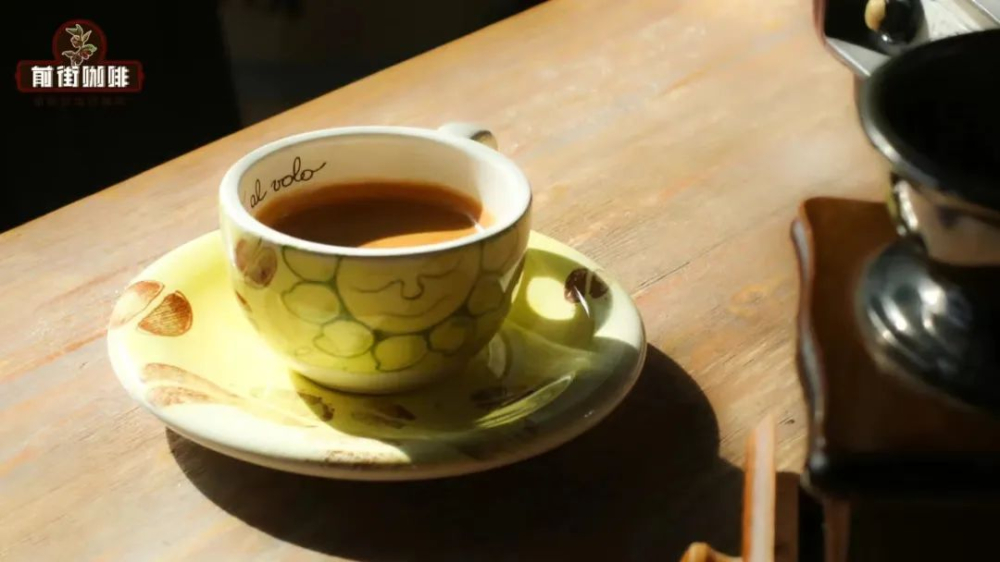
Next, you can gently stir the coffee with a spoon. This step serves two purposes: first, to distribute the concentration more evenly, avoiding a situation where the surface is too light and the bottom too strong; second, to mix the fine grounds and oils in the crema. Many beginners experience intense bitterness when directly sipping the top layer of crema because it contains tiny coffee particles. Stirring helps distribute these components more evenly, reducing localized bitterness.
If you’re not used to stirring, you can also taste it directly, which allows you to experience more distinct layering. But for beginners, it’s recommended to start with stirring to achieve a more balanced flavor.
Then, it’s suggested to take a big sip. This allows the coffee to fully contact the tongue—especially the taste buds on the tip and sides—so you can simultaneously sense sweetness and acidity. Stirred coffee becomes smoother, especially when the oils are evenly distributed, offering a silky mouthfeel. If using a light-roasted single-origin bean (SOE), the lower oil content might result in a relatively crisper texture.
After swallowing, remember to close your mouth and draw in air to appreciate the aftertaste rising from your throat and the lingering aroma in your mouth. You can then take another sip of water to cleanse your palate and experience the coffee’s aftertaste. Even if it feels unfamiliar at first, don’t be discouraged—coffee flavors vary from person to person, and finding what suits you best is what matters most.
The above content is compiled by CoffeeHunters, a coffee news website.


