







Introduction:Cold brew and ice drip coffee are the go-to choices for summer coffee lovers—not only do they offer unique flavors, but they also showcase the refined art of low-temperature extraction. This article delves into the principles, flavor profiles, and practical brewing methods of both techniques, helping you choose the most suitable cold coffee based on your taste preferences and home setup, and easily replicate café-quality flavors at home.
In recent years, cold brew and ice drip coffee have gained increasing popularity in the coffee community, especially during the hot summer months when these two low-temperature extracted brews often become signature iced offerings in cafés. They stand out with their distinctive flavor profiles and long-lasting aftertastes, and are considered even more special due to their longer brewing times. Although the waiting process requires patience, the brewing steps are actually not complicated. This article will take you from the basics, helping you understand the differences between cold brew and ice drip, and providing detailed home brewing guides so you can also easily enjoy these two classic styles of cold coffee.
Choosing the right coffee beans for low-temperature extraction is key. It’s recommended to select beans with noticeable sweetness and gentle acidity, such as those with strawberry sugar notes and nutty characteristics in medium roasts—these types of beans are not only suitable for cold brew, but also work well for iced pour over and iced Americano. These beans are usually medium roasted, capable of showcasing rich fruit and caramel aromas, and present a smoother taste profile in low-temperature environments.
Although both fall under the category of iced coffee, the brewing methods of cold brew and ice drip are fundamentally different from traditional pour over or hot Americano. During hot extraction, high-temperature water quickly draws out various compounds from the coffee, but it can also release bitterness and over-extracted impurities, affecting the overall balance of flavors. In contrast, low-temperature extraction reduces the release of bitter substances, preserving more acidic, sweet, and aromatic components. However, due to the lack of heat to activate water molecules, the entire process usually takes 6 to 12 hours, which tests one's patience.
So, if both are made at low temperatures, what’s the fundamental difference between cold brew and ice drip? The difference lies in the “extraction method”—cold brew is a “steeping extraction,” requiring only a sealable container; whereas ice drip is a “drip filtration extraction,” needing a specialized ice drip maker to control the dripping speed and contact time.

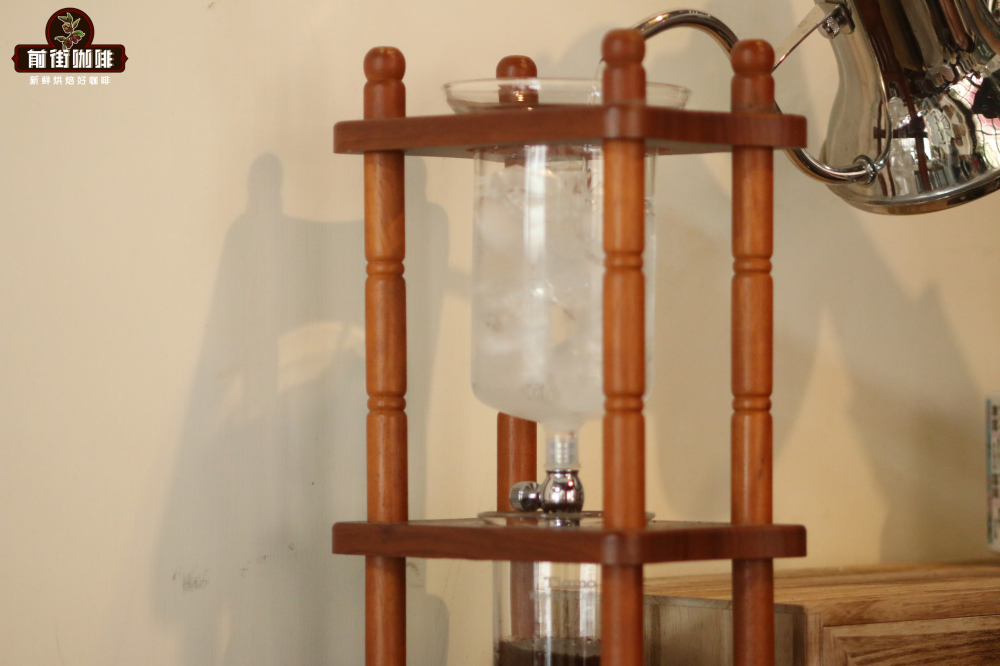
The process of making ice drip coffee is relatively complex but refined. It uses an ice-water mixture below 5°C, allowing ice to naturally melt and the water to drip slowly through a valve-controlled system, penetrating the coffee grounds layer by layer to gradually extract the flavor compounds. This process usually takes 6 to 8 hours, and it’s recommended to refrigerate the coffee liquid for another 8 to 12 hours after completion to further stabilize and integrate the flavors, resulting in a more delicate and layered taste.
The principle behind cold brew coffee is similar to that of cold-brewed tea—it involves placing coarsely ground coffee powder and cold water together in a container, and letting it steep in a low-temperature environment (usually the refrigerator) for at least 12 hours. Since it’s a steeping method, the overall operation is simpler. After steeping, you just need to filter out the coffee grounds without any additional refrigerated fermentation stage, and it’s ready to drink. This method usually yields coffee with a richer, fuller body and sweetness, suitable for those who prefer a bold taste experience.

Both low-temperature extraction methods have their own fans: ice drip coffee, because the water drips slowly through the coffee grounds, can bring out more delicate acidity and layers of aroma, resulting in a refreshing and well-layered taste; while cold brew coffee, due to its long steeping time, usually has a richer body and sweetness, with a smooth and mellow flavor. If you’re looking to get started easily and don’t want to prepare multiple tools, cold brew is the more approachable option; if you enjoy challenges and attention to detail, you might want to try using an ice drip maker and experience a more refined coffee craft.
Here are practical brewing references for both types of coffee:
Cold Brew Coffee Brewing Method: It’s recommended to use a 1:13 coffee-to-water ratio, grinding the coffee beans to a coarseness similar to fine sugar, and adding cold water at a ratio of 1 gram of coffee to 13 grams of water. Stir well to ensure the coffee grounds are evenly saturated, then place everything in a sealable glass bottle or container and refrigerate for 8 to 12 hours. Once the time is up, filter out the coffee grounds using a filter cloth, filter paper, or sieve, and you can enjoy a cup of richly flavored cold brew coffee.
Ice Drip Coffee Brewing Method: A 1:13 coffee-to-liquid ratio is also recommended here, referring to approximately 10 grams of coffee liquid extracted per 1 gram of coffee. Grind the coffee beans to a similar coarseness as for cold brew, place them in the powder chamber of the ice drip maker, gently shake to evenly distribute the grounds, then cover with a suitably sized round filter paper to ensure the ice water drips evenly and doesn’t concentrate in one spot.
In the upper chamber, mix ice and water at a 1:1 ratio (for example, half ice and half cold water). If your ice drip maker has a drip rate adjustment function, it’s recommended to set the drip rate to 7 drops per 10 seconds. This helps stabilize extraction efficiency and flavor consistency. Once you’ve collected the desired amount of coffee liquid, pour it into a clean, oil-free, and sealable container. It’s recommended to then let it sit in the refrigerator for another 8 to 12 hours. Although this step is often referred to as “fermentation,” it’s actually closer to an oxidation process, which helps the flavors integrate further, making the final coffee taste smoother and the aroma more three-dimensional.
Regarding the “refrigerator fermentation” of ice drip coffee, it’s not traditional microbial fermentation, but rather refers to the oxidation reaction of the coffee liquid in a low-temperature environment. Freshly roasted coffee beans contain about 2% carbon dioxide, which is gradually released over time. Low-temperature resting stabilizes the release rate, helping aromatic compounds and oils bind better, thereby enhancing the coffee’s performance during extraction, and resulting in a final flavor that’s smoother and richer in depth.
The above content is compiled by CoffeeHunters, a coffee news website.


