







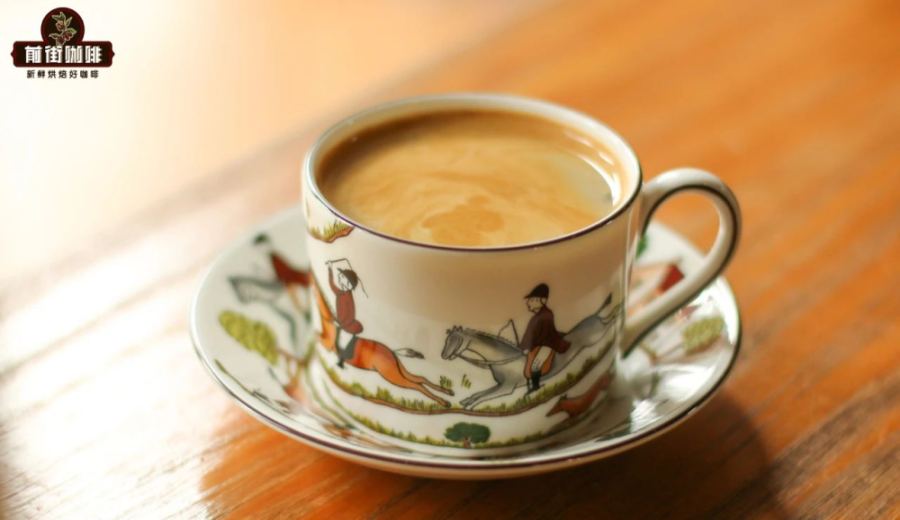
Introduction:The term "Lungo" in Italian means "long," and it refers to a variation of espresso that is extracted by increasing the flow of hot water. Many coffee enthusiasts often confuse it with Long Black or misunderstand its preparation method. This article will delve into the definition of Lungo, its key differences from traditional espresso and Long Black, and explain modern extraction techniques to help you better understand the characteristics and flavors of this coffee.
The word "Lungo" originates from Italian and literally translates to "long." It refers to using the same amount of coffee grounds as in espresso but extracting with more hot water, resulting in a coffee with a larger volume and relatively lighter flavor. Compared to standard espresso, Lungo usually has a longer brewing time and greater volume, which is why it is often misunderstood as simply "a longer espresso."

However, Lungo is not just the result of extending the extraction time. In fact, its flavor profile differs significantly from that of espresso because the increased water extracts different proportions of compounds, including more acidity and less crema, making the overall taste crisper but potentially losing some of the intensity and layered complexity unique to espresso.

One common misconception is equating Lungo with variations of Long Black. In reality, Long Black is typically made by pouring hot water into a cup first, then adding a shot of espresso, preserving the crema on top. In contrast, Lungo is directly extracted from an espresso machine by adjusting the grind and water volume to produce a longer version of espresso. Additionally, some mistakenly believe that Long Black is made using Lungo as a base, but this is incorrect—there are clear differences in both the preparation process and flavor profiles between the two.

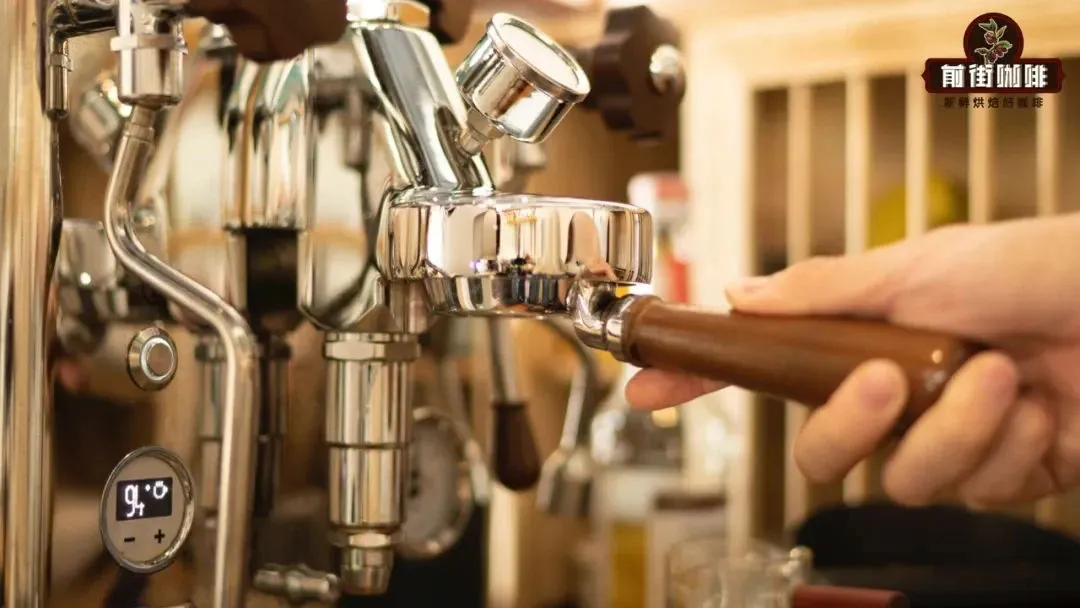
So, how should modern Lungo be correctly extracted? The key lies in controlling the extraction time, water temperature, and grind size. Generally, the extraction volume of Lungo is around 110-150 milliliters, considerably more than standard espresso (about 30 milliliters), but the extraction time is also extended to around 25-30 seconds. To avoid over-extraction, which can lead to bitterness, it is recommended to use slightly coarser coffee grounds and ensure stable water pressure and temperature to balance the release of flavors.
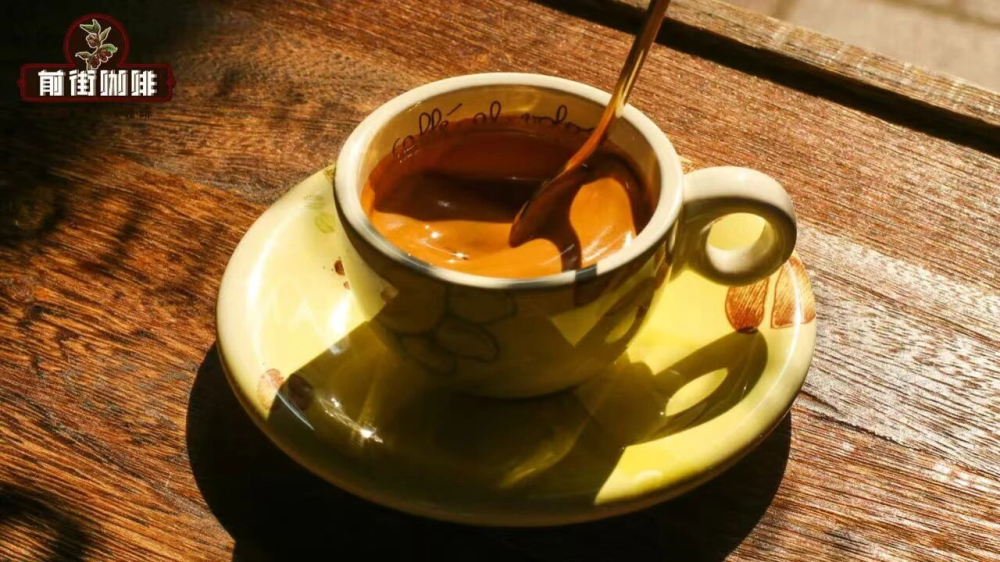
In practice, many professional baristas fine-tune parameters based on the characteristics of the coffee beans used. For example, they may choose medium-dark roasted beans to bring out richer caramel and nutty notes, or adjust the grind size to control the flow rate. Additionally, the flavor of Lungo is usually more balanced, with noticeable but not sharp acidity and moderate sweetness, making it suitable for those who enjoy espresso but prefer not to consume too much caffeine in one go.
In summary, Lungo is a beverage that combines the essence of espresso with a larger volume. Compared to espresso and Long Black, it has unique aspects in its extraction method, flavor profile, and preparation process. Understanding these differences not only helps you choose a coffee that better suits your taste preferences but also allows you to appreciate the details and charm of each beverage more deeply when tasting.
The above content is compiled by CoffeeHunters, a coffee news website.


