








Introduction:Cold brew coffee, with its low acidity, smooth taste, and mellow flavors, has become a favorite among many coffee enthusiasts in recent years. This article will delve into the science behind cold brew, helping you understand why it’s more popular than traditional hot brewing. We’ll also share practical coffee-to-water ratios, optimal extraction times, refrigeration tips, and recommend several single-origin beans that are perfect for cold brew—so you can easily make an excellent cup of cold brew at home.

Cold brew coffee has gained global popularity in recent years, especially among consumers seeking a refreshing taste. What makes this coffee, which only requires cold water and time, such a market darling? The key lies in its unique brewing method and its smooth flavor profile.

The principle of cold brew coffee involves mixing coffee grounds with cold or room-temperature water and letting it steep in a low-temperature environment for 8 to 12 hours before refrigerating the brew. This low-temperature, slow extraction process yields a very different flavor profile compared to traditional high-temperature hot brewing. High temperatures tend to break down tannins in coffee, resulting in pronounced acidity and bitterness, whereas the release of acidity is significantly reduced during cold brewing. Studies indicate that cold brew contains about 67% fewer acidic compounds than hot brew coffee, making it smoother and less irritating to drink.
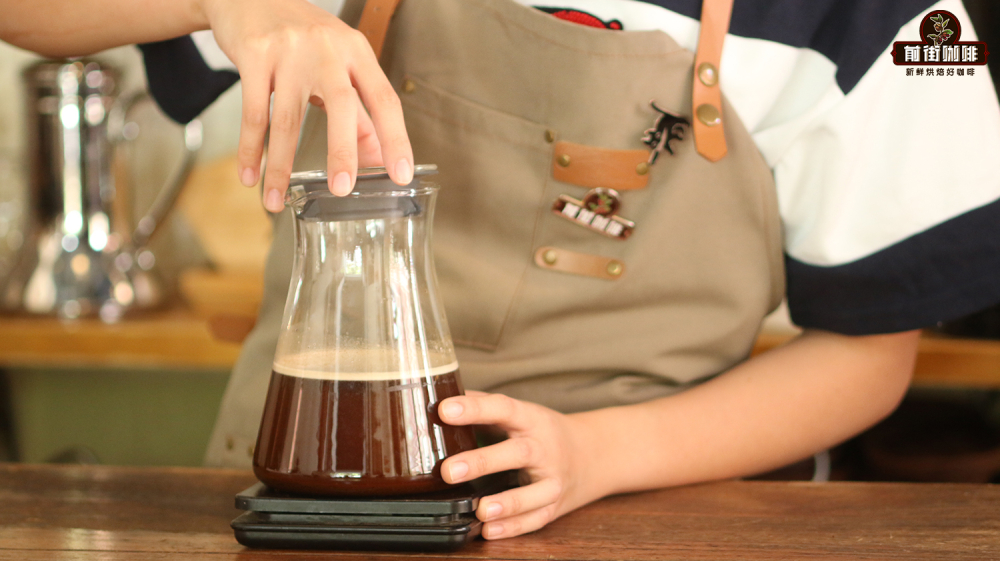
Additionally, the low-temperature environment limits the release of large-molecule flavor compounds, such as common smoky, charred, or dark roast notes. As a result, cold brew highlights small-molecule flavors like fruity and floral notes, delivering a cleaner, more layered taste. Although the aroma may not be as intense as that of hot-brewed coffee, the mouthfeel is often richer and smoother upon drinking.
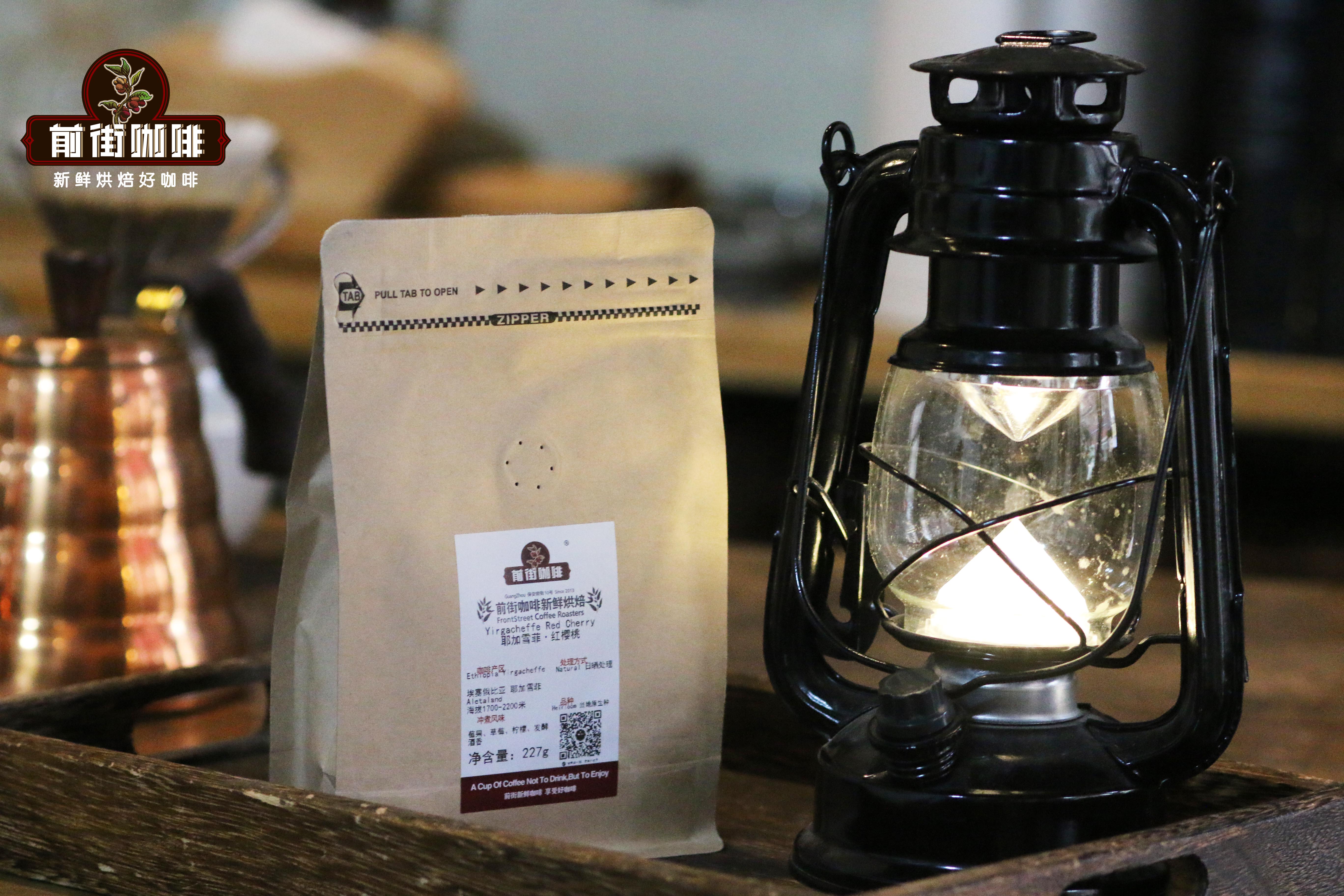
If you’d like to try making cold brew with single-origin beans, here are a few recommendations. First is the Ethiopia Yirgacheffe Red Cherry Natural, grown at an altitude of 2,300 meters using traditional sun-drying methods. Its flavor profile is bright with notes of berries, lemon, strawberry, and a natural fermented wine-like aroma—perfect for those who enjoy fruity and vibrant cups.
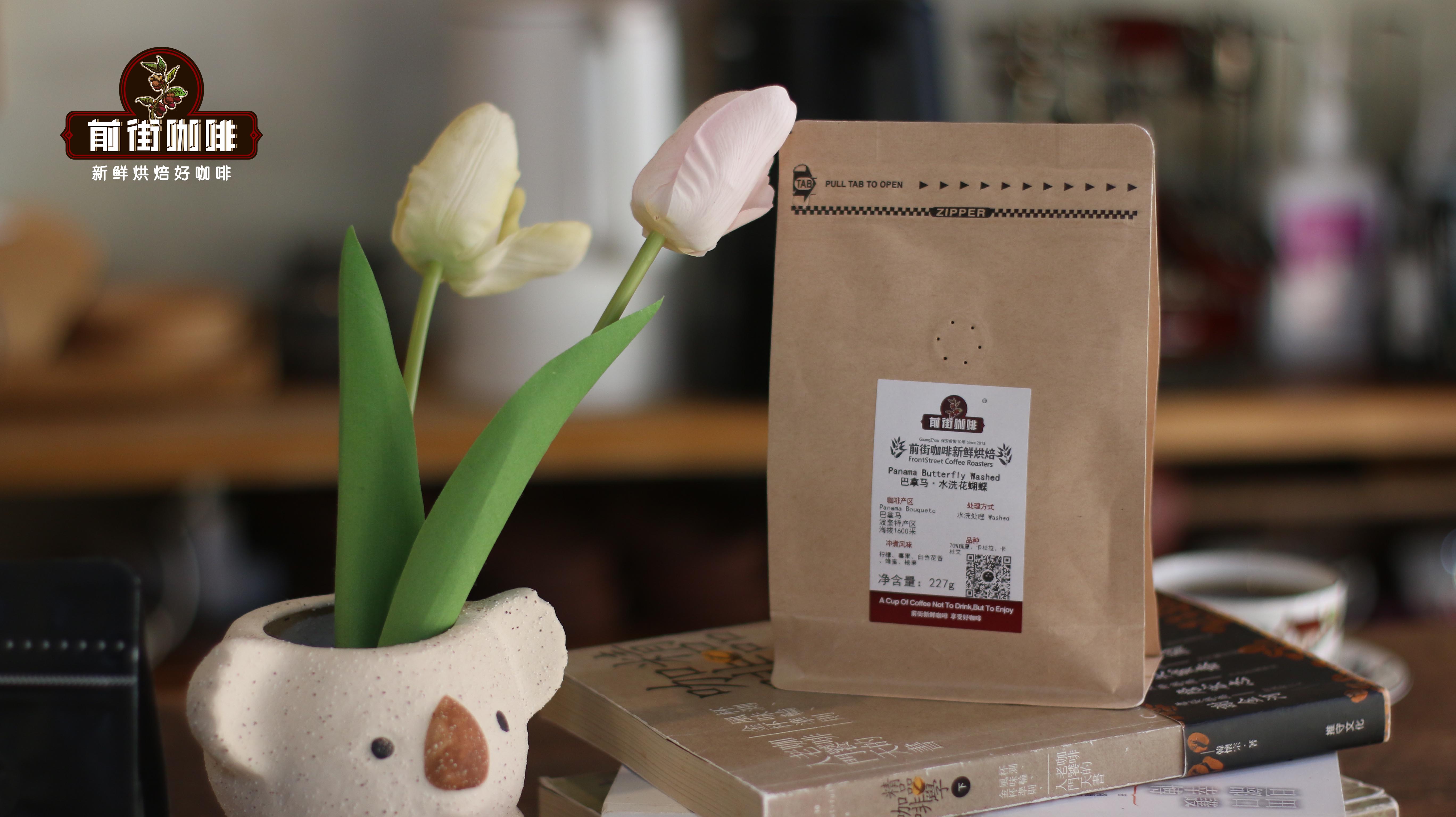
Another option is Panama Geisha (also known as Gesha), from the Boquete region, grown at around 1,600 meters. It’s a blend of 70% Geisha and 30% Caturra & Catuaí, processed via washed method. It delivers delicate floral and citrus notes, accompanied by honey-like sweetness and a light tea-like finish. The overall profile is balanced with rich layers.
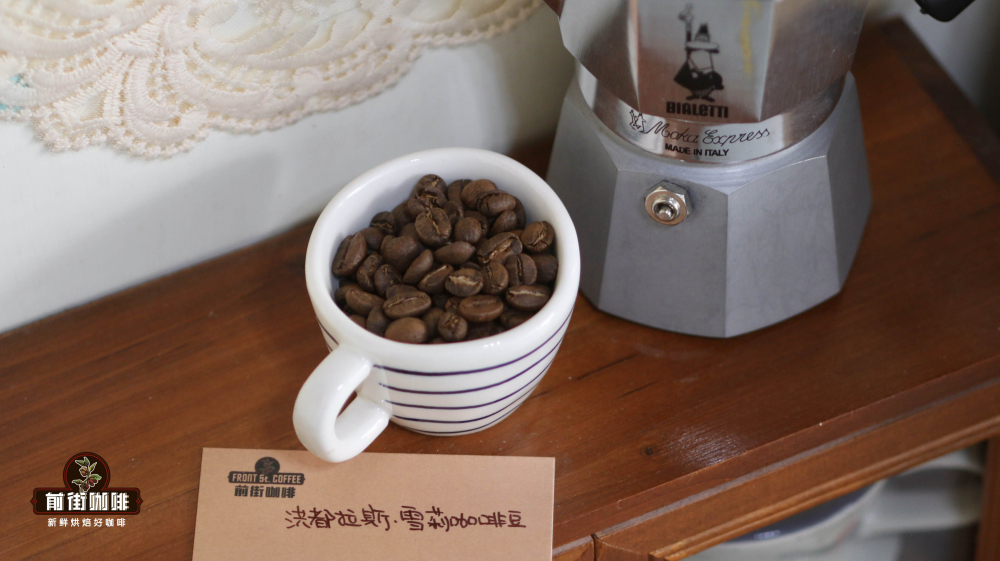
Finally, we recommend a specialty-processed coffee—the Honduras Sherry Coffee Beans from Finca Musaca Macca, grown at altitudes between 1,500 to 1,700 meters. These beans use Caturra, Catuaí, and Pacas varieties and undergo whiskey barrel fermentation. The standout features of these beans include prominent vanilla cream, almond, dark chocolate, and caramel tones, along with a subtle whiskey aroma—ideal for cold brew lovers who prefer bold, rich flavors.
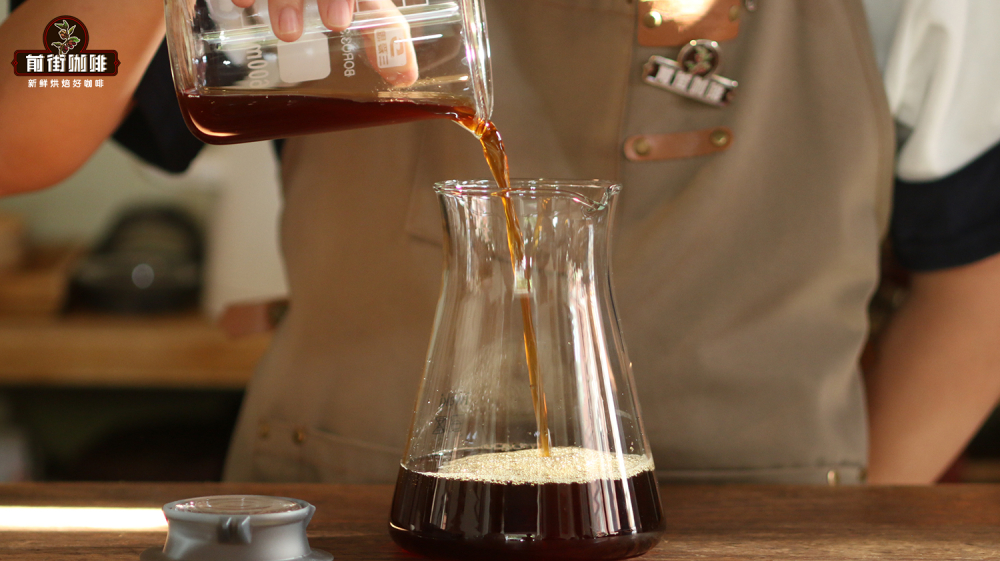
When making cold brew coffee, it’s recommended to use freshly roasted beans and grind them just before brewing to preserve the best aroma and flavor. Grind the beans to a consistency between medium-fine and white sugar. Generally, a coffee-to-water ratio between 1:10 and 1:13 is suggested, and you can fine-tune based on your personal taste preference. Combine the ground coffee with cold water in a sealed glass bottle or a dedicated cold brew maker, then refrigerate for 8 to 12 hours.
After extraction, filter the coffee grounds using paper filters or cloth filters to obtain clear cold brew coffee. It’s recommended to store the filtered coffee in a sealed container in the refrigerator. The optimal flavor period is within 72 hours after brewing, and it’s best not to keep it for more than 5 days to ensure the flavor remains fresh and doesn’t develop off-notes.
Compared to other brewing methods, cold brew coffee is relatively simple to make, requiring no expensive equipment or complicated parameter adjustments—just a cold brew maker or a regular sealed container and a refrigerator. Due to its low-temperature extraction nature, it demands less brewing skill, making it easy even for beginners. Moreover, depending on the type of coffee beans used, it can present a wide variety of flavor profiles, making it a true lazy person's delight for home coffee brewing.

The above content is compiled by CoffeeHunters, a coffee news website.


