







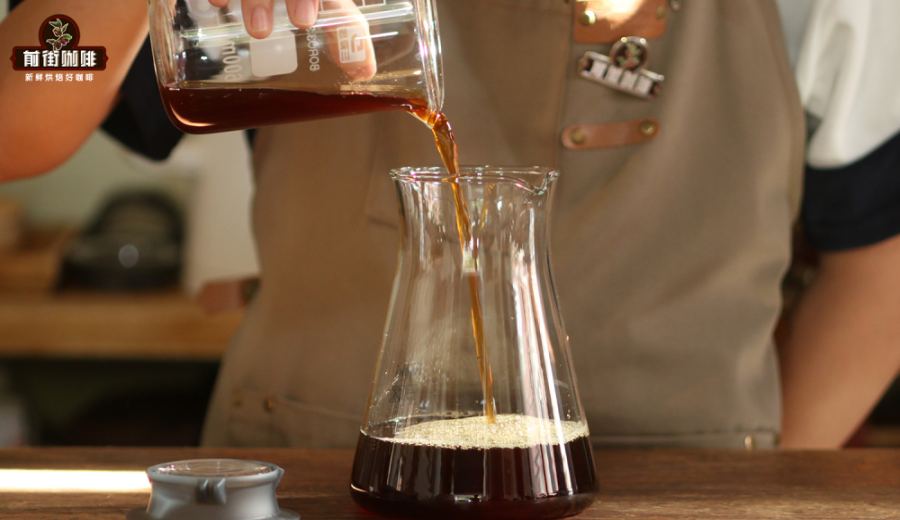
Introduction:Want to learn the secrets of making cold brew coffee and understand its flavor characteristics? This article provides an in-depth analysis of the key differences between room-temperature and cold-water immersion, covering brewing times from 8 to 24 hours, coffee bean selection tips, the right coffee-to-water ratio, and proper storage methods. It serves as a beginner’s guide to mastering professional-level cold brew and teaches you how to describe its uniquely rich and smooth taste.
During the hot summer months, cold brew coffee has become the go-to choice for many coffee enthusiasts. This pure black coffee, made through long-term immersion, requires no complicated equipment yet delivers a bold and layered flavor, making it a must-have beverage for office workers and coffee aficionados at home. But how exactly is cold brew coffee made? What’s the difference between room-temperature and cold-water immersion? Let’s uncover the mystery together.
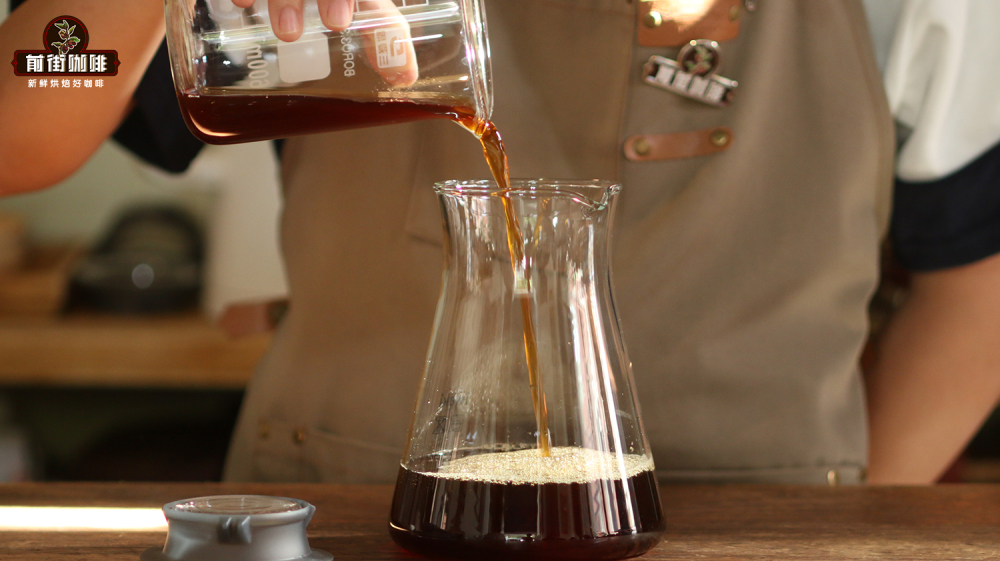
Cold brew coffee refers to coffee liquid made by directly steeping coffee grounds in cold or ice water under room-temperature or cold conditions. Because the extraction temperature is relatively low, the release of flavor compounds from the coffee is slower, so the entire process usually takes anywhere from 8 to 24 hours, depending on room or refrigerator temperature. Compared to traditional hot brewing methods, cold brew doesn’t require advanced skills—just simple equipment—and can produce coffee with distinct flavors and a smooth mouthfeel. It's especially suitable for preparing in advance and enjoying the next day.
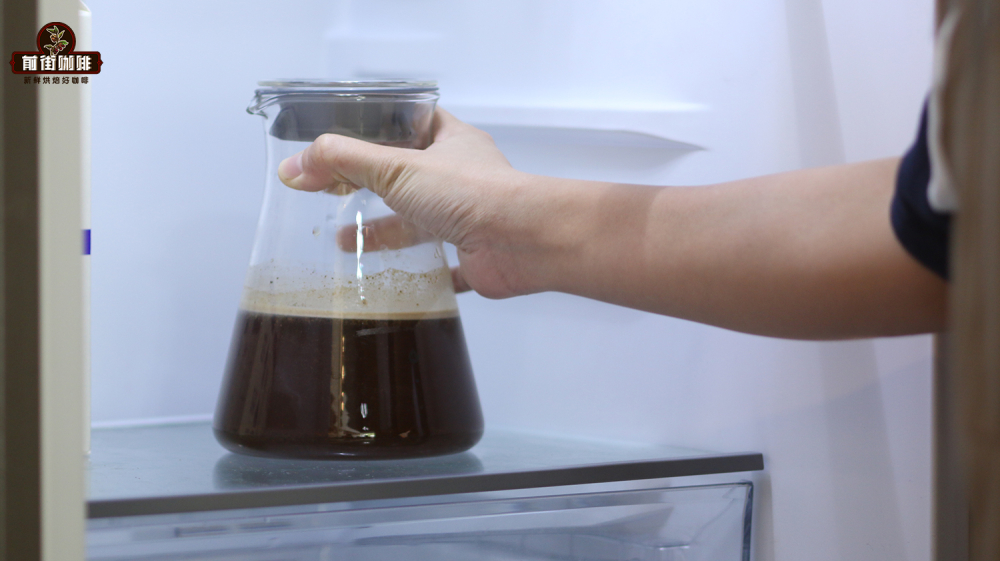
Cold brew coffee made via room-temperature immersion and cold-water immersion each have their own unique strengths in terms of flavor and preparation method.For room-temperature immersion, it is recommended not to exceed 8 hours of brewing time,as over-extraction or off-flavors may occur. While this method can quickly bring out a bold flavor, poor temperature control may result in undesirable woody or cardboard-like notes. On the other hand,cold-water immersion (such as in a refrigerator at 4–8°C) is recommended for 12 to 24 hours,which, although requiring a longer wait, effectively suppresses the development of off-flavors while preserving the coffee’s sweetness and complexity. It’s worth noting that both methods have their pros and cons, and the choice can be adjusted based on your schedule and flavor preferences.
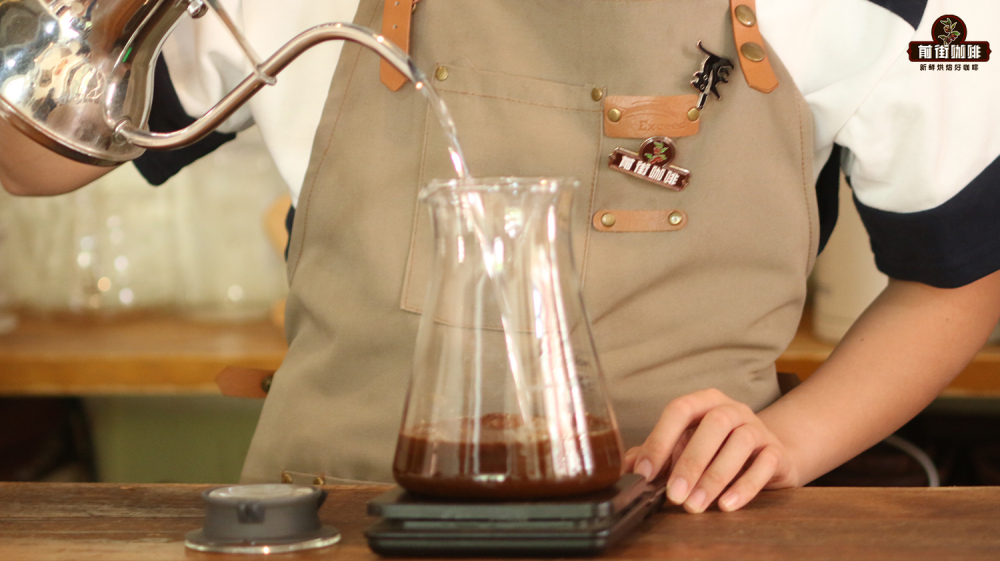
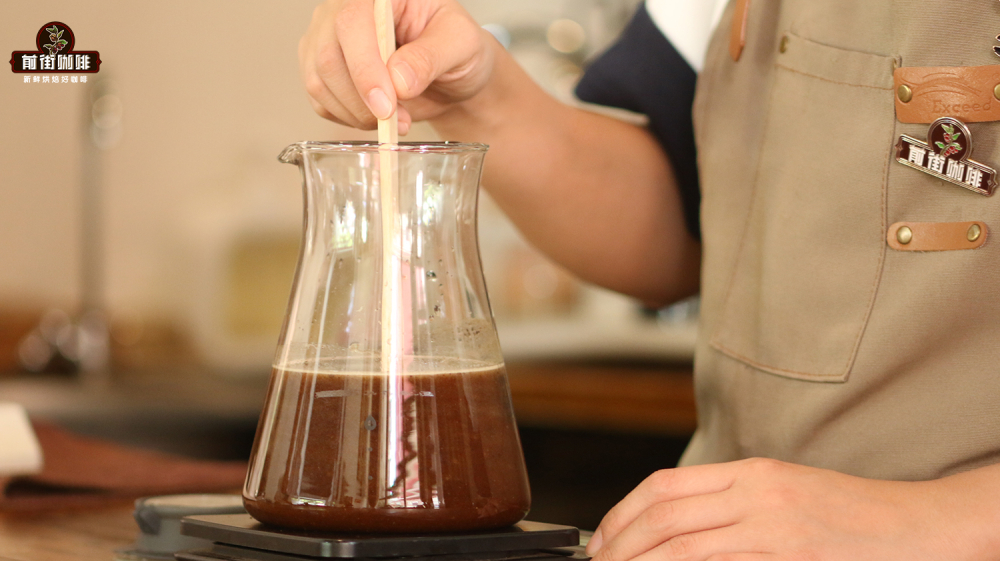
Not all coffee beans are suitable for making cold brew. The final cold brew liquid is generally not as clear as that from cold drip and often has a thin layer of fine oils on the surface. Its flavor tends to be bold and well-balanced. It’s recommended to choose beans with prominent sweet and acidic notes and rich aromas—for example, Ethiopian Yirgacheffe with distinct fruitiness when sun-dried, full-bodied Kenyan beans, or specialty beans with caramel-like sweetness. These beans can exhibit softer, more refined acidity and sweetness under cold extraction, avoiding overly sharp or harsh flavors.

For those who prefer fruity acidity, select specialty beans with noticeable berry or floral characteristics, as these can present a delicate balance of acidity and sweetness under cold extraction. If you prefer a rounder overall mouthfeel with a mix of bitterness and sweetness, it’s advisable to choose a balanced blend with even distribution of acidity, sweetness, bitterness, and body. Regardless of the type you choose,it is recommended to use medium-light to medium-roasted coffee beans,to fully showcase the layered complexity and aroma unique to cold brew.
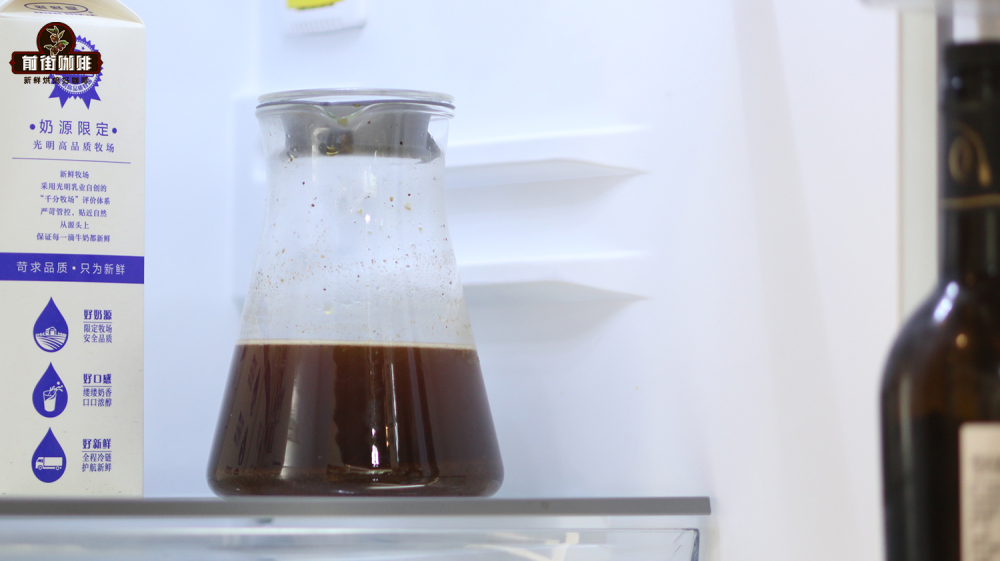
When making cold brew coffee, it is recommended to use a cold environment (like a refrigerator) for the immersion process, especially during hot summer months when room-temperature brewing makes it hard to control the extraction time, which could negatively impact the final flavor. The recommended standard recipe isa 1:10 coffee-to-water ratio,with coffee grounds ground to roughly the same fineness as passing 75% through a Chinese standard No. 20 sieve (about the size of coarse sugar granules), using a mixture of ice water for soaking. In practice, you can combine 50 grams of coffee grounds with 400 milliliters of room-temperature water and 100 grams of ice cubes, stir well, seal, and let it sit in the refrigerator’s chilled compartment for 8 to 12 hours. Be mindful not to exceed 16 hours of immersion to avoid over-extraction, which can lead to unpleasant or spoiled flavors.
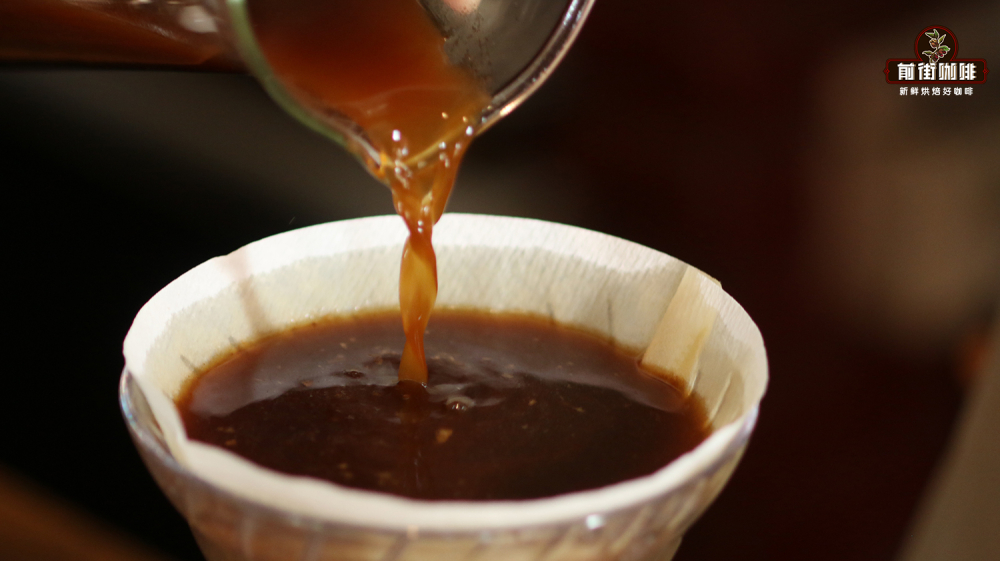
After the immersion is complete, it is recommended to let the cold brew coffee liquid sit in the refrigerator for another 2 to 3 hours to allow further maturation, resulting in a smoother and more balanced flavor. For filtration, you can use a filter cloth, paper filter, or a dedicated cold brew pitcher to separate the coffee grounds, yielding a clear and rich cold brew. Additionally, the filtered cold brew can be stored in a sealed container in the refrigerator for about 5 days. Although its flavor may become richer over time, to maintain optimal quality and hygiene, it’s best to consume it sooner rather than later to avoid flavor degradation or bacterial growth from prolonged storage.
The above content is compiled by CoffeeHunters, a coffee news website.


