








Introduction:Both cold drip and cold brew are representative methods of low-temperature coffee extraction, but they differ significantly in principle, grind size, and flavor profile. This article provides an in-depth comparison of using the same coffee beans for cold drip and cold brew, analyzing key parameters such as grind coarseness, coffee-to-water ratio, and extraction time. It also explores the subtle differences in flavor layers and mouthfeel between the two brewing methods, helping you find the ice coffee preparation that suits you best.
Among the many low-temperature coffee brewing methods, cold drip and cold brew are truly classic. Compared to common iced americano or iced pour over, these two methods use low-temperature or icy water throughout the extraction process. Though time-consuming, they preserve more delicate and pleasant flavors while reducing bitterness. If you want to try these two brewing methods at home, understanding their principles and details is the first step to success.
Low-temperature extraction refers to using cold water, ice water, or a low-temperature environment to slowly release the flavor compounds in coffee. Hot water tends to accelerate the release of heavier, more bitter molecular compounds in coffee, whereas in a low-temperature environment, the release of bitterness is slower, and other positive flavors also take longer to fully dissolve. Therefore, it usually takes 6 to 12 hours or more of extraction time to achieve a rich and balanced taste.

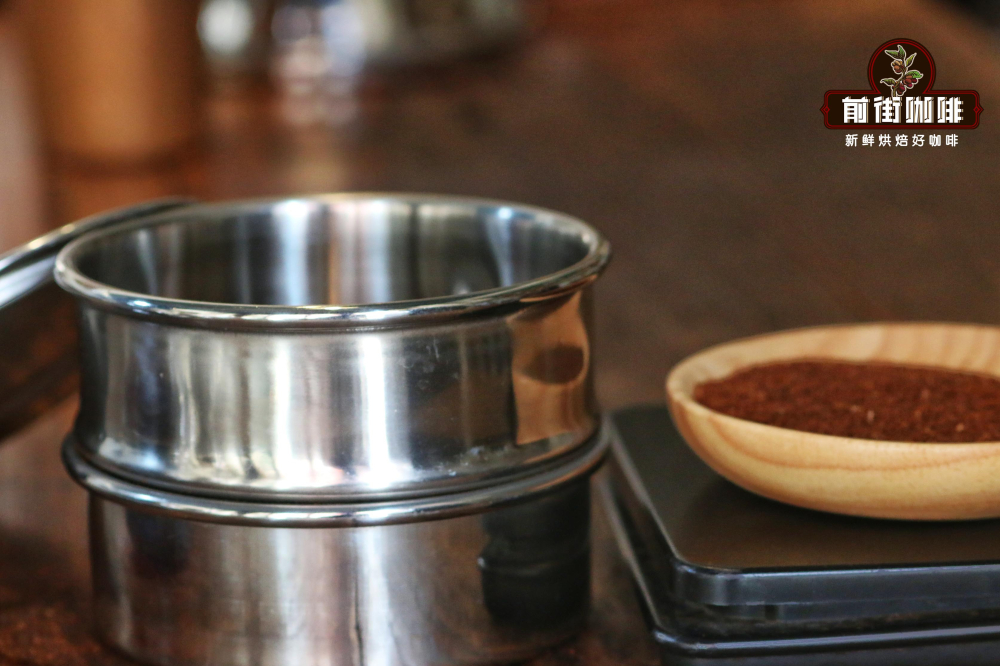
In terms of grind selection, whether for cold drip or cold brew, it is recommended to use medium-light to medium roasted coffee beans and grind them to a medium-coarse consistency, similar to the texture of white sugar, or with a reference of about 75% sieving rate through a Chinese No. 20 standard sieve. If the grind is too fine, the water flow in cold drip will not evenly penetrate the coffee bed, and in cold brew, the coffee grounds are prone to clumping, both of which can affect extraction uniformity and lead to imbalanced flavors.
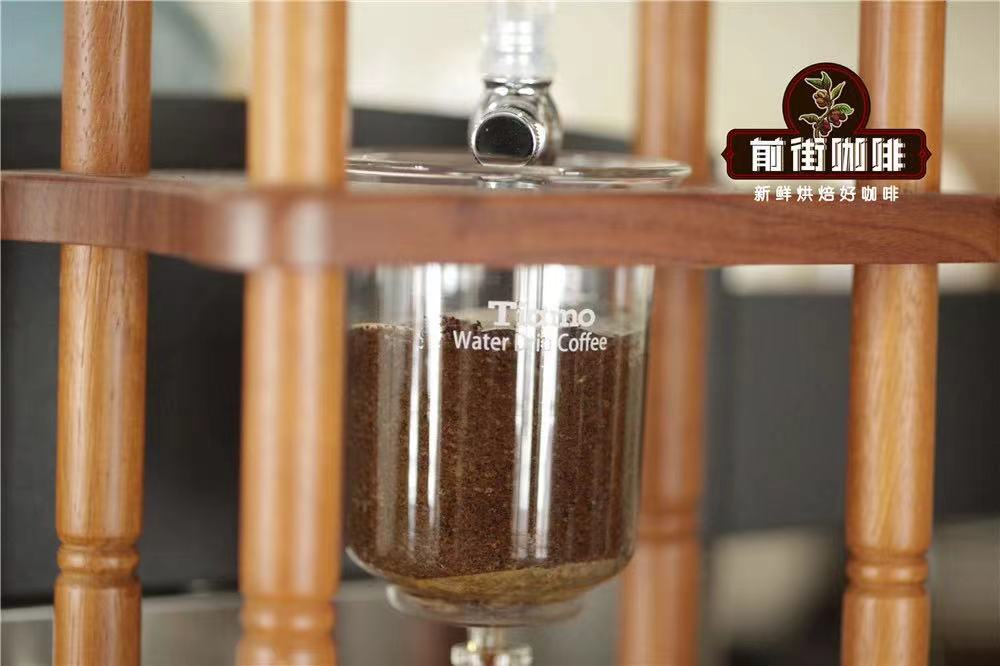
Cold drip coffee is a type of drip filtration extraction. Its characteristic is the use of an ice water mixture below 5°C, where ice melts naturally, and a valve controls the slow dripping of the ice water onto the coffee bed. This process takes approximately 2 to 8 hours, with the coffee flavors gradually released as the ice water drips drop by drop. To further enhance flavor complexity, many enthusiasts let the extracted liquid sit refrigerated for an additional 12 to 48 hours for fermentation. A common coffee-to-water ratio is 1:10, meaning 60 grams of coffee grounds yield 600 milliliters of coffee liquid. Without added ice, the flavor is intense, and the proportion of ice can be adjusted according to personal taste.
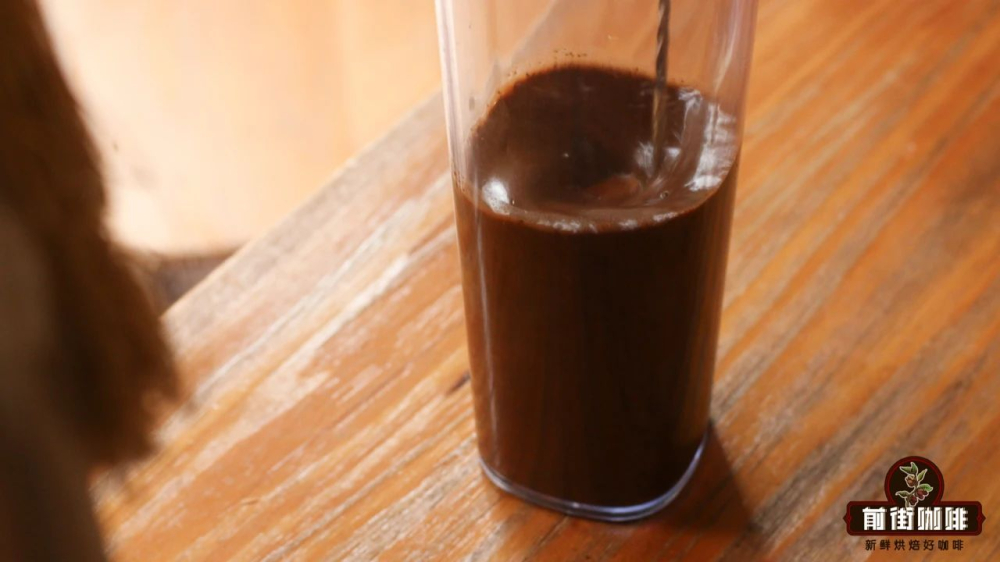
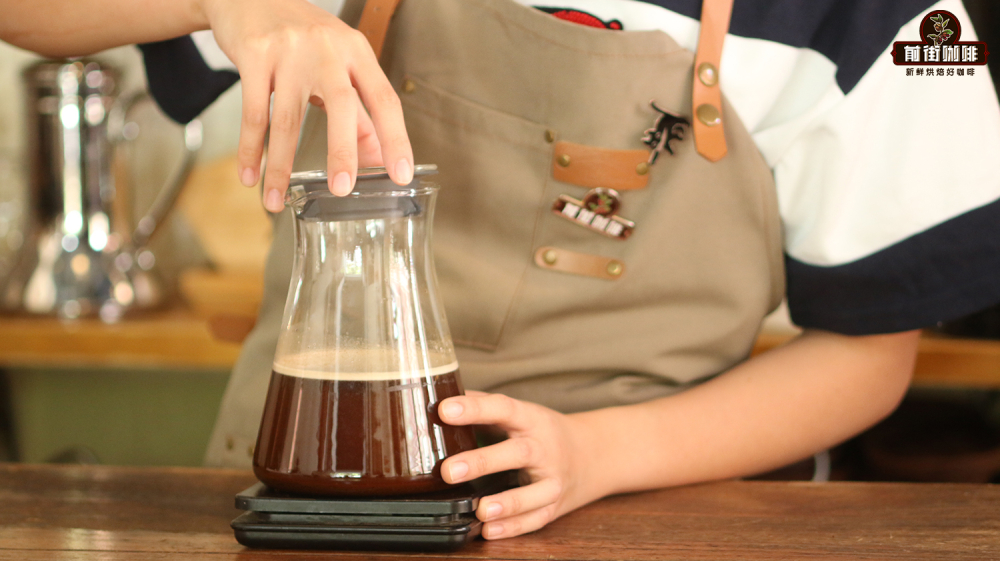
Cold brew coffee is a type of immersion extraction, and the method is relatively simple: mix room temperature or ice water directly with coffee grounds, seal, and refrigerate. The extraction time is about 8 to 12 hours. Since the grounds and water are in direct contact, the overall extraction is more thorough, and it can be consumed directly after filtration. A recommended coffee-to-water ratio is 1:10 to 1:12, such as 30 grams of coffee grounds with 300 grams of water. This concentration is relatively bold for most people, and you can adjust by adding 2 to 4 ice cubes in the cup. If you prefer a lighter taste, you can adjust the ratio to 1:12 or 1:13. Under the same grind and time conditions, the flavor will be lighter and more refreshing, suitable for everyday enjoyment.
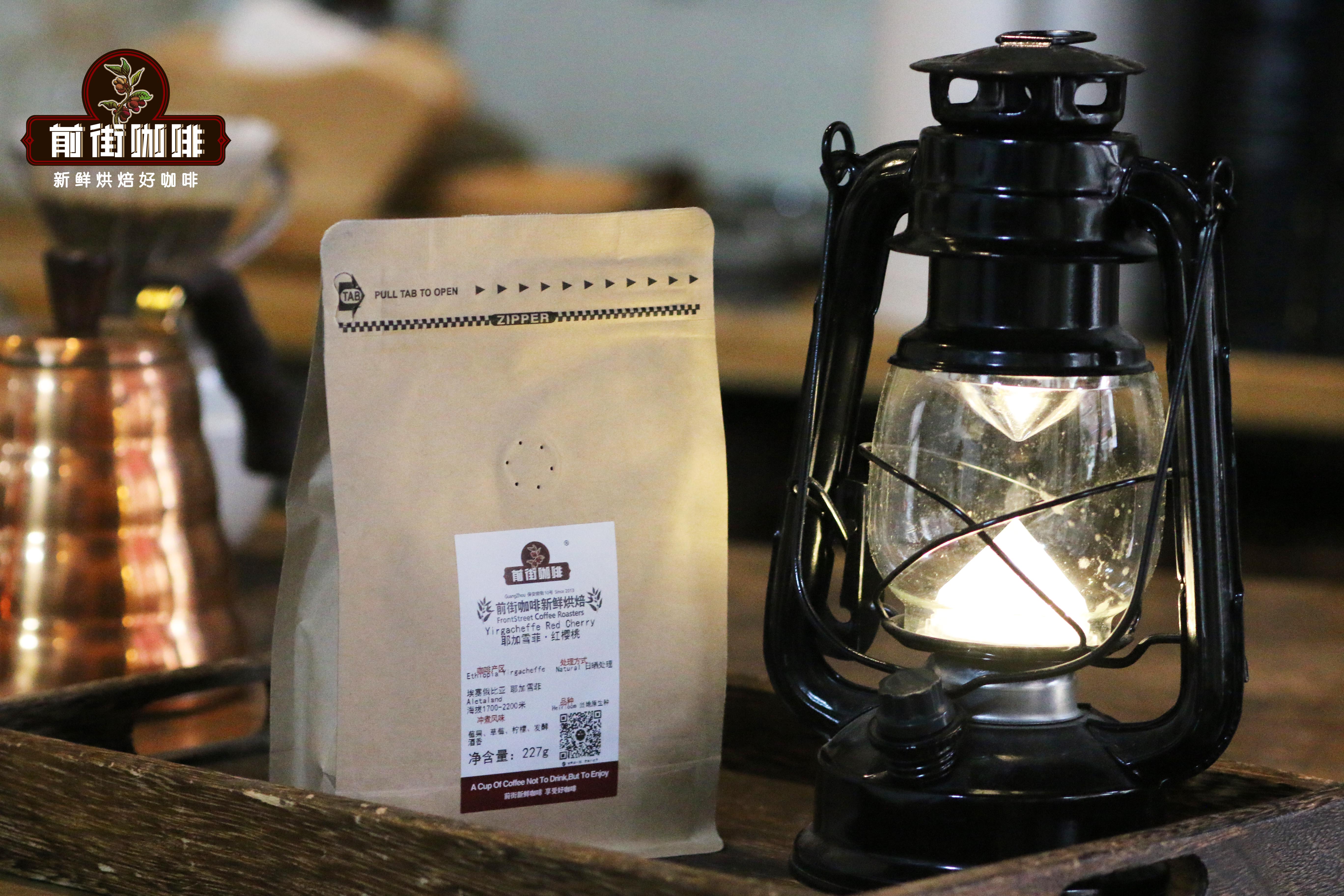
It is worth noting that even when using the same coffee beans, the final flavors and mouthfeel of cold drip and cold brew can vary significantly. This analysis uses a medium-light roasted "Ethiopia Yirgacheffe Natural Red Cherry Coffee Bean." These beans are made from fully ripe coffee cherries, and the natural processing imparts rich sugars and a slight fermentation note, highlighting a prominent sweetness.
When brewed via cold drip, the flavor profile leans toward citrus acidity, with a sweet-and-sour strawberry-like note and the tea-like undertones of black tea. The mouthfeel is refreshing and layered, and as time progresses, the fermented sensation reminiscent of fruit wine becomes increasingly pronounced, with a long-lasting aftertaste. In contrast, the cold brew version presents a richer citrus acidity, blending berry-juice-like sweetness and acidity with a full body and black tea aftertaste. The overall flavor is round, thick, and clean, with a bold mouthfeel, making it suitable for those who enjoy a fuller-bodied drink.

In summary, cold drip and cold brew not only differ in brewing methods and time, but also in the final flavor profiles they present. If you are pursuing delicate fermentation notes and a refreshing sweet-and-sour taste, cold drip is a great choice. If you prefer a bold, full-bodied, and easy-to-make iced coffee, cold brew is more approachable. By mastering key parameters such as grind size, coffee-to-water ratio, and extraction time, you too can easily make high-quality cold drip or cold brew coffee at home.

The above content is compiled by CoffeeHunters, a coffee news website.


