







Introduction:Want to uncover the secrets of Brazil’s pulped natural processing method? This technique, which combines the essence of both natural and washed processes, not only conserves water but also imparts a rich and balanced flavor profile to the coffee. This article delves into its origins, operational steps, explores its deep connection with Costa Rica’s honey process, and includes actual flavor profiles to help you better appreciate the charm of this classic processing method.
Among the many coffee processing methods, washed and natural are relatively straightforward, yet “pulped natural” (also known as semi-washed) often puzzles many coffee enthusiasts. This method actually has a more formal name — Pulped Natural, or “pulp sun-drying.” It originated in Brazil in 1990, ingeniously blending elements of both washed and natural techniques. It removes the outer skin and most of the fruit pulp but retains part of the mucilage layer, then dries the beans in the sun. This approach not only saves water but also effectively shortens drying time and reduces contamination risks during fermentation.
Many people are confused by the terms “pulped natural” and “semi-washed.” In fact, these refer to the same processing method, just with slightly different names in different regions. It combines elements of both natural and washed processing, but unlike typical washed coffee, its mucilage layer is not completely removed, allowing the final coffee beans to retain more sweetness and body. The birth of this processing method stems from innovative breakthroughs in Brazil’s coffee industry in response to environmental constraints and cost pressures.
Looking back at history, Brazil long relied on the traditional natural processing method, where whole coffee cherries were spread out directly on patios to dry naturally. Although this method was low-cost, the lack of effective sorting and control often led to contamination, and the beans were prone to developing off-flavors due to moisture or mold growth, sometimes even exhibiting noticeable spoilage tastes. On the other hand, the washed method ensures coffee cleanliness and high acidity, but it requires a large amount of water — typically 10 to 20 tons of water for every ton of coffee cherries processed — which is impractical for water-scarce Brazil.
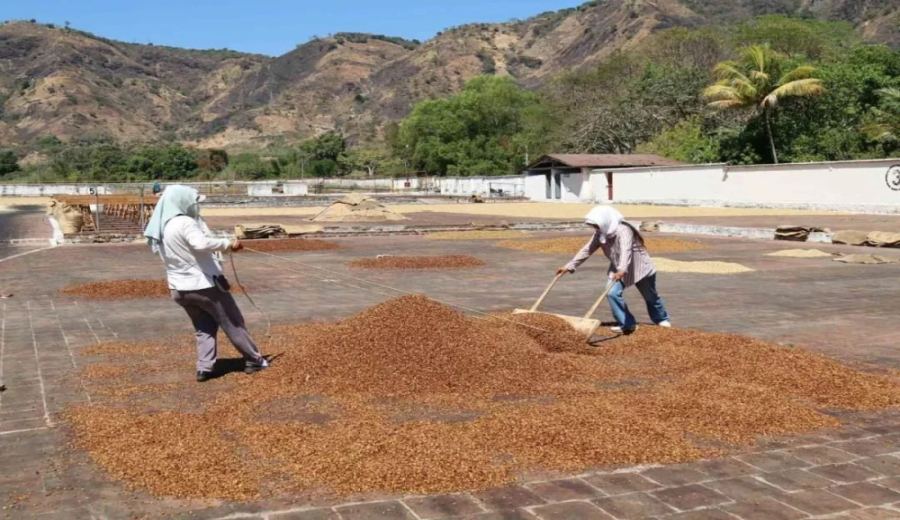
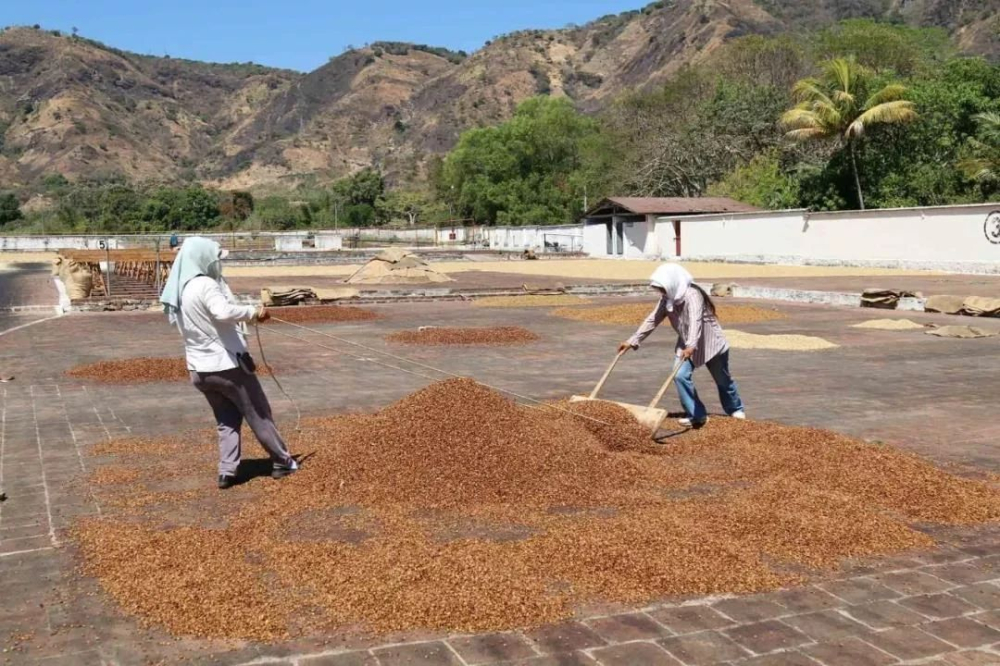
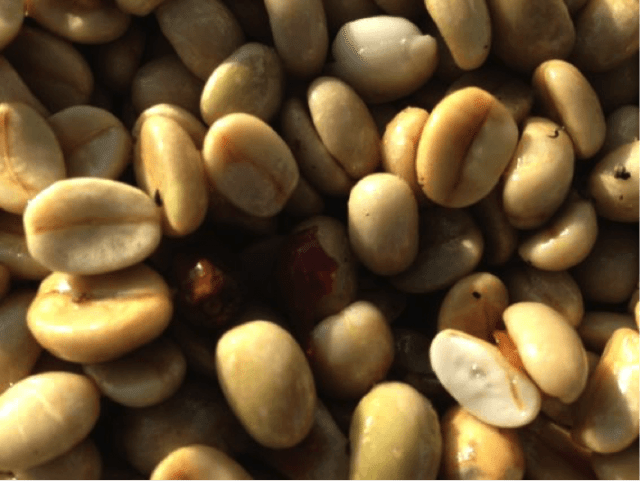
It wasn’t until 1990 that Brazilian coffee farmers and technicians, after numerous trials, finally developed an improved method — the pulp sun-drying process. This technique first involves placing the coffee cherries in a water tank to remove unripe and defective beans using buoyancy. Next, a pulper is used to remove the outer skin and most of the fruit pulp, followed by brief washing. However, due to the short soaking time, the mucilage layer is not easily washed away entirely, leaving some still attached to the bean surface. These mucilage-covered parchment beans are then transferred to drying patios, where it’s recommended to use well-ventilated African raised beds to ensure even drying and reduce mold risk.
At first glance, this process may seem similar to washed processing, but the key difference lies in its significantly shorter soaking and fermentation times, allowing the mucilage layer to be retained and thus influencing the final flavor profile. With the removal of excess pulp, drying time is drastically reduced, lowering the chance of microbial contamination during fermentation and making the overall process more efficient. This innovative technique successfully addressed the quality issues associated with Brazil’s previous crude natural processing methods and introduced new ideas to global coffee processing technologies.
So, how does coffee processed with the pulped natural method taste? Take, for example, the Red Bourbon variety grown in Brazil’s Cerrado Mineiro region at an altitude of about 1,000 meters. After medium roasting, its flavor profile is distinctly recognizable. Common descriptors include caramel, peanut, cream, chocolate, and almond. Overall, it exhibits notable sweetness, a clean and smooth mouthfeel, and relatively mild acidity without strong astringency. During cupping, one often senses stable sweetness and nutty tones, with a balanced and approachable flavor profile — suitable for everyday drinking, though it may not deliver a particularly intense sensory impact.
It’s worth noting that although pulped natural processing was once widely used in Brazil, its proportion has gradually declined with the rise of other methods such as honey processing. However, many in the coffee industry may not realize that today’s popular honey process was actually inspired by Brazil’s pulped natural technique. The biggest difference between honey processing and pulped natural lies in the former’s complete avoidance of water during processing, demanding higher initial quality of the coffee cherries and particularly emphasizing the full retention of the mucilage layer.
The so-called mucilage is primarily located beneath the coffee cherry’s skin and pulp, and above the parchment layer. It consists of water, proteins, reducing sugars, pectin, and various other components. As the coffee cherry ripens, internal pectin enzymes break down the fibrous structure, transforming the originally hard pulp into a gel-like substance rich in sugar and stickiness. During processing, after the outer skin and most of the pulp are removed, the sticky residue left on the outer parchment layer becomes the core element influencing the flavor of honey-processed coffee.
In honey processing, the amount of mucilage retained and the subsequent fermentation conditions directly determine the final flavor profile of the coffee. Farmers can manage the degradation rate of the mucilage and the degree of fermentation by adjusting the frequency of daily stirring, controlling the drying environment, or using specialized mucilage removal equipment, thereby shaping the green beans into various flavor profiles ranging from light honey to dark honey. This highly nature-dependent fermentation process, relying on natural sugars, can impart rich fruity notes and a full-bodied mouthfeel — one of the reasons why honey processing stands out in the specialty coffee market.
The above content is compiled by CoffeeHunters, a coffee news website.


