







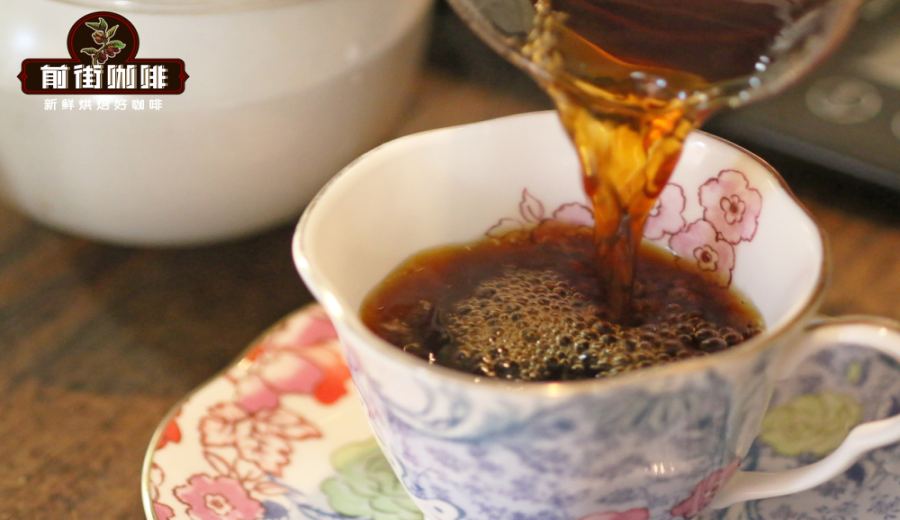
Introduction:Pour-over coffee is beloved by coffee enthusiasts for its clean and bright flavor profile. This article systematically introduces the design differences and applicable scenarios of three major types of pour-over filters, details essential equipment selection tips for beginners, provides precise recommendations on coffee-to-water ratio, water temperature, and grind size, and includes a classic pour-over brewing procedure. Whether you're a beginner or a coffee enthusiast looking to refine your brewing skills, you can master professional-level pour-over techniques from this guide.
Thanks to its pure and transparent flavor expression, pour-over coffee has become a brewing method highly regarded by specialty coffee lovers. This method, which involves hot water passing through ground coffee and using filter paper to separate the extracted liquid, not only showcases the regional characteristics of the coffee itself but also presents rich layers of flavor through parameter adjustments.
Among the many factors that influence pour-over quality, filter design plays a critical role.Conical filters(such as V60, Kono) feature a 60-degree angle and spiral ridges that create a cone-shaped coffee bed—wider at the top and narrower at the bottom—directing the water flow downward for extraction. This design results in bright acidity and clear floral-fruity notes, making it particularly suitable for light-roast beans.Fan-shaped filters(such as Melitta, Kalita) use a layered hole design that slows down the water flow. Coupled with a wide coffee bed, this achieves even extraction and produces a rich, full-bodied taste that complements medium-roast coffee.Flat-bottom filters(such as Kalita Wave) have a flat filtration base that ensures a stable flow rate, resulting in a balanced and smooth flavor curve, with higher tolerance for variations in grind size.
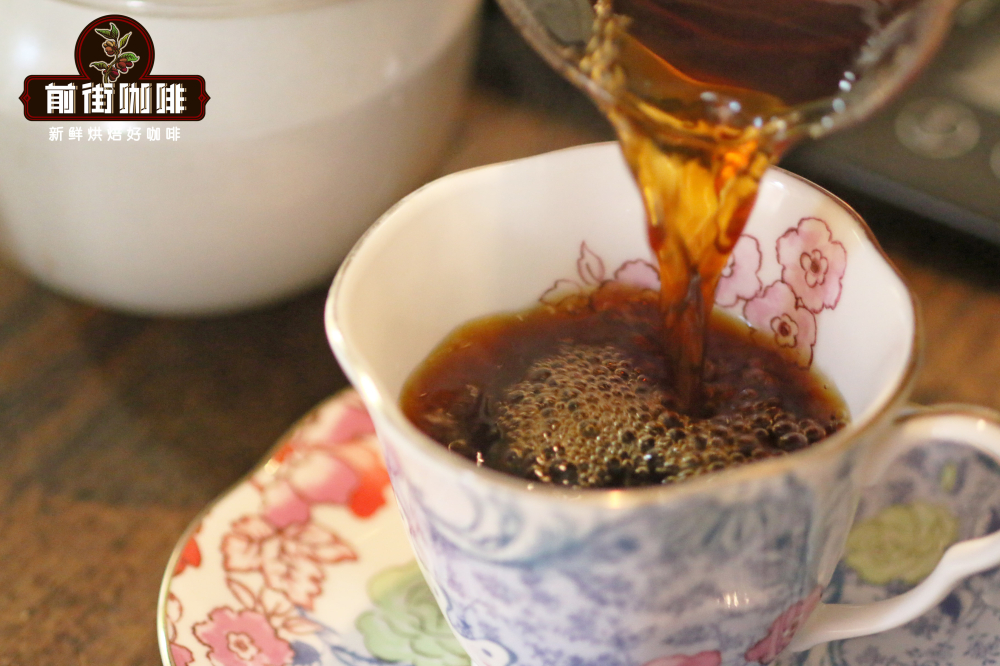
A complete pour-over system requires the coordination of multiple tools. Freshly roasted coffee beans form the flavor foundation—choose beans roasted within 30 days, and store them away from light in an airtight container.For grinders, conical burr grinders are preferredbecause their irregularly shaped grounds prolong the contact time between water and coffee, reducing the risk of over-extraction. For beginners, ahand grinder priced between 500–2000 yuanwill suffice. For pouring, a gooseneck kettle with a narrow spout is recommended, with a diameter of 8–10mm to facilitate stable control of the water flow path.
The choice of filter paper should match the filter type.White bleached filter paper is enzyme-treated to remove pulp odorand is less likely to affect the intrinsic flavor of the coffee compared to unbleached paper. An electronic scale with a timer function is advised for accurately recording brew time. A special note:The spiral ridges inside a V60 filter can extend the water flow path by up to 30%,which is an important physical feature that gives it a more layered flavor than ordinary filters.
The standard brewing recipe uses a 1:15 coffee-to-water ratio (15g coffee to 225ml water), with water added in three stages to control the rhythm:First stage: pour 30g of water for a 30-second bloomto activate the coffee grounds and release CO₂; second stage: pour until reaching 125g, then pause and wait for the liquid level to drop by half; final stage: pour up to 225g to complete the extraction. For light-roast beans, use a medium-fine grind (with a 75–80% extraction rate through a Chinese standard No. 20 sieve), and set the water temperature between 90–91°C; for dark-roast beans, use a medium-coarse grind (65–70% extraction rate) and reduce the water temperature to 88–89°C to ensure a full-bodied taste.
The material of the filter also affects the experience—ceramic offers good heat retention but is heavier, glass allows for easy observation of the coffee bed, and resin is lightweight and durable. Advanced users can experiment with different pouring techniques, such as center-pouring or circular stirring, to further explore various flavor dimensions. Remember to keep a record of each brew’s parameters, as this is a key method for improving the consistency of your pour-over technique.
The above content is compiled by CoffeeHunters, a coffee news website.


