







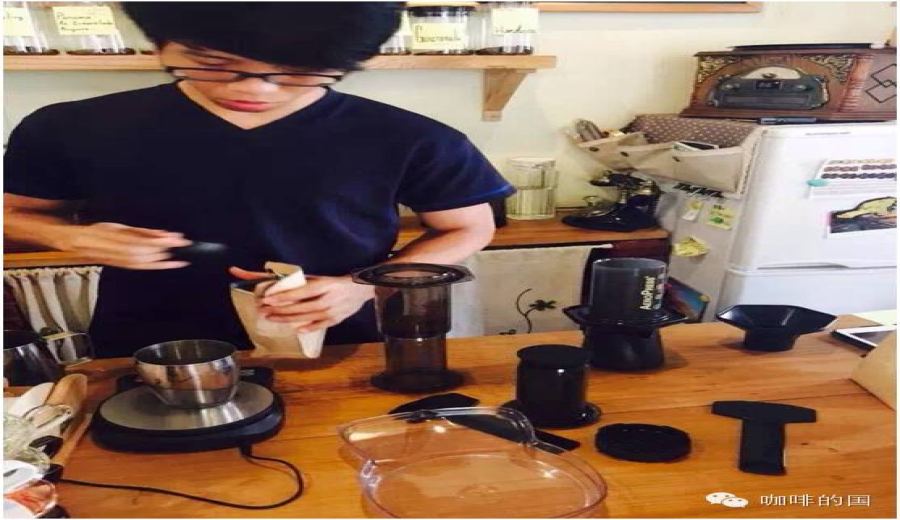
Introduction:The AeroPress is a coffee brewing device that combines ease of use with versatile adjustability, making it suitable for both beginners and advanced enthusiasts. Through a simple process of immersion and pressure, it not only extracts clean and bright coffee but also allows you to fine-tune flavors according to personal preference. This article will provide a detailed walkthrough of the complete AeroPress operation, including equipment preparation, grind size, pouring technique, pressing method, and steeping time. It will also explain how to explore your ideal coffee flavor profile by adjusting parameters such as coffee-to-water ratio, the number of filter papers, and the speed of pressing.
Thanks to its intuitive operation, clear brew output, and high playability, the AeroPress has become one of the everyday brewing tools for many coffee lovers. This device combines immersion and pressure brewing methods—by pouring hot water to fully bloom the coffee grounds, then using the plunger to press the coffee through the filter paper, filtering out insoluble fine particles, resulting in a clean-tasting and low-off-flavor cup. The following section will fully break down the steps of using the AeroPress, from equipment assembly, coffee grinding, pouring technique, stirring method, to pressing and drinking suggestions, explaining each in detail. It also covers common operational mistakes and practical tips to help you better master this versatile tool.
First, prepare the necessary equipment, including the AeroPress itself, a grinder, a coffee cup, and a pour over kettle. It is recommended to use medium-ground coffee, roughly the same coarseness as white sugar. This grind size balances extraction efficiency and flow rate, bringing out rich and nuanced flavors. Next, insert the plunger into the brewing chamber, ensuring the black rubber part is correctly aligned with the bottom ring, and the side with the numbers faces outward to avoid confusion during subsequent steps.
Before pouring the hot water, it’s advisable to rinse the filter paper and the lid with hot water. This not only preheats the equipment but also removes the papery taste of the filter paper, ensuring the coffee isn’t affected by any off-odors. Add freshly ground coffee, typically around 17 grams. If you don’t have a scale, you can use the included coffee scoop—one flat scoop is about 14 grams, or roughly one and one-third scoops. After adding the coffee, pour a small amount of hot water for blooming. Use water at about 83°C and around 50 milliliters, let it sit for about 45 seconds, start the timer, and allow the coffee grounds to fully expand and release aroma.
After blooming, gently stir the coffee grounds about three times to ensure each particle is evenly saturated with water, avoiding dry spots that could affect extraction. Then, continue pouring hot water until the total volume reaches about 100 milliliters—that is, add approximately another 50 milliliters—bringing the water level slightly above the second circular marker on the device. Once pouring is complete, attach the filter cap and screw it on tightly to ensure a good seal and prevent leaks or insufficient pressure during pressing.
When the timer reaches 60 seconds, gently rotate the AeroPress about 10 seconds at a 45-degree angle, while lightly stirring to help the coffee grounds and water integrate further. Then, with a steady and gentle force, press the plunger down. It is recommended to complete the pressing action within 15 to 25 seconds. During this process, maintain a tight seal between the plunger and the chamber to avoid air leakage, which can affect pressure and the uniformity of extraction.
The brewed coffee can be consumed directly. For a lighter taste, it is recommended to dilute it with water at a 1:1 ratio, adjusting to personal preference. Additionally, if you want to explore more flavor possibilities, you can try adjusting the following variables: first is the coffee-to-water ratio to adjust strength; second is the grind size—finer grinds can increase extraction yield, but be cautious as too fine may result in a cloudy brew or even penetrate the filter paper; third is the number of filter papers—using double layers can further filter out tiny impurities, resulting in a cleaner taste.
The pressing time is also an important parameter affecting extraction. The longer the press, the higher the extraction per unit time, but be careful not to over-extract, which can lead to bitterness. Finally, the length of the steeping time affects the release of soluble substances in the coffee. Moderately extending the steeping time can enhance overall flavor richness, but if the coffee beans are not very fresh, overly long steeping may bring out off-flavors. Therefore, it is recommended to adjust flexibly based on the roast date of the beans.
There are also some practical tips worth noting when using the AeroPress. For example, do not aim for an overly fine grind—the AeroPress is not an espresso machine or a moka pot and cannot produce true crema; too much fine powder can negatively impact flow rate and taste. Using a metal filter can retain some oils, creating a visual and textural effect similar to crema. It is also recommended to use a thick stainless steel or ceramic cup to catch the coffee, to avoid accidental spills or injuries during pressing. If you feel excessive resistance during pressing, check whether the seal is lubricated, whether internal air has been expelled, or adjust the steeping time and pressing angle.
After each use, it is recommended to promptly clean the filter paper and coffee grounds. You can open the filter cap, push out the grounds, and clean the contact areas between the plunger and chamber with water and a small amount of soap to ensure hygiene for next use. The cleaned equipment does not need to be completely dry before reassembling—it can be stored with the plunger and chamber connected to avoid long-term separation that may cause rubber deformation or poor sealing. Also, avoid exposing the rubber plunger to direct sunlight for extended periods to prevent rubber aging and deterioration, which could affect its lifespan.
The above content is compiled by CoffeeHunters, a coffee news website.


