







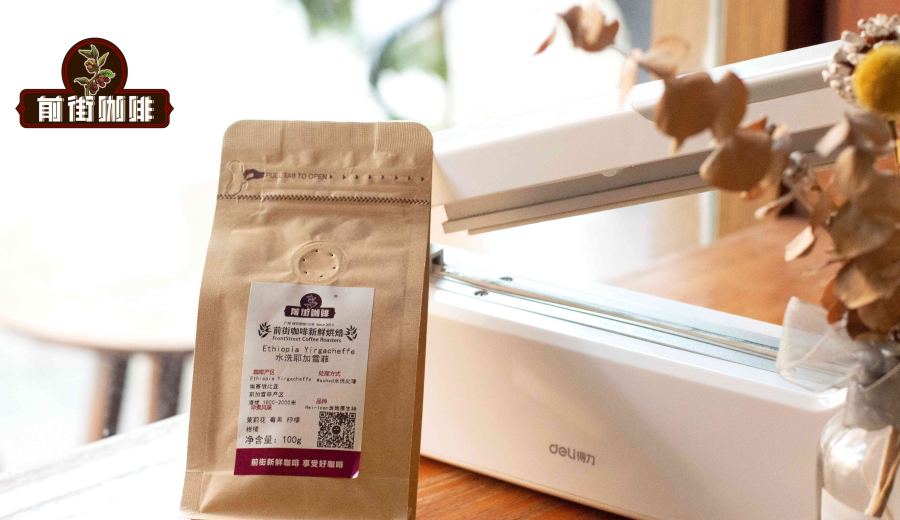
Introduction:Yirgacheffe is renowned for its distinctive bright acidity and floral-fruit aroma, but can it deliver an ideal flavor profile when used to make a single-origin espresso (SOE) Americano? This article delves into the advantages and challenges of using single-origin beans in espresso, explores why blends can sometimes still outperform SOEs, and provides practical parameters for extracting espresso and crafting Americanos — helping you brew a balanced, sweet-tart, and flavor-clear Americano at home.
Yirgacheffe is considered the “gateway specialty” for many coffee enthusiasts. Its most prominent characteristics are vibrant fruit acidity and delicate floral notes. Through light roasting, not only are honey-like sweet aromas preserved, but the refreshing acidity brought by lemon and citrus notes is also enhanced. It leaves a refreshing sensation upon drinking, which is one of the key reasons for its widespread popularity.
With the rise of the specialty coffee trend, more and more consumers are no longer satisfied with just pour over or cold brew. Instead, they are using Yirgacheffe in pressure-extracted espresso — this is the SOE (Single Origin Espresso) that has become increasingly common on café menus lately.
The definition of SOE is simple: it refers to espresso extracted from coffee beans sourced from the same origin, region, or even a single farm. As consumer demand for more distinctive flavors grows, they are no longer seeking just stability, but also the unique regional characteristics and the layered complexity brought by processing methods in each cup. As a result, SOE has become a highly notable trend in the specialty coffee market.
However, SOE espresso is not without its flaws. Because the extraction process occurs under high pressure and high temperature, flavor compounds are highly concentrated, which amplifies both the strengths and weaknesses of the beans. For example, light-roasted Yirgacheffe may showcase an elegant balance of sweet and sour notes in pour over, but when used for espresso extraction, improper parameter control can easily make its acidity overly sharp, or even produce unpleasant vinegar-like tones. Darker roasts, on the other hand, may lead to over-extraction, resulting in burnt bitterness and smokiness that negatively affect the overall mouthfeel.
So, does SOE always outperform traditional blend espresso? The answer is not absolute. Blends have long been the mainstream choice for espresso mainly because they combine beans from different origins and processing methods to achieve stable and balanced flavors. Whether it's acidity, sweetness, or bitterness, blends offer a more consistent drinking experience, reducing flavor fluctuations caused by variations between individual batches.

However, this doesn’t mean SOE lacks value. For coffee lovers who seek unique flavors and want to deeply experience the characteristics of a specific origin, choosing an SOE coffee bean with distinct flavor traits can bring a completely different tasting experience. As long as you understand the bean’s profile and adjust the extraction parameters accordingly, SOE can also produce surprisingly excellent espresso.
For coffee enthusiasts looking to try SOE, there are already several single-origin beans on the market with stable and representative flavor profiles. For instance, a natural-processed Red Cherry bean, thanks to its processing method that brings rich fruity and sweet notes, can still deliver soft berry acidity and moderate caramel finish even when used for espresso extraction — making it highly suitable for first-time SOE users.
So, how can you use SOE beans to make a smooth and balanced Americano? The principle is actually quite simple: start by preparing a standard espresso base using the typical extraction ratio, then dilute it with an appropriate amount of hot water to adjust the concentration and flavor profile to suit everyday drinking.
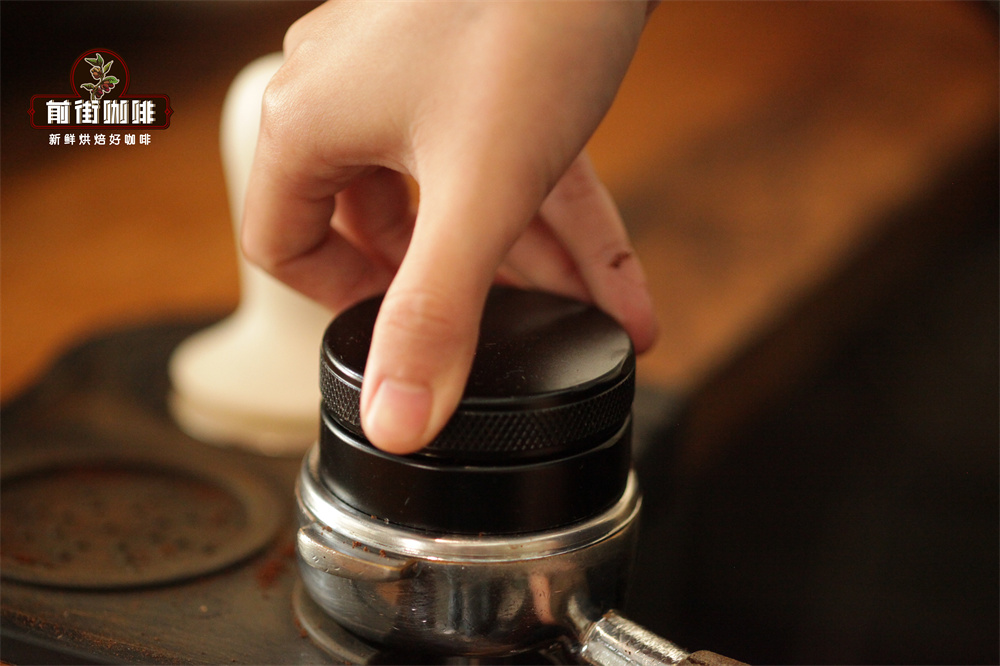
Generally, it is recommended to use a 1:2 espresso extraction ratio — that is, extracting about 40 grams of espresso liquid from 20 grams of coffee grounds, with an extraction time controlled between 25–30 seconds. This ensures sufficient extraction without overdoing it. Then, dilute the 40 grams of espresso liquid at a 1:4 ratio to a total of about 200 grams of Americano (i.e., adding 160 grams of hot water). This ratio helps maintain a good balance of sweet-tart notes and overall body.
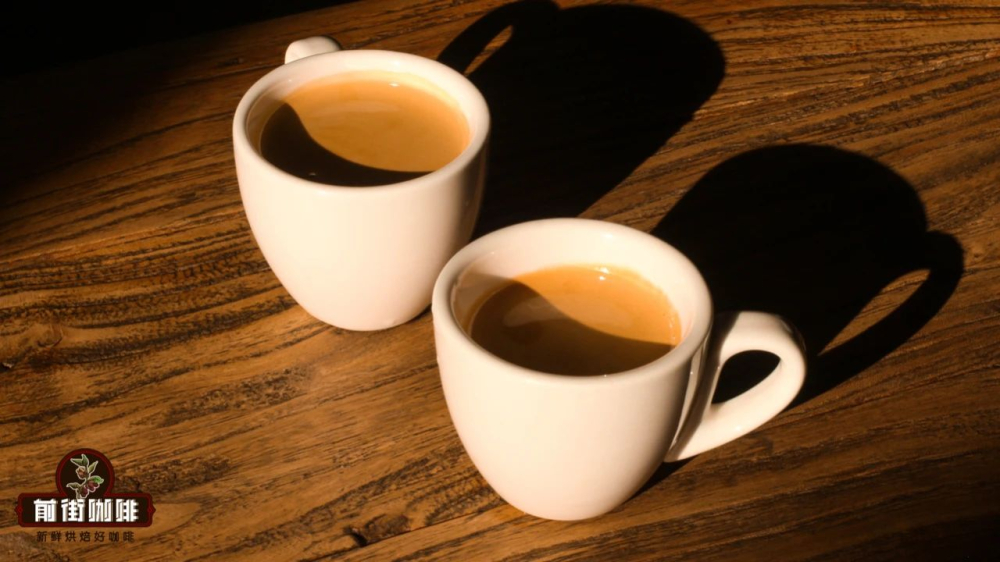
It’s important to note that the flavor performance of an Americano directly depends on the extraction results during the espresso stage. A successful SOE Americano should have clear layers, balanced sweet and tart notes, and a smooth mouthfeel without being cloying. If it tastes noticeably overly sharp, it usually means the espresso extraction was insufficient — you can try extending the extraction time slightly or adjusting to a coarser grind size. If you perceive strong burnt bitterness or smokiness, it may indicate over-extraction, so check whether the powder-to-water ratio or extraction time is too long. As for a watered-down or bland taste, it’s often due to an excessively high dilution ratio — in which case, you might reduce the amount of added water.
In summary, while blends have the advantage of stability and consistency, selecting a flavorful SOE single-origin bean and applying precise extraction and blending techniques can also yield a satisfying Americano. Although Yirgacheffe is known for its acidity, with the right roast level and processing method, it can also showcase rich fruity and sweet notes in an SOE Americano, adding a unique flavor dimension to your daily coffee experience.
The above content is compiled by CoffeeHunters, a coffee news website.


