







Introduction:Can you brew café-quality espresso at home? The key lies in mastering the correct extraction principles and machine operation details. This article delves into the workings of an espresso machine, teaching you how to adjust grind size, coffee dose, and extraction time to achieve a balanced-tasting, crema-rich espresso. It also offers practical advice on selecting coffee beans — an essential guide no coffee enthusiast should miss.
Espresso is renowned for its rich and intense flavor and serves as the base for many classic coffee drinks such as lattes and cappuccinos. However, many people encounter issues like uneven extraction, overly bitter or weak flavors when using an espresso machine at home. These problems are closely related to the machine’s variable parameters — including water temperature, pressure, grind fineness, coffee dose, and extraction time.
Making espresso is more complex than typical pour over or drip brewing, involving the machine’s heating system, pressure control, and even distribution of the coffee puck. To successfully extract a rich and balanced shot of coffee, understanding the principles behind each step and how they interact is crucial.
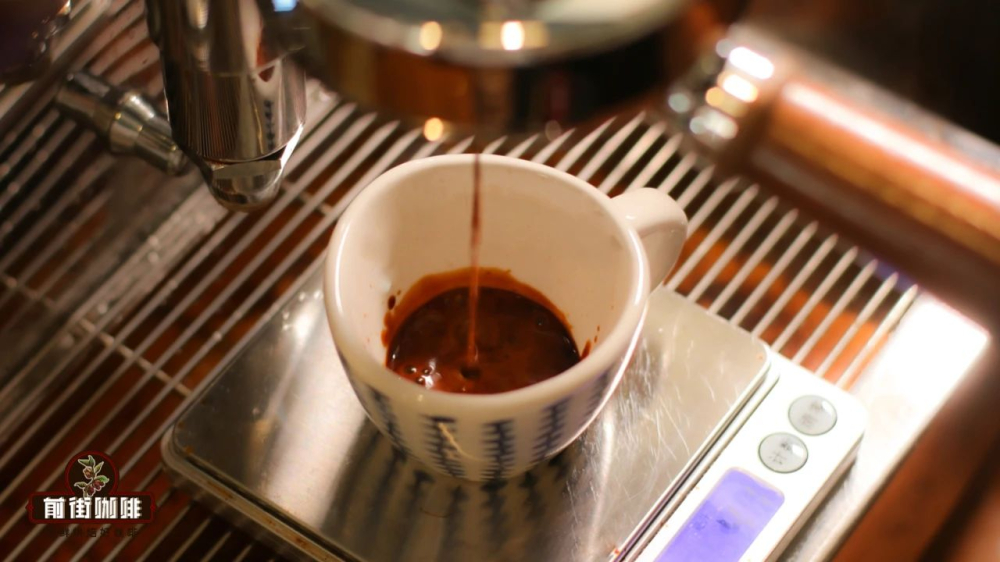
First, we need to understand the extraction principle of espresso. Unlike simply steeping or heating coffee grounds to concentrate them, espresso is extracted quickly under high pressure. The espresso machine heats water in the boiler to produce high-temperature steam, creating around 9 bar of pressure. This forces nearly 94°C hot water through an extremely fine coffee puck in a very short time, extracting a thick, honey-like coffee liquid.
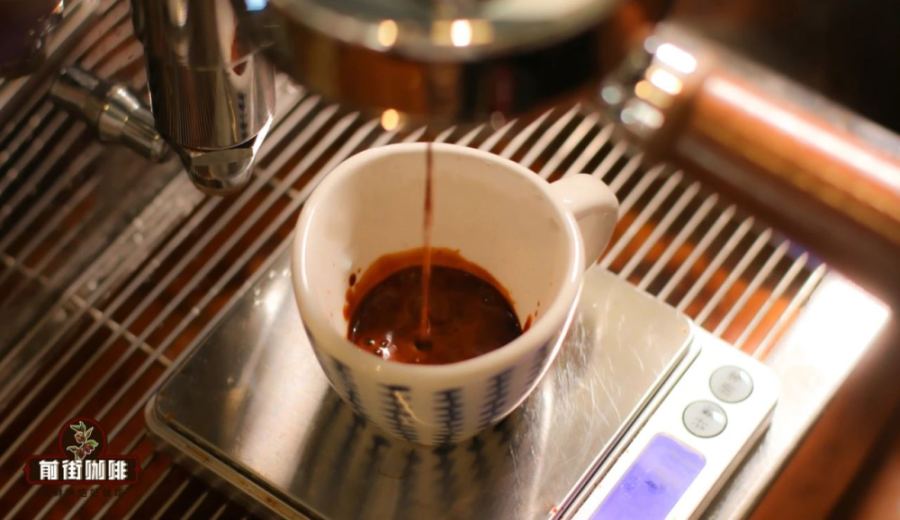
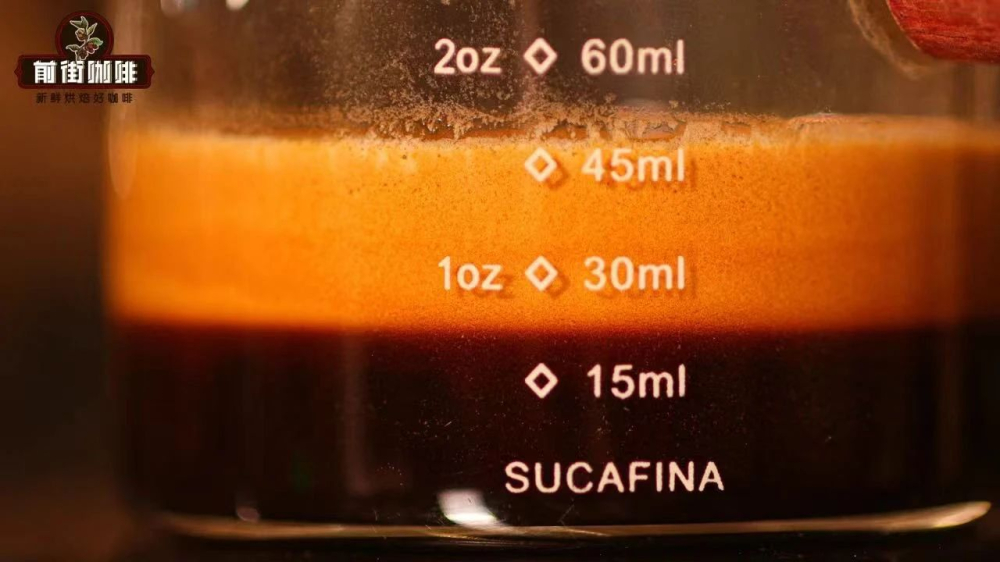
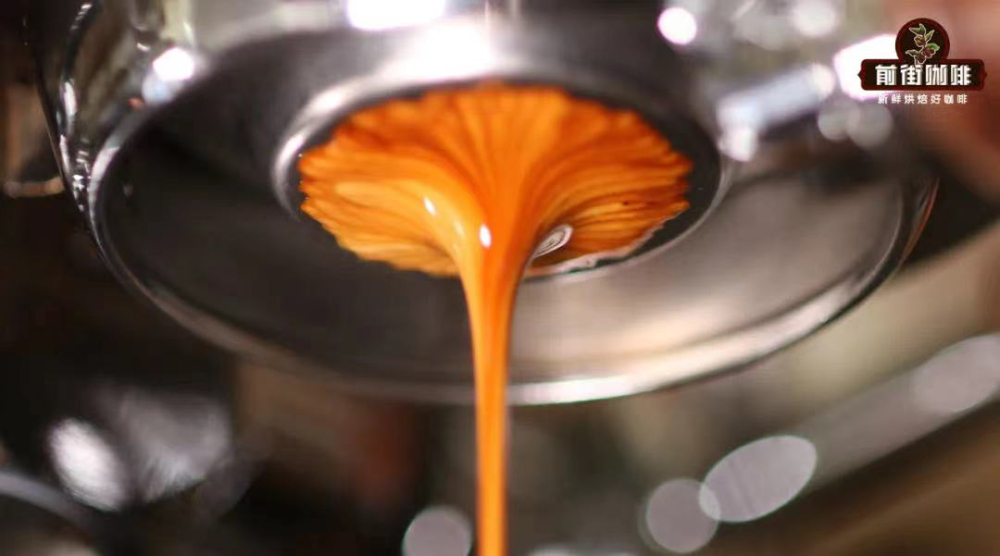
During this process, coffee crema is released along with the flow, forming a fine, golden-brown foam layer — one of the visual indicators of a successful extraction. Normally, the early-stage espresso liquid appears dark reddish-brown, gradually transitioning to golden and light gold hues over time.
So, what constitutes a successful extraction? Generally, extraction time is controlled between 25 to 30 seconds, during which the flow rate and flavor profile directly affect the final taste.For a double-shot basket, it’s recommended to use 20 grams of coffee grounds, aiming to extract 40 grams of espresso, achieving a 1:2 coffee-to-water ratio; for a single-shot basket, it’s 10 grams of coffee to 20 grams of liquid, also maintaining a 1:2 ratio.. If the flow is too fast, resulting in a weak and bland shot, consider adjusting to a finer grind or slightly increasing the coffee dose. If the flow is too slow, making the coffee overly bitter or even burnt-tasting, then opt for a coarser grind or reduce the coffee dose.
When choosing coffee beans, beginners are advised to start with espresso blends specifically designed for espresso extraction. These blends typically consist of Arabica beans from different regions (and sometimes a small amount of Robusta), carefully crafted by professional roasters to deliver stable and balanced flavors under high-pressure extraction. They also offer better value for money.
If you prefer a richer flavor profile with notes of chocolate and vanilla, consider a blend of Ethiopian Yirgacheffe and Honduran beans — such combinations often feature fruity acidity and caramel sweetness, along with excellent crema performance. For those seeking a bold, creamy espresso ideal for latte art, blends based on Brazilian and Sumatran beans with a touch of Robusta are recommended. These can deliver intense dark cocoa, roasted nut, and caramel sweetness.
The actual steps for pulling an espresso shot begin with preheating the machine. Once the boiler water reaches approximately 94°C and stabilizes, you can start. Before extraction, always clean the portafilter basket and precisely measure the coffee dose using a scale — for example, a double basket should be accurately dosed to 20 grams.
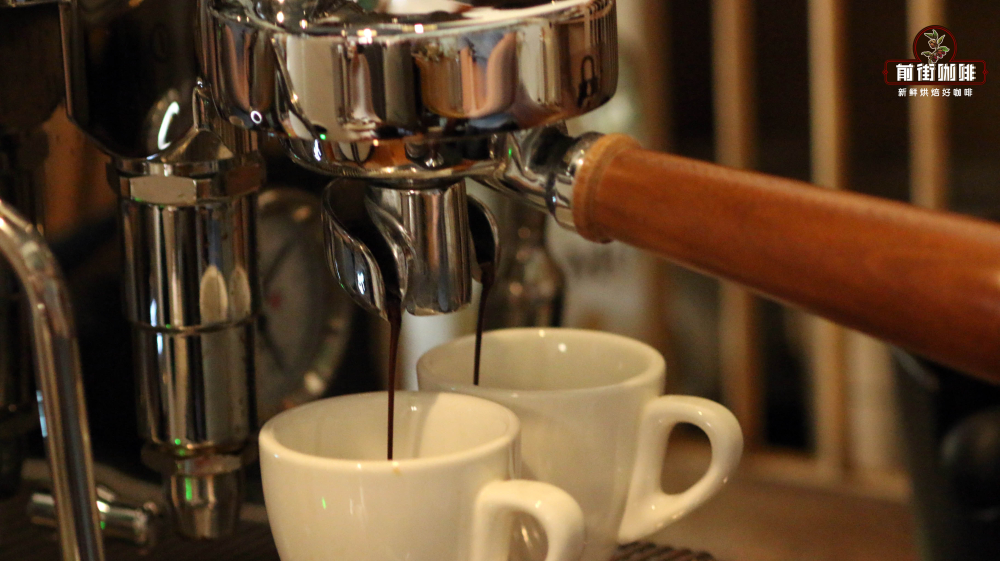
Next, use a distributor to evenly spread the coffee grounds, then tamp firmly and levelly with a tamper. This step is critical for ensuring stable extraction. After tamping, you may run a small amount of water (1–2 seconds) to wet the brew head and remove any leftover coffee grounds. Place your cup under the spout and tare the scale to accurately measure the output volume.
Securely attach the portafilter to the brew head, start the extraction, and observe the flow and color of the coffee. When the espresso reaches 40 grams and the total time falls within the 25–30 second range, immediately stop the extraction to complete a standard shot of espresso.
To make an Americano, simply add 160–200 grams of hot water to a 200–250 ml cup, then pour the freshly extracted espresso. For a hot latte, use a 300 ml cup, pour the espresso first, then steam 220 ml of fresh milk to 55–60°C, ensuring a fine microfoam. Combine it smoothly with the espresso to create beautiful latte art.
It’s important to note that factors like bean freshness, daily humidity, and grinder condition can all influence actual extraction parameters. Therefore, the coffee dose, grind size, and extraction time should be fine-tuned based on each brew’s performance to consistently achieve satisfying espresso shots.
The above content is compiled by CoffeeHunters, a coffee news website.


