







Introduction:There is a wide variety of iced coffee, ranging from the common iced Americano and iced pour over to low-temperature long-extraction cold brew and iced drip. Each has its own unique flavor and extraction logic. This article delves into the key preparation points of four major types of iced coffee, including the coffee-to-water ratio, grind size, extraction time, and temperature control, while also supplementing with practical details such as the two-stage pouring technique for iced pour over, adjustments to the iced Americano concentrate parameters, the duration of low-temperature immersion for cold brew, and the setting of the dripping rhythm for iced drip. It helps readers grasp the principles and appreciate the differences in aroma and taste among various iced coffees.
The world of iced coffee is actually richer than most people think. Whether it’s the refreshing and invigorating iced Americano, the layered iced pour over, or the slow low-temperature extraction of cold brew and iced drip, each showcases a unique flavor profile. Understanding their preparation principles and key parameters not only improves your home brewing quality but also allows you to more accurately choose the type of iced coffee that suits your taste.
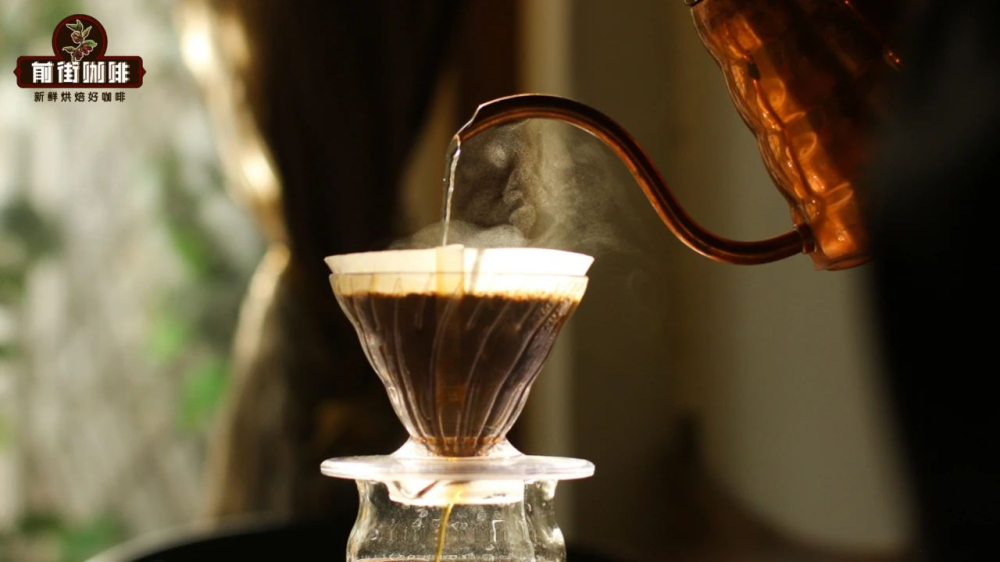
Let’s start with iced pour over, an extraction method that combines manual pouring and filter separation. It is not only visually appealing but also preserves more delicate aromas. Taking a classic recipe as an example, use 15 grams of coffee beans (such as a certain brand's Huakui), set the coffee-to-water ratio at 1:10, and inject a total of 150 grams of hot water, yielding approximately 120 grams of coffee liquid. Since you will later add 100 grams of ice to cool it down, slightly increasing the coffee-to-water ratio can prevent the flavor from becoming too diluted and light due to the melted ice water.
The brewing process for iced pour over is divided into two stages.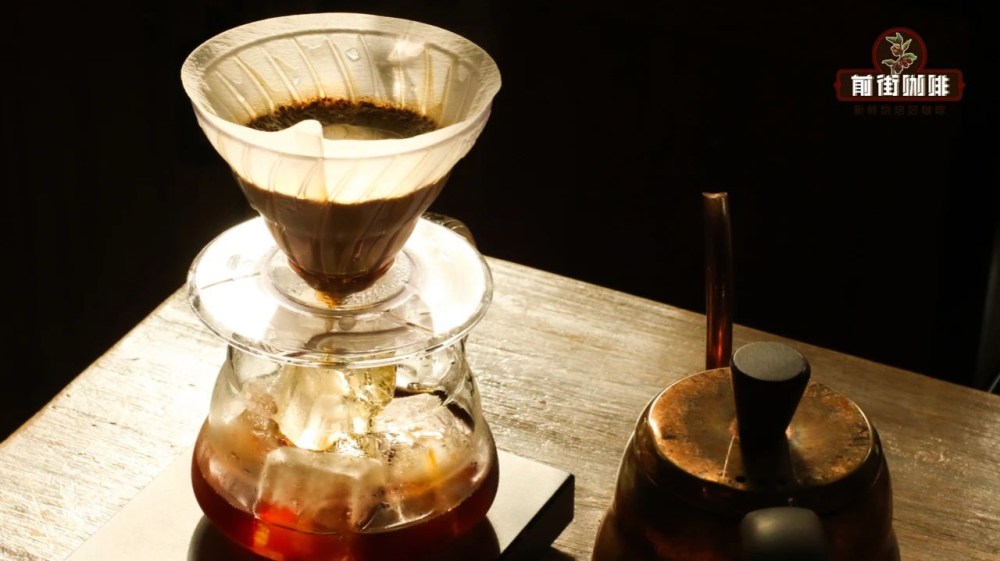 In the first stage, pour 30 grams of hot water to bloom. This helps release the large amount of carbon dioxide contained in freshly roasted beans and ensures that the subsequent water flow can smoothly penetrate the coffee grounds. In the second stage, pour the remaining 120 grams of hot water in a circular motion all at once. It is recommended to maintain a water temperature of around 90°C, and the grind size can be slightly finer than that for regular hot pour over—about 85% passing through a standard 0.85mm sieve. The overall extraction time is around 1 minute and 30 seconds.
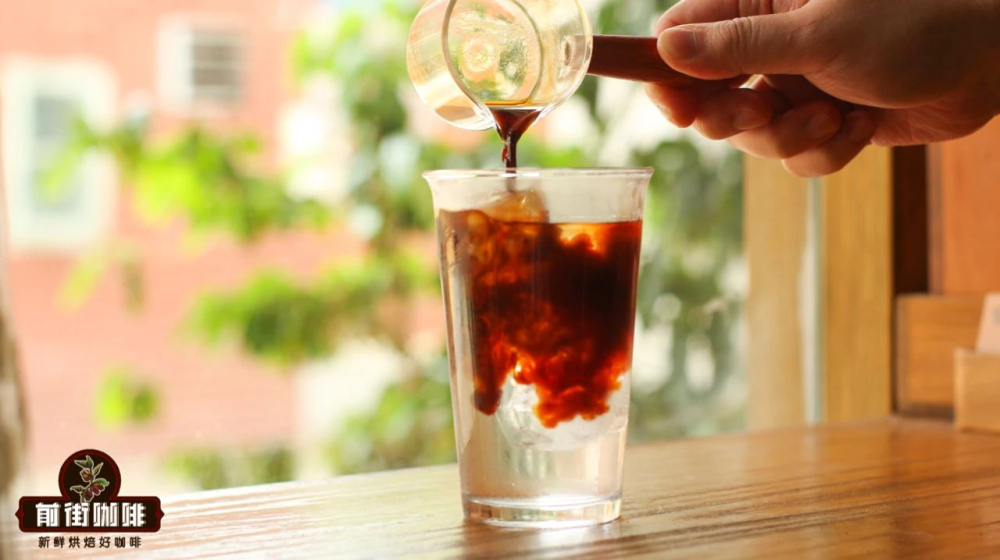
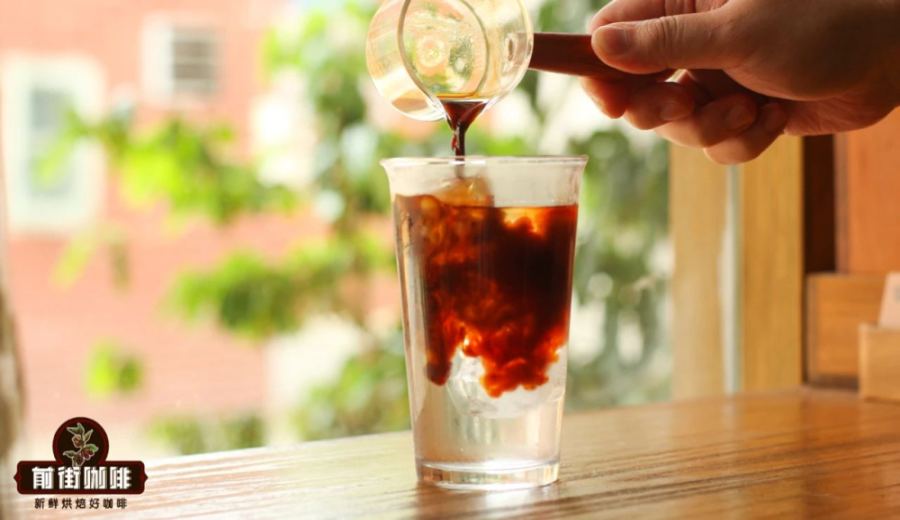
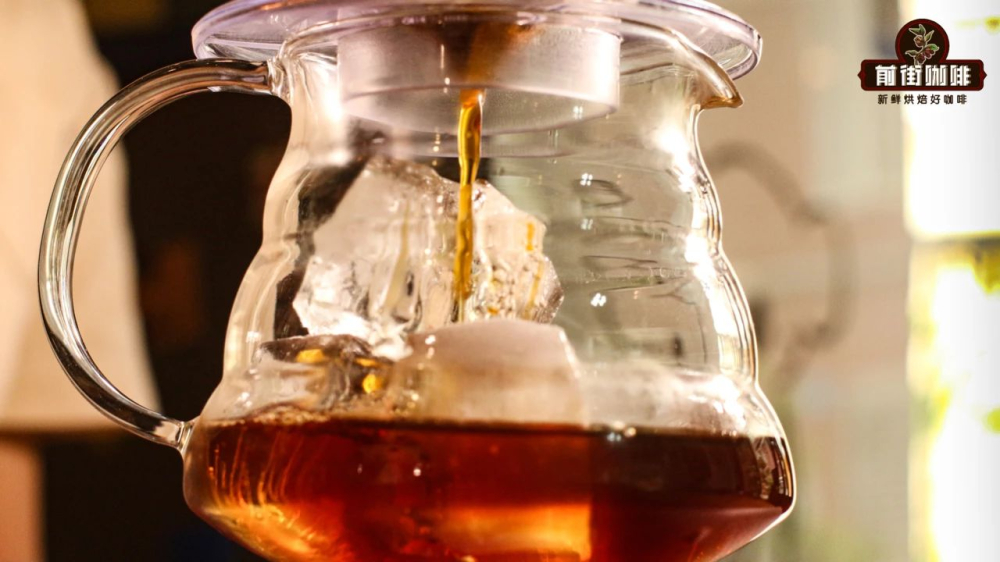
Once the coffee liquid has been extracted, pour it over 100 grams of prepared ice and gently shake the container. This allows the flavors from the front, middle, and back ends to blend evenly, while the ice helps accelerate the cooling to a drinkable temperature.
Next is the iced Americano. Its basic logic is similar to that of iced pour over—first creating a higher-concentration coffee base, then diluting it with ice or cold water. However, the iced Americano uses espresso extracted by an espresso machine, which is intense and rapidly releases caffeine.
For preparation, a certain brand’s commercial blend coffee beans are used. These beans are rich in crema and have a distinct roasted aroma, making them suitable for various espresso applications.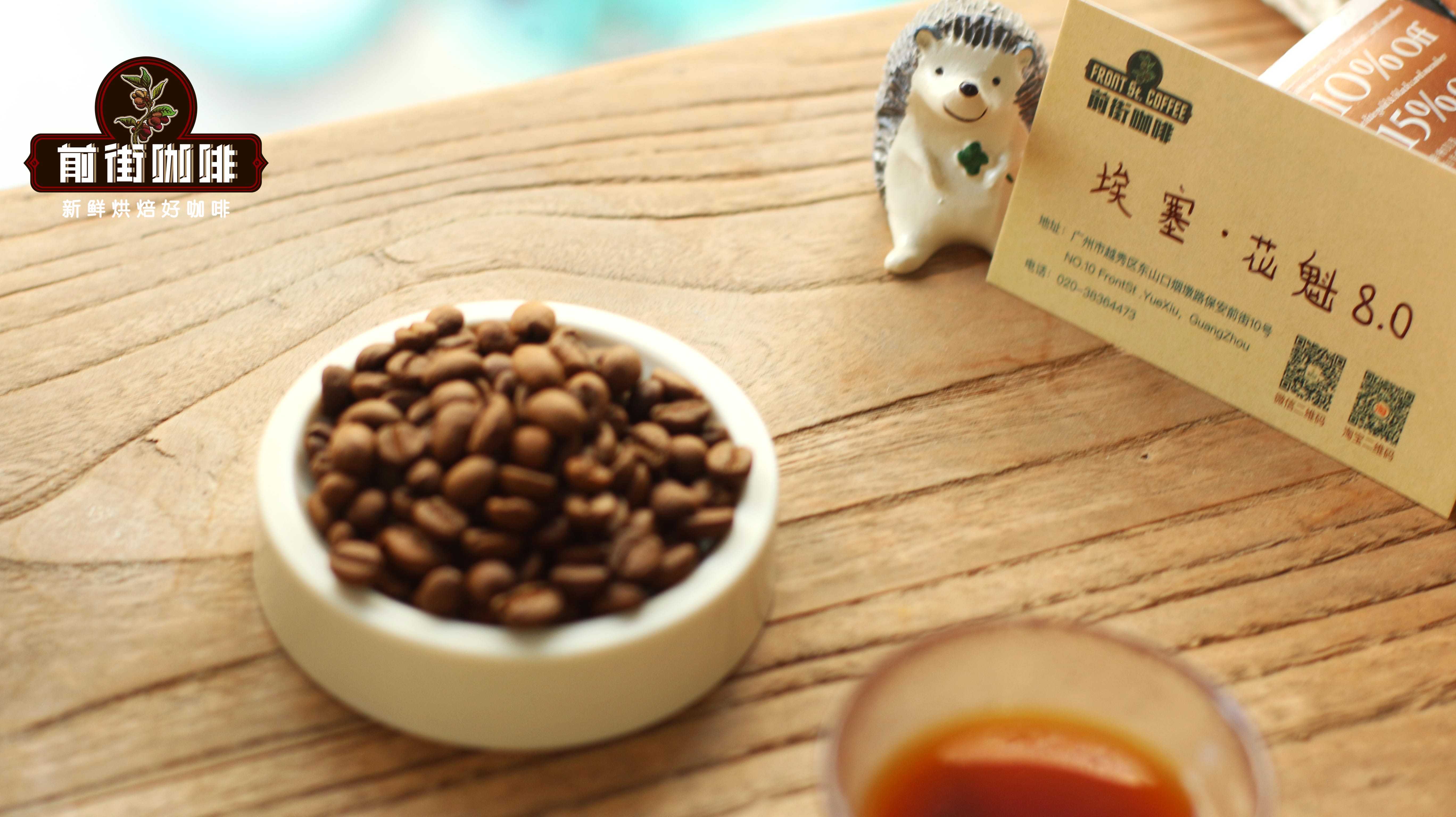 Baristas typically use 20 grams of coffee grounds, aiming to extract 40 grams of espresso, with the extraction time controlled around 26 seconds. Precise control of the extraction ratio and time is key to ensuring a balanced espresso flavor. Then, add 300 grams of an ice-water mixture in a ratio of about 7.5:1 to complete a well-balanced and smooth iced Americano.
Cold brew coffee, on the other hand, follows a completely different extraction approach. It involves long-term immersion in cold water (usually in a refrigerator) at low temperatures, allowing for a gentler release of flavors and significantly reducing the risks of aroma evaporation and over-extraction. Although many cafes do not routinely offer it, many coffee enthusiasts prefer this method for home brewing.
The standard recipe recommends using 50 grams of coffee grounds with 500 grams of cold water, maintaining the same 1:10 coffee-to-water ratio. The grind size needs to be coarser, with about 75% passing through a 0.85mm sieve, to avoid over-extraction. After thoroughly stirring the coffee grounds with the cold water, place them in a container with a capacity of at least 600 milliliters and refrigerate for about 24 hours. This extended period of low-temperature immersion is the secret behind the round and full-bodied flavor of cold brew.
 Finally, there is the highly acclaimed iced drip coffee. Its characteristic low-temperature slow-drip process gives the beverage an ultimate sense of layering and a rich mouthfeel, making it a favorite among many coffee connoisseurs. Making iced drip requires a specialized iced drip device, such as the commonly used Tiamo HG2713. Its design includes an upper chamber (for holding ice water), a flow rate adjustment valve, a coffee powder chamber for filling the grounds, and a lower chamber for collecting the coffee liquid. Some models also come with a coiled cooling tube to stabilize the temperature.
For preparation, you can use 60 grams of coffee beans (for example, a certain brand’s strawberry sugar blend, combining Costa Rican and Panamanian Geisha beans, with floral and preserved fruit acidity and sweetness). Set the coffee-to-water ratio at 1:10, aiming to produce about 600 milliliters of iced drip liquid. The grind size is slightly finer than that for pour over, with about 85% passing through a 0.85mm sieve. Mix the ice and water in a 1:1 ratio, and control the valve to achieve a drip rate of 7 drops per 10 seconds. The overall extraction time is about 6 to 8 hours.
 After extraction, it is recommended to bottle the coffee liquid and chill it for 12 hours to allow the flavors to further integrate. Because the iced drip process is slow, with a low drip rate and limited extraction efficiency at low temperatures, it takes a longer time to accumulate enough coffee liquid and fully extract the flavors. This is also the main reason why iced drip coffee has such a rich flavor and a long-lasting aftertaste.
The above content is compiled by CoffeeHunters, a coffee news website.


