







Introduction:Did you know that the roots of modern coffee lie in Ethiopia, Africa? This article takes you from the ancient legend of the shepherd to explore how this country has given birth to globally renowned coffee varieties and cultures. It not only delves into the secrets of Ethiopia’s smallholder farming model and the flavors of native varieties, but also introduces the washed coffee characteristics of the Yirgacheffe region, helping coffee beginners find their own entry-level favorite through clear flavor profiles and practical information.
Ethiopia is regarded as the birthplace of coffee, not only because it is home to numerous wild coffee varieties, but also as the cradle of two classic varieties: Typica and Bourbon. These varieties later spread to the Middle East, the Americas, and Asia, laying the foundation for today’s specialty coffee. When you visit Ethiopia, you’ll not only hear ancient stories about the origins of coffee, but also experience the unique local coffee ceremonies and cultural atmosphere firsthand.
According to the long-standing shepherd legend, a shepherd named Kaldi noticed his goats becoming unusually energetic after eating red berries from a certain bush while grazing on the plateau. Curious, he tried the fruits himself and felt an unprecedented sense of alertness and vitality. Although this story cannot be fully verified, it does reflect how Ethiopians formed an early and deep connection with coffee. From then on, this magical fruit gradually made its way to the Arabian Peninsula, initiating centuries of coffee trade and cultural journeys.
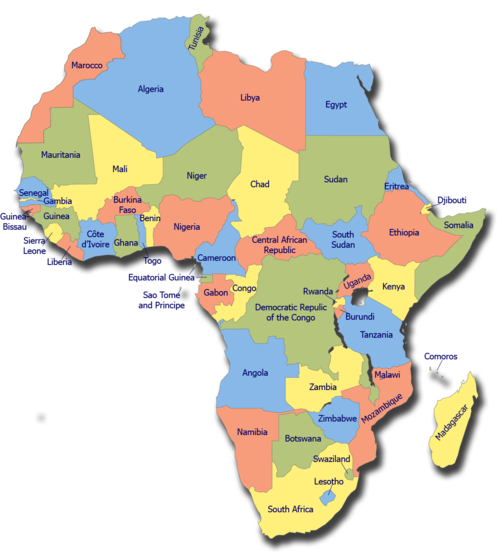
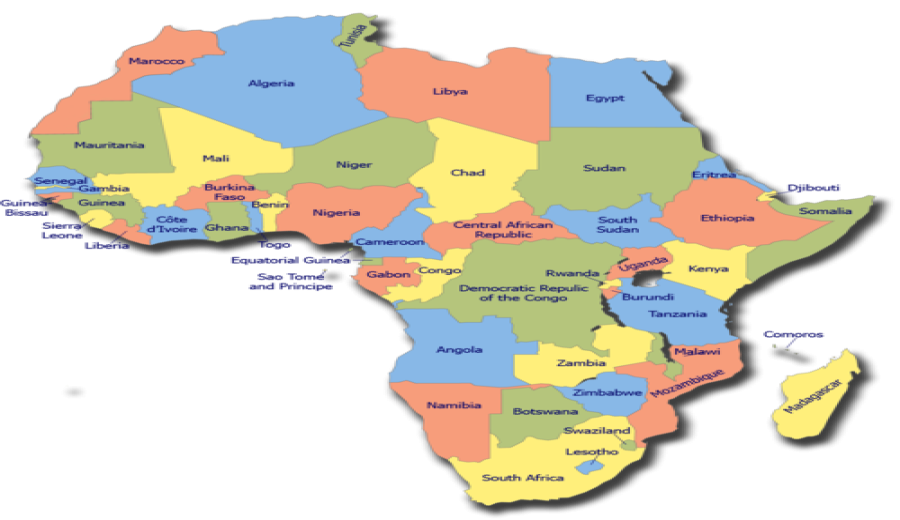
Located in Eastern Africa, Ethiopia boasts rich highland landscapes and a suitable tropical highland climate, providing an ideal environment for coffee trees to thrive. Over half of the country’s coffee is produced by smallholder farmers, who often grow coffee in mixed plantings within their home gardens or alongside crops such as banana trees. Typically, each household owns at least four hectares of farmland. Though the scale is modest, these farms are an indispensable part of the global coffee supply chain.
Due to the decentralized production, many farmers send their harvested coffee cherries to local processing cooperatives for collective processing and sales. For example, the Gedeb Cooperative in the Yirgacheffe region is responsible for collecting fresh coffee cherries grown by nearby farmers, processing them uniformly using the washed method, and then exporting them under the cooperative’s name to markets around the world. This cooperative model not only improves processing quality but also enables small producers to participate in the international market.
When it comes to coffee varieties, Ethiopia can be described as a natural gene bank. The country is home to a large number of wild and traditionally cultivated varieties that have not been fully classified. Collectively referred to as “Heirloom,” these coffee trees, though difficult to categorize into specific strains, each exhibit rich and diverse flavor potential. Due to the diversity of growing environments and microclimates, even coffee beans from the same region often vary in size, appearance, and flavor expression.
In Ethiopia, the local languages refer to coffee as “bunn” or “buna,” and its birthplace, Kaffa, further ties the word “coffee” closely to this land. Interestingly, the English word “coffee” is believed to be derived from a phonetic transformation of “Kaffa.” The Kaffa region is not only the legendary site of discovery but is still considered an important source of coffee genetic diversity today.
If you’re interested in coffee ceremonies, Ethiopia’s traditional coffee process is definitely worth exploring. This ceremony typically consists of three stages and is brewed using a clay pot called a “Jebena.” The first round of coffee is called Abol, symbolizing blessing and the beginning; the second round, Tona, is a time for chatting with friends and family; and the third round, Beraka, represents joy and completion, serving as the perfect finale to the entire ceremony. The whole process is not just about making a beverage but is also a deeply cultural and social ritual.
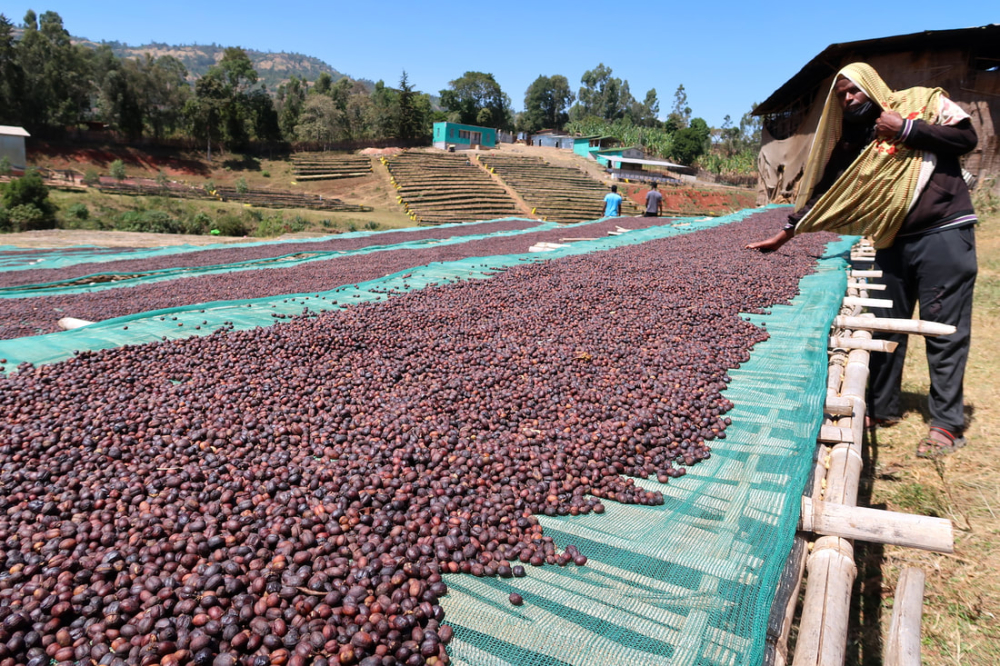
Currently, Ethiopia ranks first in coffee production in Africa and fifth globally. Its coffee is known for its distinct citrus, floral, and tea-like flavors, especially the washed beans from the Yirgacheffe region, which are often the first choice for many coffee beginners. These coffees, typically roasted to a medium-light level, exhibit bright acidity, citrus notes, and a clean, refreshing finish. With a clean profile and well-defined layers, they are excellent for practicing pour over or filtered brewing methods.
For those new to coffee, choosing single-origin beans from Ethiopia allows you to experience a variety of flavor profiles while understanding how origin and processing methods affect the final cup. It’s recommended to pay attention to the roast date when purchasing, opting for beans shipped within five days of roasting to ensure freshness. Additionally, proper grind size and water temperature control (generally medium-fine grind and 90–93°C water temperature) will help these Heirloom coffees perform at their best.
In summary, Ethiopia is not only the birthplace of coffee but also continues to influence the direction of global specialty coffee development with its rich smallholder culture, diverse wild varieties, and unique processing traditions. As a representative of these, Yirgacheffe washed beans not only offer a refreshing and captivating flavor but also serve as the gateway for many into the world of coffee.
The above content is compiled by CoffeeHunters, a coffee news website.


